
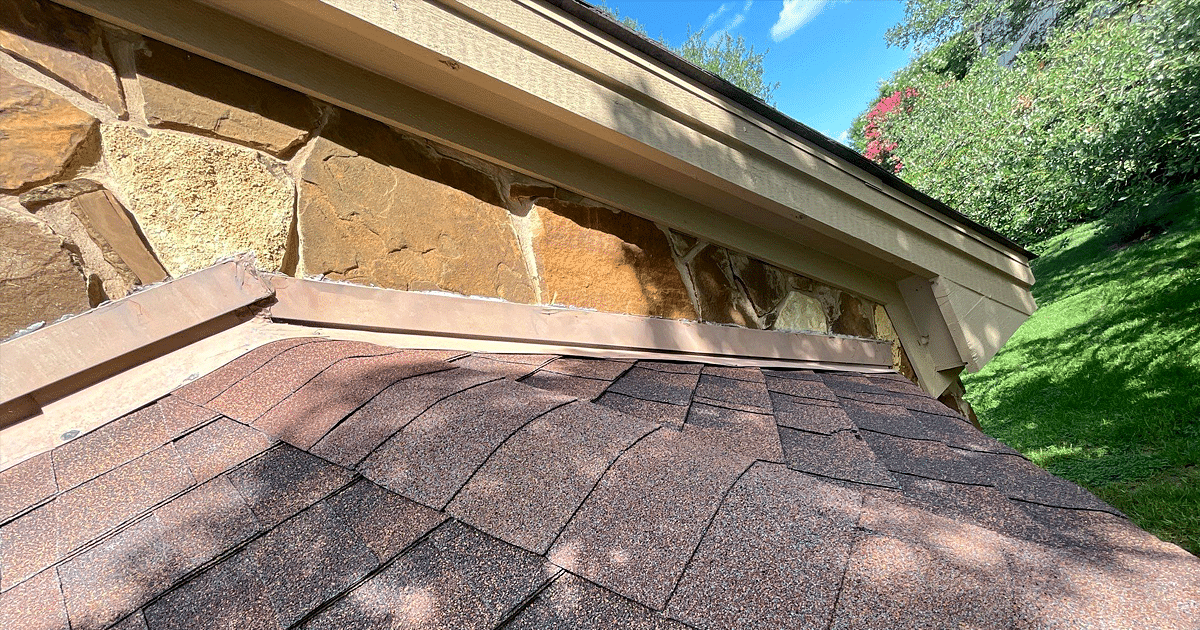
Older homes across Austin, Round Rock, Cedar Park, and Georgetown carry decades of character-and decades of roofing wear. If your home was built before the mid-1990s, your roof faces a set of challenges that newer builds simply don’t. Here’s what you need to watch, when to act, and how to make smart decisions about your next roofing project.
Key Takeaways
- Older Central Texas homes (built before ~1995) face unique roofing issues from Austin weather, layered past repairs, and quirky rooflines that complicate even routine maintenance.
- Roof age alone isn’t the problem-extreme heat, hail, poor ventilation, and patchwork repairs are what shorten roof life in Central Texas. Older homes face severe heat, intense UV rays, and hail storms that newer roofs are better engineered to handle.
- Common roofing materials like asphalt shingles and metal roofing behave differently on older structures due to differences in framing, decking, and ventilation.
- You’ll learn specific warning signs older roofs show in Austin weather, when to choose roof repair vs. full replacement, and how insurance claims typically play out on aging residential properties.
- Choosing a roof for an older home requires balancing historical charm against summer heat, but an experienced Central Texas roofer familiar with older homes can usually extend roof life and improve energy efficiency without destroying the home’s character.
How Austin Weather Beats Up Older Roofs
Central Texas climate-covering Austin, Georgetown, San Marcos, and Temple-punishes roofs installed in the 1970s through 1990s in ways many homeowners underestimate. Central Texas summer temperatures exceed 100°F for roughly four months, and Austin experiences over 300 sunny days annually, increasing UV exposure far beyond what most roofing manufacturers test against.
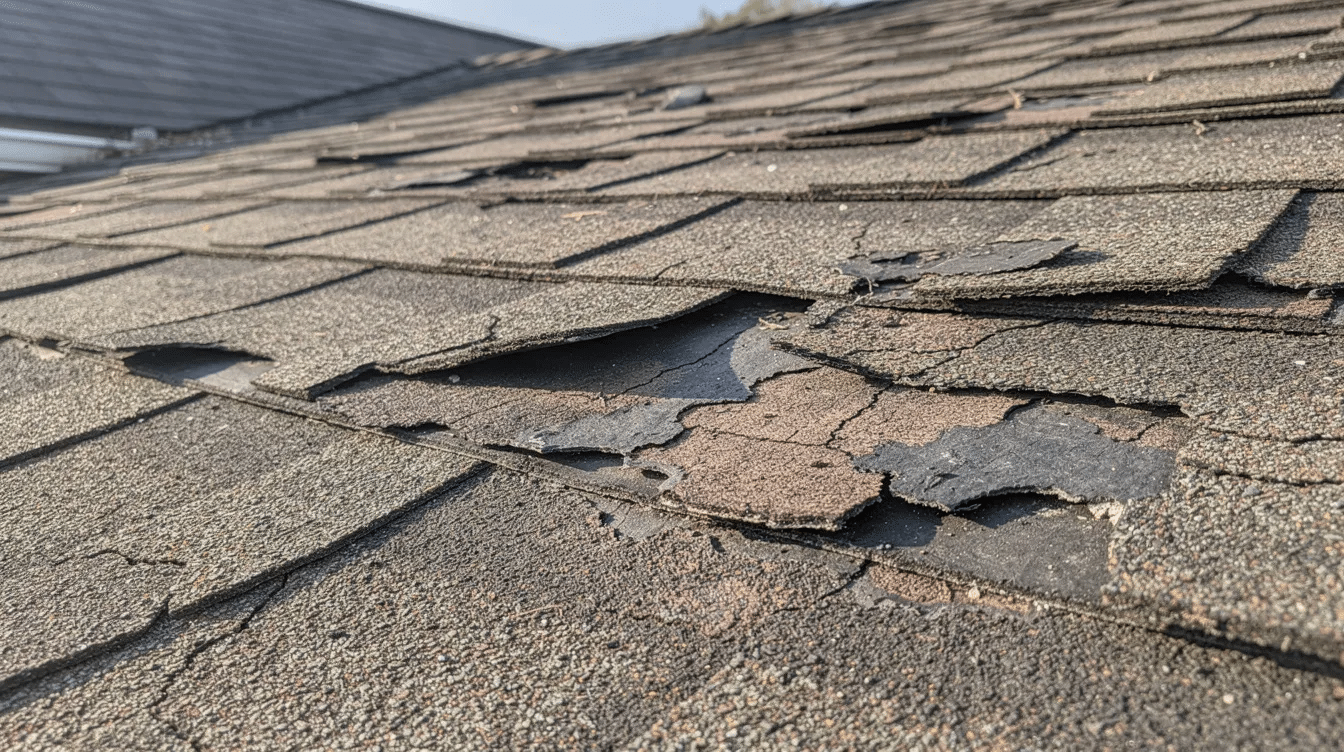
That intense heat combined with inadequate attic ventilation in older houses leads to curling, cracking, and granule loss, especially on south- and west-facing slopes. Asphalt shingles in Austin typically last only 18–22 years due to heat-well short of the 30-year warranty printed on the packaging.
Spring hailstorms from March through May and late-summer wind events exploit every weak spot in aging roofs: old flashing, brittle sealant, and thin original decking. Hailstorms in Texas can devastate roofs within minutes, and many older homes have decking too thin to absorb impact without cracking.
Humidity in Austin can reach 80%, promoting moss growth in shaded areas and accelerating rot around valleys, skylights, and chimney flashing that may have been patched multiple times over the decades.
Roofing Materials That Work (and Struggle) on Older Central Texas Homes
Not every modern roofing material fits a 40–80-year-old structure. Choosing roofing materials depends on climate and home construction age, and weight, ventilation, and roof pitch all factor into material selection.
Here’s how the most common options compare on older Austin homes:
| Material | Typical Lifespan (Central Texas) | Weight Concern | Best For |
|---|---|---|---|
| Architectural shingles | 15–25 years | Low | Most older homes |
| Impact resistant shingles (Class 4) | 20–30 years | Low-moderate | Hail-prone areas |
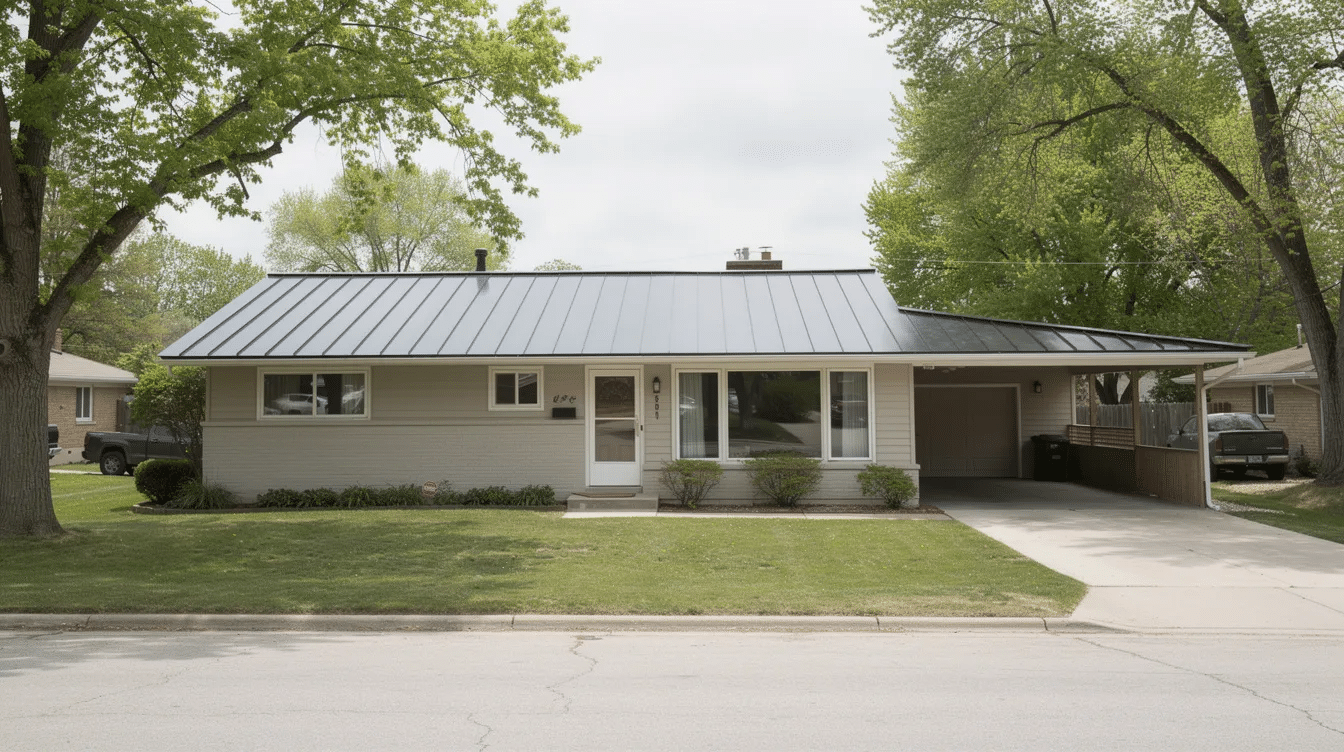
| Standing seam metal roofing | 40–70 years | Low (1–2 lbs/sq ft) | Ranch homes, bungalows |
| Stone-coated metal | 40–50 years | Low-moderate | Mimicking slate or shingle look |
| Synthetic slate | 40–50 years | Low | Historic-style homes in Hyde Park |
| Clay tile | 50–100+ years | Very high | Only with structural reinforcement |
Lightweight architectural asphalt shingles and standing-seam metal roofs are preferred for older homes. Class 4 architectural asphalt shingles are an excellent all-around value for roofs in hail-prone Austin suburbs and can withstand severe hail strikes. Impact-resistant shingles can reduce insurance premiums by 15–30%, which offsets the higher upfront cost over time.
Standing-seam metal roofing can reflect up to 70% of solar energy, making it a strong choice for heat resistance and durability. Metal roofing typically lasts 40–70 years in Texas, while metal roofs can lower summer cooling bills by 10% to 25%.
Newer homes are engineered to support heavier roofing materials than older homes, so concrete tile or natural slate commonly requires structural reinforcement that dramatically increases project cost. Composite alternatives to slate or wood shakes are lightweight and highly impact-resistant, and synthetic slate or shake can provide an authentic look without overloading the structure. Stone-coated metal variants can mimic the look of slate or shingle for homes where appearance matters.
Design guidelines for historic districts may restrict material choices for roofs, so always confirm requirements before committing. Older homes often rely on degraded roofing materials like felt paper or deteriorating mortar beneath surface shingles, which must be addressed during any replacement. Many homes still have layers of roofing material-sometimes 3-tab shingles over original cedar shakes-that must be removed before installing modern systems to avoid heat buildup and code issues.
Quirky Rooflines, Add-Ons, and Past Repairs: Why Older Roofs Are Tricky
Older Austin and Central Texas homes commonly have complicated roofs shaped by decades of additions, covered patios, and garage conversions. These create situations that are tricky even for experienced roofers:
- Dead valleys where two roof sections dump water into a flat spot
- Low-slope porch covers tying into steep gables with failing kick-out flashing
- Multiple ridges meeting over small rooms or dormers added in the 1970s
Each additional layer of past roof repair-overlay shingles, mismatched vents, reused flashing-makes leak tracing harder. FEMA cites improper installation as a leading cause of roof failure, and many older homes carry the evidence of shortcuts taken during previous repairs.
Common problem areas include chimney bases with failing counterflashing, original skylights from the 1980s, and metal roof-to-wall transitions on porch covers. A modern re-roof can actually simplify drainage by redesigning dead valleys, upgrading to larger gutters, and adding kick-out flashing where walls meet roof edges. A thorough inspection must look beyond shingles to examine decking, rafters, fascia, and soffits that may have been cut or altered during past remodels.
Warning Signs Your Older Central Texas Roof Needs Attention
Older roofs rarely fail all at once. Austin homeowners usually get warning signs if they know what to look for.
Visual surface signs:
- Widespread granule loss on asphalt shingles (check gutters and downspouts)
- Brittle or cracked shingles on south-facing slopes
- Missing tabs after high winds or storms
- Exposed fiberglass mat on aging shingles
Interior clues:
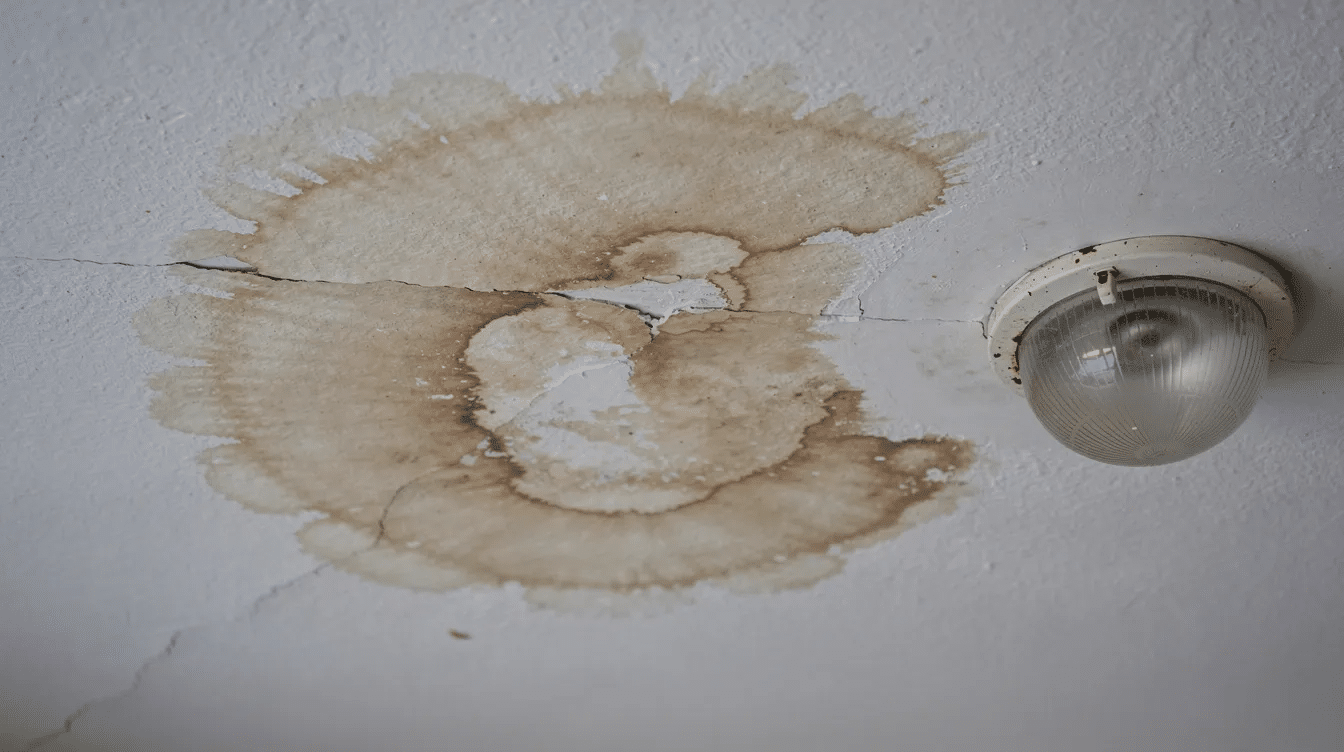
- Water stains around ceiling fixtures or at the tops of walls
- Peeling paint along crown molding after a heavy storm
- Mold or musty smell in upper rooms
Structural red flags:
- Spongy spots when walking the roof
- Visible sagging between rafters from the attic
- A roofline that appears wavy from the street
Attic ventilation in older homes may be inadequate compared to newer constructions, which shows up as very hot attics well into the evening, warped decking, moldy insulation, and higher energy bills than neighbors with similar-sized homes. Improving attic ventilation can prevent premature shingle failure.
In Central Texas, any hailstorm producing 1-inch or larger hail warrants a professional inspection on roofs older than about 10–12 years. Document damage with photos and dates-this protects you during future insurance claims or warranty conversations.
Roof Repair vs. Replacement on Older Homes
Many homeowners with 20–30-year-old roofs must decide between ongoing roof repair and committing to a full replacement. Roofs in Central Texas often need replacement around 15 years, sooner than most people expect.
When targeted repairs make sense:
- Isolated damage from a single windstorm
- One leaking pipe boot or a small flashing issue
- An otherwise healthy roof under 12–15 years old
When replacing is smarter:
- Multiple leak points across different areas
- Shingles nearing the end of their typical lifespan for Central Texas
- Brittle shingles that break during minor repairs
- Decking damage found under several sections
A useful rule of thumb: if cumulative repair costs approach 30–40% of what a new roof would cost, full replacement is typically more economical long term.
On older homes, a full tear-off lets the roofer fix hidden issues-rotten decking, undersized sheathing, inadequate ventilation, and outdated penetrations. Schedule major work outside peak summer heat; fall or early spring is easier on both the house and the crew.
Before starting any project, remember that approval is typically required for visible roof changes. HOA rules may also require approval for roofing changes, and skipping approval can lead to fines or forced redo. Written approval protects your investment in roofing projects. Roofing permits in Austin take 3–7 business days to process, so plan accordingly.
Energy Efficiency and Ventilation Upgrades for Aging Roofs
Austin’s long hot season drives high energy bills, especially in older homes with original attics and minimal insulation. Austin’s heat reduces asphalt shingle lifespan to 18–22 years, but the right material and ventilation upgrades can push that number higher.
Lighter shingle colors, reflective metal roofing, or cool-roof rated products noticeably reduce attic temperatures. Common ventilation updates during a re-roof include adding ridge vents, properly sized soffit vents, and sometimes solar attic fans. Many pre-1990 homes were built with minimal insulation-pairing a new roof with added attic insulation delivers the biggest gains in comfort and lower cooling costs. Proper ventilation combined with reflective materials that reflects heat not only boosts energy efficiency but also extends the life of asphalt shingles and decking.
Navigating Insurance Claims on Older Roofs
Central Texas storms make insurance claims a routine part of owning an older roof, but age and condition affect outcomes significantly. Roofs older than 15–20 years face insurer scrutiny in Texas, and many homeowners discover their policy pays actual cash value rather than replacement cost-meaning depreciation reduces payouts substantially.
Typical claim process after storm damage:
- Document damage immediately with photos and dates
- Schedule a professional inspection-professional inspections catch hidden roof damage early and help confirm roofing material performance
- File the claim promptly (some policies have time limits)
- Meet with the adjuster onsite, ideally with your contractor present
- Review the scope of work for accuracy
Older, pre-damaged roofs may not receive full payouts for long-standing issues like granule loss or prior patch jobs. Code upgrades-decking nailing requirements, drip edge, ventilation-add cost that isn’t always covered unless you carry ordinance and law coverage. Class 4 impact-resistant shingles often trigger insurance premium discounts, which can offset the higher material cost over time.
Choose a roofer experienced with residential and commercial roofing insurance work who can distinguish between new storm damage and pre-existing wear on older roofing material.
FAQs About Roofing for Older Homes in Central Texas
How long should a roof on an older Central Texas home realistically last?
Most asphalt shingle roofs on older homes last about 15–20 years in Central Texas due to heat, UV, and hail. Roofs with excellent ventilation and light-colored shingles sometimes reach 22–25 years, but this is less common along the I-35 corridor through Austin. Metal roofing can last 40 to 70 years in Central Texas, and clay tile roofs can last 50 to 100+ years with maintenance-though both require confirming the structure can handle the load. Which roofing material lasts longest depends on the location, structure, and maintenance involved.
Can I install metal roofing on my 1950s or 1960s home?
Many 1950s–1960s bungalows and ranch homes in Austin can support standing seam metal roofing without reinforcement. However, the framing and decking must be evaluated first-check for adequate rafter size, spacing, and solid sheathing. If reinforcement is needed, factor that into your project budget and timeline.
Is it safe to have multiple layers of shingles on an older roof?
Current best practice in Central Texas is to perform a full tear-off on older homes. Multiple layers trap heat, hide decking damage, add weight, and make future roof repair or leak detection significantly more difficult.
Will a new roof really make my older home more energy efficient?
A new roof alone helps somewhat, but the biggest gains come from combining cooler roofing materials with improved attic ventilation and insulation. Many Austin homeowners see lower summer electric bills after upgrading to reflective shingles or metal roofing and adding modern ridge-and-soffit ventilation.
How often should I have my older roof inspected in Central Texas?
Professional roof inspections should happen at least once a year for roofs over 15 years old, plus an extra inspection after any major hail or windstorm. Annual inspections can extend a roof’s lifespan significantly, and inspections after storms ensure roofs are still protective. Catching minor issues early-especially around chimneys, skylights, and additions-prevents costly interior water damage.

