
Roofing During Real Estate Transactions can make or break a home sale in Texas. The condition of a roof can directly affect financing, insurance coverage, appraisal outcomes, buyer confidence, and the negotiations that follow. Texas real estate transactions also come with added challenges because of hail, high winds, extreme heat, and other weather conditions that can leave a roof with damage or wear that isn’t always obvious at first glance.
For both buyers and sellers, knowing where the roof stands early in the process can prevent surprises once inspections, insurance, financing, and closing deadlines start coming into play.
Key Takeaways
- A roof makes up nearly 40% of a home’s visible exterior, and its condition impacts property value in every Texas transaction.
- Active leaks, hail damage, or roofs with little life left often force a choice between full roof replacement, repair credits, or selling as is.
- Texas law requires a Seller’s Disclosure Notice for residential properties – sellers must disclose known roof leaks, prior repairs, and insurance claims, even in an as is sale.
- Insurance companies in Texas increasingly reject coverage for roofs over 10 to 15 years old, and cosmetic damage exclusions can deny claims for dent-only hail damage.
- Early roof inspections and insurance review before listing can protect both sides from surprises during the option period.
How Roof Condition Impacts a Texas Home Sale
Texas leads the nation in severe hail and high-wind events, and the 2023–2024 hail seasons in North Texas, austin, houston, and San Antonio left thousands of roofs with damage that isn’t always obvious. Texas properties experience hail events that may damage roofs without obvious signs, which is why roofing is consistently one of the top issues flagged by inspectors, appraisers, lenders, and insurers during a real estate transaction.
Lenders may require roof repairs before approving loans if significant problems are found. Buyers often require roofs to have at least 3–5 years of life left, and FHA or VA underwriters can deny funding if the inspection reveals leaks, cracked flashing, or advanced wear. Insurance often requires roofs to have 3-5 years of life left as well, and insurers may refuse to write a new policy or add surcharges when they find worn shingles or unrepaired storm damage – directly affecting what a buyer will pay for coverage. High summer temperatures in Texas also make proper attic ventilation critical, since poor ventilation accelerates shingle deterioration and can lead to hidden decking damage.
Appraisers frequently downgrade a property’s rating when the roof is failing, which can reduce appraised value and force price cuts before funding clears. Buyers in hot markets like Dallas–Fort Worth and Houston’s suburbs often factor roof replacement costs into their offers – and they tend to overestimate by several thousand dollars. The result: buyers often demand financial credits or repairs if a roof is damaged or aged, even when the actual cost of the fix is far lower than assumed.
Seller Responsibilities: Disclosures, Timing, and “As Is” in Texas
Under Texas Property Code § 5.008, sellers must disclose the age and condition of the roof, known roof damage or leaks, prior repairs, and any insurance claims that affected the property. Sellers must disclose conditions affecting property value or desirability – this includes roof age, replacement history, and storm damage settlements. Documentation of repairs and inspection reports is important in Texas transactions and should be gathered before listing.
Selling as is does not excuse a seller from these disclosure obligations. It simply means the seller is not agreeing upfront to make repairs. Buyers still get an option period, inspections, and the right to negotiate or terminate. Sellers are liable for undisclosed material defects they knew about – and buyers can sue for undisclosed water damage in Texas.
The Domel v. Birdwell case illustrates this risk clearly: sellers filed insurance claims after a hailstorm but never updated their disclosure or replaced the roofs. After closing, the buyer discovered the roofs were totaled and won over $300,000 in damages for negligent misrepresentation. Failing to disclose known leaks or prior work can lead to serious liability, DTPA claims, and costly litigation.
Should You Replace the Roof Before Listing or Negotiate During Escrow?
Consider two sellers in Plano: one replacing a 20-year-old hail-damaged roof before listing, the other offering credits on an older but serviceable roof. Both approaches can work, but the right choice depends on the roof’s actual condition and your market.
Full roof replacement before listing makes sense when there are multiple active leaks, widespread missing shingles, or when obtaining financing from FHA or VA buyers is expected. A new roof can increase home resale value significantly, and homes with new roofs sell faster than those without. A new roof can also improve buyer confidence and offers.
Targeted repairs or selling as is may be smarter when minor lifted shingles or cosmetic hail bruising are the only issues. Minor repairs may suffice if less than 25% of shingles are damaged. In a strong seller’s market with multiple offers, replacing a functional roof may not make financial sense. Including roof documentation in your listing – invoices, warranty details, a roofer’s letter stating estimated remaining life – helps buyers evaluate the roof without guessing.
Pros and Cons of a New Roof Before Selling
A new roof adds curb appeal, shortens days on market, and supports higher list prices across Texas metro areas. A new roof can change appraisal ratings from “Needs Repairs” to “Well Maintained,” removing a common obstacle to funding. Roofs under 10 years old may reduce home insurance premiums, and homes with roofs under 10 years may receive insurance discounts – a direct selling point in hail-prone ZIP codes.
On the other hand, a full replacement can cost $10,000–$25,000+ depending on size and materials, and you may not recoup every dollar in a soft market. But if your insurance already approved a storm-damage claim, doing the replacement before listing converts a perceived liability into a marketing advantage – “new 2024 roof with transferable warranty” is a deal-closer. That investment often pays for itself through smoother inspections and fewer buyer repair demands, and can meaningfully increase home resale value.
For sellers concerned about upfront costs, Ja-Mar Roofing & Sheet Metal offers an innovative “Defer to Close” payment option. This program allows homeowners to defer roof replacement payments until closing, easing cash flow during the sale process while ensuring necessary repairs or replacements are completed on time. More information on this option can be found at Jamar Roofing’s Defer to Close program.
Roof Inspections, Insurance, and the Cosmetic Damage Exclusion
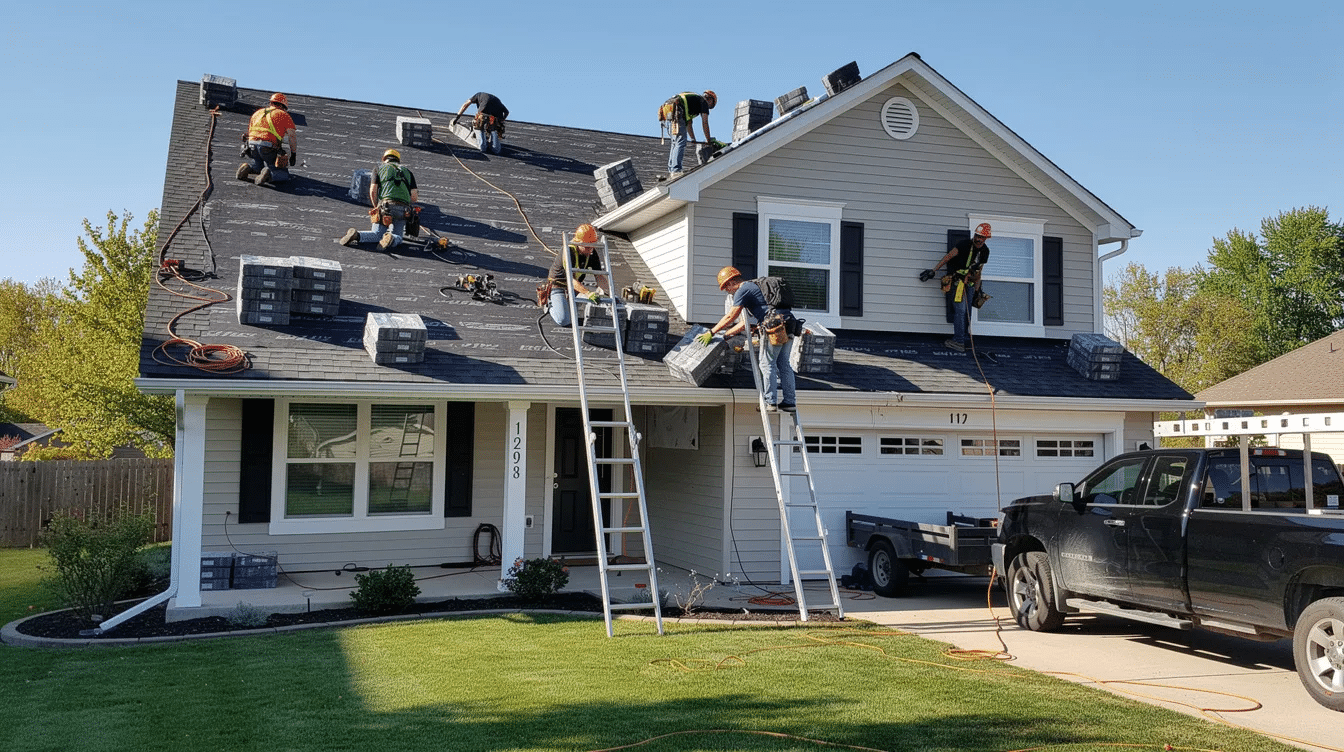
Schedule a private professional roof inspection before listing. Inspectors must report on roof-covering materials and roof structure during inspections, including remaining life expectancy, number of layers, and latent hail damage. This lets you determine what a buyer’s inspector will likely find and whether an insurance claim is worth filing.
Texas insurers may deny claims for cosmetic roof damage under a cosmetic damage exclusion endorsement, which is increasingly common in Texas policies. This endorsement denies coverage for purely aesthetic hail damage – dents or discoloration – when the roof is still watertight. Insurance won’t cover roof replacement due to age or wear either. These exclusions can complicate negotiations: a buyer may request a new roof after a hail report, but if insurance won’t cover the cost, both parties must negotiate price reductions, credits, or an as is acceptance. Review your policy’s deductible amount (often 1–2% of dwelling coverage) and age-of-roof limitations before listing to avoid surprises.
Coordinating with Your Real Estate Agent and Roofer
Loop in your realtor early to decide between pre-listing repairs, filing a claim, or adjusting the price to reflect needed roof work. Have your roofer prepare a clear scope and estimate that your agent can share with buyers to counter inflated repair assumptions.
Arrange roofer access during the buyer’s inspection period so both sides hear a professional opinion about what’s a safety issue versus normal wear. Note that Texas does not require a state license for roofing contractors, so verify insurance, references, and experience with real estate transaction timelines before hiring. Agents who keep blog updates about recent hail events and typical roof replacement costs in their market help clients make faster, better-informed decisions.
Negotiating Roof Issues During the Option Period in Texas
Texas’s option period – commonly 5–10 days under TREC contracts – is when buyers conduct inspections and can freely terminate. When roof problems surface, common negotiation paths include:
- Seller-paid roof replacement before closing
- Seller offering a repair credit at closing
- Reducing the sale price to reflect replacement cost
- Buyer accepting the roof as is and handling repairs post-closing
Lender and insurer requirements may limit choices. Some underwriters require all active leaks to be fixed or a new roof installed before funding, especially with FHA or VA loans. Use written estimates from two or three Texas roofing companies to establish a realistic cost baseline. Factor in scheduling: a typical roof replacement takes 1–3 days of work, but permits, HOA approvals, and weather windows can affect the closing timeline.
Using Credits, Escrows, and Post-Closing Repairs
A seller credit at closing – for example, $10,000 toward the buyer’s closing costs – can substitute for replacing the roof before closing. This lets the buyer choose materials like impact-resistant shingles, metal panels, or architectural asphalt, and cover the work on their own timeline.
Repair escrows, where the title company holds money until post-closing roof work is completed, are another option. However, not all lenders allow large repair escrows for roof work in TX. Confirm with the loan officer early. Clear written agreements about who selects the roofer, materials, and warranty are essential if the replacement will happen after closing – otherwise, disputes over scope and quality can lead to post-deal headaches. Foundation issues and paint touch-ups are simpler post-closing fixes; a roof is not.
FAQ: Roofing and Real Estate Transactions in Texas
Do I have to replace an old roof before selling my Texas home?
Texas law does not require automatic roof replacement. However, lenders, insurers, and buyers may effectively force the issue if the roof has active leaks, severe wear, or no life left. Many homes sell successfully with older roofs as long as there are no leaks, no major storm damage, and the condition is honestly disclosed.
Can I sell my Texas house “as is” if the roof leaks?
You can list and contract as is, but you must still disclose known leaks and past roof issues. Failing to do so risks post-closing claims. Serious leaks can cause financing and insurance problems, so even as is sellers often end up negotiating repairs, price reductions, or credits.
How much does a roof replacement typically cost in Texas during a sale?
Expect around $9,000–$15,000 for a 2,000–2,400 sq. ft. house with architectural asphalt shingles in 2025–2026. Metal, tile, or larger custom homes cost more. Prices vary by region – DFW versus austin versus coastal areas – and by roof pitch, material, and whether decking or ventilation upgrades are needed.
Will a new roof increase my home’s appraised value in Texas?
A new roof typically helps the appraiser rate the home as “well maintained,” which supports stronger value and reduces lender-required repairs. While you may not recoup every dollar, a replaced roof can prevent low appraisals, attract more offers, and shorten time on market – especially after recent hail seasons.
What should I ask a roofer before roof work tied to a home sale?
Ask about insurance coverage, experience with insurance claims, whether they work within real estate transaction timelines, and if warranties are transferable to the buyer. Get a detailed written scope including materials, ventilation changes, disposal, and expected completion date so you can coordinate with option periods and closing dates. Since Texas does not require a state license for roofing contractors, verifying credentials yourself is essential to protect your money and your deal.
*Found this blog post helpful? Share your experience or questions in the comment leave text box below – your required email address stays private. For updates subscribe to our blog updates so you never miss new content on selling, replacing, or evaluating roofs during a Texas home sale. Required submit comment fields are marked, and your required email is only used for correspondence. Use the leave text box or the required provide text box to request topics for future posts.

