
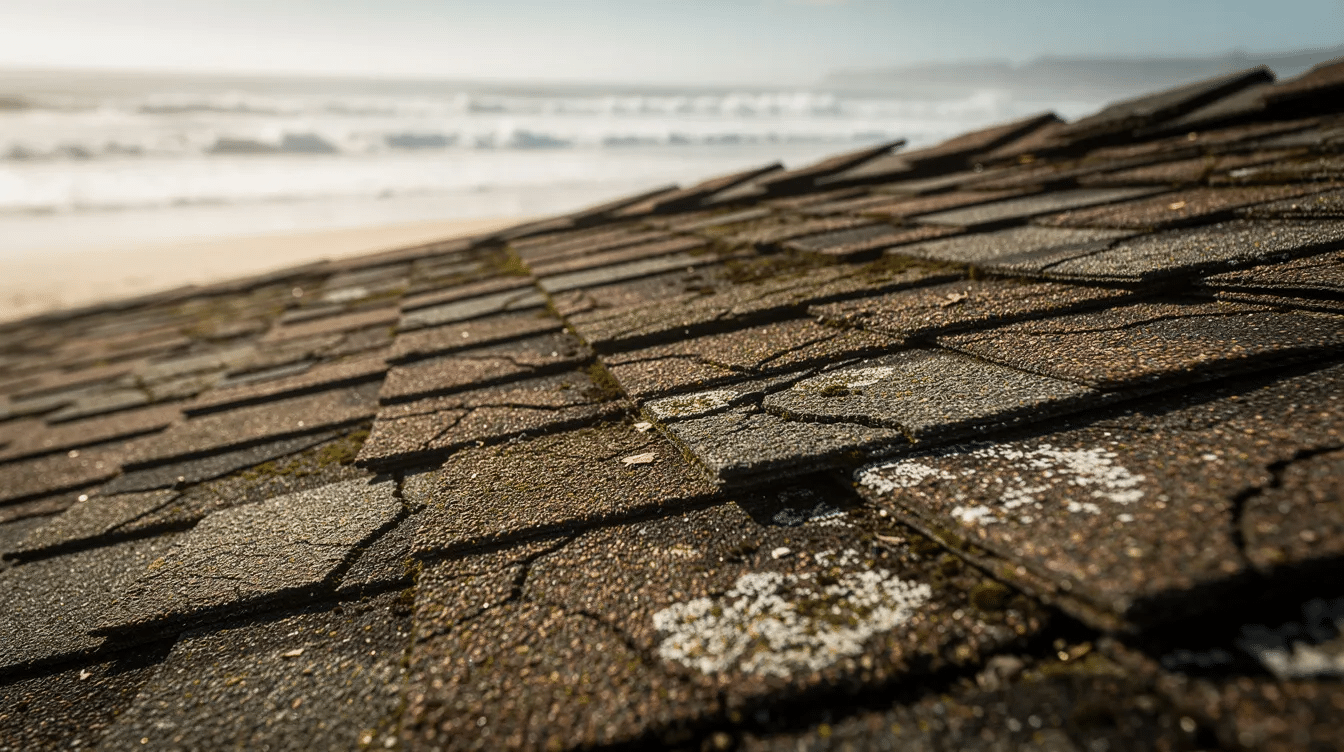
Living on the Texas Gulf Coast comes with sun, seafood, and salt air. That last one quietly wreaks havoc on your roof. Understanding how salt air damages roofs in Corpus Christi is the first step toward protecting your home from costly repairs, hidden leaks, and premature roof replacement.
Key Takeaways
- Corpus Christi’s salty Gulf air aggressively attacks metal components on roofs within a few years, especially within about a quarter mile of the bay or beach.
- Most salt air damage starts with small issues-rusted fasteners, failing flashing, and clogged, corroded gutters-that quietly turn into roof leaks and interior water damage.
- Choosing the right roofing materials (aluminum, stainless steel fasteners, Kynar-coated metal, and other salt resistant roofing materials) paired with protective coatings dramatically slows salt corrosion.
- A routine of rinsing, cleaning, and professional regular inspections can add 5–10+ years to a coastal roof’s life.
- Corpus Christi homeowners on Padre Island and along the bayfront should schedule a free roof inspection focused specifically on salt air damage.
Why Corpus Christi Roofs Suffer So Much From Salt Air
Corpus Christi sits directly on the Gulf of Mexico and Corpus Christi Bay, with persistent southeast winds pushing ocean breezes and salt spray across neighborhoods daily. This constant salt air exposure creates one of the most aggressive roofing environments in Texas.
Here’s what happens: salt particles carried by coastal winds land on your roof surfaces. Coastal winds carry microscopic salt crystals that abrade roof surfaces over time. When morning dew, humidity, or rain arrives, those particles dissolve into a salty film that clings to metal and coatings for hours. This salty moisture accelerates chemical reactions that eat through protective layers.
Neighborhoods like Padre Island, North Beach, Flour Bluff waterfront, and the Bay Area see the heaviest salt deposits because of direct onshore wind exposure. Combined with Corpus Christi’s intense UV, high humidity, and storm-driven rain, conditions are perfect for rapid roof damage.
Roofs in coastal environments deteriorate up to 60% faster than inland roofs. A roof right on the water can age decades faster than an identical roof 5–10 miles inland if it isn’t properly protected and maintained.
The Science of Salt Air Corrosion on Roofs
You don’t need a chemistry degree to understand why salt is so destructive. Salt air acts as a powerful electrolyte that accelerates wear and tear on roofs. When salt dissolves in moisture, it speeds up oxidation-the process that turns steel into rust.
Salt particles are hygroscopic, meaning they actively attract moisture from the air. Salt deposits can attract and hold moisture longer, enhancing corrosion rates even when it hasn’t rained. Microscopic salt buildup collects in seams, laps, and fastener heads. Combined with salty moisture, these spots become tiny corrosion cells that eat away metal from the inside out.
Corpus Christi’s repeated wet–dry cycles-morning dew, afternoon sun, passing showers-drive continuous expansion and contraction. This cracks protective coatings and exposes bare metal. Even “coated” metals fail when protective paint or finishes are scratched during installation or storm damage, letting salt laden moisture reach the base metal and begin coating degradation.
Roof Components Most Vulnerable to Salt Air Damage
Salt air rarely destroys a roof all at once. It starts by attacking specific weak links, primarily the metal components and connection points that hold your roofing systems together.
The most vulnerable areas include:
- Metal flashing around chimneys, walls, skylights, and roof-to-wall transitions. Standard galvanized steel flashing is usually the first to show salt damage because it’s thin, highly exposed to salt spray, and often cut during installation. Salt air causes visible rust on metal flashing within 6–12 months in severe exposure zones.
- Fasteners (nails and screws), especially standard galvanized steel types. Rust on fasteners suggests early signs of salt corrosion damage. As they corrode, shingles loosen and metal panels lift, opening paths for roof leaks.
- Gutters and downspouts made from painted or galvanized steel. Standing saltwater and salt deposits corrode seams, leading to leaks at fascia boards and soffits. Trapped moisture behind corroded gutters accelerates wood rot.
- Roof edges and drip edge along eaves, where cheaper metals or poor protective coatings break down quickly near the coast.
- Small penetrations like roof vents, pipe boots with metal collars, satellite brackets, and HVAC curbs. Salt air also contributes to the breakdown of sealants and caulking on roofs, making these spots common sources of hidden salt air damage.
How Salt Air Affects Different Roofing Materials
Not all roofing materials behave the same in Corpus Christi’s salty air, and material choice strongly affects a roof’s lifespan. Here’s how different roofing materials hold up:
Asphalt shingles: Salt air doesn’t dissolve asphalt itself, but salt accelerates granule loss on asphalt shingles by 40–50%. Once protective granules are stripped, UV damage and cracking accelerate rapidly. Salt moisture can cause granule loss and brittleness in asphalt shingles, while salt exposure leads to accelerated aging of asphalt shingles in coastal environments. Retained moisture from salt also creates an ideal environment for algae and mold growth. Architectural shingles last longer than 3-tab shingles in salt air, but even premium shingles rarely exceed 15 years in severe exposure zones.
Metal roofing: Metal roofs resist corrosion better than traditional materials, but performance varies dramatically by substrate. Uncoated or low-grade painted steel can pit, blister, and show surface rust under persistent salt spray. Higher-end options like aluminum panels and Kynar-coated steel resist salt air corrosion far better, with lifespans reaching 40–50 years even near the water.
Tile roofs (concrete or clay): Tile and slate are immune to salt damage but need protected fasteners. However, porous concrete tiles can absorb moisture. Salt can induce efflorescence and spalling in concrete or clay tiles. Cracked tiles can result from salt absorption in porous materials, especially when tiles aren’t factory-sealed.
Flat roofs (TPO, modified bitumen): Salt itself is less damaging to membranes, but corroded metal edge details, scuppers and drains on flat roofs often become leak points in coastal buildings. Moisture buildup around corroded metal components compromises the entire system.
When shopping for replacements, ask specifically for salt resistant roofing materials rated for coastal and high-salt environments.
Warning Signs of Salt Air Damage on Corpus Christi Roofs
Catching salt air damage early in Corpus Christi often means a small roof repair instead of a full replacement. Here’s what to watch for:
Obvious visual signs:
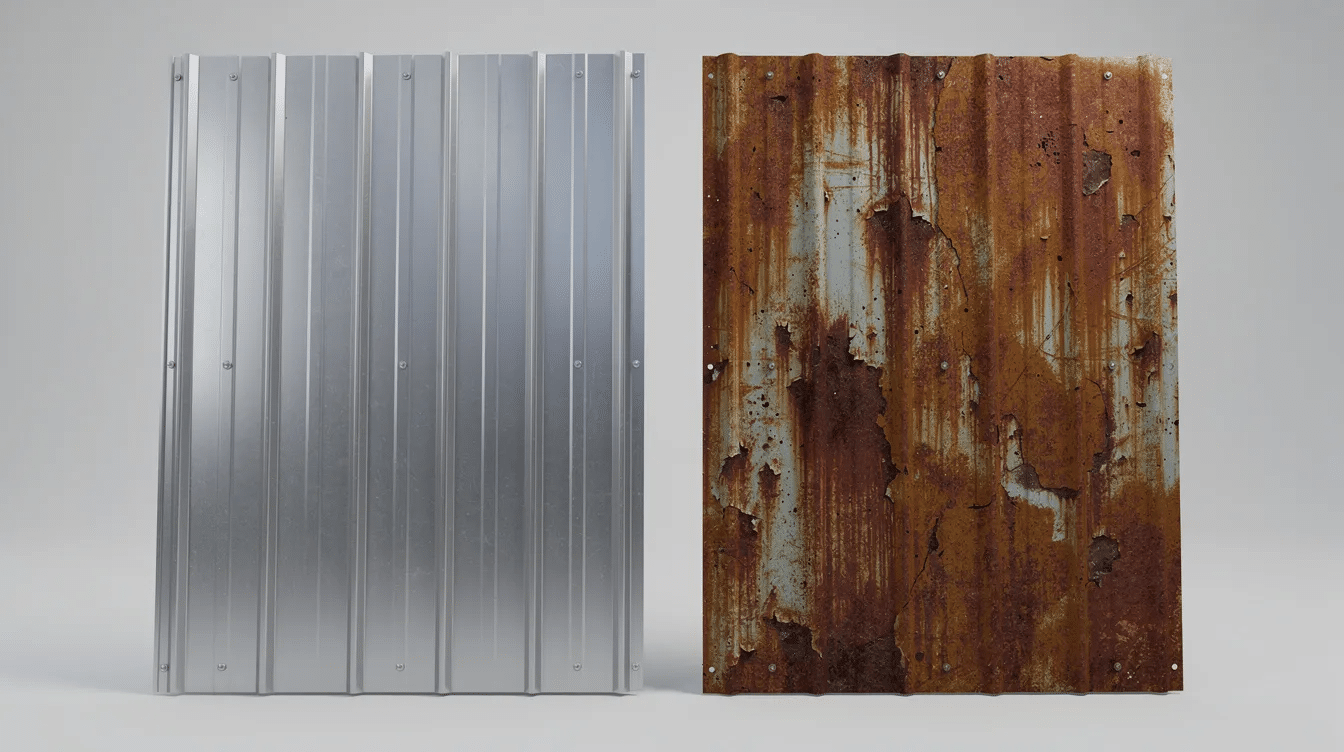
- Orange or brown rust streaks on metal flashing and gutters
- Flaking or bubbling protective paint on metal components
- White crusty salt deposits along roof edges and valleys
- Missing shingles or visible rust around exposed fastener heads
Subtle clues:
- Discolored shingle edges near metal valleys
- Slightly lifted shingles around rusted nails
- Algae or moss growth, which indicates prolonged moisture from salt air
- Visible corrosion on metal components indicates salt exposure even where leaks haven’t started yet
Performance symptoms:
- New interior leaks during wind-driven rain
- Damp spots on fascia boards
- Unexplained staining on ceilings below valleys and chimneys
Rust stains and missing granules are signs of salt exposure on roofs. Corrosion can occur in hidden areas, making inspection difficult, which is why coastal homeowners in high-exposure areas should schedule annual inspections targeting salt air damage specifically.
Shortened Service Life: Timelines for Salt Air Damage in Corpus Christi
Location and material choice dramatically change how quickly salt damage appears on a coastal roof. Salt air can lead to premature failure of roofing materials, and salt air can reduce a metal roof’s lifespan by 10–15 years compared to the same system installed inland.
| Exposure Zone | Distance from Water | Galvanized Steel Lifespan | Premium Metal Lifespan |
|---|---|---|---|
| Severe | 0–1,500 ft (¼ mile) | 3–5 years to visible rust | 40–50+ years |
| High | 1,500 ft–1 mile | 8–15 years | 30–40 years |
| Moderate | 1–3 miles inland | 15–20 years | 40+ years |
For homes in Calallen, Annaville, or the far Southside, the same metal components might last 8–15 years before heavy rust appears. Structural roof damage-rotted decking around corroded fasteners and chronic roof leaks-often follows 5–10 years after the first visible signs if issues go unaddressed.
Anytime a roof is replaced near the waterfront, upgrade the specification to coastal-grade metals and protective coatings to avoid repeating the same premature failure.
Best Materials and Protective Coatings for Coastal Corpus Christi Roofs
Choosing the right roofing materials and protective coatings for Corpus Christi means thinking about every component that touches salt laden air-not just the panels or shingles.
- Flashing: Use aluminum or copper flashing instead of basic galvanized steel in high-salt zones. Copper and zinc form protective patinas that slow corrosion naturally.
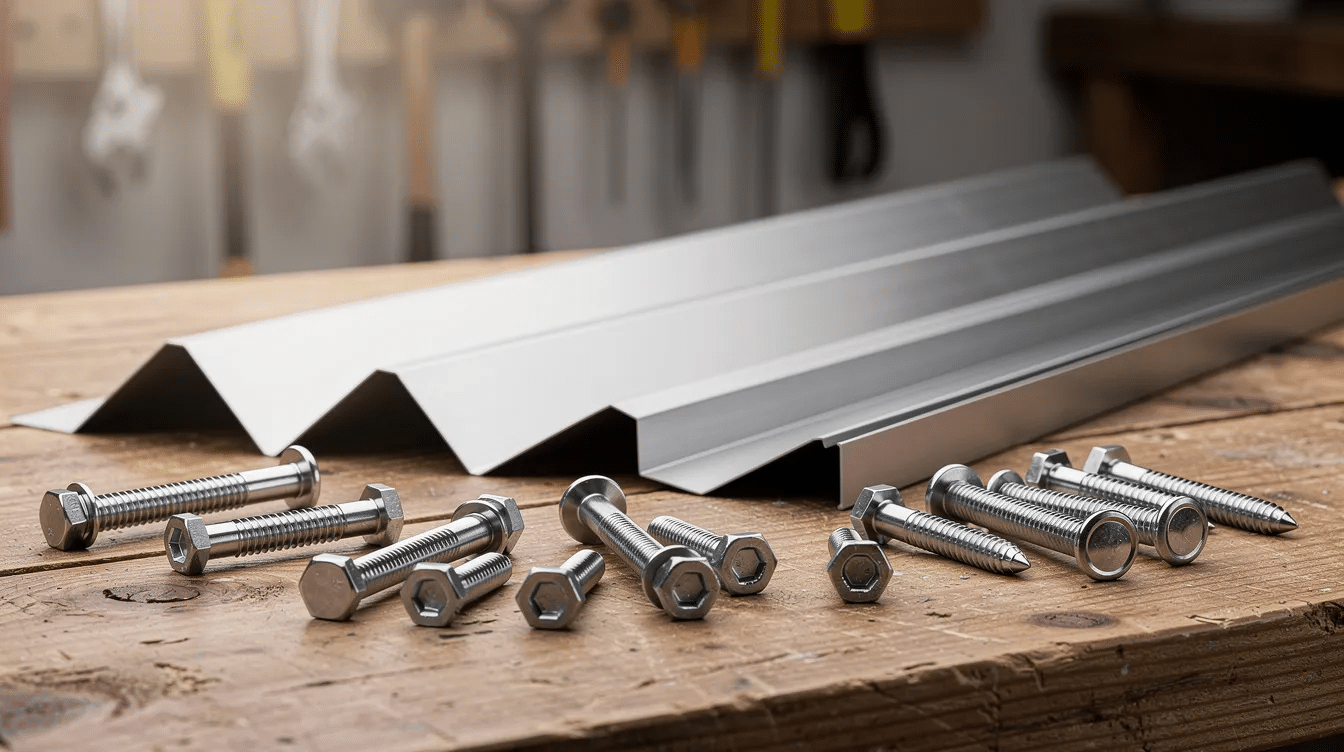
- Fasteners: Use corrosion resistant stainless steel fasteners-ideally Type 316 marine grade for bayfront and island homes, Type 304 for areas slightly farther inland. Stainless steel fasteners prevent rust in salty environments and protect metal roofing from hidden loosening.
- Metal panel coatings: Kynar-500 (PVDF) paint systems offer strong resistance to salt spray, UV, and color fading. These finishes protect metal roofing and can carry 30-year warranties when properly specified.
- Gutters: Seamless aluminum gutters with quality factory finishes outperform standard galvanized steel gutters, particularly on Gulf-facing sides.
- Shingles and tile: Choose roofing materials designed for coastal exposure-higher-grade architectural shingles, well-sealed concrete or clay tiles, and premium single-ply membranes paired with corrosion resistant edge metal for flat roofs.
- Coatings and sealants: Apply protective coatings such as zinc-rich primers, elastomeric topcoats, and marine grade sealants at cut edges per manufacturer specs and coastal best practices.
Maintenance Strategies to Slow Salt Air Damage
Even the right materials will fail early in harsh coastal environments if regular maintenance doesn’t remove salt buildup and address minor problems quickly.
- Rinse regularly: Rinse your roof twice a year to remove salt buildup using fresh water-quarterly for near-waterfront homes and after major storms with heavy salt spray. Focus on metal components and gutters with gentle, low-pressure rinsing.
- Maintain gutters: Clean gutters quarterly to prevent saltwater corrosion. Keep downspouts clear so salt laden water doesn’t sit and corrode seams, fasteners, and fascia boards. Proper drainage prevents the constant moisture that drives corrosion.
- Inspect your roof twice a year for hidden damage. Schedule professional inspections focused on salt air damage, roof leaks, and storm damage-especially after tropical storms, high winds, or hail. Proper ventilation should also be checked to prevent condensation and moisture buildup from the interior.
- Make minor repairs promptly. Replacing a few rusted fasteners, touching up protective coatings, or resealing flashing prevents far costlier repairs later.
- Document everything. Photos and notes showing proactive maintenance help support insurance claims if future roof damage is tied to salt or storms.
How Storms and High Winds Make Salt Air Problems Worse
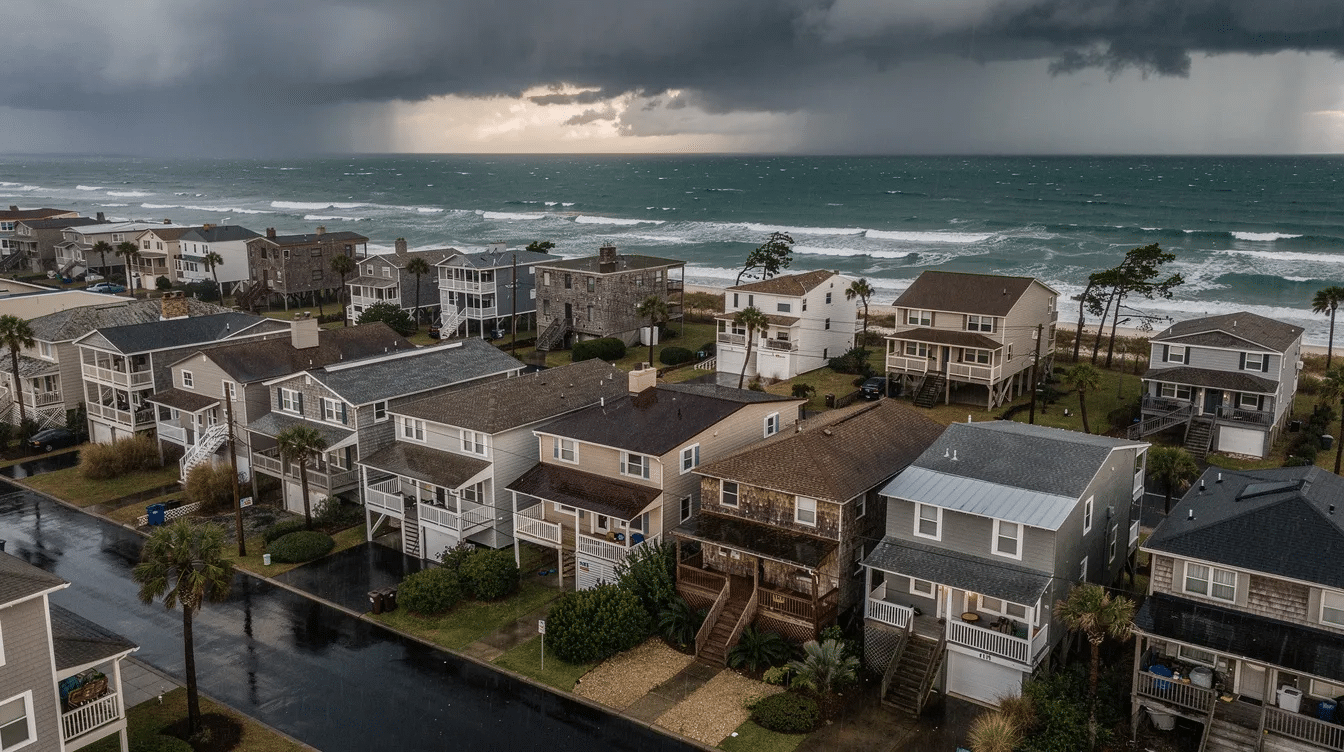
Salt air damage and Corpus Christi’s frequent high winds, tropical systems, and major storms are a dangerous combination. High winds drive salty mist and salt spray farther inland and push salt laden rain under shingles and metal flashing, exposing roof decking and underlayment to corrosive moisture.
Storm damage-like lifted or missing shingles, cracked flashing, cracked tiles, and dented metal components-creates bare, unprotected surfaces. Salt deposits quickly compromise metal components at those exposed spots. Corrosion can weaken roofing components and fasteners under strong coastal winds, creating a cycle where each storm accelerates the next round of damage.
Repeated exposure to wind-driven rain strips protective coatings, exposing raw metal and shortening the life of even high-quality roofing materials in salty environments. Schedule inspections after each major Gulf storm not only for obvious storm damage but to check for new salt damage and hidden corrosion before roof leaks start.
FAQ: Salt Air Damage to Roofs in Corpus Christi
How close to the water does salt air start to be a serious problem for roofs?
Homes within about ¼–½ mile of Corpus Christi Bay, Oso Bay, or the Gulf (Padre Island and Mustang Island) see the heaviest salt spray exposure and fastest metal corrosion. However, salt particles can still travel several miles inland on strong onshore ocean breezes, so even homes in the Southside or Calallen area benefit from better materials and maintenance.
Does salt air damage only metal roofs, or also shingle roofs?
Salt air primarily attacks metal components-flashing, fasteners, gutters, vents-on both metal and shingle roofs. On shingle roofs, asphalt shingles may lose protective granules due to salt, and once salt corrosion weakens surrounding metal parts, water gets behind shingles and causes roof leaks, rot, and premature shingle failure.
Can regular rinsing with a garden hose really make a difference?
Yes. Rinsing with fresh water removes surface salt deposits before they concentrate into a corrosive film that eats away protective coatings and base metals. Use gentle, low-pressure rinsing focused on metal components and gutters. Avoid high-pressure washing that can strip granules or damage protective coatings on shingles and metal panels.
How often should I have my coastal Corpus Christi roof inspected?
At least one professional inspection per year for most Corpus Christi homes, and twice a year for houses near the water or with older roofs. Add extra inspections after major storms, high wind events, or hail to catch combined storm and salt air impacts before interior leaks start.
Is it worth reroofing early just to upgrade to salt resistant materials?
For roofs showing widespread corrosion on flashing, fasteners, and gutters, early replacement with coastal-grade materials can be more cost-effective than constant patching. Upgrading to aluminum, stainless fasteners, Kynar-coated panels, and other different roofing materials designed for coastal living can significantly extend your roof’s life in Corpus Christi’s harsh coastal environment and save you from repeated costly repairs down the road.

