
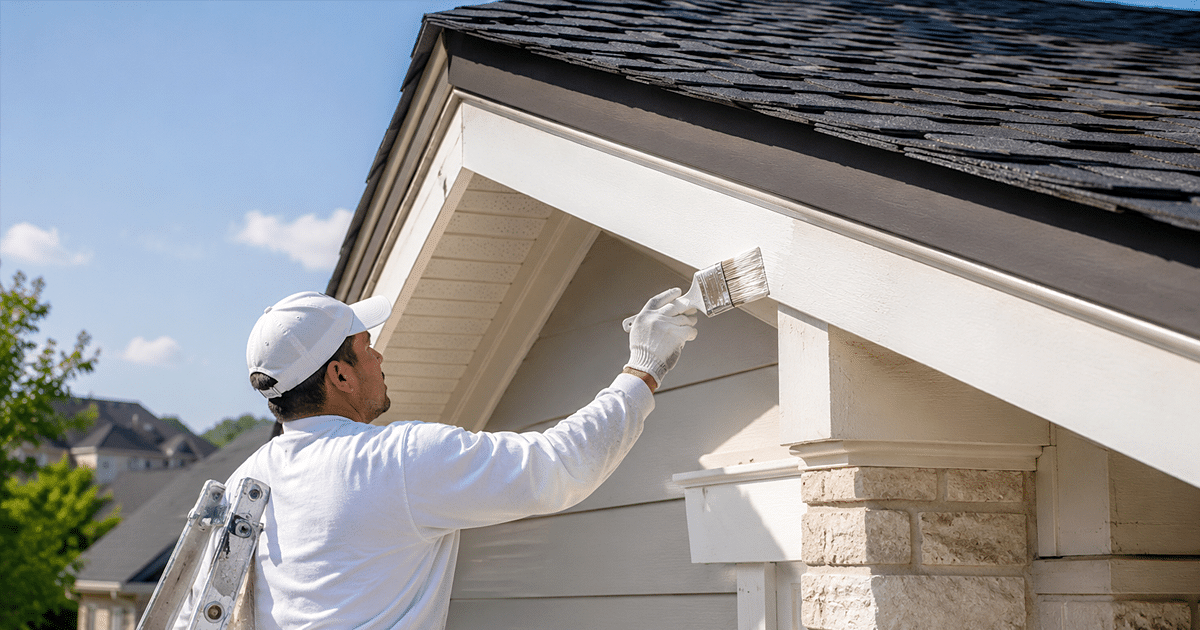
A new roof is one of the biggest upgrades you can make to your home’s exterior. But in Austin, TX, a fresh roof also has a way of exposing every bit of weathered trim, faded siding, and chalky fascia that you may have been ignoring. Knowing what should be repainted when you replace a roof in Austin can make the difference between a finished-looking project and one that highlights years of wear. During a roof replacement in Austin, it is also a good time to evaluate aging exterior paint around the fascia, soffits, siding, and other areas near the roofline.
Key Takeaways
- Most Austin roof replacement projects should include repainting fascia boards, soffits, roof-edge trim, and often several areas of siding for a seamless, protected finish.
- Ja-Mar Roofing & Sheet Metal handles both roofing and exterior painting, so homeowners can coordinate their new roof and repainting with one local Austin contractor.
- Texas sun, 100°F+ summer heat, and recent storm seasons often leave roofline wood and metal chalky or peeling, making repainting essential when a new roof goes on.
- Repainting around roof repair or full roof replacement prevents moisture damage, hides old shingle lines, and boosts curb appeal for resale in Austin’s competitive housing market.
- A post-roof exterior paint plan should be customized based on roof age, roofing material, storm damage history, and how visible the roofline is from the street.
Why Roof Replacement and Repainting Usually Go Together in Austin
Roof replacement often impacts surrounding interior and exterior areas that most homeowners don’t anticipate. Once roofers tear off an old roof, they disturb drip edges, gutters, and flashing, which chips or scratches the existing exterior paint around the roofline. The result is a crisp new roof sitting on top of visibly tired trim and walls.
Austin’s climate accelerates this contrast. Summer temperatures can reach an average of 95.9°F, and the city receives about 10.34 inches of rain from March to May alone. That cycle of intense heat and driving rain breaks down paint faster than in milder regions. Exterior paint lasts about seven to ten years in Texas, and along the roofline-where UV exposure and moisture are most concentrated-failure often happens sooner.
Spring and fall are often favorable times for roof replacement in Austin, TX, because moderate temperatures can make both roofing and exterior paint work easier to schedule. Austin homeowners can still complete a roof replacement or roof repair during other parts of the year when weather conditions allow. Combining roofing and paint with one of the contractors coordinating both scopes can reduce scheduling gaps and help protect newly completed work. Not every roofing problem requires a full replacement, but as roof age, storm damage, and the need for repeated repairs increase, the amount of exterior paint work around the roofline may grow too.
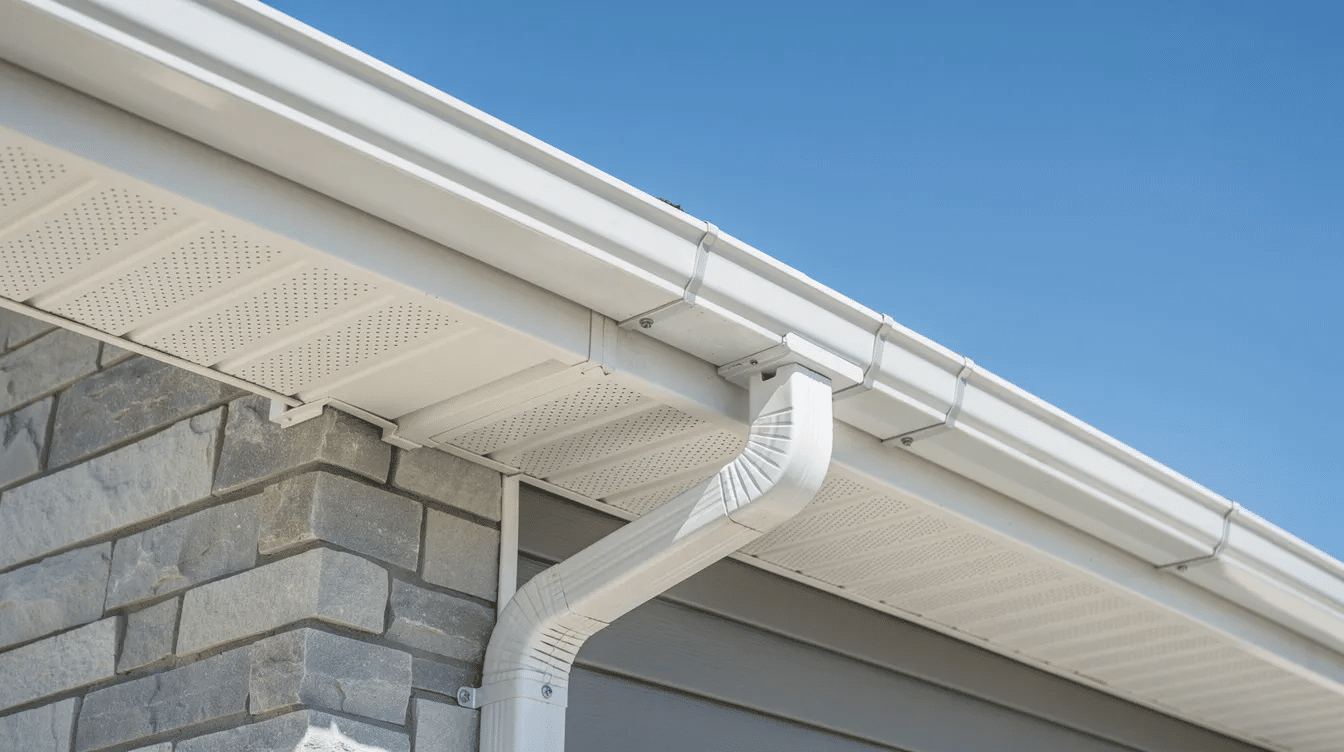
Fascia Boards: The First Place to Repaint After a New Roof
Fascia boards-the vertical trim behind your gutters and drip edge-are one of the first areas to inspect during a full roof replacement. Drip edge sits directly against the fascia, and gutters may also be detached or worked around depending on the project, which can expose faded paint, old fastener marks, or areas that need touch-ups once the roofing work is complete.
Common fascia issues in the Austin area include peeling paint from past leaks, soft wood from hail and rain events, and granule staining from old shingles. Peeling paint indicates underlying moisture issues, and if the wood itself is spongy or crumbling, fresh paint alone won’t fix rotted fascia boards. Those sections need replacement first. Raw or unpainted wood trim exposed during roofing can quickly deteriorate in Austin’s humidity, so priming and painting new fascia should happen within days, not weeks.
When roofers change roofing material thickness-say from 3-tab to architectural shingles or to metal roofing-old paint lines on fascia become visible. Repainting eliminates those ghost lines and gives you a chance to update your trim color for better curb appeal.
Soffits and Eaves: Ventilation, Protection, and Fresh Paint
Soffits are the horizontal underside of roof overhangs, and they take a beating when crews remove shingles, drip edge, and gutters during the project. Homes built from the 1970s through 2000s often have wood or fiber cement soffits whose paint is chalky or flaking by the time a new roof is needed.
After roof work, walk your eaves and check for:
- Mold or mildew staining around soffit vents
- Wasp or insect damage
- Bubbling or peeling paint from past roof leaks
Active moisture should be addressed before repainting to prevent mold growth. Painting over damp surfaces can lead to peeling paint and water damage, undoing your investment. Exterior paint provides a protective coating against moisture for wood siding and soffits alike, so once surfaces are dry and prepped, use a low-sheen, durable 100% acrylic exterior paint rated for high-UV and high-humidity exposure. This paint selection handles Austin’s heat and holds up under the eaves where moisture lingers.
Roof-Edge Trim, Barge Boards, and Fascia Metal Wraps
Roof-edge trim includes barge boards on gable ends, decorative rakes, and any metal-wrapped fascia. Replacing shingles or switching roofing material can leave visible outlines where the old drip edge and flashing once sat against painted trim.
Proper surface preparation prevents early paint peeling-light sanding removes ghost lines, nail marks, and minor damage from tear-off tools. Many Austin homes in neighborhoods like Circle C, Pflugerville, and Cedar Park have painted metal fascia wraps that fade under severe weather and UV. These should be cleaned and repainted or replaced during roof replacement. Timely painting is crucial in intense climates to protect altered materials from accelerated degradation.
When coordinating colors, consider how your new roof reads against existing trim. Moving from light shingles to a dark standing-seam metal roof, for instance, can make warm-toned trim look washed out-an easy fix with a fresh coat in the right shade.
Gutters, Downspouts, and Behind-the-Gutter Paint Lines
During a roof replacement, gutters and downspouts may be removed, temporarily detached, or carefully worked around depending on the home’s exterior and the detailed scope of the project. Roofing ladders, tear-off debris, and normal crew activity can sometimes scratch painted gutters or downspouts, leaving areas that need exterior paint touch-ups. If gutters are detached, homeowners may also notice visible “tan lines” where the old paint behind them has faded differently from the exposed walls and trim.
If gutters are replaced along with the new roof, it’s an ideal time to choose matching or complementary gutter and paint colors. Repainting behind reinstalled gutters-and touching up brackets, downspout straps, and splash areas at grade-creates a uniform look. Ja-Mar Roofing & Sheet Metal can coordinate roof, gutter, and paint schedules so gutter installation doesn’t damage fresh paint.
Siding Near the Roofline: Where Roof Replacement Makes Paint Look Old
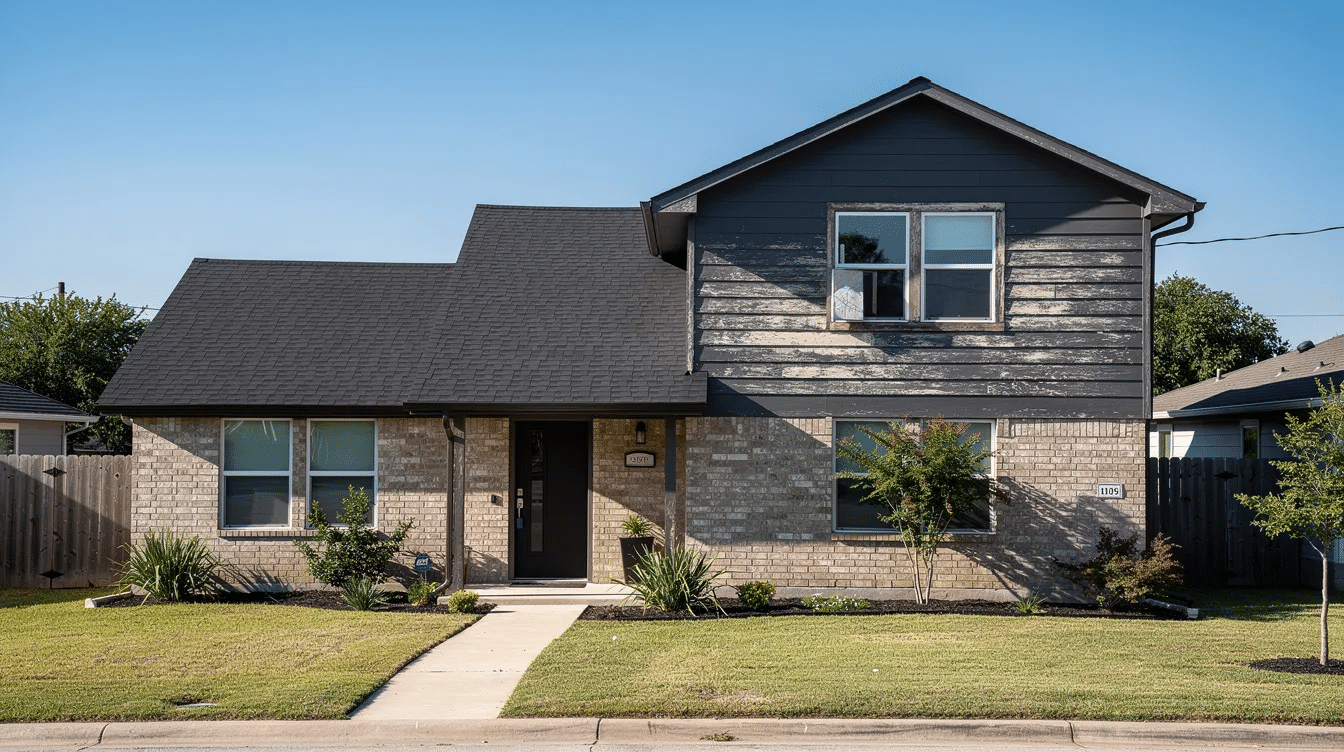
The condition of siding near the roofline is affected during roof work, and it shows. The upper band of siding-especially on gable ends and two-story walls-often looks more worn once a crisp new roof is installed. In Austin’s sun, south- and west-facing siding chalks and fades long before the rest of the house.
Water stains from old roof leaks can bleed through new exterior paint if the damaged area is not properly cleaned, dried, and sealed with an appropriate stain-blocking primer first. Any active leak or roof repair should be completed before repainting begins. Cracked stucco near the roofline can also lead to paint failure and moisture intrusion behind the wall. For James Hardie siding, fiber cement, or wood siding, repainting after roof replacement helps protect exposed materials from further weathering and moisture while giving the home’s exterior a more consistent finished appearance.
At minimum, repaint the top several rows of siding or full walls where the contrast between old exterior paint and a new roof is most visible from the street.
Chimneys, Dormers, and Other Roof Projections
Structures that break through the roof-chimneys, shed dormers, doghouse dormers, and parapet walls-often need new flashing and then repainting. Inspection should focus on areas disturbed during roofing work, because new metal counter-flashing or cricket installation around masonry chimneys can scratch or cover old paint lines on adjacent trim.
Interior ceilings and upper walls need attention after roof leaks too, particularly around dormers where previous water intrusion may have stained drywall. On the outside, repaint chimney trim boards, stucco or siding on dormer walls, and any faded metal chimney caps. Austin homes with painted stucco or Hardie-board-clad dormers benefit from coordinated roofing and painting to avoid patchy-looking repairs and to seal around fasteners and seams.
Front Entry, Garage Trim, and Other Highly Visible Areas
While not structurally tied to roof replacement, front doors, garage doors, and entry trim often look dated once a new roof is installed. Roofing tear-off scatters granules, dirt, and dust that can stain nearby trim, windows, and doors.
Use the replacement as a cue to refresh your home’s exterior on the front elevation:
- Garage door trim and overhead fascia
- Front porch columns and railings
- Shutters and window trim
Coordinated color updates-roof, fascia, shutters, and front door-can significantly increase perceived value in the Austin, TX real-estate market. Ja-Mar Roofing & Sheet Metal can plan these repainting tasks immediately after the new roof is watertight, minimizing disruption for homeowners.
How Roof Age, Roofing Material, and Storm Damage Affect What You Repaint
A roof’s age significantly affects repair or replacement decisions, and it also determines how much repainting you’ll need. Asphalt shingle roofs last 15 to 25 years in Austin, and by that point, exterior paint along trim and fascia is almost always at the end of its useful life. A roof under seven years old rarely needs replacing because of normal wear alone, and a targeted roof repair is often the better choice for a relatively young roof with isolated damage. However, significant storm damage, hail damage, damaged decking, or problems affecting several areas can still make a full replacement necessary. Repeated repairs on an old roof can cost more than replacement, especially when each roof repair addresses only one part of a larger roofing problem. Replacement is better when damage appears in multiple areas or the roof’s condition suggests additional repairs are likely.
Changing materials-from asphalt shingle to architectural or metal-alters how trim colors read under different light and shadow. Storm damage often requires a roof replacement, especially after hail, while minor wind damage can often be repaired on newer roofs without a full replacement.
Here’s a quick cost snapshot for context:
| Cost Factor | Typical Range |
|---|---|
| Full roof replacement in Austin | $9,500–$30,000 |
| Labor (% of total) | Roughly 50% of the total project cost |
| Tear-off per square foot | $1.50–$3.25 |
| Permits in Austin | Typically $200–$600 |
Roof size is the biggest cost driver for replacements. Insurance-covered storm damage claims sometimes allow for repainting of damaged areas adjacent to the roof, but homeowners should ask adjusters specifically about what exterior paint repairs are covered. The Texas Department of Insurance notes that cosmetic damage exclusions may apply, so document everything.
Coordinating Roofing and Exterior Painting With Ja-Mar Roofing & Sheet Metal
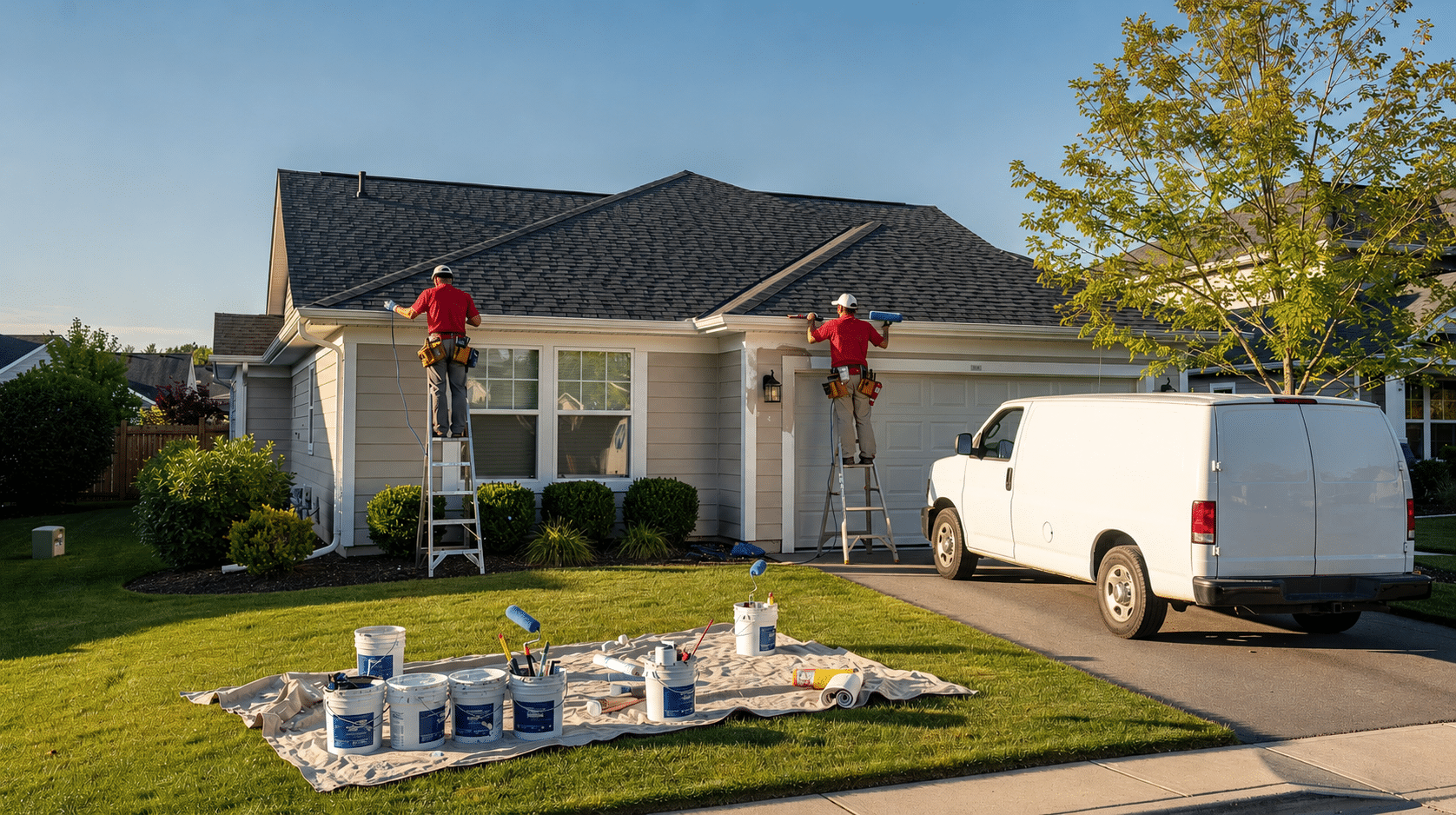
Unlike many Austin roofers, Ja-Mar Roofing & Sheet Metal offers both roof replacement and roof repair alongside professional exterior painting in-house. Having one contractor handle both reduces scheduling conflicts, protects fresh paint from accidental roofing damage, and simplifies warranties.
Exterior painting can usually begin once the roofing work is complete and the areas being painted are clean, properly prepared, and dry enough for the exterior paint being used. There is no need to delay painting simply to let a new roof “settle.” Fall offers cooler conditions after summer for both roof replacement and painting, while moderate temperatures can also help exterior paint apply and cure properly.
Here’s how a combined project typically flows:
- Roof inspection and detailed scope of roofing work
- Exterior paint inspection to determine what needs repainting
- Roof replacement with crews completing all flashing, ridge vent, and gutter work
- Paint scope finalized-colors chosen, estimates confirmed with each line item
- Painting begins once the roof is watertight and the surfaces are properly prepared and dry
- Final walk-through covering roof and paint together
This combined approach delivers the best value for homes across Austin and surrounding areas, from older bungalows to newer suburban builds. Schedule a roof and exterior paint assessment with Ja-Mar Roofing & Sheet Metal after any major roofing work to decide what your house needs.
Frequently Asked Questions About Repainting After Roof Replacement in Austin
Do I have to repaint my whole house when I replace my roof?
Usually not. Repainting focused areas-fascia, soffits, roof-edge trim, and nearby siding-often gives the best visual return. A full exterior repaint makes sense when you have very faded 10–15+ year-old paint, multiple storm damage repairs, or a major color change with the new roof. Get a combined roofing and exterior paint quote to compare partial versus full repaint cost and save where you can.
When is the best time to schedule exterior painting after a new roof?
Repainting should come after the roof is fully installed, inspected, and gutters are rehung-but before months of sun and rain hit exposed new wood or patched areas. Winter in Austin has typical daytime highs in the mid-60s, which is workable for modern paints, though spring and fall remain the sweet spot. Coordinate with your roofing crew so painters are not working under active tear-off or installation. Contractors at Ja-Mar handle this scheduling in-house.
Will roof replacement damage my existing exterior paint?
Careful contractors protect exterior paint as much as possible, but minor scuffs or exposed paint lines can appear where drip edge, flashing, or gutters are removed or worked around during a roof replacement. Some homes need only small exterior paint touch-ups along the roof edge, while others need more repainting depending on the home’s exterior and the detailed scope of work. Choosing a roofer that also handles exterior painting, such as Ja-Mar Roofing & Sheet Metal, can reduce handoffs between crews. Homeowners comparing contractors may also encounter companies such as Driftwood Builders Roofing or Driftwood Builders in the Austin area, so compare the roofing, painting, and repair scope line by line rather than assuming every contractor includes the same work. Austin Energy offers several energy-efficiency programs, but homeowners should not assume a standard residential roof replacement or products such as synthetic underlayment automatically qualify for a rebate. Check current eligibility before work begins.
Can insurance help pay for repainting after hail or storm damage?
Insurance policies sometimes cover repainting where storm damage has directly impacted siding, trim, gutters, or other parts of the home’s exterior along with the roof. Document all visible storm damage with photos, notes, and measurements, and ask your adjuster specifically what exterior paint repairs are covered under your policy. Ja-Mar Roofing & Sheet Metal can provide photos and a detailed scope of observed damage to help homeowners discuss the claim with their insurer. Keep in mind that a roofing problem requires clear documentation, and cosmetic damage may be excluded depending on the policy. Damaged decking, tile, shingles, or other roof components should also be documented, but whether insurance pays for a repair or full replacement depends on the cause of damage, the roof’s condition, applicable policy language, and the insurer’s coverage determination.
How do I choose exterior paint colors that work with my new roof?
The new roof color is your starting point. Warm-toned roofs (brown, reddish) pair well with creams, tans, and earth tones. Cool gray or black roofs complement whites, grays, and blues. Sample paint swatches near the roofline at different times of day-Austin sun can dramatically change how colors look between morning and afternoon. An experienced painting team like the one at Ja-Mar Roofing & Sheet Metal can suggest proven roof-and-trim combinations for almost anything from classic to modern that hold up in local light and weather, helping you get the maintenance cycle and materials right from the start.

