
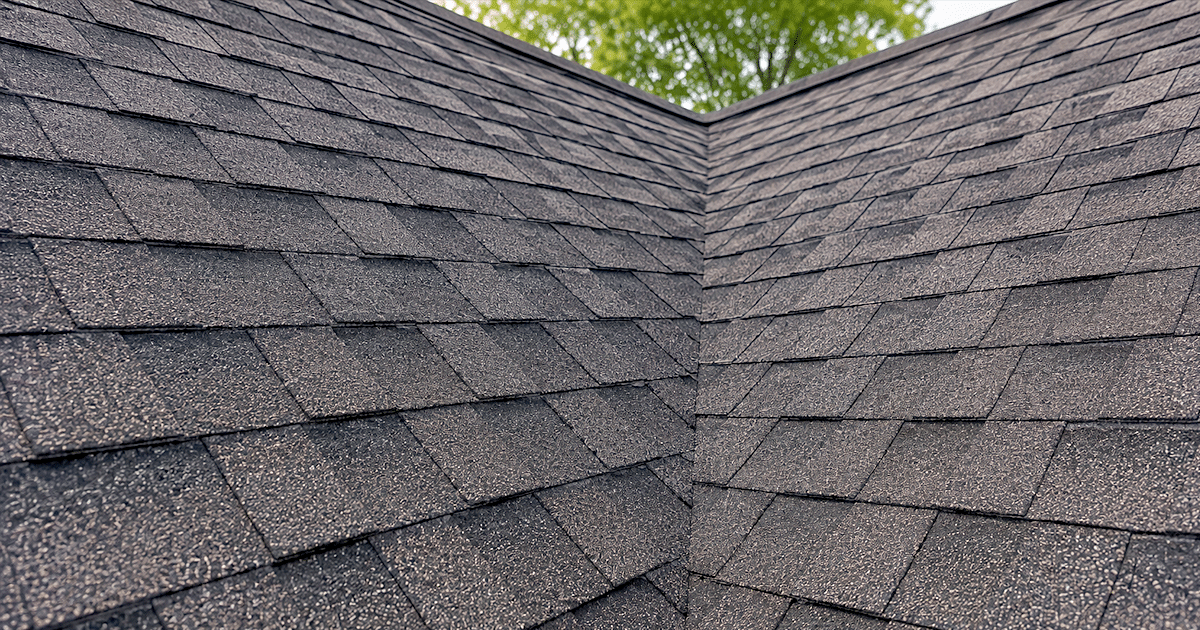
Why roof valleys leak and why they can be tricky to repair comes down largely to where they sit in the roofing system. A roof valley collects runoff from two roof planes and carries that concentrated water flow toward the gutters, so even a small problem with shingles, flashing, underlayment, or debris buildup can lead to a leak. If you’ve been chasing a mysterious roof leak or watching ceiling stains slowly grow, the valley may be the source—even when the water shows up several feet away from where it entered. That’s also why valley repairs usually require more than simply sealing the first damaged area you can see.
Key Takeaways
- A roof valley is the V-shaped intersection where two roof planes meet. This channel handles concentrated water flow from both roof planes, making it one of the more leak-prone areas of the roofing system when materials age, debris builds up, or installation details fail.
- Most leaking roof valley issues trace back to concentrated water flow, deteriorated flashing, missing ice and water shield, debris buildup, and small installation mistakes that stay hidden for years.
- Valley repairs are tricky because water can travel along decking far from the actual leak point, the repair sits directly in the main water path, and fixing just the visible damaged area often fails unless the roofer opens and rebuilds the entire affected section.
- Different valley types-open valleys, closed-cut, woven valleys, and metal W valleys-each fail in different ways. Correct diagnosis is critical before attempting valley repairs.
- Recurring valley problems on roofs installed in the early 2000s can signal that the entire valley system or whole roof is nearing the end of its service life rather than needing another patch.
What Is a Roof Valley and Why Does It Leak So Often?
A roof valley is the internal angle where two roof planes meet, forming a trough that directs rainwater toward gutters or lower roof sections. Roof valleys are the V-shaped intersections that collect runoff from both sides, meaning every square foot of upper roof surface drains toward them. Roof valleys handle more water than any other roof part.
During a 1–2 inch rainstorm, a typical 30-foot roof valley can channel a large amount of water in a short period, depending on how much roof surface drains into it. That concentrated water flow makes valleys the most stressed area of any roofing system and a common origin of roof leaks, especially after 10–20 years of service.
A leaking roof valley doesn’t always drip directly underneath itself. Water can enter at the valley and show up as ceiling stains several feet away, confusing homeowners who may suspect plumbing or window problems instead. A properly built roof valley works in layers: underlayment or ice and water shield on the deck, then flashing or metal-aluminum, galvanized steel, or copper-then shingles or tiles arranged to direct water into the valley channel.
How Roof Valleys Work: Water Flow and Weak Points
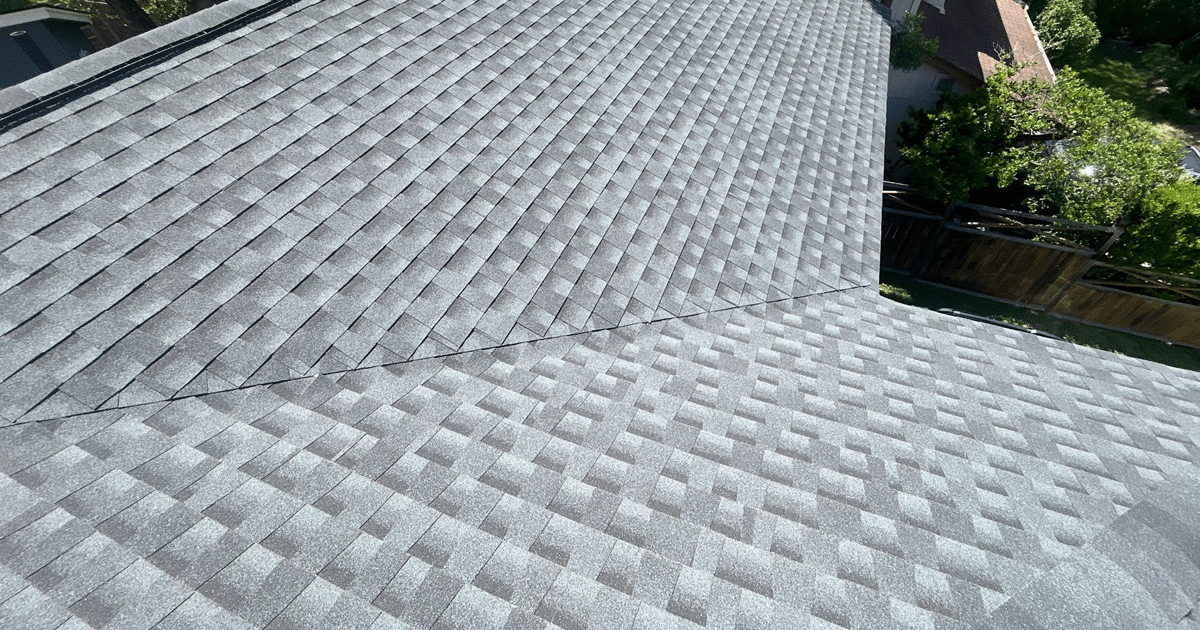
Rainwater moves across the entire roof surface and is funneled into roof valleys before reaching gutters and downspouts. Think of valleys as engineered water highways. Any interruption in smooth water flow-dips, humps, poorly aligned surrounding shingles, exposed nail heads-becomes an instant vulnerability.
In heavy rain, wind-driven water can push sideways or even uphill in the valley, exposing gaps in underlayment or flashing and turning a tiny flaw into a leak. Ice and water shield membranes are crucial for valley waterproofing, serving as the last line of defense when shingles lift, crack, or lose their seal. This is especially true in climates with freeze–thaw cycles or ice dams.
Nails or fasteners driven too close to the valley centerline-or through metal without proper sealing-are classic weak points. These tend to leak as the roof ages because constant moisture exposure degrades even sealed nail heads over time.
Types of Roof Valleys and How They Tend to Fail
The design of the roof valley-whether open, closed-cut, woven, or metal W-greatly affects how it handles water and how it may eventually leak. Some designs prioritize appearance with hidden metal and a seamless shingle look, while others prioritize performance with exposed metal channels. Leaks often occur when flashing deteriorates or shingles crack, regardless of type. No valley type is immune to failure; installation quality, compatible materials, and local climate matter more than the design name alone. Most homeowners don’t know which valley type they have until a roofer inspects or opens the valley areas for repair.
Open Valleys
Open valleys use visible metal linings for drainage. Shingles are cut back from the center, leaving a strip of metal-often aluminum flashing, galvanized steel, or copper-exposed to carry the bulk of the water flow. They shed water efficiently when the metal is intact and sloped correctly, making them common in regions with heavy rain or large roof areas.
Typical failure modes include rust or corrosion of galvanized steel, punctures from foot traffic, poorly lapped metal seams, and fasteners placed in the exposed water path. Flashing in roof valleys can corrode or rust over time, and debris accumulation along the cut shingle edges can trap moisture on the metal, accelerating corrosion and leading to valley problems after 15–20 years.
Closed-Cut Valleys
Closed valleys are covered completely with shingles. In a closed-cut design, shingles from one side run across the valley while shingles from the other slope are cut neatly along a straight line, hiding most of the valley metal beneath.
These valleys rely heavily on precise cutting and nail placement. Cuts made too wide or too tight can misdirect water or trap debris. Leaks often start where nails are driven too close to the cut line, or where the underlying ice and water shield or flashing is missing or improperly overlapped. Closed valleys can trap debris more easily than open valleys, making them less forgiving in heavy debris or snow areas.
Woven Valleys and Woven Roof Valleys
A woven valley interlaces shingles from both roof planes across the valley, creating a crisscross pattern instead of a visible cut line. While woven valleys can work with some shingles, they are not appropriate for every roofing system and can fail where shingle layers do not conform properly under concentrated water flow. Improper weaving is a common installation error.
Woven valleys can trap debris and hold moisture, leading to granule loss, curling, and cracks that eventually cause a leaking roof valley. Many modern roofers avoid woven valleys on steep or long roof sections because of their higher leak risk. Woven valleys require professional installation to avoid leaks-this is not a place to cut corners.
Metal W Valleys and Specialty Designs
Metal W valleys can be a durable and protective option when properly designed and installed. A W-shaped metal channel is installed over a fully waterproofed underlayment, with shingles or tiles stopping short of the central “W” so water is split and carried cleanly down the valley. This design reduces the chance of more water crossing from one side to the other and is considered a premium choice for high-volume runoff areas.
Even W valleys can fail if the metal is too thin, the wrong material is used for the climate, or the installer nails through the center instead of only at the edges. California valleys use vertically installed shingles along one side, blending cost-saving installation with specific shingle layouts. These hybrids must be matched properly to roof pitch and local weather to avoid long-term valley problems.
Why Roof Valleys Fail Faster Than the Rest of the Roof
Valleys can show age and damage before the surrounding roof surfaces because they handle more water flow and more stress. Debris accumulation can form dams in roof valleys, preventing proper drainage. Leaves, twigs, and loose granules hold water in place instead of letting it drain, which accelerates shingle decay and metal corrosion. Debris buildup can trap moisture and lead to leaks long before the rest of the roof shows wear.
In cold climates, valleys can be vulnerable to ice dams. Ice dams can force water underneath roofing materials in roof valleys when snow melt becomes trapped behind ice and backs up under shingles and underlayment. Repeated snow melt and refreezing can compound the problem over time.
In hot or moderate climates, valley metals and shingles face harsher thermal cycling, expanding and contracting daily and loosening fasteners and sealants over time. Small original installation errors-missing ice and water shield, improperly overlapped flashing, under-sized metal, or nails too close to the valley center-often remain hidden until the roof is 10–15 years old and the first really heavy storm exposes them.
Why Valley Leaks Are Hard to Spot and Easy to Misdiagnose
Water rarely drips straight down from where it enters. Water can travel along roof decking before appearing as a ceiling stain, complicating leak diagnosis. Hidden damage in roof valleys may not appear until leaks show up on interior surfaces months or even years later.
Water stains may appear several feet away from the valley line, sometimes along interior walls, leading homeowners to suspect plumbing issues or window problems instead of roof valleys. Valley leaks often occur only during specific conditions-heavy rain, long storms, wind from a particular direction, or rapid snow melt-so they seem intermittent and hard to reproduce.
Some valley problems stay hidden in the attic as damp insulation, moldy sheathing, or rusted nails. These are early warning signs that precede visible interior damage. Accurate diagnosis usually requires a close on-roof inspection, careful attic check, and sometimes temporarily lifting shingles or tiles along the valley to see the underlayment and flashing beneath.
Why Roof Valley Repairs Are So Tricky
Valley repairs are challenging because you’re working directly in the main water channel. Precise workmanship is required for repairing a roof valley due to its complex geometry, and any small mistake in alignment, slope, or seal can instantly turn into a new leak. Valleys are dangerous areas for DIY work due to their steep and slippery conditions. Roof valley repair costs commonly range from about $300 to $1,500 for a typical repair, while extensive valley repairs involving damaged underlayment, decking, or surrounding shingles can reach $2,500 to $6,000 or more. Factors influencing repair costs include damage severity, roofing materials, valley length, and labor rates.
“Spot patching” over visible cracks or a nail hole often fails because the real problem may be deeper: deteriorated underlayment, overlapping issues, or hidden rust holes farther up the valley. Valley repairs often necessitate removing multiple courses of shingles to reach the underlying damage. Effective repair typically requires replacing underlayment or ice and water shield, installing new flashing or metal, and then rebuilding the valley carefully.
Repair work must preserve proper water flow. Adding extra layers or lumpy patches can divert water sideways under neighboring shingles instead of keeping it in the valley channel. On older roofs, surrounding shingles may be brittle and break during removal, forcing a larger repair area or partial replacement to maintain a watertight transition and protect the house from water intrusion.
Common Mistakes That Make Valley Repairs Fail
Many repeat valley leaks are caused not by the original roof valley design, but by rushed valley repairs that ignore basic water flow principles. Improper installation of shingles and flashing can create direct paths for water entry in roof valleys. Common errors include:
- Nailing through the center of the valley metal where water flow is heaviest
- Using roofing cement as the primary fix instead of as a supplement
- Layering new shingles over saturated or rotten decking
- Replacing only a short section of valley metal without proper seam overlaps
Using incompatible metals-for example, placing copper directly against galvanized steel-can cause galvanic corrosion, speeding up valley failure after the repair. Without addressing underlying causes like chronic debris buildup, gutter problems, or insufficient ice and water shield, any cosmetic repair will likely fail again within a few seasons. You can’t just seal a point of entry and expect it to hold when the other part of the system is compromised.
When a Leaking Roof Valley Signals Bigger Roof Problems
While some valley issues are isolated, recurring valley leaks can be the first visible sign that the whole roofing system is reaching the end of its roof’s lifespan. On roofs 15–25 years old, valley failures can coincide with widespread granule loss, cracked shingles, aging galvanized steel, and brittle underlayment across the roof.
If multiple roof valleys are leaking, or if valley repairs keep failing in different spots, it may be more economical to replace the entire valley system or the whole roof rather than keep patching. Timely repairs are cheaper than replacing damaged roof decking. Extensive rot in the valley decking, mold in attic spaces, or sagging along the valley line are red flags indicating structural damage, not just a surface leak.
Homeowners should get a comprehensive roof inspection report before deciding between repeated valley repairs and full replacement, especially if they plan to stay in the home long term.
How to Reduce the Risk of Future Valley Problems
Although valleys are naturally vulnerable, careful design, quality materials, and regular maintenance drastically cut the risk of water damage. Proper valley repairs can help extend the roof’s lifespan when the surrounding roofing system is still in good condition.
- Use quality underlayment. Install ice and water shield specifically in roof valleys, extending about 18 inches onto each slope from the centerline, even if the rest of the roof uses standard felt or synthetic underlayment.
- Specify corrosion-resistant metal. Use painted steel, aluminum flashing, or copper instead of the thinnest galvanized steel, particularly in coastal or high-rainfall areas. Choose materials that won’t fail in your climate.
- Remove debris regularly. Clean roof valleys at least twice per year, and more often under trees, to prevent debris buildup that blocks water flow and traps moisture. Have stubborn debris accumulation removed carefully so the metal flashing isn’t scratched or damaged.
- Replace damaged flashing. Don’t wait for a leak to replace flashing that shows signs of rust, corrosion, or lifted seams.
- Schedule professional inspections. Inspect roof valleys after severe weather events. Annual inspections can identify hidden valley problems before they cause interior damage. Hiring experienced contractors ensures proper valley installation and drainage.
FAQ
These FAQs address common homeowner questions about roof valley leaks and repairs not fully covered above.
How do I know if my roof leak is really coming from a valley?
Look for ceiling stains that line up roughly under where two roof slopes meet outside, leaks that appear mainly during long or wind-driven storms, and visible rust, cracking, or shingle damage along the valley. The most reliable confirmation comes from a combined attic inspection-tracing water trails back toward the valley-and an exterior check during or right after heavy rain. Water intrusion from valleys often leaves telltale moisture trails on rafters or sheathing that lead directly back to the valley point.
Can a roof valley be repaired without replacing the whole roof?
In many cases, yes. Roofers can remove shingles along the affected valley, replace underlayment and metal, and reinstall new roofing materials in that zone while leaving the rest of the roof in place. This approach is practical when the surrounding roof is still in good condition and not at the end of its expected service life. It can also prevent water intrusion from spreading to other areas of the house.
Is galvanized steel still a good choice for roof valleys?
Galvanized steel can perform well for 20–30 years when properly installed, but it can rust or corrode sooner in coastal, humid, or other harsh environments as the protective coating wears down. Painted steel, aluminum, or copper valleys offer better long-term resistance, especially where roof valleys see high water volume or salt exposure. If you’re in a mild, dry climate, galvanized steel remains acceptable-just inspect it regularly for signs of corrosion.
Why does my valley only leak in heavy or wind-driven rain?
Small gaps in flashing, underlayment laps, or shingle joints may only be exposed when wind pushes water sideways or uphill, or when water volume exceeds what the valley can normally handle. This pattern is common with marginal valley details that are “almost” watertight under light rain but fail under storm conditions. The valley simply can’t move the runoff fast enough, and water backs up into seams it wouldn’t normally reach.
Should I try to seal a leaking valley with roof cement or caulk myself?
While small amounts of sealant can provide a temporary emergency stopgap, relying on caulk or cement as a long-term solution in a roof valley often traps water and fails quickly under constant moisture and temperature swings. Professional evaluation is recommended for any valley leak, since proper repair usually involves opening the valley, replacing compromised materials, and restoring correct water flow-not just surface sealing over the lead cause.

