

Tile Roof Leaks in San Antonio even when the tiles still look perfect from the driveway, which can make a leaking roof especially frustrating for homeowners. Across the San Antonio area, homeowners with clay or concrete tile roofs often discover that the real problem isn’t the tile at all—it’s what’s hidden underneath. This article covers the common causes of tile roof leaks, how to spot warning signs, and what repair options make sense for your situation.
Key Takeaways
- A tile roof can leak even when every visible tile looks intact. Tiles shed most rainwater but are not fully waterproof-underlayment, flashing, and sealant do the actual waterproofing work beneath the surface.
- San Antonio’s intense heat, UV exposure, and occasional hail accelerate wear on underlayment and flashing long before the tile itself shows damage.
- Water can travel several feet beneath the tile and along decking before appearing as water stains on your ceiling, so the visible drip is rarely the true entry point.
- Common causes of tile roof leaks include cracked tiles and degraded underlayment, failed flashing at chimneys and valleys, and deteriorated pipe boots around penetrations.
- The article walks through inspection methods, localized repairs, lift-and-relay work, and when a larger roofing solution may be needed.
Can a Tile Roof Leak Even If the Tiles Are Not Broken?
Yes, a tile roof in San Antonio can leak even when every visible tile looks intact. Tiles act as a water-shedding layer but rely on underlayment for waterproofing. The underlayment is the final line of defense against leaks, and when it deteriorates, water reaches the decking no matter how good the tile looks.
In greater San Antonio, prolonged heat and UV exposure can dry out older felt underlayment until it cracks at nail holes and overlaps. Aged sealant around pipe boots, rusted flashing, and clogged valleys are all hidden failure points that let moisture through while the tile above appears fine.
The rest of this article explains how tile roof systems work, why underlayment fails before the tile, where leaks typically show up, and what your realistic repair options look like.
How Tile Roof Systems Work in San Antonio
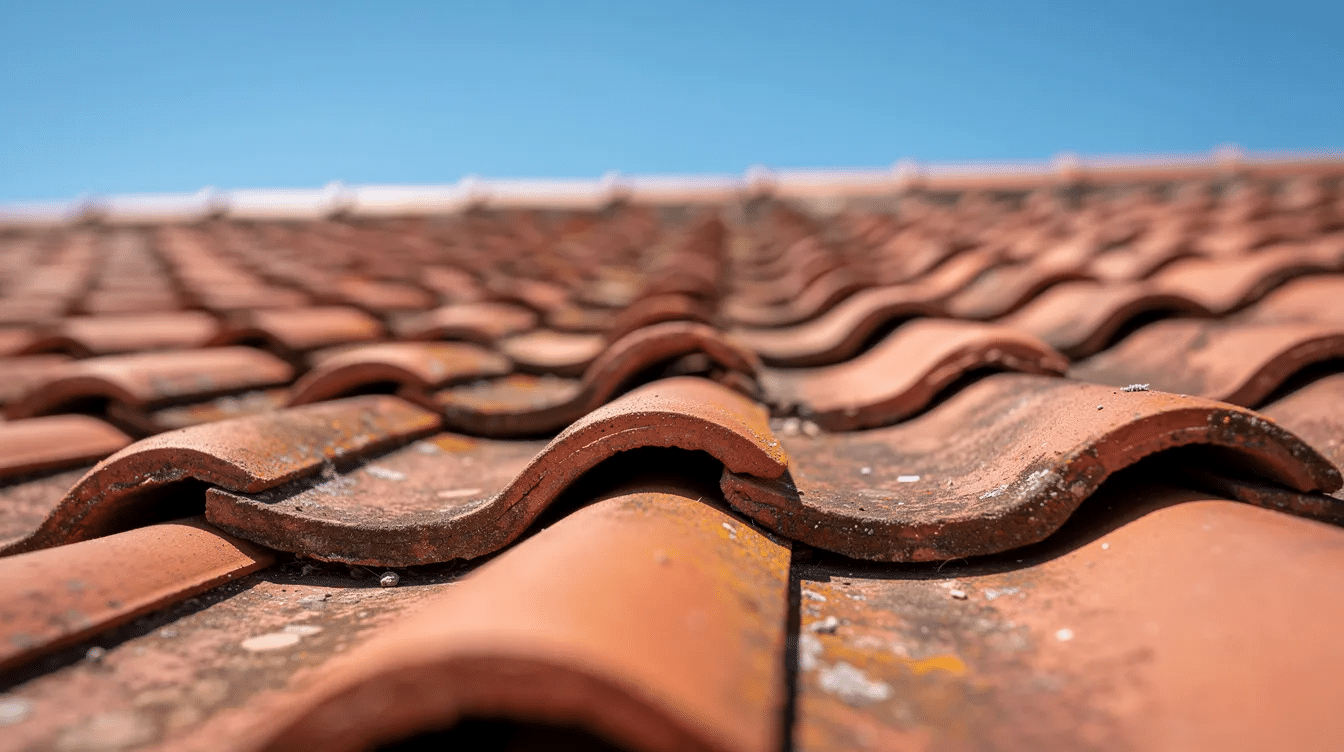
On most San Antonio homes with tile, the system is layered: wood decking over rafters, an underlayment membrane on the decking, sometimes battens, then clay or concrete tile on top. Each layer plays a significant role.
The underlayment-whether older felt paper or newer synthetic materials-sits directly on the decking and does the heavy waterproofing work. Tile roofs shed most rainwater, but during heavy rains or wind-driven storms, water gets under the tile. That’s where underlayment and properly installed flashing at chimneys, skylights, roof-to-wall joints, and vents must stop water intrusion.
Quality materials matter. Older felt underlayment degrades faster than modern synthetic options, though actual service life depends on installation, slope, ventilation, and sun exposure. Flashing integrates with underlayment around every penetration and transition to keep the system sealed. When any of these roofing materials fail, leaks follow-even with perfect tile overhead.
Common Causes of Tile Roof Leaks in Greater San Antonio
Aging roofs often cause leaks in San Antonio, and the causes are usually hiding beneath intact tile:
- Aging underlayment: The most frequent cause on tile roofs that have been in service 15+ years. The tile still looks strong, but the membrane beneath has dried, cracked, or pulled away.
- Climate stress: San Antonio experiences recurring thunderstorms, heavy rains, hail, and high winds that can place added stress on tile roofs, underlayment, flashing, and other common leak points. Add 200+ sunny days with temperatures regularly above 100°F, and you get relentless UV that degrades underlayment and sealants. Wind-lifted shingles can expose roofs to leaks on neighboring asphalt shingle systems; on tile roofs, strong winds loosen tiles and stress flashing instead.
- Problem areas: Valleys, roof-to-wall transitions, pipe penetrations, satellite mounts, skylights, and chimneys are all frequent leak points.
- Installation issues: Underlayment that was never lapped correctly, flashing not woven with the membrane, or tiles cut too tight around vents-these mistakes on some San Antonio homes create leak paths from day one.
- Localized tile damage: Foot traffic from AC technicians or satellite installers can crack or shift tiles, letting more water reach already aging underlayment and accelerating the damage.
Why Tile Roof Underlayment Fails Before the Tiles
Tile roofs can last for decades. Clay tile regularly outlasts 50 years; concrete tile often goes 30–60 years. But underlayment may last roughly 15 to 30 years depending on the material, installation quality, roof design, ventilation, and exposure—and some systems can deteriorate sooner under harsh conditions.
Here’s why the hidden layer fails first:
- Heat and UV: High temperatures and intense sun exposure accelerate underlayment degradation. UV exposure in San Antonio can degrade underlayment materials, especially on south- and west-facing slopes where attic temps can climb above 120°F.
- Thermal cycling: Day-to-night temperature swings cause materials to expand and contract. Over years, thermal cycling can cause underlayment to become brittle and crack around fasteners and overlaps.
- Trapped water: Water accumulation in valleys or behind walls can lead to underlayment rot and failure. Poor ventilation in the attic amplifies moisture buildup beneath.
- Foot traffic: Workers walking on tile for unrelated repairs can crush tiles subtly and damage the underlayment underneath without leaving obvious signs from the ground.
Underlayment life varies by material, slope, shading, and installation quality. Don’t rely on a single number-get it inspected.
Where Tile Roofs Most Often Leak (Valleys, Flashing, and Penetrations)
Each of these areas deserves attention during any roof inspection:
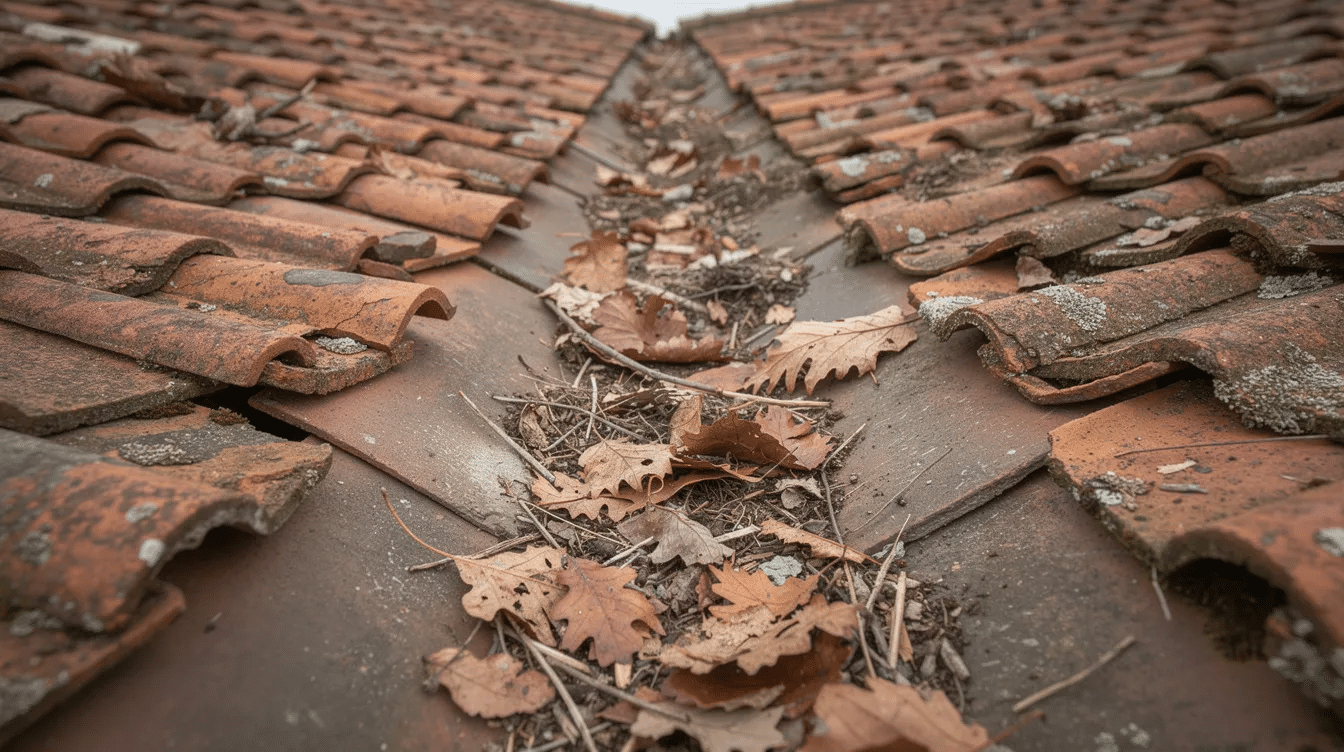
- Valleys: High water volume, debris from live oak and cedar trees, and underlayment that deteriorates under metal valley flashing. Small leaks here often go unnoticed until insulation is soaked.
- Roof-to-wall transitions: Step flashing and counter-flashing where stucco meets tile can fail as the building shifts and sealant ages, creating a direct entry point for water.
- Penetrations: Pipe boot failure is a common leak cause in San Antonio. Cracked boots, dried-out sealing compound, and poorly cut tiles around vents allow water through. As a general maintenance check, inspect pipe boots every 3–5 years for wear, and sooner if you notice cracking, dried sealant, movement, or signs of damage after severe weather.
- Chimneys: Chimney flashing failure is a common cause of roof leaks around chimney areas, especially when flashing, underlayment, or sealing materials have deteriorated over time. Pan flashing, cricket design, and counter-flashing must all work together; failures here send water far down the slope before it appears inside.
- Ridges and hips: Mortar bedding on ridge caps degrades over time, letting wind and water enter beneath.
Flashing failures around roof intersections are frequent leak points. And because water runs along underlayment and decking, roof leaks may show up many feet from the actual source.
Warning Signs of Tile Roof Leaks and Underlayment Problems
San Antonio homeowners often see interior damage long after the underlayment has begun to fail. Watch for these signs:
Indoor clues:
- Ceiling stains or yellow-brown rings after storms
- Peeling paint near the ceiling line
- Musty smells suggesting mold growth behind walls
- Drywall that feels soft around an affected area
Attic clues:
- Damp insulation after rain
- Dark streaks on the underside of decking
- Rusted roofing nails or daylight where it shouldn’t be
Exterior clues:
- Slipped, cracked, or missing tiles along walk paths
- Sagging valleys or rusted metal flashing
- Debris buildup that never dries-trapped water accelerating deterioration
Leaks that appear mainly during wind-driven spring rains can indicate flashing or underlayment lap problems rather than broken tile. Don’t wait for structural damage. And don’t climb on tile yourself-breakage risk is real. For older tile systems or roofs with a history of leaks or repairs, schedule annual roof inspections to catch issues early.
Inspection and Diagnosis: Finding the Real Source of a Tile Roof Leak
Tracing a tile roof leak is detective work. The ceiling stain rarely tells you where water is actually entering. For a tile roof, inspection often involves checking underlayment condition by lifting tiles in suspect areas-not just scanning for cracks from above.
Thorough inspections should include:
- Attic walk-through checking for moisture, staining, and nail rust
- Exterior evaluation of valleys, flashings, penetrations, and previous patch work
- Lifting selected tiles to examine underlayment laps and condition
- Photos and clear explanations so homeowners can make informed decisions
Reputable local companies, such as Ja-Mar Roofing & Sheet Metal, can evaluate tile roofs across the San Antonio area and help determine whether targeted roof leak repair, partial lift-and-relay work, or a broader solution fits. Inspections are also a good time to check gutters, downspouts, and attic ventilation-poor ventilation contributes to moisture problems beneath roofing materials.
Repair Options: From Localized Fixes to Lift-and-Relay Work
The right fix depends entirely on what the inspection finds. Repair costs vary based on roof material and damage extent.
Localized repairs: Localized leaks can often be repaired with targeted or localized repairs-replacing a cracked tile, renewing sealant and boots at a pipe penetration, replacing flashing around a vent, or patching a small underlayment section. Most common repairs range from $300 to $1,200. In the right situation, a $600 repair can extend roof life by 10 years, particularly when the problem is isolated and the surrounding tile, underlayment, flashing, and decking remain in good condition. Common repairs include flashing replacement costing $400–$1,500. A properly completed roof repair can extend the useful life of a roof when it addresses the actual source of the leak and the surrounding roofing materials are still in good condition. For comparison, minor shingle repairs on asphalt shingles can vary in cost depending on the extent of the damage, the number of damaged shingles or missing shingles, and whether shingle replacement is needed.
Lift-and-relay: Older roofs may require a lift-and-relay process to replace underlayment. Tiles are carefully removed, underlayment and any damaged flashing are replaced, decking is inspected and repaired where needed, then the existing tiles are reinstalled. Only cracked or unusable tiles get replaced. This preserves your tile investment at a fraction of full replacement cost.
When more is needed: Repairs for severe leaks can exceed $1,000 depending on damage, and extensive repairs can exceed $1,000 and reach $3,000. If multiple slopes show heavy underlayment decay, structural damage to decking, or wind damage has loosened tile across the roof, a more extensive roofing solution may be necessary. Temporary fixes may include tarping or other short-term measures to protect interiors while planning a proper roof leak repair. Labor rates in San Antonio range from $50 to $80 per hour.
Poor repairs or improper access can exacerbate tile roof issues, so always use a roofer experienced with tile systems.

When to Call a Professional and How It Ties Into Other San Antonio Roofing Services
Act quickly when you notice active dripping, growing stains, or recurring musty smells. Don’t wait for costly repairs and interior damage to escalate. Tile roofs are easy to damage underfoot-DIY attempts risk making things worse.
A professional evaluation of a leaking tile roof often connects with broader services like San Antonio roof repair, ongoing residential roofing maintenance, or planning a larger project. Look for insured contractors specifically experienced with clay and concrete tile systems, not just general shingle installers. Ask about their approach to diagnosis, underlayment replacement, and lift-and-relay work. Request photos of findings.
Catching underlayment and flashing issues early protects against mold growth, structural damage, and the kind of interior damage that turns a manageable roof repair into a major renovation. Clean gutters regularly to prevent water backup, ensure proper attic ventilation to prevent moisture buildup, and install gutter guards to reduce debris accumulation. Regular maintenance keeps small problems from becoming big ones.
Frequently Asked Questions About Tile Roof Leaks and Underlayment Problems
Can I tell from the ground whether my underlayment is failing?
Usually not. You may spot slipped tiles, sagging valleys, or rusted flashing, but most underlayment deterioration is invisible until tiles are lifted or the attic is inspected. A professional roof inspection is the reliable way to assess condition.
Does a single ceiling stain mean I need a full roof replacement?
Not typically. Many roof leaks can be addressed with localized roof leak repair or partial lift-and-relay. Full replacement is only needed when tile itself is failing across the roof or the extent of decking damage is severe.
How often should tile roofs be inspected in San Antonio?
Tile roofs should be inspected periodically and after significant hail, unusually strong winds, visible tile movement, or other signs that storm damage may have occurred—especially once the roof is 15+ years old or shows warning signs. The factors that matter most are age, exposure, and previous repairs.
Does homeowners insurance cover underlayment replacement?
Homeowners insurance may cover underlayment damage when it results from a covered event such as hail or high winds, while deterioration from normal aging or wear is typically treated differently under the policy. Document any storm-related damage promptly and contact your insurance carrier about its claim requirements. Your roofer can provide photos, document roof conditions, and prepare repair estimates when needed.
How long does lift-and-relay work take?
It depends on roof size, slope, and complexity. A single moderate slope may take a few days. Larger roofs with complex geometry may require a week or more.
Is it safe to walk on a tile roof?
No-tile is brittle and foot traffic can crack tiles or damage underlayment underneath. Homeowners should leave inspections and repairs to experienced professionals. Even some contractors unfamiliar with tile can cause damage.
What should I do between discovering a leak and getting repairs done?
Use buckets or plastic sheeting to protect interior spaces. Avoid painting over water stains-it hides active moisture. In the attic, place plastic beneath the affected area. Don’t attempt to fix the roof yourself.
What’s the difference between clay and concrete tile when it comes to leaks?
Both rely on the same hidden components-underlayment, flashing, and sealing-beneath them. Clay is more durable long-term, while concrete may be more prone to surface wear. But underlayment behaves similarly beneath both types, and leak causes are largely the same.
Does partial underlayment replacement make sense?
Yes, if leak and underlayment failure are limited to one slope or section and the rest is in good condition. If multiple slopes show wear, a full relay may be more cost-effective than repeated patches.
Can I ask for a free inspection to find out what’s wrong?
Many experienced roofers in San Antonio offer a free inspection or assessment. Ask upfront whether there’s a charge, what the inspection includes, and whether you’ll receive photos and a written report to help you understand the problem and make informed decisions.
Where can I learn more about San Antonio roofing services?
Tile roof leak repair connects to broader topics like San Antonio roof repair, residential roofing maintenance, and overall roofing system health. Exploring those resources gives homeowners a fuller picture of how to protect their investment over time.

