
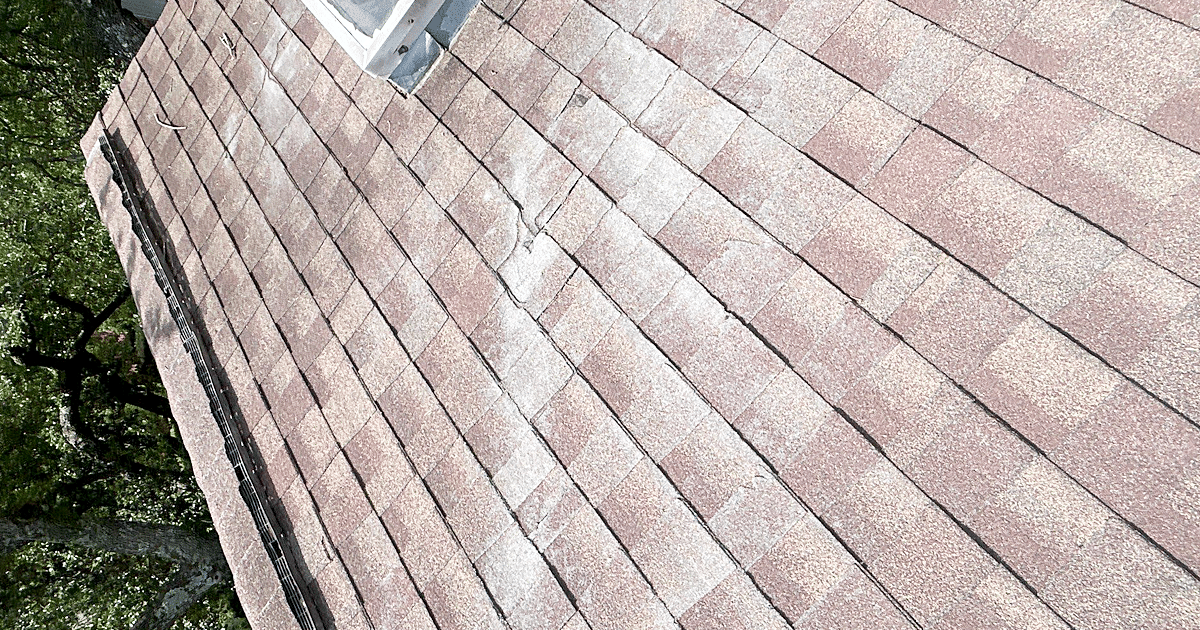
Most homeowners don’t realize how quickly the cost of delaying small roof repairs can spiral in Central Texas until they’re staring at a much larger bill than expected. What starts as a loose shingle, a cracked vent boot, or a small flashing issue often feels harmless enough to put off for another month or two. But in a region where roofs endure extreme heat, sudden cold snaps, hailstorms, and heavy rain, even minor damage rarely stays minor for long.
Across Austin, San Antonio, and surrounding Hill Country communities, small roof issues tend to compound fast. A problem that might cost a few hundred dollars to fix today can quietly spread beneath the surface, soaking decking, compressing insulation, and creating interior damage before you ever see a ceiling stain. This article breaks down why postponing small repairs costs more than most homeowners expect, how Central Texas weather accelerates that damage, and what you can do to stop a manageable repair from turning into a major expense.
Key Takeaways
- A $250–$600 roof repair in Central Texas can easily become a $3,000+ project if ignored for just one season due to extreme weather conditions.
- Austin, San Antonio, and surrounding areas experience rapid damage escalation because of 100°F+ summers, sudden cold fronts, hail, and heavy rain.
- Delaying roof repairs raises not only repair costs but also energy bills, insurance complications, and the risk of interior mold and structural damage.
- Texas insurers expect “reasonable steps” to prevent further damage—waiting too long can reduce or void your claim payouts entirely.
- Schedule a professional roof inspection before the next major storm or seasonal shift to protect your home and your wallet.
Introduction: Why Small Roof Repairs in Central Texas Can’t Wait
Last May, a homeowner in Austin noticed a few missing shingles after a spring hailstorm rolled through. The damage looked minor—maybe a $300 fix. But between summer vacations and everyday life, the repair kept getting pushed back. By October, that same homeowner was facing a $3,500 bill that included rotted decking, soaked attic insulation, and ceiling stains spreading across the master bedroom.
This story plays out across Central Texas every year. In cities like Austin, Round Rock, San Marcos, Temple, Killeen, and Waco, small roof problems rarely stay small. The combination of intense heat, high winds, spring hail, and sudden weather swings creates conditions where minor issues can spiral into costly repairs within weeks or months—not years.
This article focuses on the hidden financial cost of delaying minor roof repairs rather than simply listing basic repair prices. You’ll learn how costs multiply over time, using realistic local dollar ranges and timelines specific to Central Texas conditions. When we talk about “small roof repairs,” we mean issues like replacing a few cracked shingles, fixing damaged flashing, or replacing a single vent boot—the kind of work that feels easy to postpone.
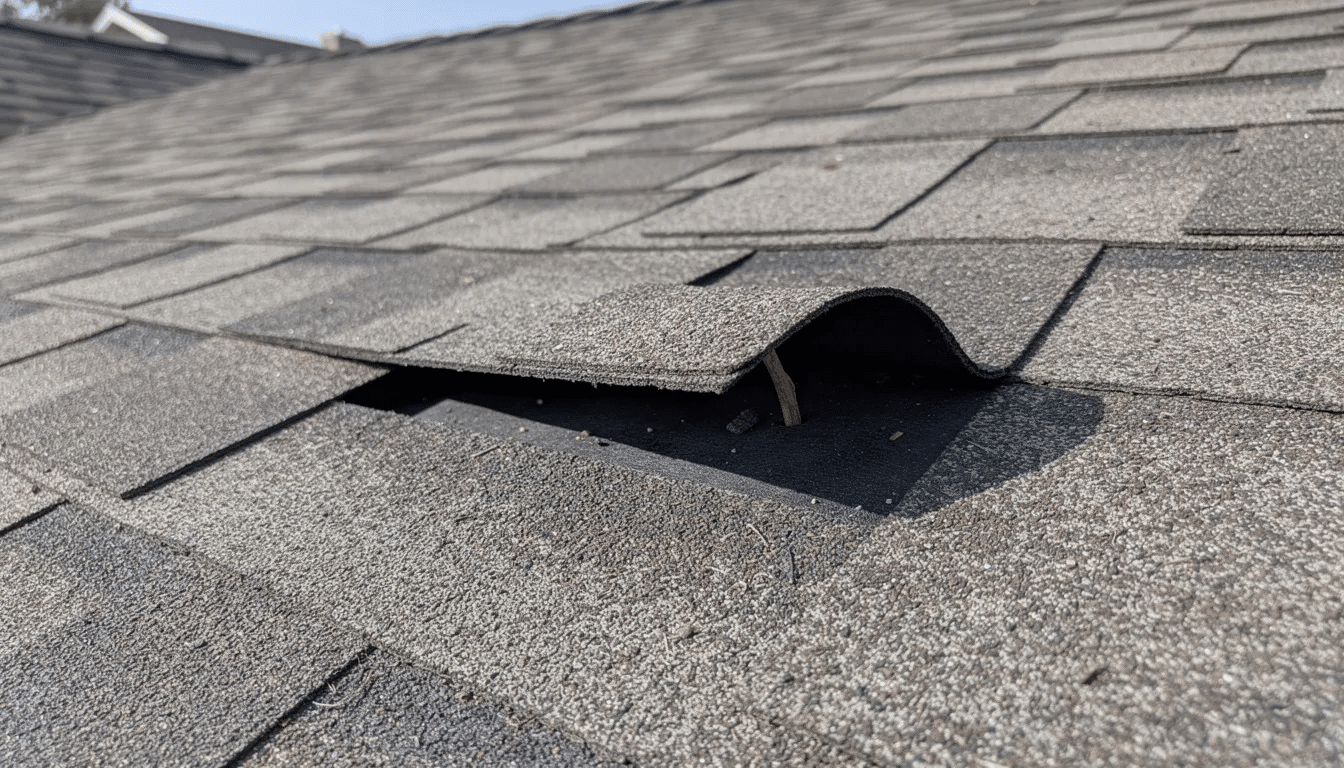
From $300 to $3,000: How Small Repairs Balloon in Just One Season
The real cost of delaying small repairs isn’t the repair itself—it’s what happens while you wait. In Central Texas, a single storm season can transform a simple fix into a partial roof reconstruction.
Here’s how a typical scenario unfolds:
| Timeline | Issue | Estimated Cost Range |
|---|---|---|
| June | Small leak around a vent boot in Cedar Park | $250–$400 |
| September | Leak has soaked roof decking and compressed insulation | $1,800–$2,500 |
| December | Interior ceiling repair, repainting, and possible mold remediation | $3,500+ |
Common 2025 cost ranges for small repairs in Central Texas:
- Replacing 3–10 asphalt shingles: $200–$600
- Resealing flashing around chimneys or vents: $150–$350
- Replacing a single vent boot: $175–$400
Most Central Texas homes have 15–25 year asphalt shingles as their primary roofing material. When your home’s roof is already 10–15 years old, minor issues deteriorate much faster than on a new roof. The shingles are already experiencing normal wear from years of UV exposure and thermal cycling.
Once water reaches the roof decking and insulation, the job transforms from a surface repair to a partial reconstruction. You’re no longer paying for a few hundred dollars in shingles—you’re paying for labor-intensive tear-out, material replacement, and potential interior work. That’s how small problems become expensive problems.
How Central Texas Weather Turns Tiny Problems into Major Damage
Central Texas weather doesn’t give your roof a break. Each season brings conditions that exploit even the smallest vulnerabilities in your roofing system.
Summer heat (June–September): Austin and San Antonio regularly see 100°F+ days for weeks at a stretch. This intense heat causes asphalt shingles to dry out, curl at the edges, and crack around any existing weak points. A shingle that was merely lifted becomes brittle and breaks. Granule loss accelerates, exposing the mat underneath to UV damage.
Sudden cold fronts (November–February): When temperatures swing 40 degrees in 24 hours, roofing materials expand and contract rapidly. This movement widens tiny gaps around nails, flashing, and vents, turning hairline cracks into active leaks. Metal roofs and flashing are particularly susceptible to these thermal cycles.
Spring hail (March–May): Texas leads the nation with over 100 hail events annually during peak seasons. Hailstones bruise shingles without necessarily breaking them—but those bruises matter. If they’re not addressed, granule loss accelerates under summer sun, and what looked like cosmetic storm damage becomes a leak by July.
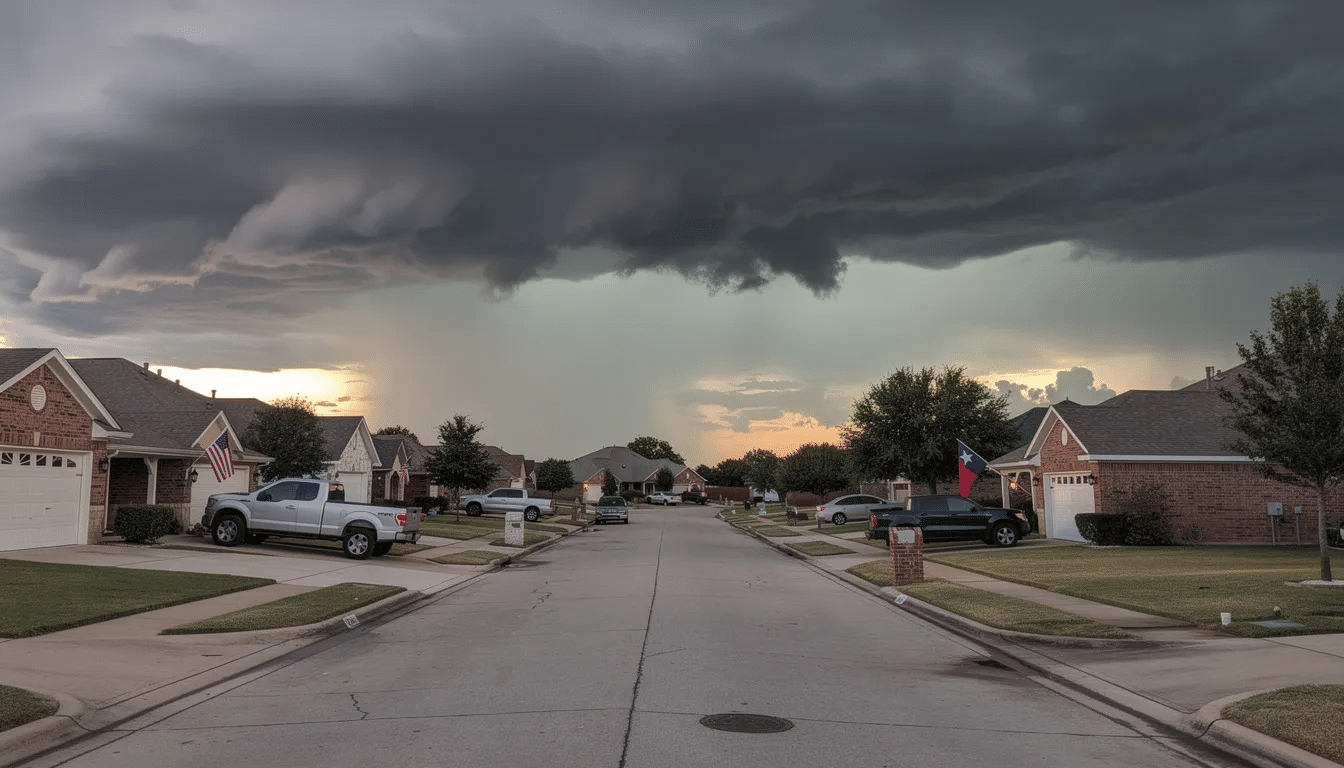
Heavy rain and training storms: Central Texas can receive several inches of rain in a single evening during major weather events. These downpours exploit any weakness—a single lifted shingle, loose flashing, or cracked vent boot becomes an entry point for water that can migrate laterally 10–20 feet under your shingles.
Visible damage on your roof is only part of the bill. The real costs often hide in your attic and walls, accumulating silently until they become impossible to ignore.
Roof decking damage: A slow leak can saturate the OSB or plywood decking that supports your shingles. Over time, you’ll notice soft spots, sagging, and eventually structural issues. Partial decking replacement typically adds $600–$1,500 to a project, depending on how much material needs removal and replacement.
Attic insulation: Once fiberglass or cellulose insulation gets wet, its R-value (thermal resistance) can drop by up to 50% as fibers clump and compress. Saturated insulation often needs complete removal and replacement, adding $800–$2,000+ to what should have been a simple repair.
Interior damage: Water stains on ceilings are just the beginning. Leaks can buckle drywall seams, damage crown molding and baseboards, and require texture matching and interior painting. These costs add up quickly when you’re paying for skilled labor.
Mold growth: In Central Texas’s humid conditions, mold can begin growing within days of a leak starting. When leaks linger more than a couple of weeks, you risk mold remediation costs of $3,000–$8,000, plus indoor air quality concerns that affect your family’s health. What started as a minor repair becomes a major restoration project.
Energy Bills and Comfort: The Quiet Cost of a “Small” Leak
The cost of delaying roof repairs extends beyond the repair bill itself. Many homeowners don’t realize their energy bills are climbing because of roof problems they haven’t addressed.
How leaks affect your energy efficiency:
- Water intrusion and repeated wet/dry cycles compress or displace attic insulation, reducing its effectiveness by 30–50%
- A hotter attic in summer means your AC runs 15–30% longer to maintain comfortable temperatures
- Air gaps near roof penetrations (vents, chimneys, skylights) create drafts that make some rooms noticeably hotter in August and colder during January cold fronts
In cities like Austin, Georgetown, and Buda, summer electric bills can easily climb $50–$150 per month higher when attic temperatures spike and insulation is compromised. Over a year, that’s $200–$500 in added utility costs—money that could have covered the original repair several times over.
These energy costs are ongoing and invisible to many homeowners, who often blame their HVAC equipment instead of deteriorating roof and attic conditions. Meanwhile, the problem gets worse with each passing storm season.
Insurance and Warranty Pitfalls When You Wait Too Long
Texas homeowners insurance generally expects you to take prompt action to prevent further damage after storms or leaks are discovered. Waiting too long can have serious consequences for your coverage.
“Duty to mitigate” clauses: Most policies contain language requiring you to take reasonable steps to prevent additional damage. Ignoring a known leak for weeks can reduce or void coverage for resulting interior and structural damage. Your insurer expects you to respond—not wait.
Covered event vs. long-term neglect: Insurance adjusters are trained to distinguish between sudden storm damage and long-term neglect. When an adjuster sees old water stains, multiple layers of visible damage, or mold growth, they may classify the damage as a maintenance issue rather than a covered event. That distinction can mean the difference between a paid claim and a denial.
Warranty complications: Manufacturer and workmanship warranties on shingles and installations typically exclude damage from lack of maintenance or failure to fix known issues. Delaying roof repairs can void protections you’re counting on.
Protecting your claim eligibility:
- Document damage with photos immediately after discovering issues
- Contact a roofing contractor promptly after hail, wind damage, or the first sign of ceiling stains
- Keep records of all communications with contractors and your insurance company
- File claims within policy timeframes (check your specific policy for deadlines)
Learn more about how to protect your roof from severe weather, including hurricanes.
Seasonal Timing: Why Waiting for the “Right Time” Can Backfire
Many homeowners delay repairs waiting for cooler weather, the holidays to pass, or “next year’s budget.” In Central Texas, this strategy almost always backfires.
The fall and winter trap: Many Central Texas homeowners delay work in late fall and early winter, not realizing that winter rains can turn September’s minor repair into February’s full replacement project. What would have been a straightforward shingle replacement becomes an emergency repair involving soaked decking and interior water damage.
Post-storm contractor demand: After major weather events like spring hailstorms or severe cold snaps, reputable roofers are in high demand. Emergency repairs and overtime work can cost 20–50% more than planned, off-peak repairs. You’ll also face longer wait times—sometimes weeks—while damage continues to spread.
The advantage of proactive scheduling: Scheduling small repairs during late summer or early fall often leads to better pricing, faster scheduling, and more thorough inspections. Contractors have more availability, and you avoid competing with every other homeowner who ignored their roof until it became an emergency.
Build roof maintenance into your calendar:
- Schedule inspections after spring storm season (late May or June)
- Check again before winter weather arrives (October or November)
- Respond immediately to any visible damage or interior warning signs
When a “Small Repair” Signals It’s Time to Think Bigger
Sometimes a minor repair is just a minor repair. But sometimes it’s a warning sign that your aging roof is nearing the end of its useful life.
Signs that repeated small issues may indicate a larger problem:
- Frequent shingle blow-offs after moderate wind events
- Repeated leaks in the same spot despite previous repairs
- Widespread granule loss visible in gutters or on the ground
- Multiple areas of cracked shingles or curling edges
- Your roof is approaching 15–25 years old (the typical lifespan for asphalt shingles in Central Texas)
When patching stops making financial sense: If your roof needs multiple $400–$800 repairs every year or two, it may be more cost-effective over 5–10 years to plan a full replacement instead of constant patching. The math changes when you’re spending $1,500+ annually on a roof that will eventually need replacement anyway.
Questions to ask your roofing contractor:
- What’s your honest estimate of this roof’s remaining useful life?
- How do the costs of continued spot repairs compare to a planned roof replacement over the next 5 years?
- Are there preventative upgrades (improved ventilation, better flashing, upgraded underlayment) that could extend the current roof’s lifespan?
Combining necessary small repairs with preventative upgrades can sometimes add years to your existing roof without the cost of a new roof.
Practical Steps to Avoid Expensive Delays
Taking action now is the single most effective way to avoid the snowball effect of delaying roof repairs. Here’s your action checklist:
1. Schedule annual professional inspections Have a roofing contractor inspect your roof at least once a year, ideally after spring hail/wind season. Also schedule an inspection after any major storm with 60+ mph winds or hail reported in your area. Professional inspections typically cost far less than emergency calls and catch small problems before they grow.
2. Perform basic visual checks twice a year From the ground, look for:
- Missing or curled shingles
- Sagging sections along the roofline
- Rusted or lifted flashing
- Dark streaks that could signal algae or moisture problems
- Falling debris from damaged areas after storms
3. Keep gutters and downspouts clear Central Texas live oaks and other trees drop significant debris. Clogged gutters cause water to back up under shingles, accelerating damage. Clean gutters at least twice yearly.
4. Respond immediately to interior warning signs Don’t ignore:
- Fresh ceiling stains or water stains on walls
- Musty smells in certain rooms
- Bubbling or peeling paint
- New cracks around the ceiling line
5. Contact a roofing contractor at the first sign of trouble Get a written estimate as soon as any small issue is noticed. Days and weeks matter in Central Texas weather. What seems like a minor issue in the warm months can become a major repair by winter.
Timely roof repairs give you peace of mind and protect your investment. The cost of a phone call and an inspection is nothing compared to the cost of waiting.
FAQ: Delaying Small Roof Repairs in Central Texas
How long can I safely wait to fix a small roof leak?
In Central Texas conditions, even a small leak should be evaluated within days, not weeks. Heavy rain or a sudden heat wave can rapidly worsen damage that seemed minor. Cosmetic issues like a slightly discolored shingle are different from missing shingles, lifted flashing, or water stains—those merit immediate professional attention.
While waiting for a roofer, take temporary mitigation steps: place buckets to catch water, move belongings away from affected areas, and document the damage with photos. But don’t let temporary measures become permanent procrastination.
Is it cheaper to wait and bundle several small roof repairs together?
While bundling can reduce trip charges, waiting for issues to “add up” risks compounding water damage that far outweighs any minor savings. Address any problem involving active leaking or exposed underlayment immediately.
For truly minor, non-leaking cosmetic fixes, bundling can make sense. Ask your roofing contractor about inspection-based maintenance plans that group preventative work safely without ignoring urgent issues.
Can I just patch a small roof issue myself to save money?
Experienced DIYers may handle very simple tasks like resecuring a single shingle. However, many leaks involve hidden flashing or underlayment problems that are easy to misdiagnose. What looks like a surface issue often has deeper causes.
Improper DIY work can void warranties or complicate insurance claims if later damage is traced back to a non-professional repair. Use DIY only as a very short-term, temporary measure and schedule a professional roof inspection to confirm the problem is truly resolved.
Does my Central Texas homeowners insurance cover small roof repairs?
Policies usually cover sudden damage from specific events (hail, wind, falling debris), but not routine wear, old age, or neglect. Review your policy carefully, paying attention to wind/hail deductibles, which can be significant in Texas.
Call your agent or roofer quickly after a storm to determine whether a claim makes sense. Delaying a known repair can shift damage from a “covered event” to a “maintenance issue,” reducing or eliminating your coverage entirely.
How often should I have my roof inspected in Central Texas?
Schedule at least one professional inspection per year, plus additional checks after any severe storm with hail or strong winds in your neighborhood. Regular inspections are far cheaper than emergency repairs and help catch small problems before they become major repairs.
Consider pairing roof inspections with other seasonal tasks like AC service and gutter cleaning so they become part of a predictable home maintenance routine. Most homeowners find that spending a few hundred dollars annually on inspections saves thousands in avoided damage over the life of their roof.
Contents
- Introduction: Why Small Roof Repairs in Central Texas Can’t Wait
- From $300 to $3,000: How Small Repairs Balloon in Just One Season
- How Central Texas Weather Turns Tiny Problems into Major Damage
- Hidden Structural and Interior Costs You Don’t See at First
- Energy Bills and Comfort: The Quiet Cost of a “Small” Leak
- Insurance and Warranty Pitfalls When You Wait Too Long
- Seasonal Timing: Why Waiting for the “Right Time” Can Backfire
- When a “Small Repair” Signals It’s Time to Think Bigger
- Practical Steps to Avoid Expensive Delays
- FAQ: Delaying Small Roof Repairs in Central Texas

