
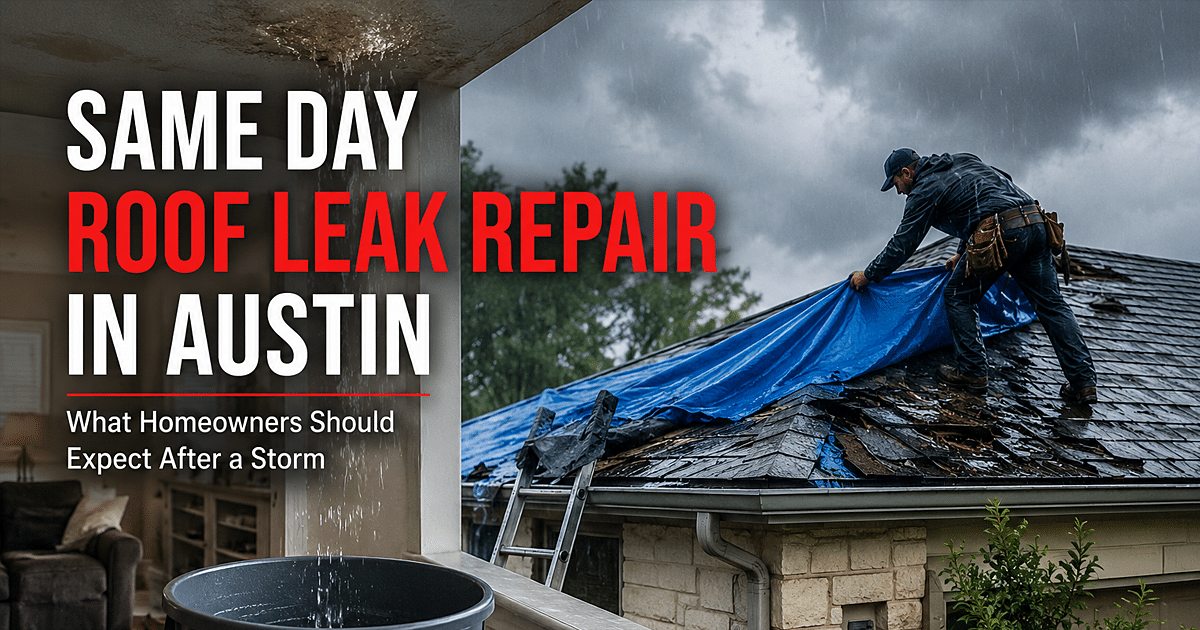
When a storm tears through Central Texas and water starts dripping through your ceiling, you need answers fast—not a sales pitch. If you’re searching for same day roof leak repair in Austin, this guide walks Austin homeowners through exactly what to expect after a storm, from the first 30 minutes of an active roof leak to emergency roof repairs, insurance claims, repair costs, and permanent roof restoration. Whether your home was damaged by hail, high winds, or falling tree limbs, knowing what happens next can help you protect your home, minimize water damage, and make informed decisions during a stressful situation.
Key Takeaways
- Any active water coming inside your Austin, TX home qualifies as a roofing emergency that needs same day attention from an emergency roofing contractor. Every hour of delay increases water damage risk to your ceilings, walls, insulation, and electrical systems.
- The typical same day repair process follows a clear sequence: phone triage, on-site safety check, temporary leak stop through emergency tarping or patching, documentation for an insurance claim, and then scheduling permanent repairs or full roof replacement if the damage warrants it.
- Austin homeowners should expect response times to vary from 1–8 hours depending on storm severity and call volume. After major events like May–June hailstorms or late-spring high winds, crews may be stretched thin across the metro and surrounding Hill Country communities.
- Quick documentation matters. Contact your insurance company within 24–48 hours after damage occurs and document damage with 30–100 photos for your claim. If the leak was caused by a covered event such as hail, high winds, or falling debris, your homeowners insurance may help pay for emergency repairs and the resulting storm damage.
- Temporary repairs to prevent further damage are encouraged before filing insurance claims. Keep all receipts for temporary repairs to support your claim, as these costs are typically reimbursed under covered perils.
What To Do Immediately After You Notice a Roof Leak (First 30 Minutes)
If you are seeing water right now, stop reading ahead and do this first.
Move people, pets, electronics, and valuables away from the wet area immediately. Water near electrical devices creates shock risks, and soaked electronics are rarely salvageable. Clear the affected rooms as quickly as possible to minimize damage.
Place buckets, pans, or large plastic storage bins under active drips. Lay towels around the base of each container to catch splashes and prevent water from spreading across flooring. Call emergency roofing services immediately after discovering a leak-the sooner you call, the sooner a crew can be dispatched.
If your ceiling is bulging with trapped water, you can relieve pressure by carefully poking a small hole with a screwdriver and letting water drain into a bucket below. Poke a hole in bulging ceilings to prevent collapse. Only do this if the ceiling appears structurally sound-no visible cracks, no sagging joists, no sounds of shifting.
Switch off electricity at the breaker to any room where water is near outlets, lights, or ceiling fans. Do not touch wet switches or fixtures.
Do not go onto your own roof during or immediately after a storm. Wet surfaces, loose debris, and unseen structural damage make this extremely dangerous. All roof-level actions should wait for a roofing professional with proper safety equipment.

How Same Day Emergency Roof Repair Typically Works in Austin, TX
Here is the typical timeline for same day emergency roof repair on a storm day in Austin.
Phone triage. When you call, a dispatcher asks for your address, zip code (78704, 78745, 78748, 78759, etc.), leak location inside the home, when it started, and whether high winds, hail, or falling branches were involved. This information determines priority and crew assignment.
Response windows. During a normal rain event, crews might arrive in 1–3 hours. During a major storm outbreak or citywide hail event, emergency response times can increase after major storms due to high demand, stretching arrival to 4–8 hours while crews prioritize active emergency roof leaks. Same-day emergency responses are common for active roof leaks after storms, but widespread events strain every contractor in the region.
On-site assessment. On arrival, the crew first does a safety check inside and outside, then traces the leak path from interior signs to the roof surface. Many active leaks originate far from the visible ceiling stain-water travels along rafters and sheathing before dripping down.
Emergency mitigation. The day-one goal is emergency roof repair only-stopping water intrusion with tarps, temporary patches, or sealant. Full roof replacement or larger permanent repairs are planned for later once weather permits. Many roofing companies offer temporary weatherproof repairs for roofs with active leaks, specifically designed to hold until a permanent fix can be completed.
Reputable Austin emergency roofing services provide a simple written description of what was done that day and what permanent work is recommended next.
Recognizing Storm-Related Roofing Emergencies in Austin
Not every missing shingle is a same-day emergency. But certain conditions after a storm in Austin, TX demand immediate response.
Interior emergency signs:
- Active dripping inside the home
- Ceiling water stains that are growing by the minute
- Sagging drywall or bulging ceiling sections
- Water running down interior walls
Exterior red flags visible from the ground:
- Large areas of missing shingles or sections peeled back to exposed roof deck
- Obvious holes from tree limbs or large debris
- Torn-off ridge caps or bent metal flashing around chimneys and walls
- Dents metal flashing around vents or structural components
Roof sections peeled back by high winds along the Mopac or I-35 corridors can leave exposed decking that will quickly lead to structural damage if not covered. A strong musty smell appearing within hours of a storm passes is a sign water is soaking wet insulation or wall cavities-treat this as an emergency.
If the roof structure looks bowed, if large branches are resting on the roof, or if you hear cracking or shifting sounds, evacuate affected areas and call both emergency services and an emergency roofing contractor.
Common Causes of Emergency Roof Leaks After Austin Storms
Austin’s climate creates specific emergency roof leak patterns that homeowners should understand. Severe thunderstorms peak in Austin from March to October, with the most intense activity in spring and early summer.
High winds. Wind damage can lift shingle edges and tear off sections, especially on asphalt shingle roofs over 15–20 years old. Neighborhoods in South Austin, Pflugerville, and Round Rock see frequent wind damage during fast-moving storm cells.
Hail. Hail damage is most common in Austin during April and May. Hailstones bruise asphalt shingles, knock off protective granules, and crack vents or pipe boots. The damage often isn’t obvious immediately-it shows up as emergency roof leaks during the next heavy rain.
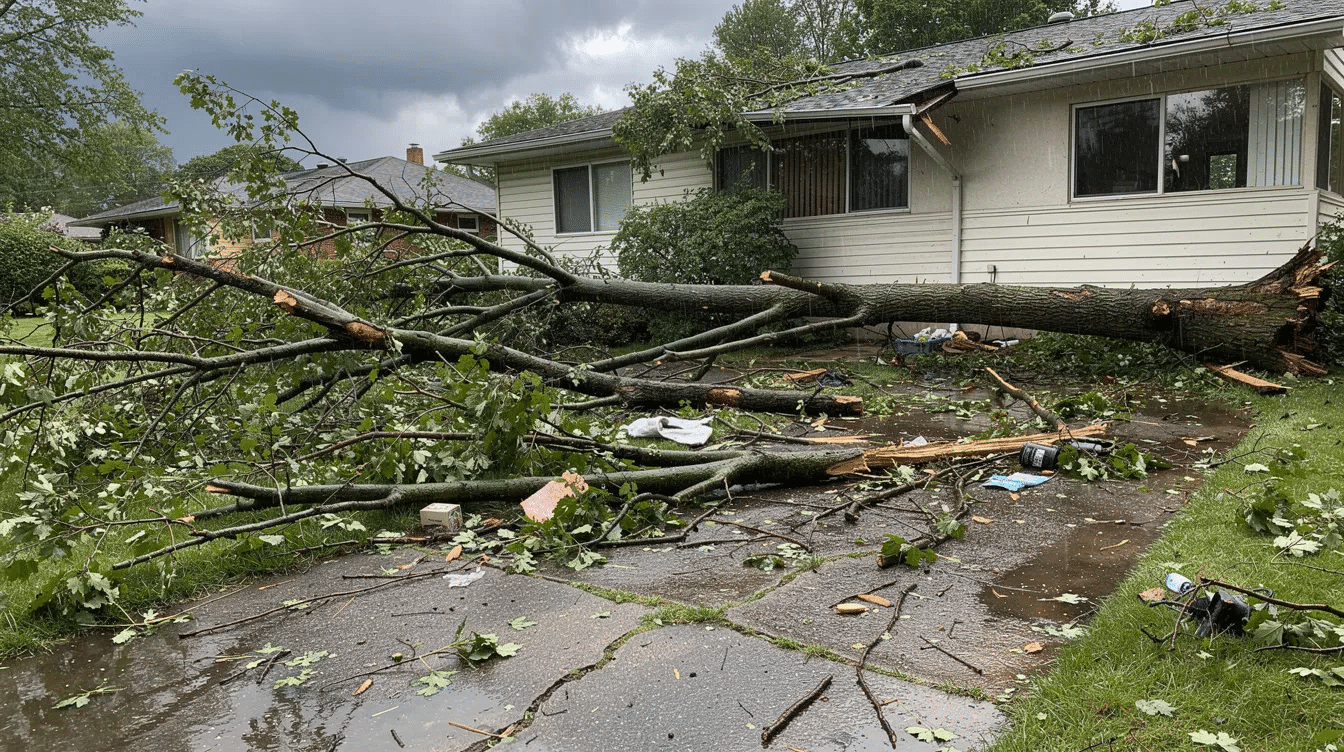
Debris and falling limbs. Flying debris, broken tree branches, and falling limbs from live oaks and cedar elms in central Austin frequently puncture roofs and require emergency repairs. Austin received over 10 inches of rain in 24 hours in 2018, a reminder of how quickly severe weather can overwhelm even well-maintained roofing materials.
Drainage failures. Clogged gutters during flash flooding can back water under shingles at eaves, creating sudden leaks along exterior walls. Proper drainage is the first line of defense against this type of damage.
Less common but important causes include installation defects revealed during a home’s first big storm, or rare ice events causing short-lived ice dams that force water under shingles at weak points.
Interior Damage: What Austin Homeowners Should Expect in the First 24–48 Hours
Even a small active roof leak can spread quickly inside a home, especially in multi-level houses common around Austin’s newer subdivisions.
Typical visible effects:
- Water stains on ceilings (yellow or brown rings)
- Bubbling or peeling paint
- Swollen baseboards
- Warped hardwood or laminate flooring in affected rooms
Damp attic insulation in older central Austin homes can hold moisture and slowly drip for days, even after emergency roof repair is complete. Wet insulation acts like a sponge, releasing water long after the roof itself has been tarped.
Moisture trapped behind drywall can lead to mold growth within 24–72 hours, particularly during Austin’s humid late-spring and summer months. This is why emergency mitigation matters so much in the first day.
Once it is safe, use fans and dehumidifiers aimed at damp affected areas. Keep doors open for airflow but avoid using any outlets or fixtures that have been exposed to water. Serious water exposure to electrical systems, HVAC ducts, or recessed lighting should be evaluated by licensed professionals separate from the roofing crew.
Temporary Protection Methods: What Crews Actually Do Same Day
Same day emergency roof repair in Austin usually means temporary protection, not full restoration. Here is what crews actually do when they arrive.
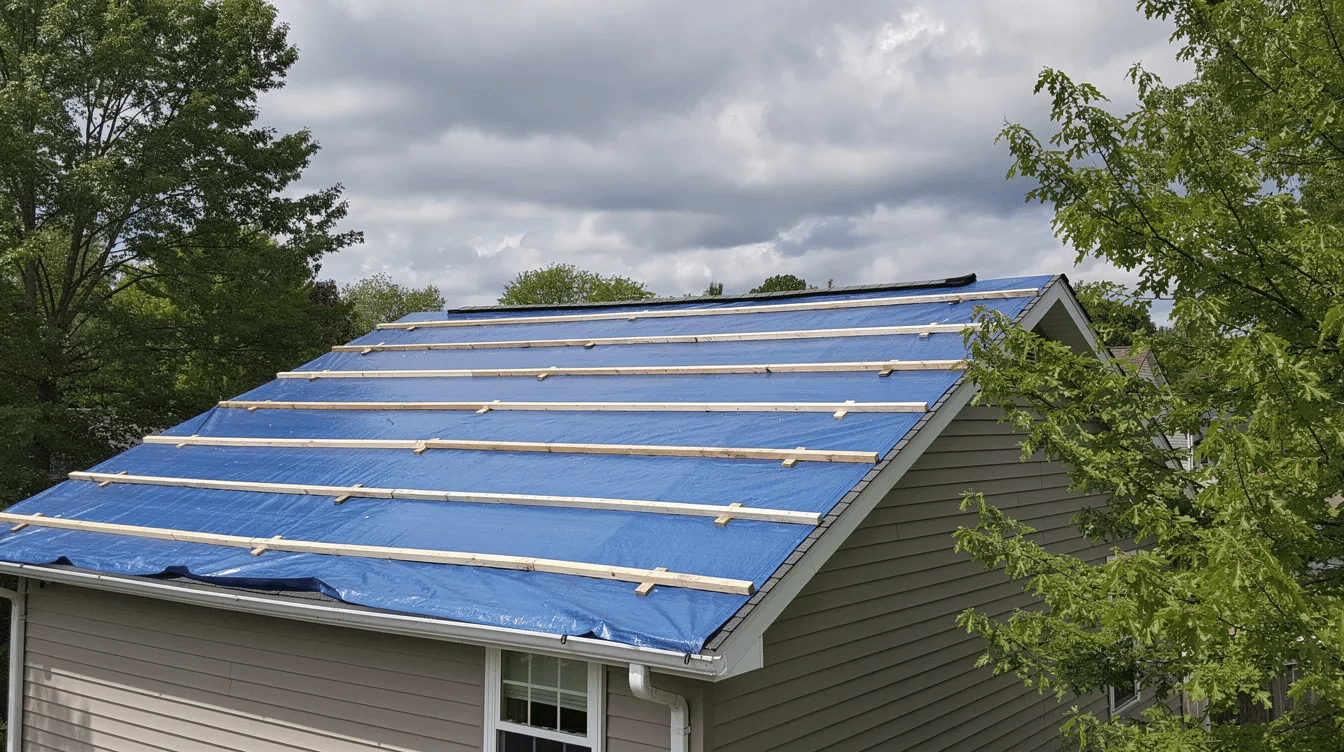
Emergency tarping. Crews locate the damaged section, extend a heavy-duty tarp several feet beyond all visible damage, and fasten it along ridges or edges so it can withstand additional high winds. Immediate tarping or patching is often performed during roof leak emergencies to stop active leaks from spreading.
Quick shingle or tile patches. In small damaged areas, crews perform shingle replacement using compatible roofing materials, roofing cement, and nails to stop localized emergency roof leaks.
Sealing pipe boots and flashing. If the leak source is clearly identified and accessible, crews seal or replace damaged pipe boots or vent flashings on the spot when weather permits.
Interior protection. Crews may lay plastic sheeting in the attic above active leak paths and reposition insulation to keep it from channeling water further into the home.
These emergency roof repairs are designed to last days to a few months, buying time for a full professional roof inspection and permanent fix. They are not designed to survive an entire roof’s remaining lifespan.
Safety Considerations: What Homeowners Should and Should Not Do
Homeowners in Austin should prioritize safety above all else during a roof leak emergency. Safety is more important than stopping every drop of water, especially after severe weather with high winds or lightning.
Do not:
- Climb onto a wet or storm-damaged roof, use ladders in high winds, or walk on steep slopes. Leave that to trained emergency roofing services with proper safety equipment.
- Go near downed power lines in yards or alleys. Report them to Austin Energy or emergency services immediately. Downed power lines are among the most serious safety hazards after any storm.
- Attempt DIY tarping from the roof safely without training or equipment.
- Cut into ceilings or walls beyond a small, controlled drainage hole.
Do:
- Position plastic sheeting or tarps inside the attic floor if conditions are dry and structurally safe.
- Wear sturdy shoes, gloves, and safety equipment if moving wet debris indoors.
- Evacuate the building if the home structure appears unstable, if heavy debris is resting on structural components, or if you cannot assess the structural integrity of the roof from inside.
Insurance Claims for Emergency Roof Leaks After a Storm
Most sudden storm-related emergency roof leaks in Austin are potentially covered by standard homeowners insurance policies, subject to deductibles and exclusions.
What’s typically covered:
- Hail damage
- Wind damage
- Falling trees or branches
- Sudden impact damage
Storm damage caused by wind or hail is often covered by homeowners insurance in Texas. These are considered a covered peril under most policies. Long-term wear, neglect, or pre-existing leaks are not covered.
Basic insurance claim timeline:
| Step | Timeline |
|---|---|
| Notify your insurance company | Within 24–48 hours |
| Document damage with photos/video | Same day, 30–100 photos |
| Insurance adjusters typically inspect | Within 3–7 days after filing |
| Scope finalization and payment | Varies by insurer |
Temporary repairs to prevent further damage are encouraged before filing insurance claims. Keep all receipts for temporary repairs to support your claim-tarping, patching, water mitigation work, and any temporary lodging costs.
Your roofing contractor can provide detailed written scopes, photo reports, and invoices, but cannot legally act as a public adjuster or guarantee claim approval. Ask your insurance company whether your policy pays actual cash value (ACV) or replacement cost value (RCV) for roofs, as this directly affects your final out-of-pocket costs for full roof replacement.
From Temporary Fix to Permanent Solution: Repair vs. Full Roof Replacement
The decision between localized roof repair and full roof replacement usually happens after the initial emergency roof repair and a complete inspection once the storm passes.
Partial repair is usually sufficient when:
- Wind damage is limited to one slope
- A small puncture from a branch affects a localized area
- A single failing pipe boot on an otherwise healthy roof is the culprit
- The entire roof is relatively young with good installation quality
Full roof replacement is often justified when:
- Widespread hail bruising affects all slopes
- Extensive granule loss on asphalt shingles is visible
- Multiple leaking areas appear across the roof
- Roof age exceeds 18–22 years in Austin’s climate
Many Austin homeowners opt for impact-resistant shingles or upgraded underlayment during replacement to reduce future emergencies and potentially lower insurance premiums. Insurers sometimes authorize permanent repairs as a full roof replacement instead of repeated patching when storm damage is extensive enough that future leaks are likely.
Permanent work may be scheduled days to weeks after the storm, once materials are available and weather is stable enough for a full tear-off. During major regional storm outbreaks, material availability can tighten, extending timelines.
Working With an Emergency Roofing Contractor in Austin
Choosing the right emergency roofing contractor matters more than most homeowners realize, especially when disaster strikes and pressure to act fast is high.
Beware of unsolicited door-to-door solicitors after storms as they may offer poor quality work. Avoid storm chasers who go door-to-door after storms-they often lack local accountability and may disappear before warranty issues arise. Texas does not require a state-level license for roofers, which means vetting falls largely on the homeowner.
What to look for:
- Contractors who are insured and active in Austin or Central Texas year-round, not just during storm season
- Look for roofers with local references and insurance certificates
- Emergency roofers should provide written estimates before repairs
- Clear descriptions separating temporary vs. permanent work
Red flags to avoid:
- Pressure to sign contracts for full roof replacement on the spot
- Claims to “cover your deductible” (often illegal)
- Refusal to provide documentation for insurance claims
- Avoid contractors who demand full payment upfront
Research contractors before an emergency to have contact information ready. Save the number of a trusted roofing professional in your phone before the next storm season so you are not scrambling when an active roof leak appears.
Preventing Future Emergencies After This Storm
Once the immediate emergency roof leak is handled, Austin homeowners can take practical steps to reduce the risk of future emergencies.
Schedule a full professional roof inspection once weather has cleared, even if only one leak was visible. Hidden hail bruises, lifted shingles, or loose flashing can cause future leaks during the next heavy rain. Schedule annual roof inspections as part of your regular maintenance routine.
Trim back overhanging branches from live oaks, pecans, and cedar elms. Keeping limbs at a safe distance from the roof reduces branch impact during the next high-wind event. Clean clogged gutters and downspouts at least twice a year-March and October work well in Austin-to keep heavy rain from backing up under shingles.
Asphalt shingle roofs last 18–25 years in Austin. Track your roof age and plan replacement before the end of that window rather than waiting for recurring emergency roof leaks. Upgrading ventilation and attic insulation can help shingles last longer in Austin’s heat, cutting down on age-related roof damage.
What Austin Homeowners Should Expect in Terms of Cost and Timing
Exact prices vary, but here are realistic ballpark figures for same day emergency roof repair costs and timelines in Austin, TX.
Typical cost ranges:
| Service | Cost Range |
|---|---|
| Service call fee | $150–$350 |
| Emergency tarping (small-medium area) | $300–$800 |
| Temporary shingle repairs | $150–$400 |
| Complex multi-slope tarping or structural access | $800+ |
Emergency repair costs are 15–40% higher than planned repairs due to urgency, after-hours labor, and storm-season demand. Emergency tarping costs typically range from $300 to $800 depending on roof size and accessibility.
Timing expectations:
- Arrival: 1–4 hours in Austin metro; 3–6+ hours in Hill Country suburbs during widespread events
- On-site temporary work: 1–4 hours depending on roof height, pitch, and weather conditions
- Schedule permanent repairs: days to weeks after the storm, depending on material availability and insurance adjuster approval
Many emergency roof repairs are later partially or fully reimbursed by insurance when tied to a covered storm event, subject to the policy deductible. The repair process from emergency call through permanent fix typically takes 3–6 weeks for larger jobs.
FAQ: Same Day Roof Leak Repair in Austin After a Storm
These are the most common questions Austin homeowners ask after emergency roof leaks and storms.
How fast should I call a roofer after I see a leak?
Contact an emergency roofing contractor as soon as you notice active dripping or rapidly growing ceiling stains-ideally within the first hour. During Austin’s peak storm months (March–June), same day slots fill quickly, so earlier calls mean faster arrival. Even if rain is still falling, roofers can often perform an initial assessment and plan tarp installation as soon as winds drop to safe levels.
Can I wait until the next day if the leak seems small?
Even slow drips can soak insulation, wiring, and framing overnight, leading to mold growth and higher repair costs. Any water entering the living space should be treated as an emergency. Minor attic-only dampness with no ceiling damage may be able to wait until morning in dry conditions, but you should still speak with an emergency roof repair service the same day so a professional can judge urgency based on the situation and forecast.
Will my insurance premiums go up if I file a storm damage claim?
Insurers generally base premiums on overall risk in your area and your claim history, not just a single weather claim. In many Texas hail and wind events-like citywide storms-insurers expect a wave of claims and may adjust regional rates regardless of individual decisions. Discuss with your agent whether the cost of storm damage appears to exceed your deductible enough to justify filing an insurance claim.
How long can a tarp safely stay on my roof in Austin’s climate?
A professionally installed tarp can often last several weeks to a few months. However, Austin’s intense UV exposure and high winds will eventually degrade any temporary protection. Tarps are not a permanent fix-homeowners should not delay permanent repairs through an entire storm season if avoidable. Check tarps visually from the ground after big storms and call your roofing contractor if it has shifted or torn.
What if I have solar panels or a metal roof-can I still get same day emergency help?
Many Austin emergency roofing contractors handle leaks on metal roofs and around solar arrays. Same day work usually focuses on stopping leaks around penetrations, seams, or panel mounts, then planning more involved permanent repairs later. Coordination with your solar installer may be needed for panel removal in some cases. Have your installer’s contact information handy so roofing and solar teams can coordinate quickly after a major storm.

