
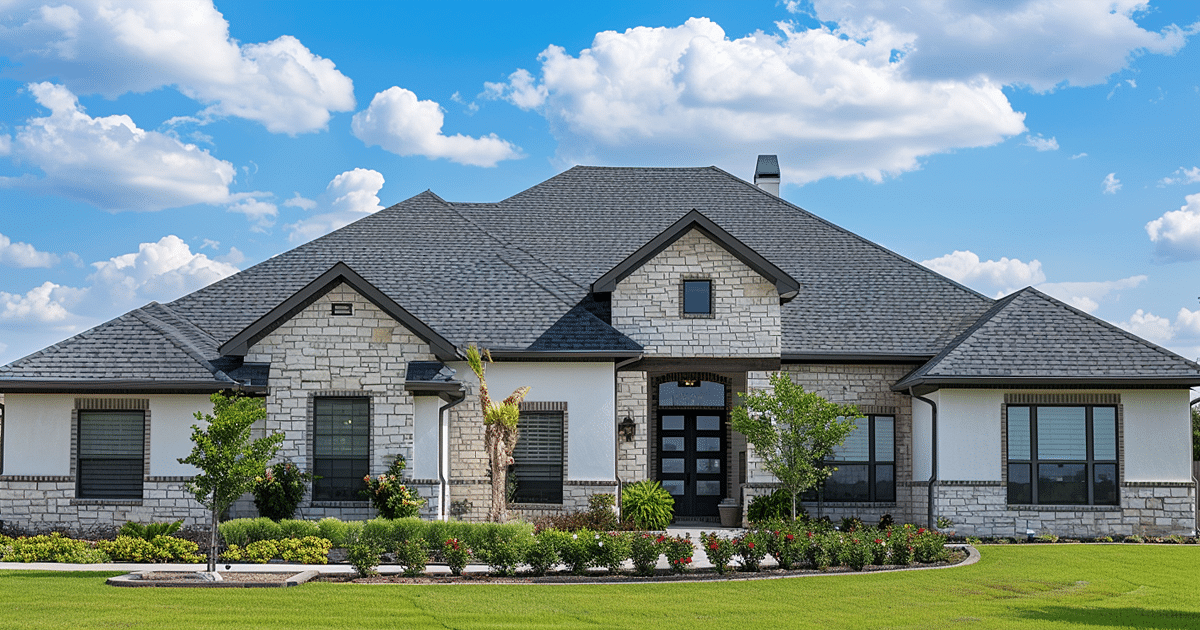
Most homeowners don’t think much about their roof until something drips, stains, or creaks in a way that feels a little too familiar. But the truth is, Regular Maintenance Extends Your Roof’s Life far more than people realize. A few simple check-ins each year can be the difference between replacing a roof at 12 years—or getting a solid 25 to 30 years out of the exact same materials.
If you’ve lived through a few Texas storm seasons, you already know how quickly small issues can snowball. A loose shingle after a windy night turns into a soft spot. A clogged gutter backs water up under the edge. Before long, what could’ve been a cheap fix has turned into the kind of repair that keeps you up at night. That’s why looking after your roof isn’t just “good practice”—it’s one of the smartest financial decisions a homeowner can make.
This guide breaks down how routine upkeep protects your roof, why it stretches your investment so dramatically, and the specific tasks that truly move the needle. It’s not about selling you on fear or worst-case scenarios—it’s about giving you the same practical habits professional roofers rely on to help a roof last decades longer than most folks expect.
Key Takeaways
- Regular maintenance can extend your roof’s lifespan from 15-20 years to 25-30 years, potentially doubling its service life
- Bi-annual inspections and cleaning prevent 80% of major roof repairs that cost $5,000-$15,000
- Simple tasks like gutter cleaning and debris removal protect against water damage that causes premature roof failure
- Proper ventilation and insulation prevent ice dams and heat damage that can reduce roof life by 30-40%
- Addressing minor issues within 30 days prevents them from escalating into major structural problems
Your roof represents one of your home’s largest investments, typically costing $12,000-$25,000 to replace. Yet most homeowners unknowingly cut their roof’s lifespan in half by neglecting simple maintenance tasks that cost a fraction of a full roof replacement. Understanding how regular maintenance extends your roof’s life can save you thousands of dollars while protecting your home’s structural integrity.
The difference between a well maintained roof and a neglected one is dramatic. While an unmaintained asphalt shingle roof might last only 12-15 years, the same roof with proper care can easily reach 25-30 years of reliable service. This extension isn’t just about time—it’s about maximizing your investment and avoiding the disruption and expense of premature roof replacement.
The Science Behind How Maintenance Extends Roof Life
The relationship between regular roof maintenance and extended lifespan is rooted in materials science and environmental factors. Asphalt shingles, the most common roofing material in North America, typically last 15-25 years under normal conditions. However, with proper care and maintenance, these same roofing materials can reach 30-40 years of service life.
Moisture infiltration causes approximately 70% of premature roof failures, making water management the most critical aspect of roof maintenance. When water penetrates through damaged shingles, missing shingles, or compromised flashing, it begins a cascade of deterioration that affects everything from the roof deck to the home’s structural integrity. A small leak that goes unaddressed can quickly lead to rotted wood decking, mold growth, and damage to insulation effectiveness.
Temperature swings can be rough on a roof. As the heat rises and falls each day, the materials on your roof naturally shift—expanding in the heat and tightening back up when things cool down. Over the years, that constant movement wears on shingles, nails, and the layers beneath them. The problem gets worse when an attic doesn’t breathe well, allowing temperatures to climb well past 150°F during a Texas summer. Keeping your ventilation system in good shape helps take the pressure off your roof by reducing those extreme temperature shifts.
Industry studies consistently show that maintained roofs last 40-60% longer than neglected ones. Research conducted by major roofing manufacturers demonstrates that roofs receiving bi-annual professional inspections and prompt minor repairs maintain their protective properties far longer than those left to weather naturally. The data is compelling: a conservative analysis shows that regular maintenance can extend the life of most roof systems by 10-15 years.
Essential Maintenance Tasks That Add Decades to Your Roof
Bi-Annual Roof Inspections
The foundation of any successful roof maintenance program is consistent, thorough inspection. Schedule regular roof inspections twice yearly—once in spring to assess winter storm damage and again in fall to prepare for harsh weather conditions. These professional inspections should focus on identifying loose shingles, damaged shingles, and early warning signs of system failure.
During inspections, pay special attention to roof valleys, flashing around chimneys and vents, and areas where different roof planes meet. These locations account for nearly 90% of leak origins and require careful examination for signs of separation or deterioration. Document all findings with photos and maintain detailed inspection records, as this documentation proves invaluable for warranty claims and insurance purposes.
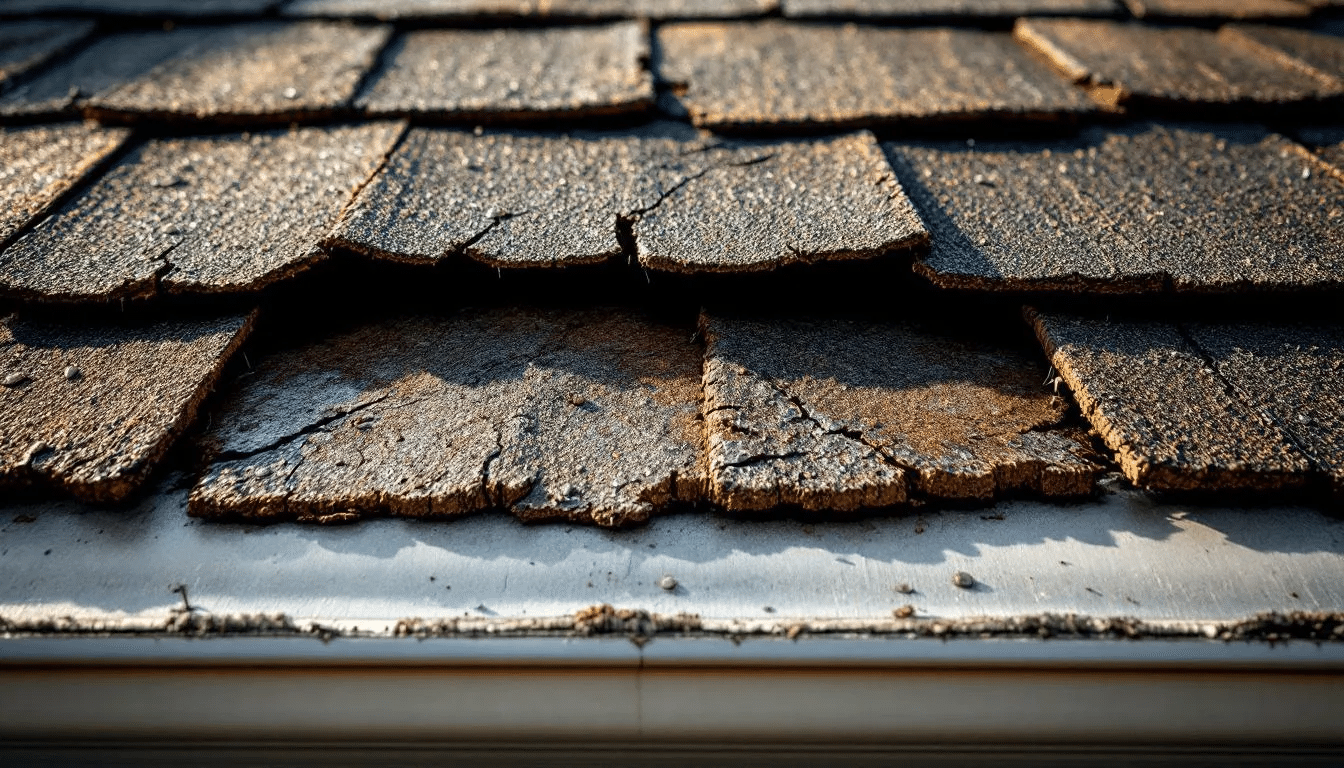
A systematic inspection should include checking the roof’s surface for granule loss, cracked or curling shingles, and exposed nail heads. Additionally, examine gutters for proper drainage, ensuring that water flows away from the foundation effectively. Missing or damaged gutters can create water backup that damages fascia boards and compromises the roof’s edge protection. For further information on how to protect your roof from severe weather, consider reviewing essential preventative steps.
Strategic Cleaning and Debris Management
Regular cleaning and debris removal form the backbone of preventive roof maintenance. Remove leaves, branches, and other debris quarterly to prevent moisture retention that can lead to premature aging of roofing materials. Accumulated debris creates damp conditions that promote moss growth, weaken roofing materials, and provide pathways for water infiltration.
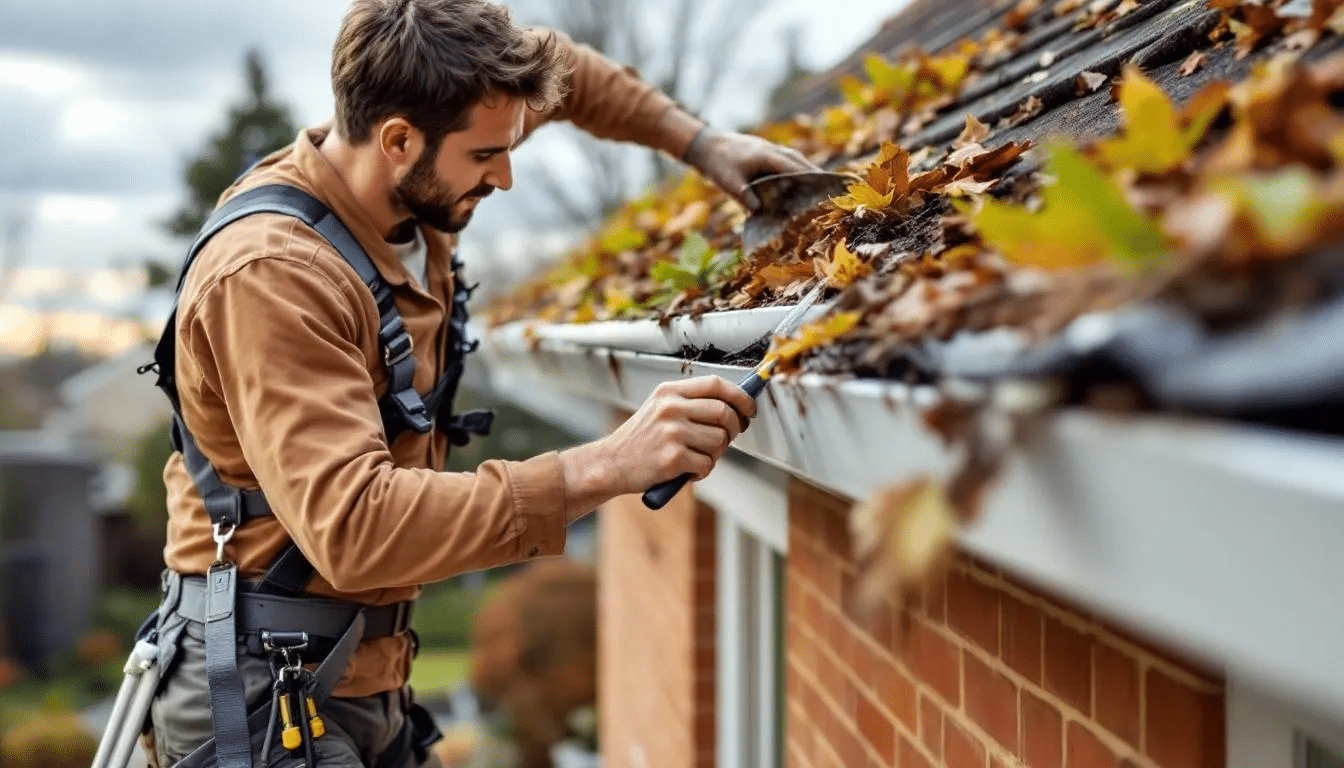
Clean gutters every six months, or more frequently if you have overhanging branches that deposit significant debris. Clogged gutters prevent proper drainage and can cause water to back up under shingles, creating ice dams in cold climates and water damage in all seasons. Proper gutter cleaning extends beyond simply removing debris—inspect and repair loose or separated sections that compromise the drainage system.
Address moss and algae growth within 60 days of detection. These organisms trap moisture against the roof’s surface, accelerating material degradation and creating conditions for more serious problems. Installing zinc or copper strips near the roof peak provides long-term protection against moss and algae, as rainwater carries trace amounts of these metals down the roof surface, creating an environment hostile to organic growth.
Clear snow loads exceeding 20 pounds per square foot to prevent structural stress. Use a roof rake to remove snow from the roof edges, preventing ice dam formation while avoiding damage to shingles. Never attempt to remove ice dams with sharp tools, as this can damage shingles and create new leak paths.
Rapid Repair Response Strategy
The speed of response to minor issues determines whether they become minor repairs or major structural problems. Replace missing or damaged shingles within two weeks of detection to prevent water infiltration that can damage the roof deck and create expensive repairs. A single missing shingle can expose the underlayment to UV radiation and moisture, rapidly expanding the area requiring repair.
Re-seal flashing and caulk joints annually before winter weather arrives. Flashing around chimneys, vents, and roof penetrations experiences significant thermal stress and requires regular maintenance to maintain watertight seals. Use high-quality roofing sealants designed for your specific roofing materials and climate conditions.
Address small leaks immediately—a $200 repair can prevent $5,000 in water damage to ceilings, walls, and furnishings. Water stains on ceilings or walls indicate ongoing moisture problems that require immediate attention. Even small amounts of water can compromise insulation effectiveness, promote mold growth, and create structural issues if left unaddressed.
Fix ventilation issues that contribute to ice dam formation, which can cost $1,000-$5,000 in repairs and significantly shorten roof life. Ensuring proper ventilation through soffit vents and ridge vents maintains balanced air circulation that prevents the thermal conditions necessary for ice dam formation.
Seasonal Maintenance Schedule for Maximum Roof Life
Spring Preparation (March-May)
Spring maintenance focuses on assessing winter damage and preparing the roof system for the active weather season ahead. Begin by conducting a comprehensive visual inspection from the ground, looking for obvious signs of damage such as missing shingles, sagging areas, or debris accumulation. Document any changes from your fall inspection photos.
Clean gutters thoroughly of winter debris, including ice dam residue, leaves, and twigs that accumulated during dormant months. Check downspout drainage to ensure water flows at least six feet away from the foundation. Poor drainage can create foundation moisture problems and contribute to basement flooding during spring rains.
Trim overhanging branches to maintain at least 10 feet of clearance from roof surfaces. Branches that touch or hang over the roof can damage shingles during storms, deposit debris continuously, and provide pathways for pests to access attic spaces. Additionally, trimming trees reduces the organic matter that feeds moss and algae growth.
Schedule professional inspections if your roof is over 10 years old or if you notice any concerning changes during your visual assessment. Spring is an ideal time for professional evaluation, as contractors can identify winter damage and complete necessary repairs before the busy summer season.
Summer Maintenance (June-August)
Summer maintenance emphasizes heat management and preparation for potential severe weather events. Check attic ventilation systems to ensure adequate air circulation that prevents heat buildup. Attic temperatures can reach 150°F without proper ventilation, creating thermal stress that significantly reduces shingle life and increases cooling costs.
Apply protective coatings in high-UV exposure areas if recommended by your roofing contractor. Some roofing materials benefit from periodic application of reflective coatings that reduce heat absorption and extend material life. These coatings are particularly beneficial in southern climates where intense sunlight accelerates roofing material aging.
Monitor and treat moss growth that thrives in humid summer conditions. While winter freezing cycles naturally control some moss populations, summer humidity can promote rapid regrowth. Address moss promptly to prevent deep root systems that physically damage shingles and create permanent moisture retention areas.
Inspect and maintain roof-mounted equipment such as HVAC units, satellite dishes, and solar panels. Ensure all mounting hardware remains secure and that equipment placement doesn’t impede drainage or create debris collection areas. Regular maintenance of roof-mounted equipment prevents damage to both the equipment and the roof system.
Fall Winterization (September-November)
Fall preparation focuses on winterizing the roof system and completing final maintenance before harsh weather arrives. Clean gutters thoroughly before peak leaf-fall season to prevent ice dam formation and ensure proper drainage during winter precipitation. This final cleaning is often the most critical, as it must last through the entire winter season.
Install gutter guards or screens to reduce winter maintenance needs and minimize ice dam risk. Quality gutter protection systems allow proper drainage while preventing debris accumulation that contributes to ice formation. Choose systems appropriate for your local climate and precipitation patterns.
Check attic insulation levels to ensure they meet current building codes—minimum R-38 in most climates. Adequate insulation prevents heat loss that melts snow on the roof surface, creating conditions for ice dam formation. Insufficient insulation also increases heating costs and reduces the roof’s thermal performance.
Secure loose shingles and flashing before winter storm season. Cold temperatures make roofing materials more brittle, increasing the likelihood that loose components will fail during winter storms. Complete these repairs while weather conditions still allow safe roof access.
Proper attic ventilation and insulation represent perhaps the most underappreciated aspects of roof maintenance, yet they dramatically impact roof longevity and energy efficiency. Balanced ventilation prevents summer heat damage that can reduce asphalt shingle life by 25% while simultaneously preventing winter ice dam formation that causes costly structural damage.
Effective roof ventilation requires both intake and exhaust components working together. Soffit vents provide cool air intake, while ridge vents or other exhaust systems allow hot air to escape. The ideal ratio is approximately one square foot of ventilation for every 150 square feet of attic space, divided equally between intake and exhaust.
Without adequate ventilation, attic temperatures can exceed 150°F during summer months, creating thermal stress that causes premature aging of all roofing materials. This heat buildup also forces cooling systems to work harder, increasing energy costs significantly. Conversely, proper ventilation maintains attic temperatures within 10-15°F of outside temperature, dramatically reducing thermal stress on roofing materials.
Winter ventilation prevents ice dams by maintaining consistent roof surface temperatures. When heated air from the living space warms the attic and melts snow on the roof, the resulting water refreezes at the colder roof edges, creating ice dams. Proper insulation and ventilation prevent this heat transfer, eliminating the thermal conditions necessary for ice dam formation.
Insulation effectiveness directly impacts roof life by controlling heat transfer between living spaces and attic spaces. Insufficient insulation allows heat to escape in winter, contributing to ice dam formation, and allows heat to penetrate in summer, increasing cooling costs and thermal stress on roofing materials. Modern building codes typically require R-38 to R-60 insulation values, depending on climate zone.
Professional vs DIY Maintenance: When to Call Experts
Understanding which maintenance tasks you can safely perform yourself and which require professional expertise is crucial for both safety and effectiveness. The roofing industry reports that falls cause 34% of construction-related fatalities, making safety considerations paramount when deciding between DIY and professional maintenance approaches.
Safe DIY tasks include visual inspections from the ground, gutter cleaning (with proper ladder safety), minor debris removal from easily accessible areas, and basic maintenance record keeping. These activities allow homeowners to monitor their roof’s condition and perform routine upkeep without significant safety risks.
Use binoculars or a camera with zoom capabilities to inspect your roof’s surface from ground level, looking for obvious signs of damage such as missing shingles, sagging areas, or excessive granule accumulation in gutters. This approach allows regular monitoring without the safety risks associated with roof access.
Clean gutters only when you can maintain three points of contact with a stable ladder and have someone else present for safety. Never lean ladders against gutters, as this can damage the gutter system and create unstable working conditions. Consider gutter cleaning tools that work from ground level for single-story homes.
Professional-only tasks include structural repairs, electrical work around roof-mounted equipment, steep-slope work, and any repairs requiring specialized tools or materials. Roofing contractors have the training, equipment, and insurance necessary to perform these tasks safely and effectively.
Schedule professional inspections annually for roofs over 10 years old or bi-annually for newer roofs. Professional inspectors can identify subtle signs of deterioration that untrained eyes might miss, such as early membrane degradation, structural settling, or ventilation inadequacies.
Compare maintenance costs realistically: $300-500 annual professional maintenance versus $15,000+ premature roof replacement represents an obvious cost-benefit calculation. Professional maintenance often identifies problems early when repairs are simple and inexpensive rather than complex and costly.
The Financial Impact of Preventive Roof Maintenance
The economics of regular roof maintenance present a compelling case for preventive care. Annual maintenance costs typically range from $400-800, while premature roof replacement can cost $12,000-25,000 or more, depending on size, materials, and local labor costs. This dramatic cost differential makes maintenance programs financially attractive even when considering only direct replacement costs.
Calculate the return on investment for maintenance programs: a $500 annual maintenance investment that extends roof life by just two years provides a return exceeding 1000% when compared to replacement costs. Most maintenance programs extend roof life by 10-15 years, creating returns that far exceed traditional investment vehicles.
Maintenance programs pay for themselves within 2-3 years through avoided repairs alone, without considering the extended lifespan benefits. A single major repair avoided—such as fixing extensive water damage from a neglected leak—often costs more than several years of preventive maintenance.
Insurance benefits increasingly recognize the value of documented maintenance programs. Some insurance companies offer discounts for homes with professional maintenance records, recognizing that these properties present lower risk for weather-related claims. Additionally, documented maintenance can support claims by demonstrating that damage resulted from covered events rather than neglect.
Energy savings from proper ventilation and insulation contribute $200-500 annually to the maintenance program’s value proposition. Well-maintained roofs with adequate insulation and ventilation reduce both heating and cooling costs while improving overall comfort levels throughout the home.
Consider the indirect costs of roof failure: temporary housing during major repairs, damaged personal property, lost work time dealing with contractors and insurance adjusters, and the stress associated with major home repairs. These factors often equal or exceed the direct repair costs, making prevention even more valuable.
Create a dedicated maintenance fund by setting aside $50-75 monthly for roof maintenance and eventual replacement. This approach ensures funds are available for both routine maintenance and major repairs while spreading costs over time rather than facing large, unexpected expenses.
FAQ
How often should I have my roof professionally inspected if it’s over 15 years old?
For roofs over 15 years old, schedule professional inspections twice yearly—once in spring and once in fall. Older roofing systems are more susceptible to weather damage and material deterioration, making frequent professional assessment crucial for catching problems early. Between professional inspections, conduct monthly visual inspections from ground level to monitor for obvious changes or damage.
What are the warning signs that my roof maintenance schedule isn’t working?
Key warning signs include increasing energy bills (indicating insulation or ventilation problems), frequent minor leaks despite repairs, granule loss accelerating (visible in gutters), water stains appearing on ceilings, and ice dam formation during winter months. If you notice multiple small problems occurring regularly or repairs failing prematurely, your maintenance approach may need adjustment or professional evaluation.
Can regular maintenance really double my roof’s lifespan, and is there proof?
Yes, industry studies consistently demonstrate that maintained roofs last 40-60% longer than neglected ones, with some well-maintained systems achieving double their expected lifespan. Manufacturers like GAF and CertainTeed provide warranty extensions for roofs enrolled in certified maintenance programs, and insurance industry data shows significantly lower claim rates for maintained roofs. The National Roofing Contractors Association reports that proactive maintenance can extend roof life by 10-15 years on average.
What’s the most cost-effective maintenance task for extending roof life?
Gutter maintenance and prompt leak repair provide the highest return on investment. Gutter cleaning costs $150-300 annually but prevents ice dams and water damage that can cost thousands to repair. Similarly, addressing small leaks immediately—typically costing $200-500—prevents extensive water damage to roof decking, insulation, and interior finishes that can require major repairs costing $5,000-15,000.
Should I maintain my roof differently based on my local climate?
Absolutely. Humid climates require more frequent moss and algae treatment, while areas with heavy snow loads need specific attention to ice dam prevention and snow removal. Coastal regions require more frequent inspections due to salt air corrosion, and desert climates demand focus on UV protection and thermal cycling management. High-wind areas need extra attention to shingle adhesion and flashing security. Consult local roofing contractors familiar with regional challenges for climate-specific maintenance recommendations.
Contents
- The Science Behind How Maintenance Extends Roof Life
- Essential Maintenance Tasks That Add Decades to Your Roof
- Seasonal Maintenance Schedule for Maximum Roof Life
- Ventilation and Insulation: The Hidden Life Extenders
- Professional vs DIY Maintenance: When to Call Experts
- The Financial Impact of Preventive Roof Maintenance
- FAQ

