
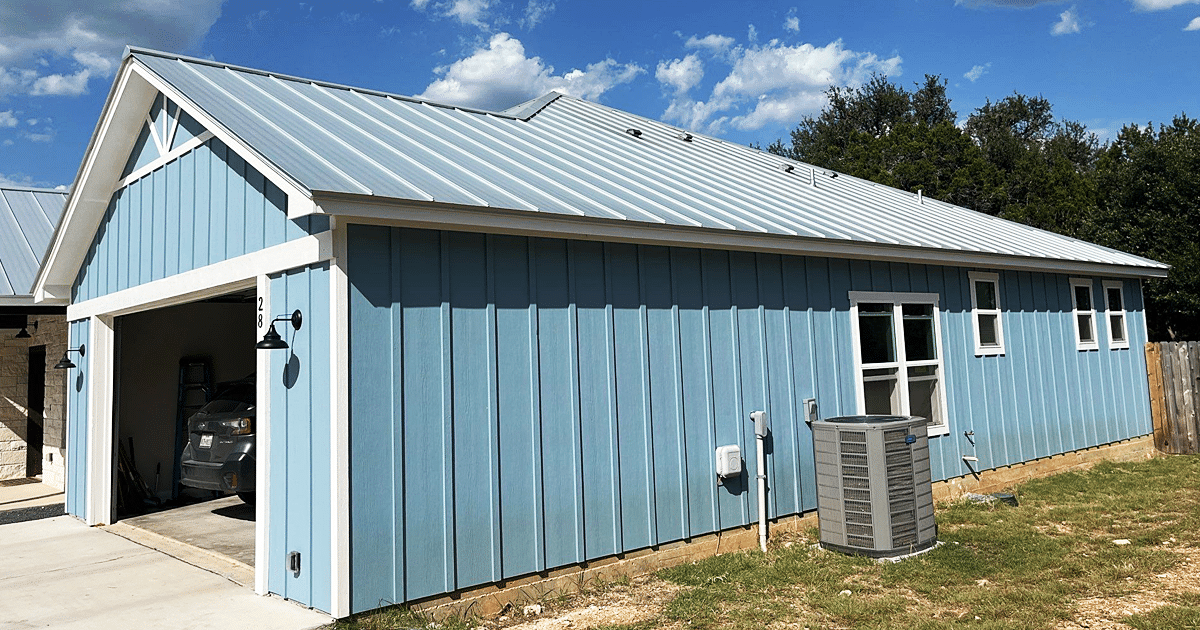
Central Texas homes take a beating from the weather. Long stretches of triple-digit heat, intense sun exposure, sudden hailstorms, and the occasional winter freeze all hit your roof first. Choosing Energy Efficient Roofing Options isn’t just about lowering utility bills—it’s about building a roofing system that can handle extreme temperature swings while keeping your home more comfortable year-round. The right materials can reduce attic heat, ease the strain on your HVAC system, and help your roof last longer in a climate that’s tough on traditional roofing.
For homeowners across Austin and the surrounding areas, energy efficiency starts at the top of the house. A roof that reflects heat, works with proper insulation, and manages airflow correctly can make a noticeable difference during hot summers and cold snaps alike. This guide breaks down the roofing materials, design choices, and system components that actually improve performance in Central Texas conditions—without relying on gimmicks or one-size-fits-all solutions.
Key Takeaways
- Reflective metal roofing, cool asphalt shingles, clay and concrete tiles, and modern single-ply membranes can cut Central Texas cooling costs by 10–30% while providing strong protection against hail and high winds common in the region.
- Pairing the right roofing material with proper attic insulation (R-38 or higher) and balanced ventilation is what actually keeps homes in Austin, Round Rock, and San Marcos comfortable from January cold snaps through August heat waves.
- Color choice and specialized cool roof coatings can dramatically change how hot the roof surface gets—even if you keep the same basic roofing materials.
- Working with a Central Texas–based, licensed roofing contractor is critical to ensure wind, hail, and energy code requirements are all met during your roof replacement.
Why Energy-Efficient Roofing Matters in Central Texas
From late April through early October, Central Texas frequently sees highs in the 90s to 100s°F, while winter cold fronts can still drop overnight lows below freezing. This relentless heat followed by occasional harsh weather conditions means your roof must handle both extremes—and traditional roofing materials often fall short.
Think about what happens on a typical August afternoon in Cedar Park or Pflugerville. When outdoor temperatures hit 100°F, a standard dark asphalt shingle roof can reach 150–170°F. That intense heat radiates directly into your attic, which can easily exceed 140°F. Your air conditioning systems then run constantly, struggling to maintain comfortable indoor temperatures while your energy bills climb higher each month. Maintaining your roof properly can help prevent such issues and improve energy efficiency.
Here’s what a high-performance, energy efficient roof actually does for your home:
- Reduces summer heat gain by reflecting more sunlight and absorbing less heat, keeping attic temperatures 20–40°F cooler than dark traditional roofing materials
- Minimizes winter heat loss by working with proper insulation to keep warm air inside during those unpredictable January and February cold snaps
- Stabilizes temperature swings so your HVAC system cycles less frequently, reducing wear and lowering energy costs year-round
Austin homeowners routinely see 20–30% of their electric bill go to cooling during peak summer months. When you combine Energy efficient roofing materials with proper attic insulation and ventilation, those numbers can drop significantly. That’s real money back in your pocket—every single month.
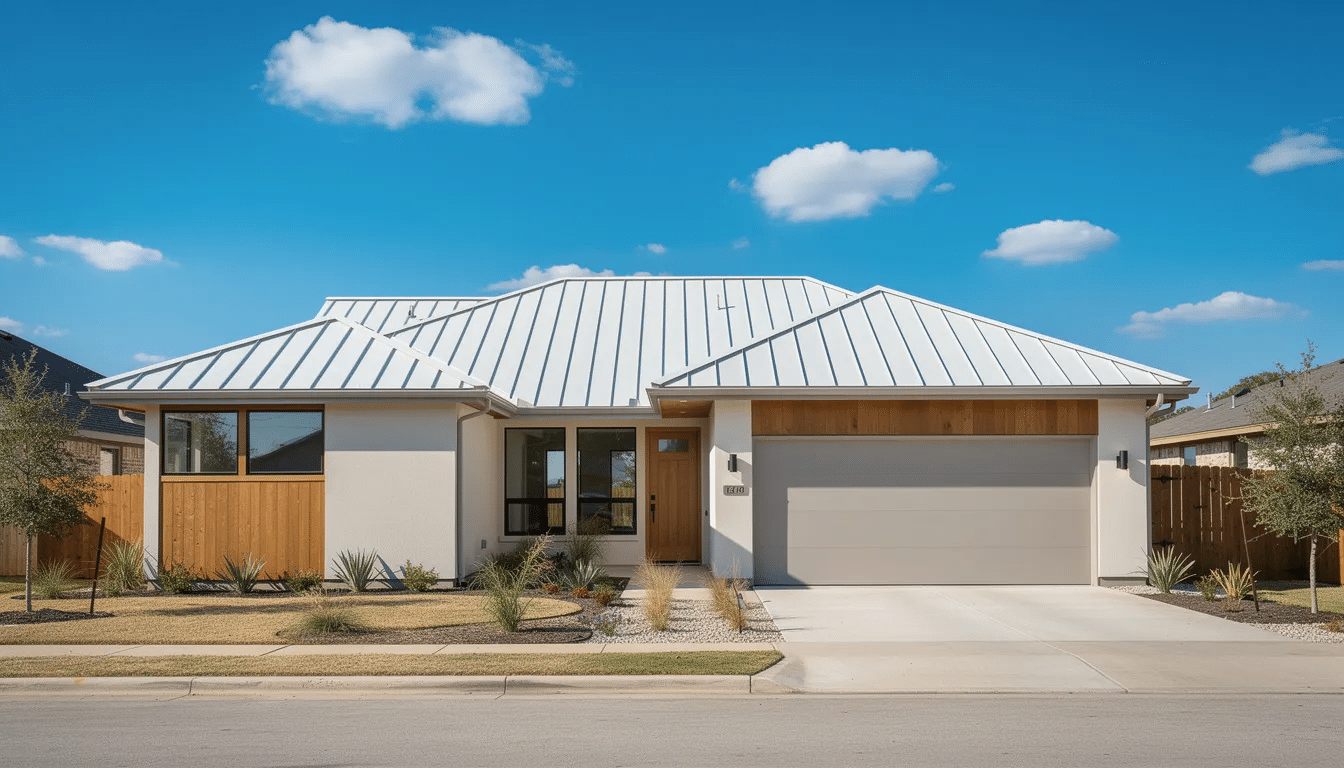
What Makes a Roofing System Energy Efficient?
Before diving into specific materials, it’s important to understand that energy efficiency depends on the whole roof system—not just the shingles or panels you see from the street. The roof covering, decking, underlayment, attic insulation, and ventilation all work together to control how heat moves through your home.
Solar Reflectance (Albedo)
This measures how much sunlight a roof surface bounces back rather than absorbing. A cool-colored metal roofing system with approximately 0.60 reflectance sends 60% of solar radiation back into the atmosphere. Compare that to a dark asphalt roof at just 0.05–0.10 reflectance, which absorbs nearly all incoming solar heat. The difference in attic temperature between these two options can exceed 30°F on a hot Central Texas afternoon.
Thermal Emittance
Even reflective roofing absorbs some heat during the day. Thermal emittance measures how efficiently a material releases that stored heat after sunset. High-emittance coatings on metal and cool roof systems help Austin homes shed heat quickly in the evening, keeping overnight temperatures more comfortable without running the air conditioning all night.
R-Value and Attic Insulation
The R-value indicates how well a material resists heat transfer. For Central Texas attics, energy experts recommend R-38 to R-49 insulation levels. This slows heat flow in both directions—keeping the extreme heat out in August and retaining warmth during February cold fronts. No roof covering, no matter how reflective, can compensate for inadequate attic insulation.
Durability and Color Stability
UV-resistant, light-colored finishes maintain their reflectivity for 15–30 years. Cheaper, darker materials fade and lose performance faster under Central Texas’s intense sun exposure of roughly 2,300 hours annually. When shopping for roofing materials, look for products with Energy Star certification or Cool Roof Rating Council (CRRC) listed specifications—these carry tested reflectance and emissivity data relevant to our hot climate.
Best Energy-Efficient Roofing Materials for Central Texas Homes
Now let’s compare the best roofing materials that perform well across cities like Austin, Pflugerville, Georgetown, and Buda. Each option has distinct advantages depending on your roof pitch, budget, home style, and how long you plan to stay in the property.
The following sections cover metal roofing, cool asphalt shingles, clay and concrete tile roofing, single-ply membranes for low-slope applications, and specialty green roofing solutions. I’ll focus on performance in both the Texas heat and occasional cold, plus weather resistance against hail and high winds.
Standing Seam Metal Roofing
Standing seam steel or aluminum roofs in 24–26 gauge have become extremely popular around Austin for good reason. They offer exceptional reflectivity, remarkable durability with 40–70 year lifespans, and a clean, modern aesthetic that works with many architectural styles.
- Heat reflection: Factory-applied cool roof paints with Kynar-type finishes can keep metal roof surface temperatures 20–40°F cooler than dark asphalt shingles on a 100°F August afternoon. Metal naturally reflects up to 70% of solar energy, compared to just 5–30% for standard shingles.
- Cooling cost savings: Properly installed metal roofs over synthetic underlayment and vented attics can reduce cooling costs by roughly 10–25%, according to industry studies. For a typical Austin-area home, this translates to $300–500 in annual energy savings.
- Winter performance: Metal sheds rare snow and ice quickly during Central Texas cold snaps. When combined with adequate attic insulation, the reflective materials help prevent radiant heat loss, keeping your home warmer on cold January nights.
- Hail and wind resistance: Many standing seam systems carry UL 2218 Class 4 impact ratings and wind ratings of 120 mph or higher. This makes them well-suited for severe storm events common in Williamson and Hays counties, and often qualifies homeowners for insurance discounts.
- Considerations: Metal roofing carries higher upfront costs than 30-year shingles. Aesthetic concerns like oil-canning (visible waviness) can occur with improper installation. Work with experienced professionals who understand flashing details around chimneys, skylights, and low-slope transitions.
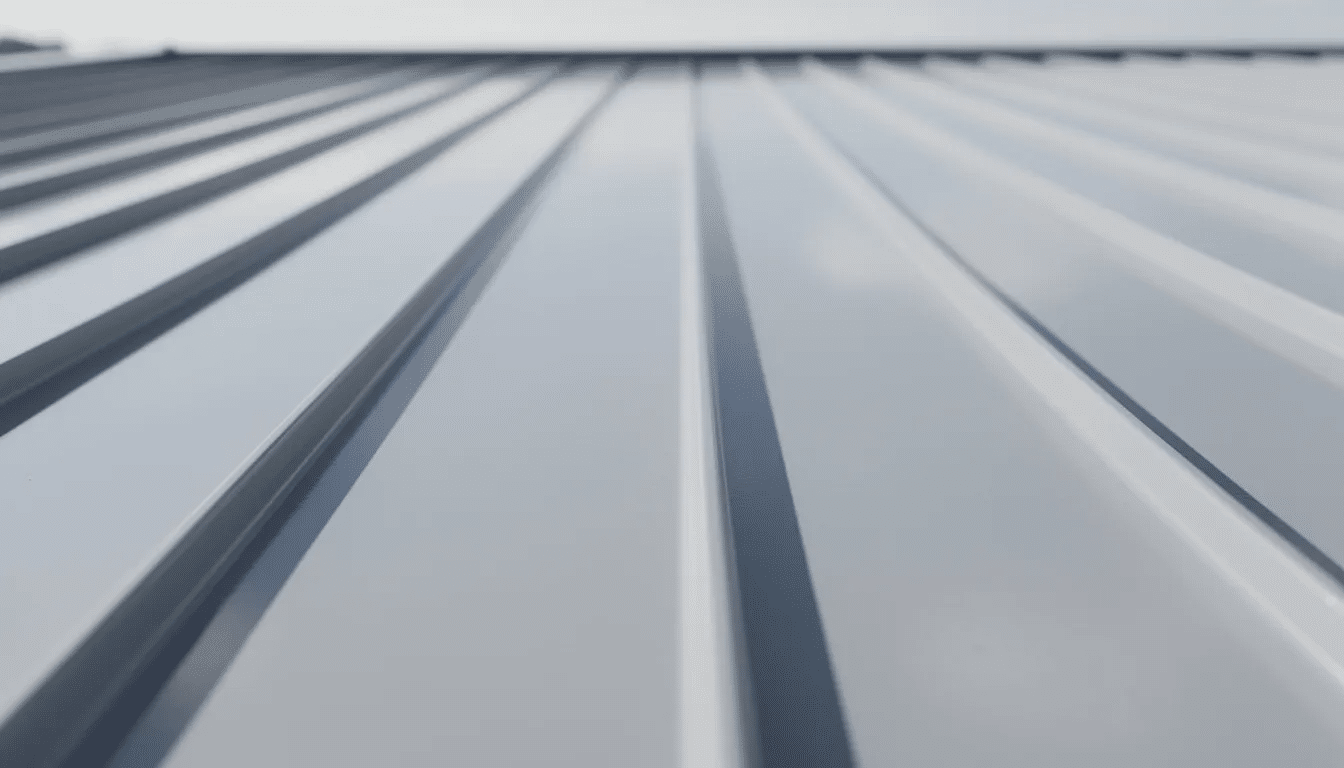
Cool Asphalt Shingles (Reflective Shingle Systems)
Cool roof asphalt shingles from manufacturers like Owens Corning, GAF, and CertainTeed use special light-reflective granules embedded in the shingle surface. These products have become increasingly common in Austin subdivisions built or reroofed after 2020, offering a balance between performance and affordability.
- Surface temperature reduction: Cool shingles can lower roof surface temperature by 20–50°F compared with standard dark 3-tab shingles, especially in colors like light gray, buff, or weathered wood tones. This directly reduces the heat absorption that overheats your attic.
- Affordability: Reflective asphalt shingle options usually cost only modestly more than standard architectural shingles—making them a smart investment for budget-conscious homeowners in Round Rock or Kyle who still want to reduce cooling costs.
- Lifespan and durability: Expect 25–30 years of service life in the Central Texas sun when ventilated correctly. For hail-prone areas, consider Class 3–4 impact-rated options that can withstand harsh weather conditions.
- Winter benefits: By limiting daytime attic overheating and reducing nighttime heat loss, cool shingles help stabilize attic temperatures year-round. Pair them with R-38+ insulation and proper ridge/soffit vents for best results.
- Color matters: Your color choice strongly affects energy efficiency. Encourage yourself to choose the lightest color allowed by HOA rules to maximize reflectivity. Even moving from charcoal to medium gray can make a measurable difference in how much less heat enters your home.
Clay and Concrete Tile Roofing
Clay and concrete tiles are common on higher-end homes in West Austin, Lakeway, and parts of the Texas Hill Country, where Mediterranean and Spanish architectural styles are popular. Beyond their curb appeal, these roofing solutions offer genuine energy benefits through a principle called thermal mass.
- Thermal mass effect: Tile’s density and the air space beneath each curved piece slow heat transfer significantly. The tiles absorb solar heat slowly during the day and release it gradually at night, smoothing out temperature swings inside your home rather than creating sudden peaks like other roofing materials.
- Energy performance: In Central Texas, a clay tile roof over proper battens and radiant barrier decking can substantially reduce afternoon attic temperatures versus standard asphalt shingles. Studies show 15–25% reductions in HVAC load.
- Cold weather performance: That same thermal mass helps hold warmth during short cold snaps, reducing overnight heat loss when combined with adequate attic insulation. The tiles essentially work as a thermal buffer in both directions.
- Structural considerations: Tiles are heavy—8–10 lbs per square foot compared to metal’s 1.5 lbs. This often requires engineering checks and possible rafter reinforcement, adding to the upfront cost. Concrete tile roofing offers similar performance at lower cost than traditional clay tiles.
- Longevity: With professional installation, expect 50+ year lifespans for both clay and concrete tiles. They offer strong resistance to UV damage, resist fire (Class A rating), and handle typical Texas winds well. Some tiles can crack under large hail, so ask about impact-resistant options if you’re in a hail-prone area.
TPO and PVC Single-Ply Cool Roofs (For Low-Slope Roofs)
For low-slope or flat roof sections—common on modern homes in East Austin, detached garages, and commercial buildings across Travis County—single-ply membranes offer the most practical cool roofing materials available.
- Superior reflectivity: White TPO (thermoplastic polyolefin) and PVC membranes typically achieve very high solar reflectance values of 0.70 or higher. This dramatically reduces roof surface temperatures during peak summer, keeping the structure below cooler than nearly any other roofing materials.
- Waterproof design: These materials install as continuous watertight sheets with heat-welded seams, making them excellent for flat roofs where ponding water is a concern. The seamless construction prevents leaks common with other low-slope systems.
- Winter contribution: While TPO and PVC excel at reflecting summer solar heat, their primary winter contribution is moisture control and durability. Energy savings during cold months depend more heavily on insulation installed under the membrane.
- Insulation integration: Building owners often add rigid polyiso insulation boards under TPO/PVC to reach target R-values. This combination of reflective materials and solid insulation creates an effective thermal barrier for commercial or multifamily roofs in Austin and San Marcos.
- Installation importance: Professional installation is critical. A poorly installed roof with inadequate seaming, sloppy edge details, or missing walk pads can significantly shorten the 20–30 year lifespan these roof systems are capable of achieving.
Green Roofs and Roof Gardens (Specialty Option)
Extensive green roofs remain relatively rare on single-family homes in Central Texas, but they’re increasingly appearing on flat-roof commercial and multifamily projects in downtown Austin. These innovative solutions combine environmental impact reduction with genuine energy benefits.
- System components: Green roofing involves multiple layers—waterproof membrane, root barriers, drainage layer, growing media, and drought-tolerant plants. Together, these create a living insulation system that dramatically reduces heat absorption.
- Thermal performance: Vegetated roofs can reduce peak roof surface temperatures by 50–70°F and provide R-values of 20–40 depending on soil depth. EPA research confirms significant building energy efficiency improvements in hot climates.
- Central Texas adaptations: Success requires drought-adapted plants (native sedums, grasses), irrigation planning for extended dry periods, and structural analysis to accommodate additional dead and live loads. These aren’t DIY projects.
- Environmental benefits: Beyond lower energy bills, green roofs help mitigate the urban heat island effect, improve stormwater management during heavy spring and fall thunderstorms, and create habitat for pollinators in urban areas.
- Investment level: This is a premium, highly engineered solution requiring design input from roofing, structural, and landscape professionals familiar with Austin codes and climate. Costs range from $20–50 per square foot, making it impractical for most residential applications but increasingly cost-effective for larger commercial projects using recycled materials in the growing medium.
Roof Color, Coatings, and Heat-Reflective Technologies
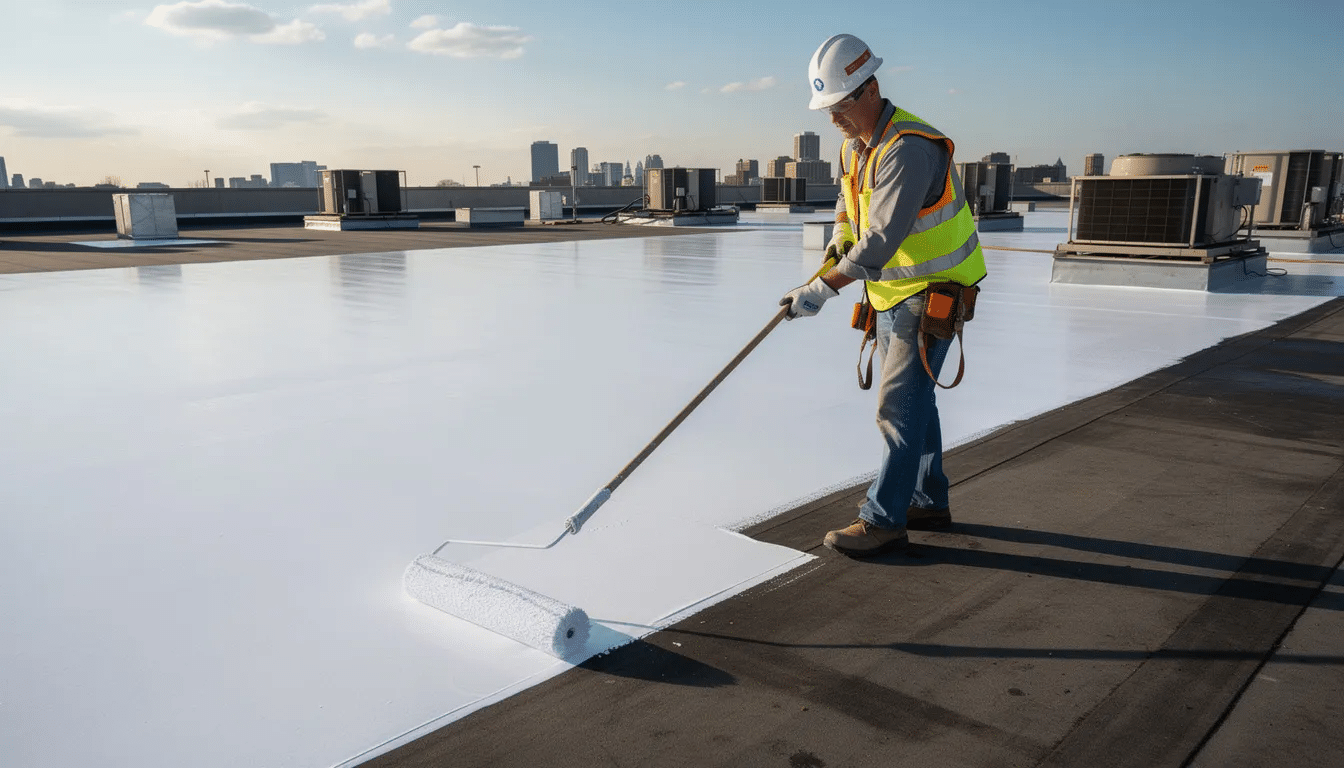
You don’t always need a full roof replacement to improve energy efficiency. Sometimes simply choosing a lighter color during re-roofing or applying a cool roof coating to an existing system can dramatically reduce how much solar heat your roof absorbs.
Light vs. Dark: The Numbers
The difference is substantial. A white TPO membrane in Central Texas summer conditions might maintain a surface temperature of 110°F while a charcoal asphalt shingle reaches 170°F or higher. That 60°F difference translates directly to cooler attic temperatures, lower indoor temperatures, and reduced air conditioning runtime.
Reflective Coatings Options – Learn more about key factors in commercial roofing systems.
Several coating types can improve existing roofs, including standing seam metal roofing and others standing seam metal roofs:
| Metal roof installation in Austin Coating Type (metal roofing services) | Best Applications | Benefits |
|---|---|---|
| Acrylic | Metal, modified bitumen | Affordable, good reflectivity, easy application |
| Silicone reflective roof coatings | Low-slope roofs, areas with ponding water | Excellent water resistance, maintains reflectivity |
| Elastomeric | Various substrates | Flexible, seals minor cracks, good UV resistance |
These cool roof coatings are commonly applied to metal roofs, modified bitumen systems, and older low-slope roofs throughout Austin. They reflect solar radiation while sealing minor surface cracks.
Important Limitations
Coatings aren’t a cure for rotten decking, major leaks, or structural damage. Additionally, some shingle manufacturers may void warranties if field-applied coatings are used. Always confirm with your manufacturer and roofing contractor before coating an asphalt roof.
Maintenance Requirements
Plan to re-coat every 10–15 years depending on product choice and UV exposure. Annual cleaning to remove dirt, debris, and biological growth helps preserve reflectivity. Ask your roofer for products listed with the Cool Roof Rating Council (CRRC) or carrying Energy Star certification—these carry independently tested reflectance and emissivity data.
Designing the Whole Roof System for Year-Round Comfort
In Central Texas, the most effective energy efficient roofing combines reflective surface materials, solid insulation, and balanced ventilation. Here’s how to design a complete system that performs well through both the brutal August heat and those surprise February freezes.
Attic Insulation
Target R-38 or higher for most homes around Austin. Common options include:
- Blown-in fiberglass: Cost-effective, good coverage in irregular spaces
- Dense-pack cellulose: Made from recycled materials, excellent air sealing properties
- Spray foam: Highest R-value per inch, creates air barrier, but higher cost
Inadequate insulation undermines even the most reflective roof. Heat transfer doesn’t care how expensive your roofing was if there’s only R-19 insulation between the attic and your living space.
Balanced Ventilation
Proper attic ventilation—continuous soffit vents paired with ridge vents—serves two critical functions:
- In summer, it exhausts superheated attic air, preventing temperatures from reaching extreme levels even when roof surfaces get hot
- In winter, it prevents moisture buildup that can damage insulation, decking, and create conditions for mold growth
The goal is continuous airflow from soffit to ridge. Avoid mixing ventilation types (power vents with ridge vents) which can disrupt this natural convection.
Radiant Barriers
Radiant barrier decking or stapled foil systems reflect radiant heat away from the attic space. When combined with other efficiency upgrades, radiant barriers can reduce attic temperatures by an additional 10–20°F during peak summer conditions. They’re particularly effective in combination with reflective roofing.
Air Sealing
Don’t overlook air sealing. Gaps around recessed can lights, top plates, HVAC duct penetrations, and attic access doors allow conditioned air to escape and unconditioned air to enter. Sealing these penetrations improves both summer cooling efficiency and winter comfort, reducing the load on your air conditioning and heating systems.
Cost, Payback, and Incentives for Efficient Roofs in Central Texas
Energy efficient roofing options—metal, tile, cool shingles, and coated systems—typically cost more upfront than basic 3-tab asphalt shingles. But the real question is total cost of ownership over the roof’s lifetime, not just installation price.
General Cost Ranges
| Material Category | Relative Cost | Typical Lifespan |
|---|---|---|
| Standard 3-tab shingles | Lowest | 15-20 years |
| Cool architectural shingles | Slightly above standard | 25-30 years |
| Standing seam metal | Moderate to high | 40-70 years |
| Clay and concrete tile | High | 50-75 years |
| Green roofs | Premium specialty | 40+ years |
Payback Analysis
For many Austin-area homes, expect a 5–12 year payback period for cool shingle or metal upgrades when factoring in:
- Reduced summer electricity use (10-25% lower cooling costs)
- Extended roof lifespan compared to standard materials
- Potential insurance discounts for impact-resistant roofing (up to 35% in hail-prone areas)
- Lower maintenance costs over time
Available Incentives
As of January 1, 2026, federal tax credits and local rebates for solar installations and some cool roof products have expired and are no longer available. Homeowners should check with local utility companies or state programs for any new or existing incentives that may apply.
Getting Accurate Estimates
Obtain at least two or three written estimates from local, licensed roofing companies. Ask that estimates include:
- Projected energy savings or efficiency benefits
- Manufacturer warranty details
- Labor warranty terms
- Ventilation and insulation recommendations
- Timeline and permit information
Choosing the Right Energy-Efficient Roof for Your Central Texas Home
The “best” energy efficient roofing option depends on your specific situation—roof pitch, home architectural style, budget constraints, HOA appearance rules, and how long you plan to stay in the property. There’s no one-size-fits-all answer.
For Steep-Slope Roofs with Long-Term Plans
If you’re planning to stay in your home for 15+ years and have a sloped roof, consider standing seam metal roofing or quality tile roofing for the optimal combination of durability, energy efficiency, and curb appeal. The higher upfront investment pays off through decades of lower energy bills and minimal maintenance.
For Budget-Conscious Homeowners
Cool architectural shingles represent a strong middle-ground for many existing homes across Austin, Georgetown, and San Marcos. They deliver measurable cooling cost reductions while meeting most HOA requirements and keeping the new roof investment manageable.
For Low-Slope and Flat Roofs
Prioritize TPO, PVC, or similar cool single-ply roof systems. These can be supplemented with reflective coatings as they age. This approach works especially well for duplexes, modern flat-roof homes, and small commercial buildings throughout Travis County.
Questions to Ask Potential Contractors
When interviewing roofing contractors, cover these essential topics and consider asking about 2026 roofing trends:
- Local project references you can contact
- Manufacturer certifications (Owens Corning, GAF, CertainTeed, major metal panel suppliers)
- Their ventilation and insulation recommendations for your specific home
- How the proposed system will perform in both 100°F heat and rare winter freezes
- Warranty terms for both materials and labor
- Permitting and inspection process
Ready to Take the Next Step?
The right roofing material combined with proper installation, adequate insulation, and balanced ventilation creates a home that beats the Central Texas heat all summer while staying comfortable during winter cold fronts. Contact a reputable Central Texas roofing contractor for an on-site assessment and a tailored energy efficiency plan for your roof and attic. The cost savings and comfort improvements make this a smart investment for any homeowner planning to stay in their home for years to come.

Frequently Asked Questions
How much can an energy-efficient roof really lower my electric bill in Austin?
Actual savings depend on your home’s size, existing insulation levels, HVAC system efficiency, and thermostat habits. However, many Central Texas homeowners who replace dark, aging shingles with reflective metal or cool shingles—while also improving attic insulation—see cooling costs drop by roughly 10–30% over a typical May through September cooling season. For a home spending $300 monthly on summer electricity, that translates to $30–90 in monthly savings during peak cooling months.
For a better understanding of potential costs, use our roofing cost calculator.
Will a more reflective roof make my home colder in the winter?
Central Texas winters are relatively mild and short, so the benefit of reflecting summer heat far outweighs any minor winter drawback. More importantly, good insulation and air sealing—not roof color—are what primarily keep heat inside on cold nights. A well-insulated attic with R-38 or higher insulation retains warmth regardless of whether your roof is white or dark gray. The math strongly favors reflectivity in our climate.
Can I install solar panels on an energy-efficient metal or tile roof?
Yes, and metal roofs are actually ideal for solar PV installations. Standing seam profiles allow panels to clamp directly to the raised seams without any roof penetrations, reducing leak risk and simplifying installation. Tile roofs can also support solar with specialized mounting hardware, though installation requires more care to avoid cracking tiles. The key is coordinating between your roofing contractor and solar installer before any work begins—ideally choosing both companies at the same time for a new roof project.
Do energy-efficient roofing materials qualify for insurance discounts in Central Texas?
Many insurers offer premium reductions for impact-resistant Class 3 or Class 4 rated roofing, which includes certain metal panels and reinforced architectural shingles. Discounts can reach 35% on the dwelling coverage portion of your policy in hail-prone Central Texas counties. Check with your specific insurance company before selecting materials—they may have a list of approved products or required documentation to qualify for the discount.
How do I know if my existing roof is a good candidate for a reflective coating instead of a full replacement?
A professional roof inspection by an experienced roofing contractor should evaluate age, current leak status, decking condition, and membrane or shingle integrity. Cool roof coatings work best on roofs that remain structurally sound but are losing surface reflectivity due to age and weathering. Roofs with widespread leaks, soft or rotting decking, or severely deteriorated membranes typically need full replacement rather than coating. A coating over a failing roof simply delays the inevitable while wasting money on a temporary fix.
Contents
- Why Energy-Efficient Roofing Matters in Central Texas
- What Makes a Roofing System Energy Efficient?
- Best Energy-Efficient Roofing Materials for Central Texas Homes
- Roof Color, Coatings, and Heat-Reflective Technologies
- Designing the Whole Roof System for Year-Round Comfort
- Cost, Payback, and Incentives for Efficient Roofs in Central Texas
- Choosing the Right Energy-Efficient Roof for Your Central Texas Home
- Frequently Asked Questions

