
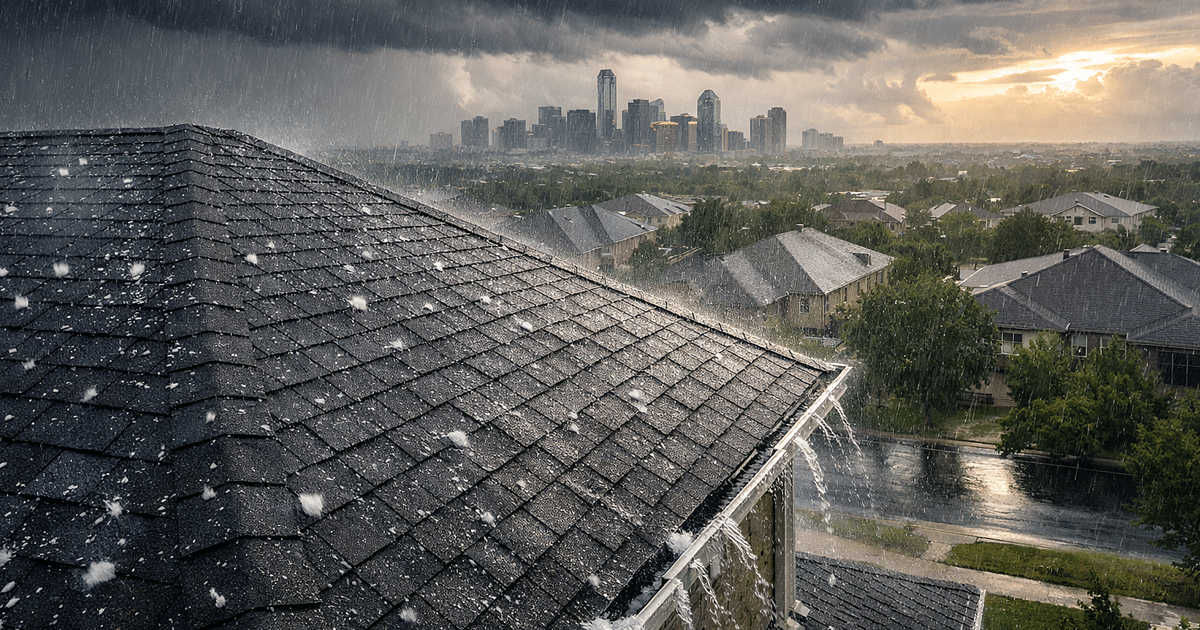
If you’ve lived through even one spring in Central Texas, you already know storms here don’t mess around. Between hail, sudden wind bursts, and heavy rain that shows up fast, your roof takes a beating whether you notice it right away or not. That’s why understanding how shingle roofs perform in Austin Texas storms matters more than most homeowners think. It’s not just about whether your roof survives the next storm. It’s about how much life it loses each time one rolls through.
Around Austin, shingles are still the most common roofing material you’ll see driving through neighborhoods in places like Round Rock, Cedar Park, and South Austin. But not all shingle roofs handle storms the same way. Some hold up for years with minimal issues, while others start showing damage after just one or two strong events. A lot of that comes down to the type of shingles installed, how they were put on, and whether the roof has already taken hits from past storms.
It might not be obvious from the ground, but storm damage isn’t always loud or dramatic. Sometimes it’s subtle. Granules get knocked loose. Seals weaken. Shingles take small hits that don’t leak right away but slowly shorten the lifespan of the entire system. Then a few months later, during a heavy rain, you start seeing stains on the ceiling and wonder what happened.
This guide walks through what’s actually happening up there during Austin’s storm season. We’ll break down how different types of shingles respond to hail, wind, and heavy rain, what signs to watch for after a storm, and when it makes more sense to upgrade instead of patching the same problem over and over.
Key Takeaways
- Modern asphalt shingles, especially class 4 impact resistant shingles, handle Austin’s hail, wind gusts over 60 mph, and heavy rainfall far better than older 3-tab roofs still common on homes built before 2010.
- Hail and straight-line thunderstorm winds are the primary threats to Texas roofs in Travis, Williamson, and Hays Counties, with the worst severe weather events hitting between March and June each year.
- Proper installation, quality roofing materials, and annual roof inspections dramatically reduce emergency repairs and extend your roof’s lifespan by years.
- Many Austin homes re-roofed after the major 2016–2023 hail storms now use impact resistant roofing materials, but thousands of older roofs remain vulnerable to the next big event.
- This guide breaks down exactly how different shingle types perform in local storm conditions so you can make smarter decisions about roof repair, upgrades, and insurance.
How Austin’s Storms Really Affect Shingle Roofs
If you’ve lived in Central Texas for even a few years, you know what storm season looks like. From March through June, supercell thunderstorms roll across Round Rock, Cedar Park, Pflugerville, and South Austin with alarming regularity. These aren’t gentle spring showers—they’re intense systems that can wreak havoc on homes in a matter of minutes.
Asphalt shingles dominate Austin’s residential roofing landscape. Drive through any neighborhood in Travis, Williamson, or Hays Counties, and you’ll see shingle roofs on the vast majority of homes. That makes understanding how these roofing materials perform in Texas weather critical for local homeowners.
The storms that matter most to your roof shingles fall into three categories:
- Hail: Often quarter- to golf ball sized hail, sometimes reaching 1.5 to 2 inches in diameter during severe storms
- Straight-line winds: Frequently exceeding 60 mph, with occasional microbursts reaching higher
- Intense downpours: Several inches of rain in just a few hours, overwhelming gutters and exposing weak points
Major hailstorms in 2016, 2019, 2021, and 2023 each triggered thousands of insurance claims across the Austin metro. If your roof survived those events, that’s great—but the next storm is always coming.
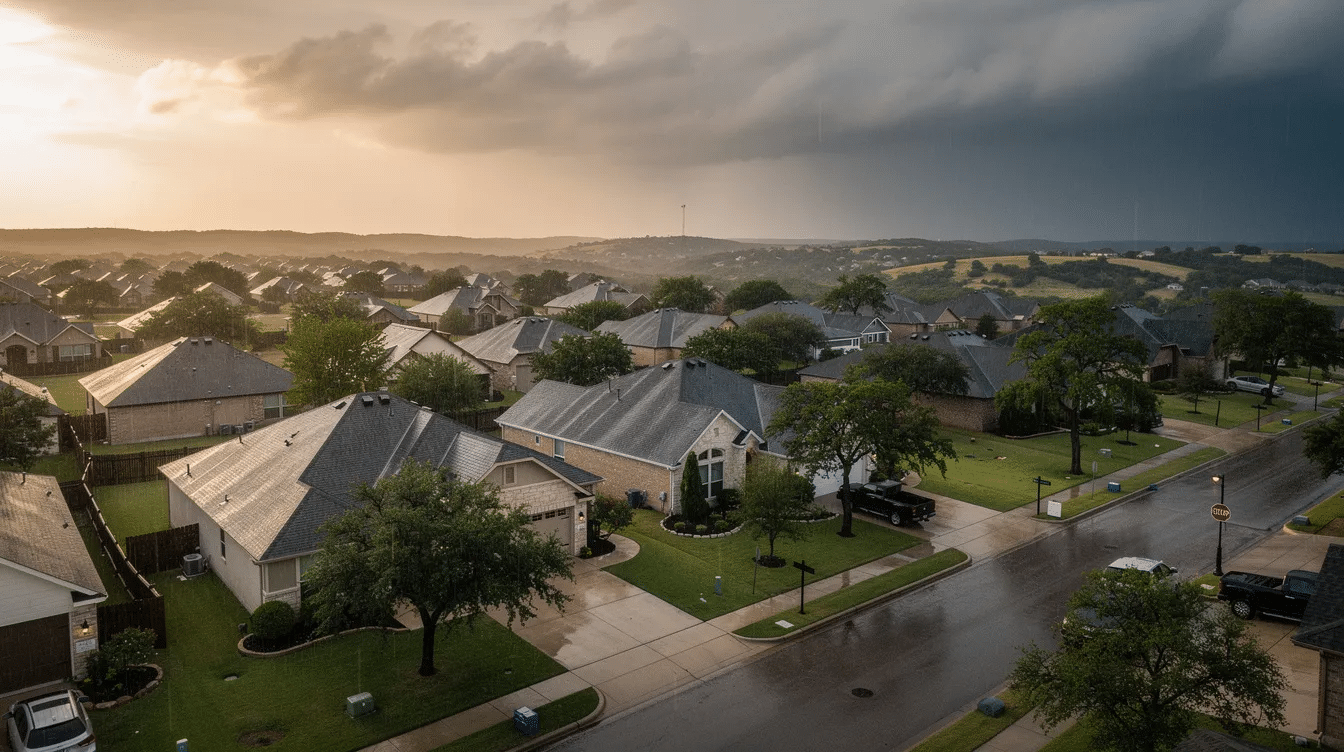
How Shingle Roofs Handle Hail in Austin
Hail damage is the number one concern for Austin homeowners when storm season arrives. Understanding how hail actually damages shingles helps you know what to look for and why some roofs fail while others hold up.
When hail strikes your roof surface, three things can happen:
- Granule crushing: The ceramic granules that protect shingles get crushed or knocked loose
- Mat bruising: The underlying asphalt mat gets compressed, creating soft spots
- Puncture damage: In severe hail impact situations, stones punch through to the underlayment
Typical Austin hail ranges from pea-sized to golf ball sized hail. Standard asphalt shingles—especially the thin 3-tab variety common on homes built before 2010—respond poorly to repeated impacts. Each strike crushes granules and weakens the mat, even if the damage isn’t immediately visible.
Here’s what makes granule loss such a problem in Texas: once those protective granules are gone, Austin’s intense UV exposure accelerates shingle aging. A roof that should last 25 years might fail in 15 because hail stripped away its sun protection and combined with other common causes of roof damage.
Real-world examples tell the story clearly. After severe storms hit ZIP codes like 78745 and 78758, widespread roof replacement followed in neighborhoods dominated by older shingle roofs. Many homeowners discovered their minor damage from spring hail became major roof leaks during summer thunderstorms.
The tricky part? Visible damage and actual damage aren’t always the same thing. You might not see dents from the ground, but soft bruised spots in your shingles are quietly shortening your roof’s lifespan.
Class 4 Impact-Resistant Shingles vs. Standard Shingles
Class 4 impact resistant shingles represent the highest rating for hail resistance. The rating comes from the UL 2218 test, where a 2-inch steel ball drops from 20 feet onto the shingle. To earn Class 4 status, the shingle must show no cracks or full-thickness penetration.
How do these impact resistant materials actually perform differently than standard shingles?
| Feature | Standard 3-Tab Shingles | Class 4 Impact Resistant |
|---|---|---|
| Mat construction | Single layer, basic fiberglass | Reinforced fiberglass with polymer-modified asphalt |
| Impact response | Cracks, bruises, granule loss | Flexes and recovers |
| Wind rating | 60-70 mph | Up to 130 mph |
| Claim frequency | Baseline | 60-75% fewer claims |
| Typical lifespan in Austin | 15-20 years | 25-35+ years |
| The polymer-modified asphalt and reinforced fiberglass mats in impact resistant roofing systems allow them to flex when hail strikes rather than crack. That’s a fundamental difference in how they handle repeated abuse. |
During recent Austin hail storms, the contrast was stark. Homes with older 3-tab roofs often needed full tear-offs and replacements. Neighboring homes with Class 4 roofs required only minor repairs—or filed no claim at all.

Wind Performance: How Shingles Stand Up to Central Texas Gusts
Most severe wind damage on Austin roofs doesn’t come from tornadoes. It comes from straight-line thunderstorm winds—the kind that roll through on a Tuesday afternoon in April and send patio furniture flying.
Wind ratings on shingles tell you what speeds they’re designed to withstand hail and wind gusts:
- Older 3-tab shingles: 60-70 mph
- Modern architectural shingles: 80-110 mph
- Upgraded Class 4 systems: Up to 130 mph when installed correctly
That range matters because Austin regularly sees wind gusts over 60 mph during severe storms. If your roof is covered in aging 3-tab shingles rated for 60 mph, you’re living right at the edge of failure during every significant wind event.
What makes the difference? Heavier, laminated shingles with better adhesive sealant strips resist wind uplift more effectively than lightweight traditional shingles approaching end-of-life. The adhesive strip that bonds each shingle to the one below is your main defense against high winds.
Common wind damage Austin homeowners see after storms, including missing roof shingles that expose underlying layers:
- Lifted shingles along roof edges and eaves
- Creased or folded shingle tabs
- Missing shingles, especially around ridges and rakes
- Debris-driven punctures from branches
Wind resistance isn’t just about the shingle—it’s about how well everything is fastened down and sealed together.
Why Installation Quality Matters So Much in Austin Winds
Even premium impact resistant roofing materials fail early when installation cuts corners. In extreme wind conditions, proper installation is the difference between a roof that holds and one that peels away.
Here’s what goes wrong with improper installation:
- High nailing: Nails placed too close to shingle edges instead of in the designated nail zone
- Too few nails: Using 4 nails per shingle when 6 are required in high-wind zones
- Skipping starter strips: Leaving edge shingles vulnerable to uplift
- Poor sealant activation: Not allowing time for adhesive strips to bond before the next storm
Many roofs installed quickly after the big 2016-2021 hail events may have these problems. Contractors rushing to complete jobs sometimes cut corners, leaving homeowners with roofing system failures showing up in 50-60 mph gusts rather than the 110 mph the shingles were rated for.
Areas most vulnerable on local homes include:
- Eaves and rakes along roof edges
- Hip and ridge caps
- Sections exposed to open fields or greenbelts where wind accelerates
When you’re talking to a roofing contractor about replacement, ask specifically about manufacturer-certified installation methods and written wind warranties, and take time to evaluate reputable roofing companies after storms. In neighborhoods that regularly get hit by Texas storms, those details matter.
Heavy Rain, Leaks, and Austin’s Intense Downpours
Shingles are designed to shed water. A properly functioning roof handles heavy rain without issue. The problem arises when hail or wind has already compromised your shingles, flashing, or seals—then heavy rainfall exposes every weakness.
Austin’s cloudbursts drop several inches of rain in just a few hours. That volume of water quickly finds any path into your home that exists. Water infiltration typically shows up at:
- Roof valleys where two slopes meet
- Roof-to-wall transitions where shingles meet siding
- Skylight and vent perimeters
- Anywhere flashing has lifted or corroded
Clogged or undersized gutters make everything worse. Older Austin neighborhoods often have gutters that can’t handle modern storm intensities. When water backs up under shingle edges and fascia, even minor damage becomes a significant problem unless you take steps to waterproof and protect your roof against heavy rainfall.
Here’s a scenario that plays out every year: A homeowner’s roof takes minor hail damage in April. No obvious leaks appear, so nothing gets inspected or repaired. Come June, a heavy thunderstorm arrives, and suddenly there are water spots on the ceiling and damp insulation in the attic. The original hail damage created vulnerabilities that only showed up under intense rain.
The Role of Underlayment and Ventilation
Modern synthetic underlayments used on many recent Austin roof replacements add a critical backup layer. If storm damage compromises your shingles, quality underlayment buys you time before water reaches your decking and attic.
In homes with older felt underlayment, hail and wind damage to shingles more quickly translates to interior leaks. The felt degrades faster and provides less protection when traditional materials above it fail.
Proper attic ventilation plays a supporting role that many homeowners overlook:
- Helps shingles cool between heat waves
- Reduces thermal expansion stress
- Slows curling and aging
- Prevents ice dam formation during rare freezes
While underlayment and ventilation don’t stop hail or wind, they improve how your overall roofing system handles repeated storm cycles. A well-ventilated roof with quality underlayment performs better over 20-30 years than an identical roof without those features.
When you’re replacing shingles after an insurance claim, consider upgrading both underlayment and ventilation. The incremental cost is small compared to the long-term performance improvement.
Signs Your Shingle Roof Didn’t Handle the Storm Well
After a major storm, you need to know whether your roof came through intact. This isn’t about climbing up with a ladder—it’s about knowing what to look for from the ground and inside your home.
Exterior warning signs you can spot from the yard:
- Missing shingles or sections of exposed underlayment
- Lifted, curled, or creased shingle tabs
- Exposed nail heads where shingles have slipped
- Scattered granules in downspouts and at the base of downspouts
- Dented metal vents, gutters, or flashing
Interior warning signs that suggest roof damage:
- New water spots on ceilings, especially after storms
- Damp or musty smells in the attic
- Bubbling or peeling paint near exterior walls
- Daylight visible through roof boards in the attic
The challenge with storm damage is that some of the worst issues aren’t visible from ground level. Hail can bruise shingles without creating obvious dents, and that damage shortens your roof’s lifespan even if you never see a leak.
After any storm with significant damage reported in your area—or if neighbors are getting emergency tarps or insurance adjusters are visiting the street—schedule a professional roof inspection. Regular roof inspections to catch issues like leaks, granule loss, and sagging early are critical because what you can’t see from the driveway could be costing you years of roof life.
When It’s Time to Upgrade, Not Just Repair
Sometimes minor repairs make sense. Other times, you’re throwing money at a roof that needs replacing, and a full roof replacement from an experienced Austin contractor is the better long-term solution. Here’s when upgrading becomes the smarter choice:
- Age: Roofs over 15-20 years old in Austin’s climate are approaching end-of-life
- Claim history: Multiple past hail claims suggest chronic vulnerability
- Widespread granule loss: When all slopes show significant granule shedding
- Repeated patching: When you’ve repaired the same areas multiple times
Upgrading from 3-tab to architectural or Class 4 impact resistant shingles after a major storm resets your roof’s lifespan and dramatically improves storm resilience. Working with trusted Austin roof repair specialists for that upgrade ensures you’re not just repairing damage—you’re buying 25-35 more years of enhanced durability.
Consider future storm patterns too. Travis and Williamson Counties have seen more frequent hail reports in recent years. Investing in resistant roofing materials now pays off over time as extreme weather events continue.
The smartest approach combines a roof upgrade with:
- Better gutter systems (consider installing gutter guards)
- Updated flashing at vulnerable transitions
- Improved attic ventilation
Don’t limit your thinking to “just what insurance will cover.” What will perform best over the next 20-30 years in Austin’s storm zone? That’s the question that saves money long-term.
Cost, Insurance, and Long-Term Value in Austin’s Storm Zone
Impact resistant shingles and upgraded roofing systems cost more upfront. In Austin’s frequent severe weather, though, the long-term math looks different than it does in calmer regions.
Typical cost ranges in Central Texas:
| Shingle Type | Upfront Cost | Typical Replacement After Storm | Insurance Claim Frequency |
|---|---|---|---|
| Basic 3-tab | Lowest | $12,000-$18,000 | Baseline |
| Architectural | Mid-range | Reduced 40-50% | 40-50% fewer claims |
| Class 4 Impact-Resistant | Premium | Often just $1,500-$3,000 in minor repairs | 60-75% fewer claims |
| Repeated costly repairs, emergency tarping, and interior water damage from roof leaks can quickly erase any “savings” from choosing cheaper shingles. After two or three storm seasons with damage, the budget option becomes the expensive option. |
Many insurance companies in Texas offer premium discounts for Class 4 roofs—typically 15-35% depending on the carrier. Requirements and savings vary, so check with your specific provider. These discounts, combined with dramatically lower repair costs, often make premium roofing materials financially attractive over a typical homeownership period.
Before a major roof replacement, talk to both your roofing contractor and insurance agent. Understand your coverage, code upgrade allowances, and available discounts. That conversation could save you thousands.
Working With Insurance After an Austin Storm
Navigating insurance claims after storm damage doesn’t have to be complicated, but documentation and process matter, and partnering with professional storm damage roof repair services that understand insurance makes the process smoother.
Practical steps that help:
- Document damage with photos immediately after the storm
- Note the storm date for your records
- Request a thorough professional inspection
- Keep all contractor estimates and inspection reports
When adjusters evaluate your claim, they look for consistent hail or wind patterns across roof slopes, soft spots in damaged shingles, and collateral damage on gutters, vents, and metal panels. They’re trying to match damage to a specific storm event.
Having a reputable local roofing contractor present during the adjuster’s visit helps. They can point out less obvious shingle damage—bruising, minor damage that will worsen, compromised seals—that adjusters might miss in a quick inspection.
Texas policies typically allow 6-12 months to file or reopen claims after severe storms, but check your specific policy language. Better shingles and thorough documentation streamline future claims and reduce out-of-pocket surprises when the next storm season arrives, especially when you have access to fast emergency roofing services in Austin for storm damage.
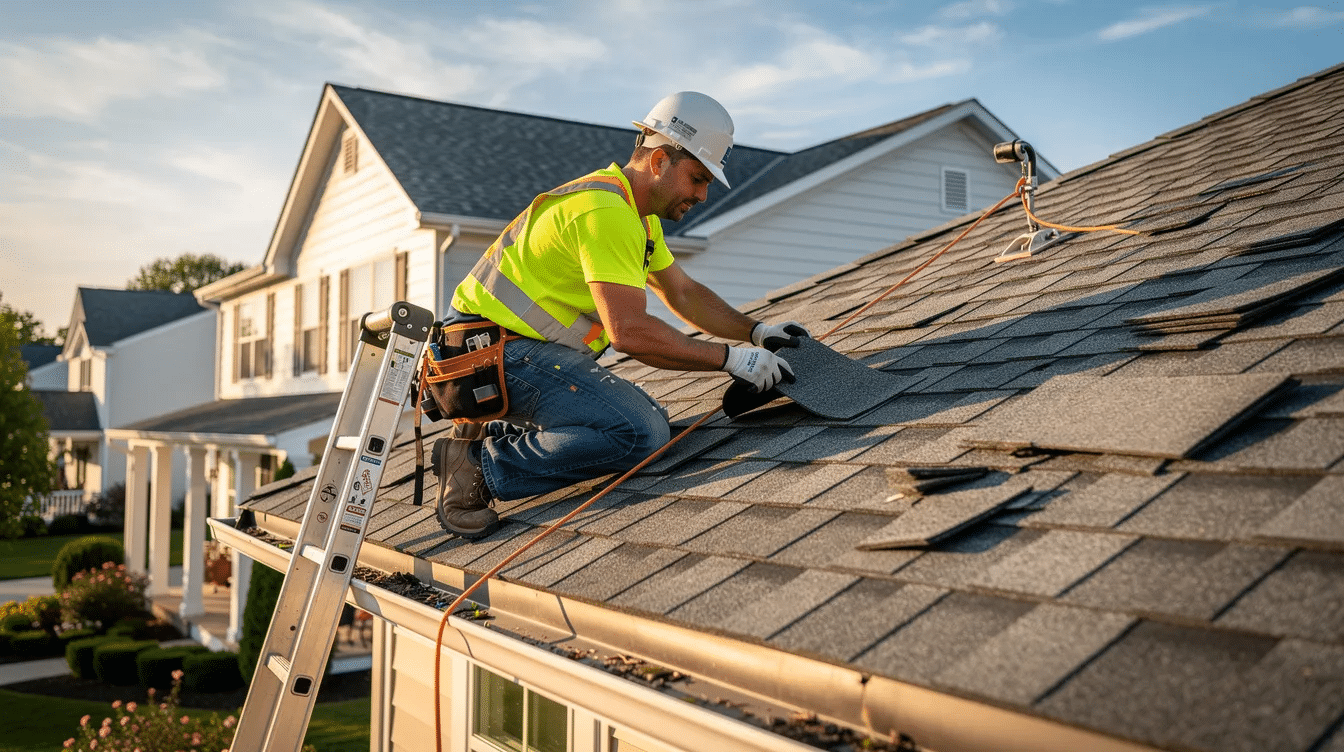
How to Help Your Shingle Roof Perform Better Before the Next Storm
Proactive maintenance costs far less than emergency storm repairs. Here’s your annual checklist for preparing your roof for Austin’s storm season:
Before peak season (March-June):
- Schedule a professional roof inspection to catch issues early
- Clean and check gutters and downspouts for debris accumulation
- Ensure water can drain efficiently during heavy rain events
- Trim overhanging branches that could scrape or puncture shingles
- Clear debris from roof valleys where leaves and branches collect
Documentation to maintain:
- Roof installation date
- Shingle type and manufacturer
- Warranty information and coverage details
- Records of past storm reports and repairs
- Photos of current roof condition
After any significant storm:
If your area reports hail larger than quarters or wind gusts above 55-60 mph, schedule an inspection even if you don’t see visible damage from the ground. The experienced team at a reputable roofing company can spot issues you’d miss, and early detection prevents small problems from becoming costly repairs.
Regular roof maintenance isn’t exciting, but it’s the cheapest way to extend your roof’s lifespan and maintain gutters and roofing systems that can handle whatever Texas throws at them.
FAQ About Shingle Roofs and Austin Storms
How long should a shingle roof last in Austin’s stormy climate?
Manufacturers may rate shingles for 30-50 years, but Austin’s combination of intense UV exposure, high temperatures, and repeated hail and wind events means realistic lifespans are shorter. Most basic shingle roofs last 15-25 years in this climate.
Well-installed architectural and Class 4 impact resistant shingles, combined with good ventilation and regular maintenance, can often reach or exceed 25-35 years. Consider a professional evaluation around the 15-year mark, especially if your roof has already survived multiple severe storms.
Can my shingles be damaged by hail even if I don’t see leaks yet?
Yes. Hail can bruise or crack shingles and strip granules without causing immediate interior leaks. The shingle mat gets compressed at impact points, and granule loss exposes the asphalt to UV degradation.
These hidden issues often show up months later as slow leaks during heavy rain, or as accelerated shingle aging and curling. Getting a post-storm inspection after any event with quarter-size hail or larger reported nearby is the only way to catch this kind of damage before it leads to more significant damage.
Is it worth upgrading to Class 4 shingles if I plan to sell in a few years?
In Austin’s competitive housing market, a newer Class 4 roof can be a meaningful selling point. Buyers increasingly ask about roof age, shingle type, and storm resistance during negotiations—especially buyers who’ve researched insurance costs in storm-prone areas.
Potential premium reductions and fewer storm repairs during the years before selling may still make the upgrade financially attractive. Some tile roofing and metal roofs also offer strong resale appeal, but Class 4 shingles provide excellent protection at a more accessible price point for most homes.
Do darker-colored shingles perform worse in Austin storms?
Color has minimal impact on hail and wind resistance. What matters is construction, impact rating, and proper installation. A dark Class 4 shingle will dramatically outperform a light-colored 3-tab in any storm.
Darker shingles may absorb more heat, which can slightly affect energy efficiency and aging. But storm resistance depends on material quality and correct fastening. Choose color primarily for curb appeal and HOA compatibility while prioritizing impact and wind ratings for performance.
How soon after a storm should I have my shingle roof inspected?
Schedule an inspection as soon as conditions are safe—ideally within a few days to a couple of weeks after a major hail or wind event. Prompt inspections make it easier to connect visible damage to a specific storm date, which simplifies the insurance process considerably.
Even if no obvious damage is visible from the ground, a professional inspection may find subtle issues that could lead to roof leaks in the next big rain. Waiting too long makes it harder to document that damage came from a specific storm, and your insurance company may question claims filed months after an event.

