
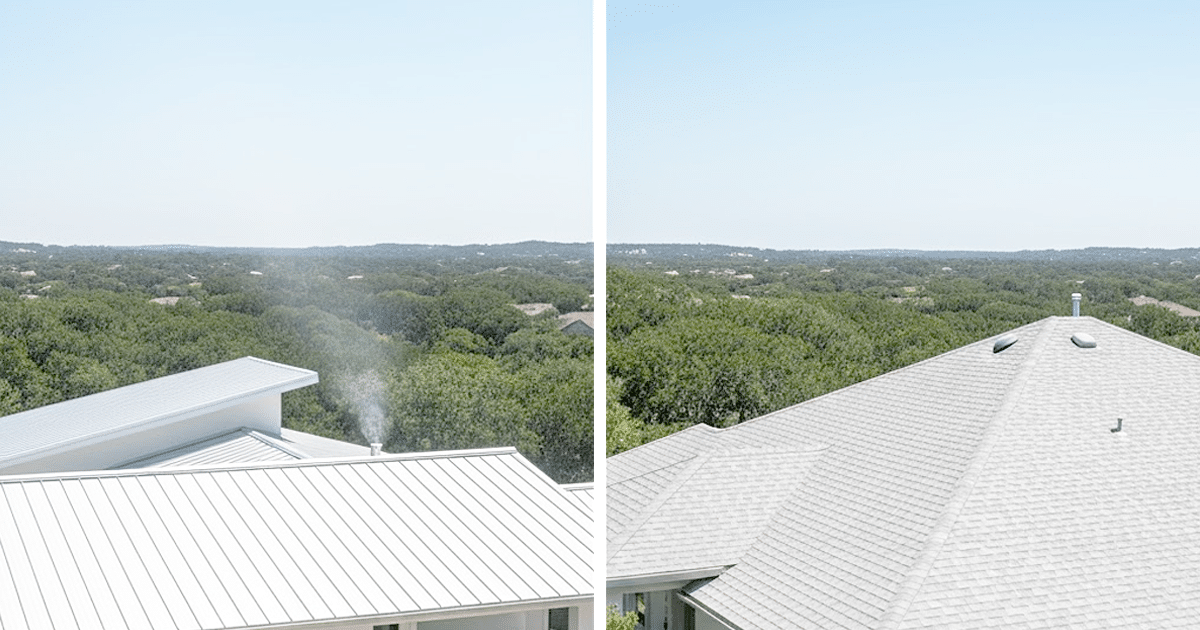
Central Texas summers don’t ease up, and when your roof is taking direct sun day after day, the material choice above your head starts to matter more than most homeowners realize. Cool Roof Coatings vs Reflective Shingles is a question that comes up often in places like Austin, Round Rock, San Marcos, and Temple, where roof surfaces can hit extreme temperatures and push air conditioning systems to their limits. If you’re trying to lower cooling costs, improve comfort, or decide whether to upgrade an aging roof, understanding how these two heat-fighting options actually perform in real Central Texas conditions can save you money—and frustration—down the road.
Key Takeaways
- Central Texas homeowners in Austin, Round Rock, San Marcos, and Temple typically choose between coating an existing roof or installing reflective “cool” shingles to combat summers that regularly exceed 100°F.
- Cool roof coatings work best for metal roofs and low slope roofs, while reflective shingles are the stronger choice for steep-slope asphalt roofs that need replacement.
- Both options can reduce summer cooling costs by 10–20% when paired with proper attic insulation and ventilation.
- Coatings are often less expensive upfront and ideal for extending the life of a structurally sound roof, but reflective shingles deliver better hail resistance, wind ratings, and longer manufacturer warranties.
- Local building codes, HOA rules, and utility rebates from Austin Energy or other providers can influence which option makes the most financial sense for your property.
Central Texas Climate: Why Roof Reflectivity Matters
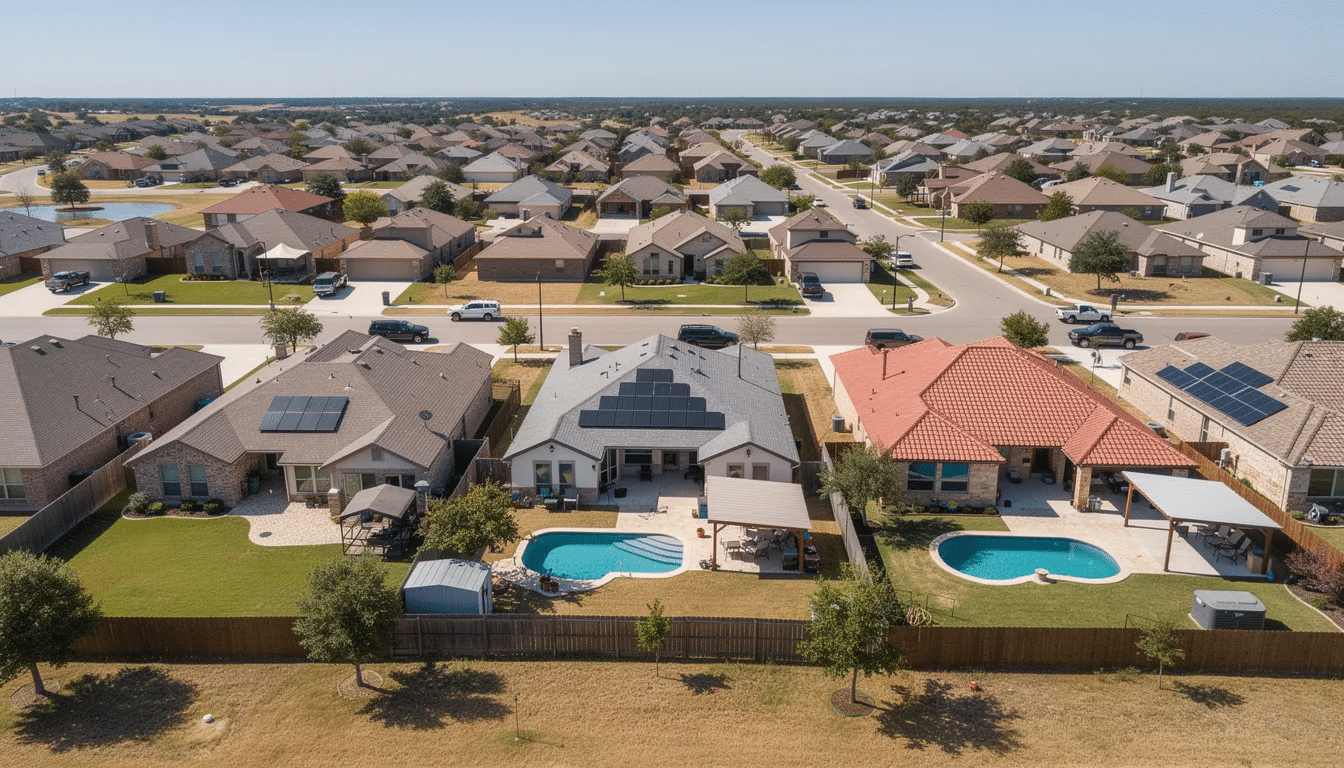
If you live anywhere from Georgetown to New Braunfels, you already know the Texas heat can be relentless. Cities like Austin, Round Rock, and San Marcos routinely see summer highs between 95°F and 105°F from May through September, with intense sun exposure that pushes roofing materials to their limits.
Traditional asphalt shingles in darker colors can reach surface temperatures of 150–170°F during July and August afternoons. That heat doesn’t just stay on the roof—it radiates into your attic, pushing attic temperatures well above 130°F and forcing your air conditioning to work overtime.
Cool roofs address this problem by focusing on two properties: high solar reflectance (bouncing sunlight away) and high thermal emittance (releasing absorbed heat quickly). Whether you choose a coating or reflective roofing shingles, the goal is the same—keep roof surface temperatures lower so less heat transfers into your living space.
This matters financially, too. During ERCOT peak demand days and under Austin Energy’s tiered summer rates, every degree of cooling efficiency translates directly to lower energy bills. With Central Texas averaging about 2,300 hours of intense sun annually, investing in a roof that reflects heat rather than absorbing it pays dividends across many cooling seasons.
What Are Cool Roof Coatings?
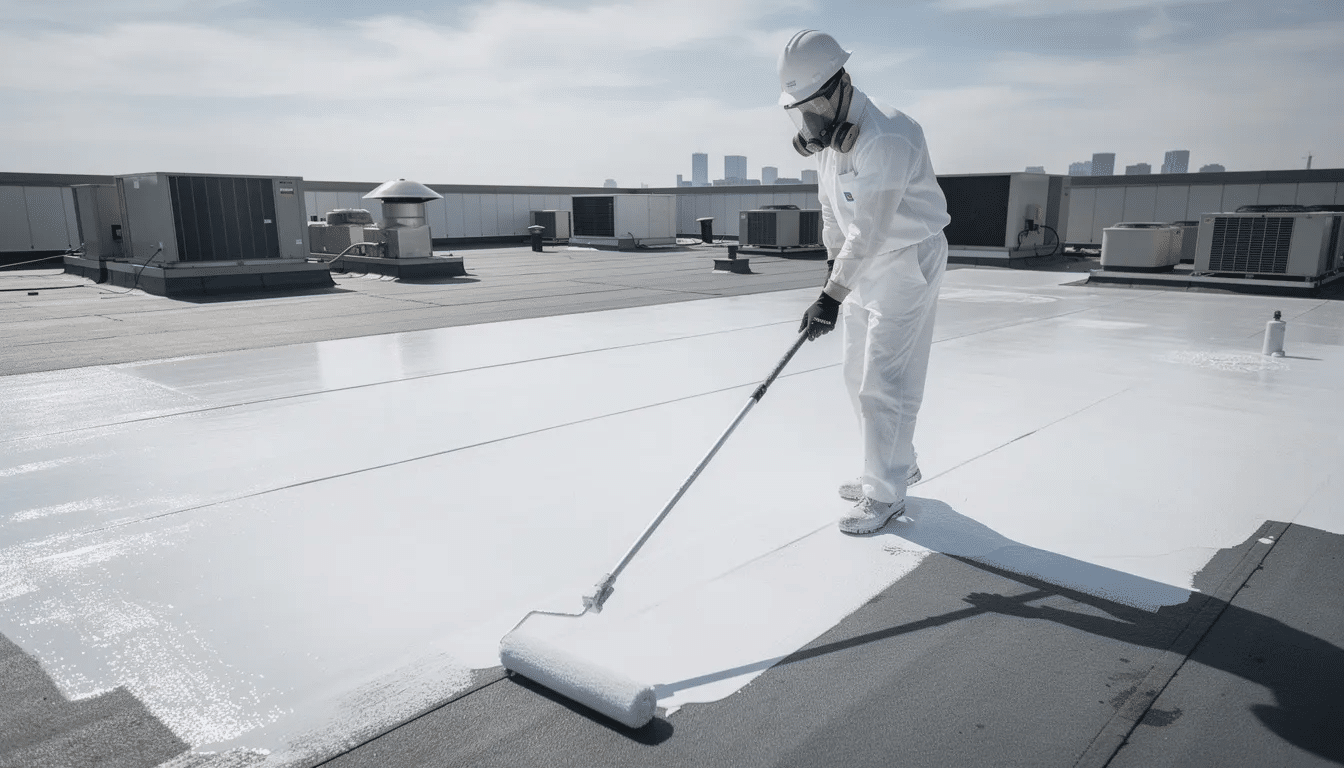
Cool roof coatings are liquid-applied membranes—typically white or light-colored—that are rolled or sprayed over existing roofs to boost reflectivity and add a weatherproofing layer. They’re one of the most straightforward ways to transform dark roofs into energy efficient roofing systems without tearing off and replacing the entire roof.
- Primary function: Increase solar reflectance from the typical 10–20% range on aged roofs up to 70–85%, dramatically reducing heat absorption.
- Common applications: Metal roofs, low-slope commercial roofs, modified bitumen systems, and some residential flat or low-slope sections like covered patios and garage roofs.
- Environmental benefit: Coatings can extend a sound roof’s life by 10+ years, keeping old roofing materials out of landfills and reducing the embodied energy of a full replacement.
- How they work: The coating creates a seamless layer that reflects sunlight, blocks UV rays, and can seal minor cracks and fastener penetrations.
Types of Cool Roof Coatings Used in Central Texas
Central Texas contractors work with several coating chemistries, each with distinct advantages for the local climate:
- Acrylic coatings: Affordable, water-based, and popular for metal roofing on homes and barndominiums in areas like Bastrop and Hutto. They offer strong UV resistance and flexibility for thermal movement but don’t perform as well in ponding water situations.
- Silicone coatings: Highly UV-resistant and excellent at handling ponding water, making them the go-to choice for flat and low slope roofs on commercial buildings in Austin and Round Rock. They cost more than acrylics but hold up well under constant sun exposure.
- Elastomeric coatings: A broad category emphasizing stretch and flexibility. These handle the 30–40°F daily temperature swings common in Central Texas spring and fall without cracking or peeling.
- Polyurethane coatings: Tougher against foot traffic and hail damage, often used as base coats under other reflective systems on roofs that see regular maintenance access.
- Ceramic-enhanced coatings: Add ceramic microspheres for boosted reflectivity and longevity. Many of these products carry Cool Roof Rating Council (CRRC) ratings, which can help when pursuing utility incentives.
Pros and Cons of Cool Roof Coatings in Central Texas
Pros:
- Can reduce roof surface temperatures by 30–60°F during August afternoons, lowering attic temperatures and reducing air conditioning runtime noticeably in a single summer season.
- Often less expensive than full roof replacement, especially when applied over structurally sound metal or modified bitumen roofs that still have years of service life remaining.
- Creates a seamless waterproof layer that can seal minor cracks, seams, and fasteners, extending roof lifespan by 10+ years when properly maintained.
- Minimal disruption during installation—no tear-off, less debris, and buildings can typically remain occupied.
- Contributes to reducing the urban heat island effect in dense areas like downtown Austin.
Cons:
- Not a solution for severely damaged, leaking, or sagging roofs. Structural integrity and decking issues must be addressed before coating.
- Requires ongoing maintenance and periodic re-coating every 8–15 years, depending on product quality and UV exposure in Central Texas.
- Works better on low-slope and metal surfaces. Steep asphalt-shingle roofs in typical Austin subdivisions are usually not candidates for coatings.
- Dirt accumulation and biological growth can reduce reflectivity over time, requiring occasional cleaning.
- May not provide the same level of hail resistance as impact resistant shingles designed for storm-prone areas.
What Are Reflective (Cool) Shingles?
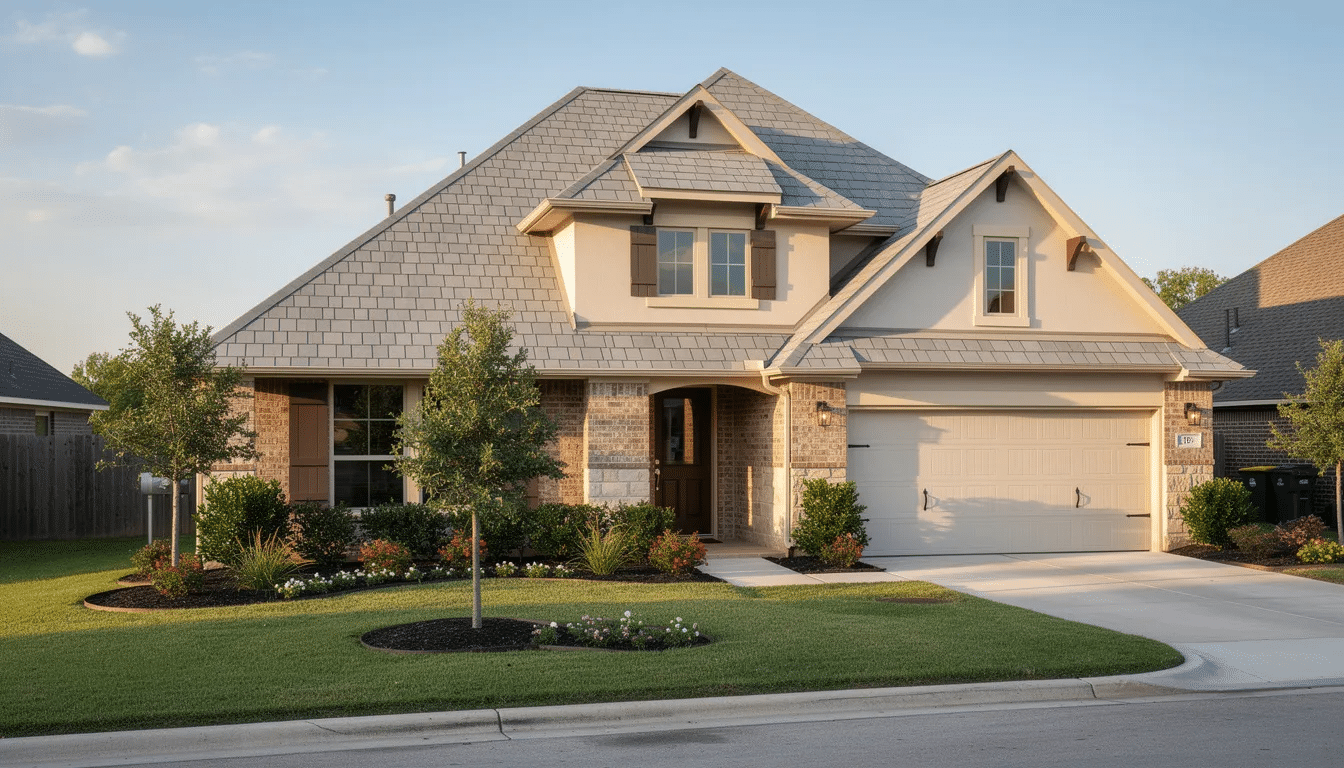
Reflective shingles—sometimes marketed as “cool shingles” or “solar-reflective shingles”—are asphalt shingles manufactured with specially coated granules that achieve higher solar reflectance than traditional asphalt shingles. They meet cool-roof standards while looking similar to the architectural shingles you see throughout Central Texas neighborhoods.
- Example products: Owens Corning Duration® Cool, GAF Timberline® CS, and CertainTeed Landmark Solaris® are commonly available through Austin-area roofing contractors.
- Appearance: Available in light grays, tans, weathered wood tones, and other colors that look conventional but reflect more infrared energy than standard dark shingles.
- Best fit: Steep-slope residential roofs in Austin suburbs like Cedar Park, Pflugerville, Kyle, and Leander where HOA rules often restrict metal roofs but allow shingles.
- Key difference: A standard dark shingle might reflect only 5–10% of solar energy, while cool shingles reflect 25–35% or more depending on color and rating.
How Reflective Shingles Work in Hot Texas Sun
The technology behind reflective shingles centers on high-reflectance mineral granules embedded in the shingle surface. These granules are engineered to bounce more sunlight—particularly infrared heat energy—away from the roof rather than absorbing it.
- Surface temperature reduction: Cool shingles can keep roof surfaces 20–50°F cooler than traditional dark asphalt shingles, especially in lighter colors.
- Attic impact: Lower roof temperatures translate to attic spaces that run 10–20°F cooler during mid-afternoon in July and August, reducing heat transfer into living areas.
- Certifications: Many cool shingles carry CRRC ratings or legacy ENERGY STAR certifications. These ratings can help qualify for local utility rebates when available.
- Manufacturer data: When comparing products, look for listed values for solar reflectance and thermal emittance. Higher numbers in both categories mean better performance under the Texas sun.
Pros and Cons of Reflective Shingles in Central Texas
Pros:
- Fully replaces an aging roof, addressing leaks, worn underlayment, damaged flashing, and ventilation upgrades all in a single project.
- Compatible with HOA requirements in many Austin-area master-planned communities like Steiner Ranch, Circle C, and Teravista that restrict metal roofing but allow asphalt shingles in light or neutral tones.
- Available with Class 4 impact ratings (UL 2218) and 130-mph wind ratings, providing strong protection from hail and spring storms common in Hays and Williamson counties. Impact resistant roofing can also qualify for insurance discounts up to 35%.
- Longer manufacturer warranties—often 30–50 years limited—and easier resale messaging. “New cool-roof shingles installed in 2025” is a selling point in the Austin housing market.
- Modern formulations withstand hail, resist high winds, and maintain color under intense UV exposure.
Cons:
- Higher upfront cost than a coating, because the project involves full tear-off, disposal, synthetic underlayment, flashing work, and often ventilation improvements.
- Cooling benefit is meaningful but typically less dramatic than a bright white coating on a low-slope roof because of color variety and roof slope orientation.
- Does not avoid landfill waste from tear-off the way coatings do, though shingle recycling programs exist in some larger Texas markets.
- Still an asphalt-based product with a finite lifespan compared to metal and tile roofs.
Head-to-Head Comparison: Cool Coatings vs Reflective Shingles
Choosing between these two roofing solutions comes down to your current roof’s condition, slope, material, and your goals for the property. Here’s how they stack up across the factors that matter most to Central Texas homeowners.
Installation Scenario:
- Coatings are applied over existing roofs—no tear-off, minimal debris, and often completed in a day or two for residential projects.
- Reflective shingles require full or partial tear-off of the existing roof, new underlayment, and typically 2–5 days of work depending on roof size and complexity.
Best Roof Types:
- Coatings excel on metal roofs, standing seam metal roofs, and low-slope membrane systems.
- Reflective shingles are designed for steep-slope residential roofs where coatings aren’t practical.
Performance:
- Coatings can raise reflectance to 70–85% and drop surface temperatures to the 100–120°F range—a 50–70°F improvement over dark roofs.
- Reflective shingles typically achieve 25–35% reflectance and reduce surface temperatures by 20–50°F compared to standard dark shingles.
- Both systems deliver 10–20% summer energy savings when combined with adequate insulation.
Storm Protection:
- Reflective shingles with Class 4 ratings offer superior hail resistance and can withstand hail up to 2” in diameter.
- Coatings provide some flexibility but can be punctured by large hail or foot traffic if not thick enough.
Cost, Lifespan, and Maintenance in Central Texas
Cost Considerations:
- Coatings generally cost less per square foot than full replacement, making them attractive for budget-conscious property owners and commercial buildings.
- Reflective shingles have higher upfront costs but include the value of a complete roofing system replacement.
Lifespan Expectations:
- Quality cool coatings in Central Texas typically last 8–15 years before re-coating is recommended. Silicone coatings on well-maintained roofs can push toward the longer end.
- Reflective architectural shingles generally last 20–30 years when installed correctly and maintained. Premium products with enhanced warranties may last longer.
Maintenance Requirements:
| Maintenance Task | Cool Roof Coatings | Reflective Shingles |
|---|---|---|
| Inspection frequency | Annually + after major storms | Annually + after hail season |
| Common issues | Peeling, ponding, dirt buildup | Granule loss, lifted tabs, flashing wear |
| Re-coating/repair | Every 8–15 years | As needed for storm damage |
| Cleaning needs | Periodic washing for reflectivity | Minimal unless debris accumulates |
Central Texas homeowners should schedule inspections each spring after hail season to catch damage early, regardless of which system they choose.
Performance in Central Texas Heat, Hail, and Storms
Heat Performance: Coatings deliver the most dramatic surface temperature drops—often 50–70°F cooler than traditional roofs. This makes them particularly effective on large commercial roofs where reducing heat absorption significantly impacts cooling costs. Reflective shingles offer meaningful but more moderate reductions, typically 20–50°F cooler than dark shingles.
Hail and Storm Resistance:
- Reflective shingles with Class 4 impact ratings are engineered specifically for storm-prone areas. North Austin, Round Rock, and Georgetown see regular spring hail, making impact resistant shingles a smart investment.
- Coatings can flex and absorb some impact but aren’t rated for hail resistance the way modern shingles are. Thickness matters—thicker applications hold up better.
UV and Weather Extremes:
- Silicone and high-quality acrylic coatings maintain color and reflectivity well under intense Central Texas sun exposure.
- Modern cool shingles use UV-stable granules and binders formulated to resist fading and granule loss over their warranty period.
Critical Pairing: Both systems must work alongside proper attic ventilation and insulation (R-38 or higher recommended) to fully realize comfort and energy efficiency benefits. A reflective roof alone won’t solve heat problems if hot air is trapped in an under-ventilated attic.
Wind uplift resistance is another consideration. Areas exposed to strong thunderstorms should verify that installations meet local code requirements and manufacturer specifications for wind ratings.
Which Option Fits Your Roof Type in Central Texas?
The “right” choice depends on several factors: your roof’s current slope, condition, material, how long you plan to stay in the home, your budget, and any HOA restrictions that apply to your neighborhood.
Common Central Texas roof scenarios:
- 4:12 to 8:12 pitch shingle roofs in subdivisions: These are the most common residential roofs in Austin and surrounding cities. Coatings typically aren’t suitable here—reflective shingles are the better path.
- Low-slope sections over porches, sunrooms, and additions: These areas often have modified bitumen or membrane roofing and are excellent candidates for cool coatings.
- Standing seam metal roofs on custom homes and barndominiums: Common in Dripping Springs, Liberty Hill, and rural properties. Metal roofs reflect sunlight well already, but aging panels benefit from acrylic or silicone coatings to restore reflectivity and seal seams.
- Flat commercial roofs: Office buildings, retail centers, and multifamily properties throughout Austin and San Marcos are prime candidates for cool coatings with the best ROI potential.
When Cool Roof Coatings Make the Most Sense
Consider a cool coating when:
- Your existing roof is metal or a low-slope membrane (TPO, PVC, modified bitumen) that’s structurally sound with no widespread leaks or rot.
- The roof was installed within the last 10–20 years and has years of service life remaining if protected from further UV degradation.
- You want to extend roof lifespan by 10+ years without the full cost and disruption of tear-off and replacement.
- You have flat or low-slope sections over garages, covered patios, or additions where ponding water and UV exposure are main concerns.
- Budget is a primary factor. Commercial buildings and property owners in Austin and San Marcos often see 3–7 year ROI on coating projects through reduced energy costs.
Check with local utilities—Austin Energy and others occasionally offer incentives for energy-efficient improvements that may apply to qualifying roof coatings.
When Reflective Shingles Are the Better Choice
- Your existing asphalt shingle roof is 15–25 years old with visible curling, significant granule loss, or repeated leak repairs—especially if you’ve had damage from recent hail seasons.
- You’re planning to stay in the home 10+ years and want a fresh look, better storm protection, and improved energy efficiency all in one project.
- Your HOA limits roof types or requires specific color palettes. Cool shingles come in architecturally acceptable shades that satisfy most community guidelines.
- You want to upgrade underlayment, add ridge vents, improve soffit ventilation, or prepare the roof deck for future solar panels—all easier to accomplish during a full re-roof.
- Resale value matters. New reflective shingle roofs installed in 2024–2026 are a strong selling point in the competitive Austin housing market, especially when backed by transferable warranties.
Installation and Contractor Considerations in Central Texas
Proper installation in Central Texas heat and storm conditions is just as important as choosing the right roofing materials. A poorly applied coating or incorrectly installed shingle system won’t deliver the performance you’re paying for—and may fail prematurely.
Choosing the right contractor:
- Look for contractors with specific experience in cool coatings or cool shingles in Austin, Round Rock, and surrounding communities.
- Verify licenses, insurance, and manufacturer certifications. For shingles, look for GAF Master Elite, Owens Corning Preferred, or CertainTeed SELECT ShingleMaster credentials.
- Ask for local references from the last 2–3 years. Texas weather tests roofing work quickly—recent installations give you relevant performance data.
- Discuss timing. Many contractors avoid applying coatings during peak afternoon heat or just before forecast hailstorms or heavy rain. For shingle work, spring and fall often offer the best conditions.
What to Ask Your Roofer About Cool Coatings. For more information on protecting your roof, see these DIY steps on waterproofing your roof.
Bring these questions to your estimate meeting:
- Which specific coating product and brand do you recommend, and why does it suit my roof type and Central Texas climate? How do you ensure you stand out among reputable roofing companies?
- What documentation can you provide on coating thickness, number of coats, and warranty terms (both material and labor)?
- How will you prepare my roof before coating—cleaning, rust treatment on metal surfaces, repair of seams and fasteners, moisture testing?
- How often do you recommend inspections and re-coating? Is a maintenance plan available?
- Is this product CRRC-rated, and does it qualify for any current utility rebates?
Get all answers in writing before signing a contract.
What to Ask Your Roofer About Reflective Shingles
For shingle replacement projects, ask:
- Which cool shingle lines do you install most often in Central Texas? Can you show me at least two options—a standard version and an impact-resistant/upgraded warranty version?
- What are the wind rating, impact rating (UL 2218 Class 4?), and color options that meet both reflectivity goals and my HOA guidelines?
- Will you address ventilation upgrades? What underlayment type do you use—synthetic or felt? Will this project bring my roof up to current local codes?
- What’s the estimated installation timeline, and how will you handle debris removal and protection for landscaping and AC equipment during tear-off?
Everything should be documented: scope of work, specific products, warranty terms, and payment schedule.
Energy Savings and Comfort Gains for Central Texas Homes
Both cool coatings and reflective shingles can meaningfully reduce attic temperatures and air conditioning runtime during Austin’s peak summer months from June through September.
What to expect:
- In various studies, cool roofs deliver 10–20% summer cooling savings depending on home design, insulation levels, and local energy rates.
- The greatest comfort improvements are often felt in upper-story bedrooms, bonus rooms, and home offices that previously ran hot on August afternoons.
- Lower energy bills add up. Texas homeowners paying peak summer rates can see noticeable drops in their monthly statements.
Maximizing your investment:
Combining cool roofing with proper attic insulation (R-38 or higher) and balanced soffit/ridge ventilation delivers the best results. A reflective roof reduces heat entering the attic, while insulation and ventilation prevent that heat from transferring into living spaces. Together, these elements work as a system to minimize energy costs and improve indoor comfort even during the relentless heat of Central Texas summers.
For homeowners considering solar panels, a new cool roof provides an ideal foundation—the reduced thermal stress extends the roof’s lifespan, and proper installation ensures the deck is ready for future panel mounting.
FAQ: Cool Coatings vs Reflective Shingles in Central Texas
Can I put a cool roof coating over my existing asphalt shingles in Central Texas?
Most manufacturers and building codes do not recommend coating over standard asphalt shingles on steep-slope roofs. Coatings can trap moisture beneath the granule surface, void shingle warranties, and fail prematurely due to improper adhesion. Roof coatings are designed for metal roofs and low-slope systems. If your shingle roof is aging, replacing it with reflective shingles is the better approach for long-term performance and fewer repairs.
Will either option help during Central Texas winter cold snaps, or only in summer?
Both cool coatings and reflective shingles primarily benefit summer cooling by reducing heat absorption. During rare cold snaps—like the February 2021 freeze—the reflective surface has little effect on indoor warmth compared to insulation and air sealing. However, Central Texas has mild, short winters and long cooling seasons, so the net annual benefit strongly favors reflective roofing. Proper attic insulation (R-38+) handles winter heat retention regardless of roof color.
Do cool roofs qualify for rebates or incentives around Austin and Central Texas?
Programs change over time, but Austin Energy and some other local utilities have occasionally offered incentives for energy-efficient roofing or insulation upgrades. CPS Energy in San Antonio has run similar programs. Check current utility websites in 2025 and beyond for active rebate programs. Ask your roofer if the specific products they install carry CRRC ratings that might qualify for incentives—and get documentation for any claims.
Will a bright white coating or light-colored shingle hurt my home’s curb appeal?
On low-slope or hidden roof sections, white coatings are often not visible from street level, making aesthetics a non-issue. For visible pitched roofs, reflective shingles come in tasteful light grays, tans, stone-coated appearances, and weathered-wood tones that look similar to standard architectural shingles while still boosting reflectivity. Most Texas homeowners can find a balance between curb appeal and performance without compromising on either.
How do I know if my existing roof is a candidate for coating instead of replacement?
Schedule a professional roof inspection to assess decking condition, fasteners, flashing, and the existing membrane or metal panels. If the inspector finds widespread leaks, soft spots, rot, or structural issues, replacement is typically the right path. If the roof is structurally sound with only localized wear, surface weathering, or minor seam issues, a cool coating may be a cost-effective way to extend its life by 10+ years while improving energy efficiency. A good contractor will be honest about which option makes sense for your specific situation.
Contents
- Central Texas Climate: Why Roof Reflectivity Matters
- What Are Cool Roof Coatings?
- What Are Reflective (Cool) Shingles?
- Head-to-Head Comparison: Cool Coatings vs Reflective Shingles
- Which Option Fits Your Roof Type in Central Texas?
- Installation and Contractor Considerations in Central Texas
- Energy Savings and Comfort Gains for Central Texas Homes
- FAQ: Cool Coatings vs Reflective Shingles in Central Texas

