
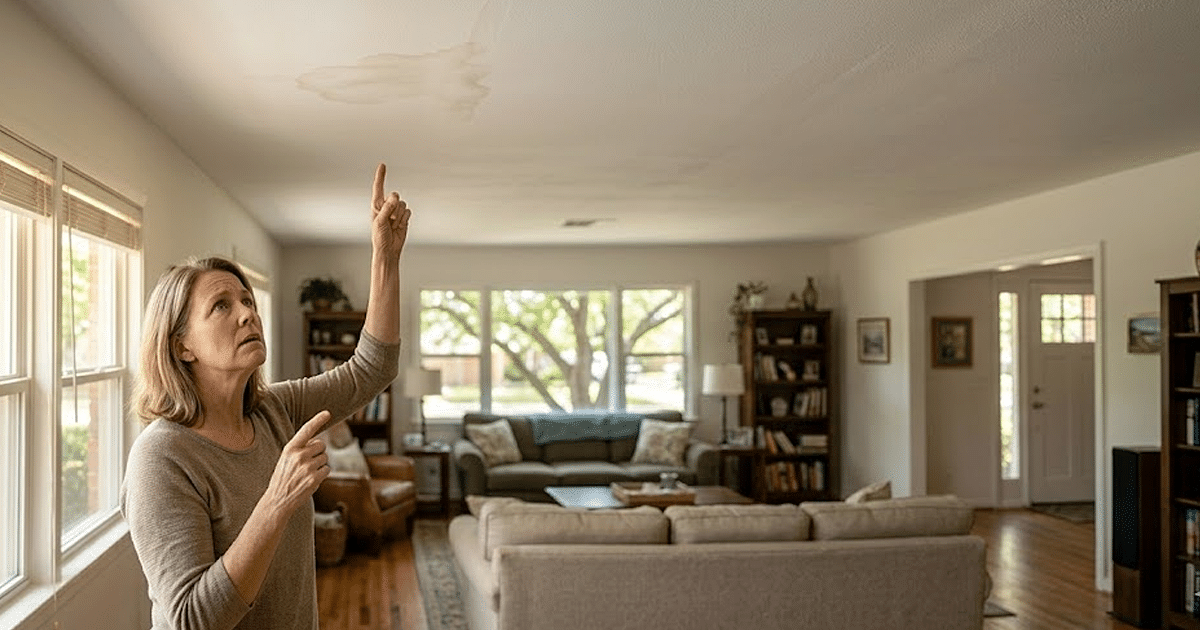
Spring Roof Inspections are one of those things most homeowners don’t think about until there’s a brown spot spreading across the ceiling. In Austin, Texas, that delay can get expensive fast. Between winter cold snaps, surprise hailstorms, and the kind of summer heat that makes shingles bake and crack, your roof takes a beating almost year round. The truth is simple. Catching small problems in March or April costs a few hundred dollars. Ignoring them until June can cost you ten thousand or more.
In Austin, timing matters. March through May is a narrow window where weather is still manageable, contractors are not yet slammed with post hail emergency calls, and small issues can be fixed before they spiral. A loose shingle today might not look like much. But give it one heavy thunderstorm and you could be looking at soaked insulation, drywall damage, and mold cleanup. That is how a $400 repair quietly turns into a five figure headache.
There is also the energy side of it. Many homeowners do not connect their roof condition to their electric bill. But once those 100 degree days hit Central Texas, ventilation gaps, failing sealants, and underlayment wear start working against you. Your AC runs longer. Your attic traps heat. Your monthly bill creeps up. A spring inspection spots those weaknesses early, before the real heat settles in.
And then there is insurance. Austin sees frequent hail and wind claims. Having a dated inspection report from early spring gives you something solid if a major storm rolls through later. It proves your roof was in good shape before damage occurred. That kind of documentation makes a difference when adjusters start asking questions.
Homeowners across Austin, Round Rock, Pflugerville, and the surrounding areas are learning that regular inspections are not just maintenance. They are financial strategy. Working with reputable Austin roofing contractors known for quality inspections and repairs ensures these checkups are thorough and effective. A few hundred dollars in early spring can protect fifteen to twenty thousand dollars in replacement costs later. In a city where the weather changes fast and storms hit hard, that kind of planning is not overkill. It is common sense.
Key Takeaways
- March through May roof inspections in Austin catch winter damage and hail bruises before peak storm season intensifies, preventing small issues from becoming major expenses.
- A professional roof inspection typically costs a few hundred dollars, while delaying repairs can escalate costs to $8,000–$15,000 for full replacement and water damage remediation.
- Spring inspections lower energy bills by identifying heat-related wear, ventilation problems, and air leaks before Austin’s 100°F+ summer days arrive.
- Dated inspection reports and photos significantly strengthen insurance claims by establishing a clear baseline of your roof’s condition before storm damage occurs.
- Austin homeowners with regular inspections are 40% less likely to file major storm damage claims, with average repair costs dropping from $18,000+ to around $850.
Why Spring Roof Inspections Matter So Much in Austin
Austin’s climate throws everything at your roof. Winter brings cold snaps and occasional ice storms that stress roofing materials. Spring ushers in the city’s notorious hail season, with 4–6 significant hail events typically occurring between March and May, often leading to situations where homeowners suddenly need emergency roof repair services in Austin. Then summer arrives with relentless UV exposure and temperatures exceeding 100°F for weeks on end.
Inspecting roofs in early spring—typically March and April—gives austin homeowners the best chance to catch problems before the main hail and storm season intensifies in May and June. This timing allows for repairs during milder weather when contractors aren’t overwhelmed with emergency calls.
Many Austin homes built during the building booms of the 2000s and 2010s show premature aging by year 8–12. Shingles that should last 25 years often need attention much sooner due to Central Texas heat exposure and storm damage. Scheduling regular inspections during this critical window prevents minor problems from becoming structural concerns.
Consider a real scenario: a 10-year-old asphalt shingle roof in South Austin showed early detection of lifted shingles and minor flashing issues during a spring inspection. The homeowner paid roughly $650 for repairs. Without that inspection, the same roof likely would have developed leaks during May thunderstorms, potentially costing $8,000–$12,000 in roof repairs, ceiling replacement, and mold remediation.
Spring is also practical for roofing contractors. Temperatures are safer for workers, repair quality is better when materials aren’t softened by extreme heat, and scheduling delays are minimal compared to the chaos after late-spring storms.

How Spring Inspections Prevent Costly Emergency Repairs
Small problems discovered in March are far cheaper to fix than roof leaks discovered during a June thunderstorm. When you schedule a roof inspection before storm season, you’re essentially buying protection against emergency repairs that can cost three to ten times more than preventative maintenance.
Typical spring findings in Austin include issues like missing roof shingles that expose underlying layers and other problems such as:
- Lifted or missing shingles from winter wind events
- Cracked sealant around vents and pipe boots
- Hail bruises from late-winter storms that haven’t yet caused leaks
- Clogged gutters filled with debris from fall and winter
- Loose or damaged flashing around chimneys and skylights
- Minor damage to roof decking from previous water intrusion
Repairing a few damaged shingles and compromised flashing in spring often costs $250–$600. Compare that to the aftermath of an undetected leak: ceiling replacement runs $1,000–$3,000, insulation replacement adds another $1,000–$2,500, and mold remediation can exceed $3,000. A single leak left unchecked can transform a $400 repair into a $12,000 emergency, making it crucial to have trusted Austin roof repair professionals address issues promptly before they escalate.
The timing matters for another reason: emergency call fees. After a major hailstorm, reputable roofing contractors in the austin area book solid for weeks. Homeowners desperate for help often pay premium rates for emergency repairs and after-hours service. By catching issues before storms hit, you avoid peak-season pricing and contractor delays.
Extending Roof Lifespan in Austin’s Harsh Climate
Central Texas UV exposure and 100°F+ summer days rapidly age roofing systems. Asphalt shingles lose granules, flat roof membranes become brittle, and sealants crack under the relentless sun. Without regular roof maintenance, a roof designed to last 25 years might need replacement by year 15.
Spring inspections catch early UV damage from the prior summer before it worsens. Inspectors look for:
- Granule loss in gutters and on the ground below downspouts
- Curling shingles that indicate moisture damage or heat stress
- Brittle sealants around penetrations ready to fail
- Soft spots in decking showing signs of prolonged moisture exposure
In Austin, a well-maintained asphalt shingle roof can often reach its expected lifespan of 25–30 years. Neglected roofs in neighborhoods like Circle C, Pflugerville, and Round Rock frequently need full roof replacement from an experienced Austin contractor around year 15–18—potentially a decade earlier than necessary.
| Roof Condition | Expected Lifespan | Typical Replacement Cost |
|---|---|---|
| Well-maintained with annual inspections | 25–30 years | Deferred or planned |
| Minimal maintenance | 15–18 years | $10,000–$20,000 |
| Neglected with missed damage | 12–15 years | $15,000–$25,000+ with water damage |
| For commercial flat roofs, spring inspections identify ponding water, membrane blisters, and failing seams before they trigger expensive business disruptions. TPO and other flat roofing materials common in Austin TX commercial properties require careful inspection for UV degradation and seam integrity, as these common TPO roofing problems can quickly worsen without maintenance. |
Saving on Energy Bills Before Summer Heat Arrives
Spring roof checks directly connect to lower air-conditioning costs during Austin’s triple-digit summer temperatures. A compromised roof doesn’t just leak water—it leaks conditioned air and lets heat pour into your living space.
During a thorough inspection, professionals look for issues that waste energy:
- Gaps around roof penetrations where air escapes
- Missing or shifted shingles exposing underlayment
- Deteriorated underlayment allowing heat transfer
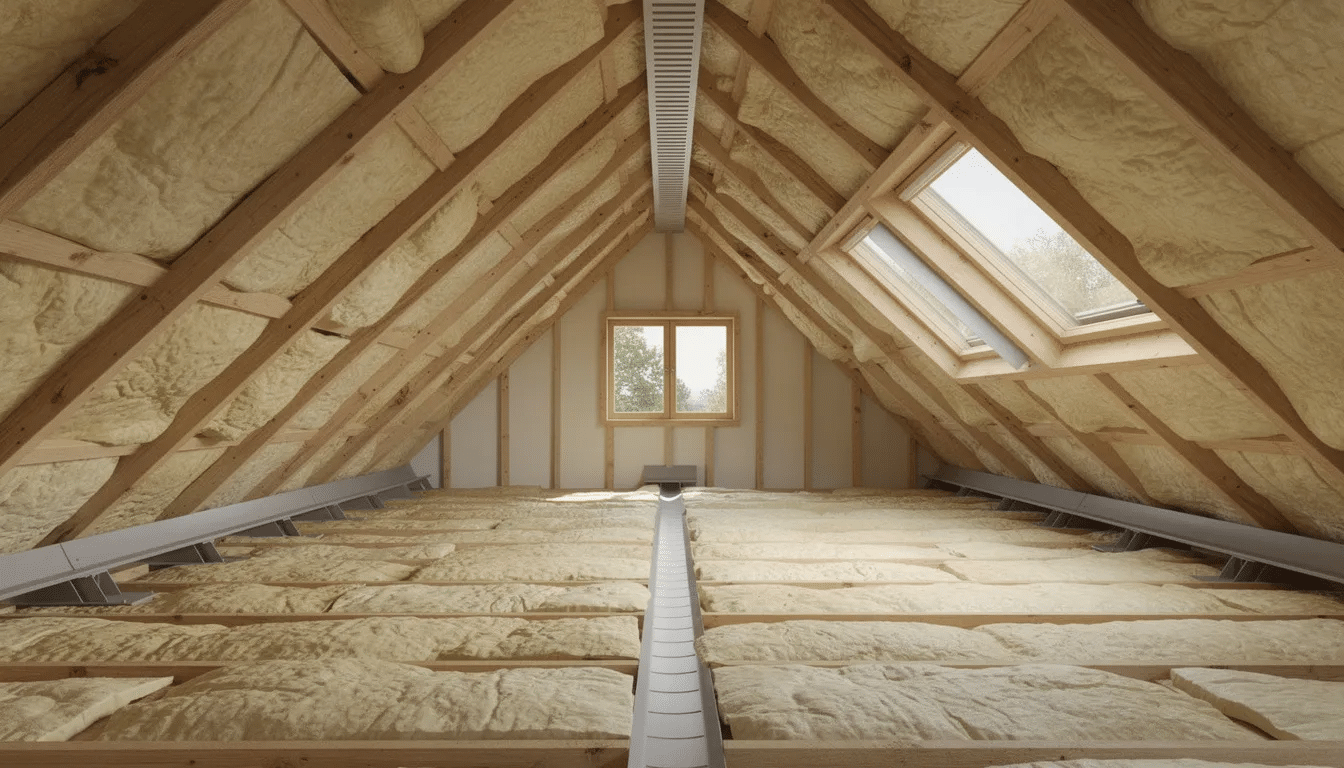
- Poor attic ventilation trapping hot air
- Damaged insulation from previous water damage
Fixing ventilation issues and sealing air leaks in spring can reduce HVAC run time by 15–30% during June through September. For Austin homeowners, this translates to real savings: $20–$60 monthly during shoulder seasons and up to $50–$150 monthly during peak summer heat, especially when combined with other roof cooling strategies for Texas summers.
Older homes near Hyde Park and East Austin commonly reveal inadequate attic ventilation during spring inspections. Proper ventilation allows hot air to escape rather than baking your ceiling and forcing your AC to work overtime. Many homeowners attribute high energy bills to aging HVAC systems when the real culprit is poor roof ventilation and hidden air leaks.
Energy efficiency improvements from spring roof maintenance typically deliver 5–15% reduction in cooling costs—often paying for the inspection cost within the first summer.
Protecting Home Value and Avoiding Resale Surprises
Prospective buyers and inspectors in Austin pay close attention to roofs because of local hail and heat damage risks. A roof showing signs of neglect can derail a sale or trigger significant price reductions during negotiations.
A spring roof inspection 6–12 months before listing allows time for affordable repairs rather than rushed, expensive work during escrow. Sellers who provide a dated professional roof inspection report and certification and receipts for minor repairs can justify higher asking prices and avoid buyer demands for credits or price reductions.
Consider this scenario: a homeowner in North Austin schedules a spring inspection and discovers worn shingles and failing flashing on a small section. The repair costs $1,200. Without the inspection, the same issues would have been flagged during the buyer’s inspection, likely resulting in a $4,000–$6,000 credit demand or price reduction—plus the stress of negotiating repairs under deadline pressure.
Lenders and insurers also flag roofs that look aged on appraisals. An appraisal noting “roof appears to be at end of useful life” can complicate financing and increase insurance costs for the buyer, making your property less attractive. Proactive inspection and maintenance serve as a financial safeguard that preserves your property value.
Spring Inspections and Austin Insurance Claims
Austin experiences frequent hail and wind claims, and insurers increasingly require clear documentation to approve payouts. A professional spring roof inspection creates a dated baseline report with photos showing your roof’s condition before major storms arrive.
This documentation proves invaluable when filing an insurance claim. Adjusters are trained to differentiate between long-term neglect and sudden storm damage. When your claim includes dated photos showing your roof in good condition before a hailstorm, you’re demonstrating that damage was sudden and accidental—exactly what insurance covers, and aligns with key roof inspection red flags that signal needed repairs.
Annual spring inspections also reveal prior storm damage within the allowable claim window. Texas insurers typically require claims within one to two years of damage occurrence. A spring inspection might uncover hail damage from a March storm that you didn’t notice, giving you time to file a valid claim before the deadline passes.
Homeowners with documented regular inspections often enjoy better insurance outcomes:
- Fewer claim disputes due to clear before-and-after documentation
- Higher payouts because adjusters can’t attribute damage to neglect
- Potential premium discounts for demonstrated roof maintenance
- Maintained “preferred customer” status with insurers
The “wait for a storm” strategy fails because adjusters know the difference between a well-maintained roof damaged by hail and a neglected roof that was already failing. Dated spring inspection reports provide the evidence needed to maximize claim success.
What a Professional Spring Roof Inspection in Austin Typically Includes
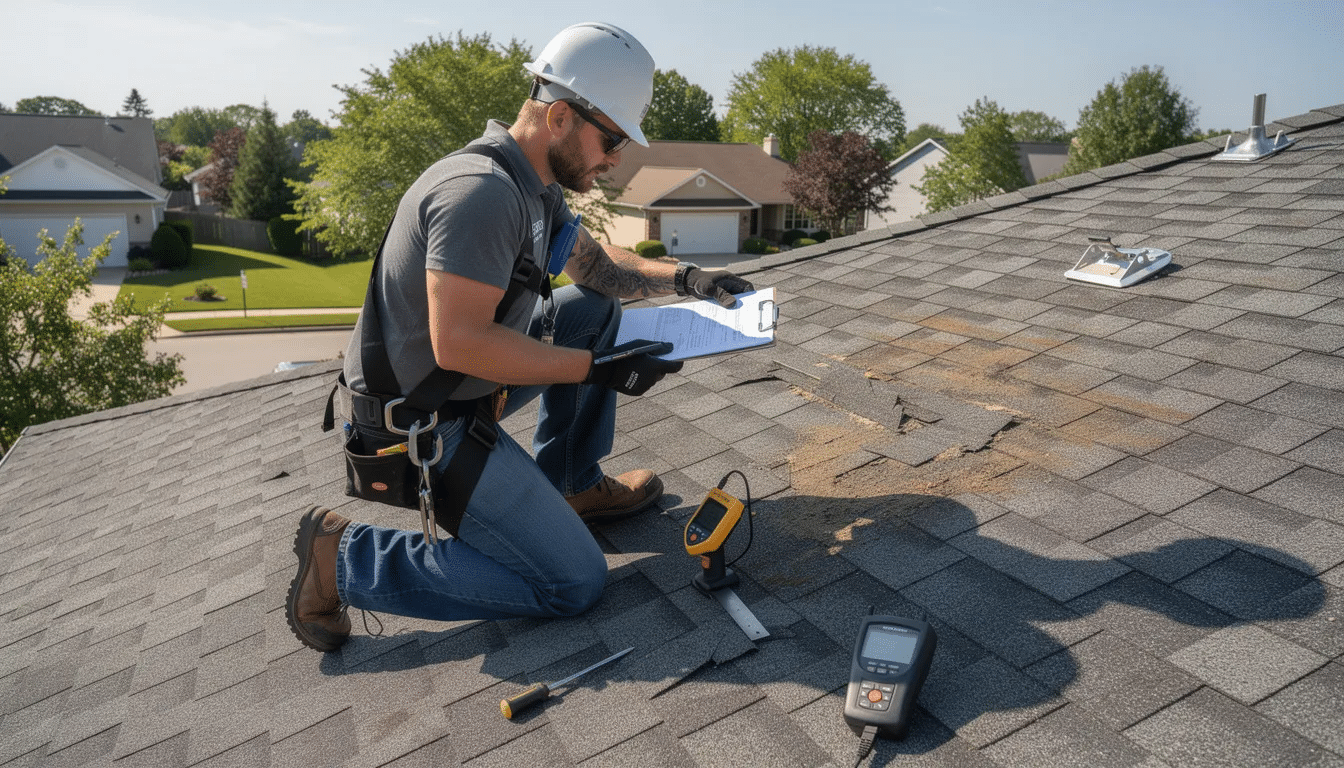
Spring inspections are more than a quick look from the driveway. A professional inspection involves a structured, multi-point evaluation of your entire roofing system.
Exterior checks include:
- Shingles or tiles: looking for missing shingles, cracking, curling, and granule loss
- Flashing: inspecting seals around chimneys, vents, skylights, and wall intersections
- Roof penetrations: examining pipe boots, vents, and any equipment mounted on the roof
- Gutters and downspouts: checking for debris, proper drainage, and secure attachment
- Valleys: inspecting these high-wear areas where two roof planes meet
- Previous repair areas: evaluating past work for signs of failure
Interior and attic review includes:
- Moisture detection in decking and insulation
- Daylight visible through decking indicating gaps or holes
- Mold or mildew odors suggesting chronic moisture problems
- Insulation condition and coverage
- Ventilation paths and effectiveness
In Austin, inspectors also watch for heat-related issues specific to our climate: soft spots in decking from prolonged heat exposure, signs of ponding on flat roofs, and UV damage to membranes and sealants.
At the end of the inspection, you should receive a detailed report summarizing overall condition, recommended repairs (prioritized as urgent vs. optional), estimated remaining life, and supporting photos. This inspection report becomes valuable documentation for insurance, maintenance planning, and future resale.
How to Time and Schedule Your Spring Roof Inspection in Austin
The ideal timing for spring roof inspections in Austin is late February through April, before late-spring hail season gets busy and contractors become overwhelmed with emergency calls.
Scheduling early in spring avoids the contractor backlogs that typically start after the first major March or April hailstorm. Once a significant hail event hits, every roofing company in Austin gets flooded with calls, and wait times can stretch to weeks. Booking your inspection before that rush ensures prompt service and better scheduling flexibility for any needed repairs.
Recommended inspection frequency by roof age:
| Roof Age | Recommended Frequency | Notes |
|---|---|---|
| Newer roofs (under 8 years) | Every 2 years | Unless major storm occurs |
| 8–15 years | Annually in spring | Increased vulnerability |
| 15+ years | Annually, consider fall inspections too | Higher risk of failure |
| Any age with tree coverage | Annually | Debris and shade increase wear |
| Coordinate inspections after specific weather events, such as a February ice storm or a March hail event, to catch fresh damage quickly. Don’t wait for your scheduled annual inspection if you suspect storm damage—small issues compound rapidly in Austin’s climate. |
When choosing an inspection company, confirm licensing, insurance, references, and local Austin experience. A professional roofer familiar with Central Texas conditions will know exactly what to look for and how our specific climate affects different roofing materials.
DIY Checks vs. Professional Spring Inspections
Austin homeowners can spot obvious roofing issues from the ground, but should be cautious about climbing on roofs. Most residential roof injuries happen to homeowners, not professional roofers.
Safe DIY checks include:
- Using binoculars from the yard to spot missing or curled shingles
- Walking around your home’s perimeter looking at visible flashing
- Checking interior ceilings for water stains or discoloration
- Inspecting gutters for excessive granule buildup
- Noting any musty odors in the attic
What DIY inspections miss:
- Subtle hail bruises that compromise shingle integrity without visible damage
- Underlayment deterioration hidden beneath intact shingles
- Soft decking that feels normal from below but is failing
- Proper ventilation assessment requiring attic entry
- Flashing failures not visible from ground level
Professional inspections reduce safety risks, especially on steep or two-story roofs common in newer Austin subdivisions. A cost effective approach combines quick homeowner visual checks after storms with thoughtful DIY roof waterproofing and protection steps, followed by a thorough professional inspection each spring. This way, you catch obvious problems immediately while ensuring nothing hidden goes undetected.
If you notice anything concerning during your DIY check—water stains on ceilings, shingles on the ground after wind, or any visible damage—schedule a professional inspection promptly rather than waiting for your regular spring appointment.
Frequently Asked Questions About Spring Roof Inspections in Austin
How often should I schedule a spring roof inspection in Austin?
Most Austin homes benefit from an annual spring inspection, especially once the roof reaches 8–10 years old. At this age, roofing materials begin showing wear from accumulated UV damage, thermal cycling, and storm exposure. Newer roofs under 8 years may be fine with inspections every 2 years, unless a significant hail or windstorm has occurred. Homes with lots of tree cover or any prior leak history should lean toward yearly spring inspections regardless of roof age, as debris accumulation and shade patterns accelerate wear in different ways.
What does a typical spring roof inspection cost in Austin?
Most Austin roof inspections fall in the $150–$400 range, depending on roof size, pitch, material type, and whether you need a written real-estate-grade inspection report. Some roofing companies waive inspection fees if you approve recommended repairs. This small upfront cost is usually recouped by preventing even one moderate leak or by strengthening insurance claim outcomes. Compared to the average $10,000–$20,000 cost for full replacement or the $5,000+ for water damage remediation, the inspection fee represents significant preventative maintenance value.
Can a spring inspection tell me how many years my roof has left?
Inspectors estimate remaining service life based on roof age, visible wear patterns, prior repairs, and local climate exposure. While no estimate is perfect—unexpected hail can change everything—a good Austin roofer can usually provide a reasonable range (for example, 3–5 years of remaining life) along with a priority repair list. Use this information for budgeting future replacement and planning other large home projects. If your roof’s lifespan estimate is shorter than expected, you’ll have time to save for replacement rather than facing an emergency expense.
Is it safe to walk my own roof to check it in spring?
Walking your own roof isn’t recommended for most homeowners due to fall risk and potential damage to shingles, which become more pliable in warmer weather. Steep-slope roofs and multi-story homes common in Austin suburbs are especially hazardous for untrained individuals. Instead, perform ground-based checks with binoculars and conduct interior checks for water stains or musty odors. Then call a professional roofer for a full inspection. Professionals have proper safety equipment, training, and insurance that protect both them and your property.
Do I need a spring inspection if I didn’t notice any winter or storm damage?
Absolutely. Many issues—small hail bruises, slightly lifted shingles, minor flashing gaps, and early granule loss—aren’t visible from the ground. By the time you notice problems like water stains on ceilings or musty attic odors, damage has often spread from the roof to insulation and interior structures. The entire point of spring inspections is early detection before leaks and interior damage appear. Even a “clean” inspection provides valuable documentation for future insurance claims and resale, proving your roof was in good condition at a specific date.
How long does a professional spring roof inspection take?
A thorough spring roof inspection typically takes between 30 minutes to an hour, depending on the size and complexity of your roof. Inspectors carefully examine exterior and interior components, including shingles, flashing, gutters, attic ventilation, and insulation. Afterward, they provide a detailed report outlining any issues and recommended repairs.
Can a spring inspection reveal hidden damage from strong winds or hail?
Yes. Professional inspections can reveal subtle damage caused by strong winds or hail that may not be obvious to the untrained eye. Inspectors look for lifted or missing shingles, cracked sealants, bruises on shingles, and compromised flashing that could lead to leaks or structural damage if left untreated.
Will scheduling spring inspections help me avoid expensive repairs later?
Definitely. Early detection through spring roof inspections allows you to address minor problems before they escalate into costly repairs or full roof replacements. Fixing small issues like loose shingles or minor leaks can save you thousands of dollars in emergency repairs and prevent structural damage to your home.
How does proper attic ventilation affect my roof’s lifespan and energy bills?
Proper attic ventilation helps regulate temperature and moisture levels under your roof. It prevents heat buildup that accelerates shingle deterioration and reduces cooling costs by allowing hot air to escape. Spring inspections often include checking attic ventilation to ensure it’s functioning correctly, which contributes to extending your roof’s lifespan and improving energy efficiency.
What should I do if my spring inspection reveals roof leaks or water stains?
If leaks or water stains are found during your spring inspection, it’s important to schedule repairs promptly. Ignoring these signs can lead to structural damage, mold growth, and higher repair costs. A professional roofer can recommend the best course of action, whether minor repairs or more extensive work, to protect your home and roof.
Are spring roof inspections necessary for commercial properties in Austin?
Yes. Commercial roofs in Austin face similar environmental stresses as residential roofs, including UV exposure, storms, and thermal cycling. Spring inspections for commercial properties help identify ponding water, membrane damage, and seam failures early, preventing expensive business disruptions and extending the roof’s lifespan.
How do spring roof inspections support insurance claims after storm damage?
A documented spring roof inspection provides a dated baseline of your roof’s condition before storm season. This evidence can strengthen insurance claims by proving damage was caused by a recent storm rather than long-term neglect. It helps avoid claim disputes and can result in higher payouts and maintained premium discounts.
Contents
- Why Spring Roof Inspections Matter So Much in Austin
- How Spring Inspections Prevent Costly Emergency Repairs
- Extending Roof Lifespan in Austin’s Harsh Climate
- Saving on Energy Bills Before Summer Heat Arrives
- Protecting Home Value and Avoiding Resale Surprises
- Spring Inspections and Austin Insurance Claims
- What a Professional Spring Roof Inspection in Austin Typically Includes
- How to Time and Schedule Your Spring Roof Inspection in Austin
- DIY Checks vs. Professional Spring Inspections
- Frequently Asked Questions About Spring Roof Inspections in Austin

