
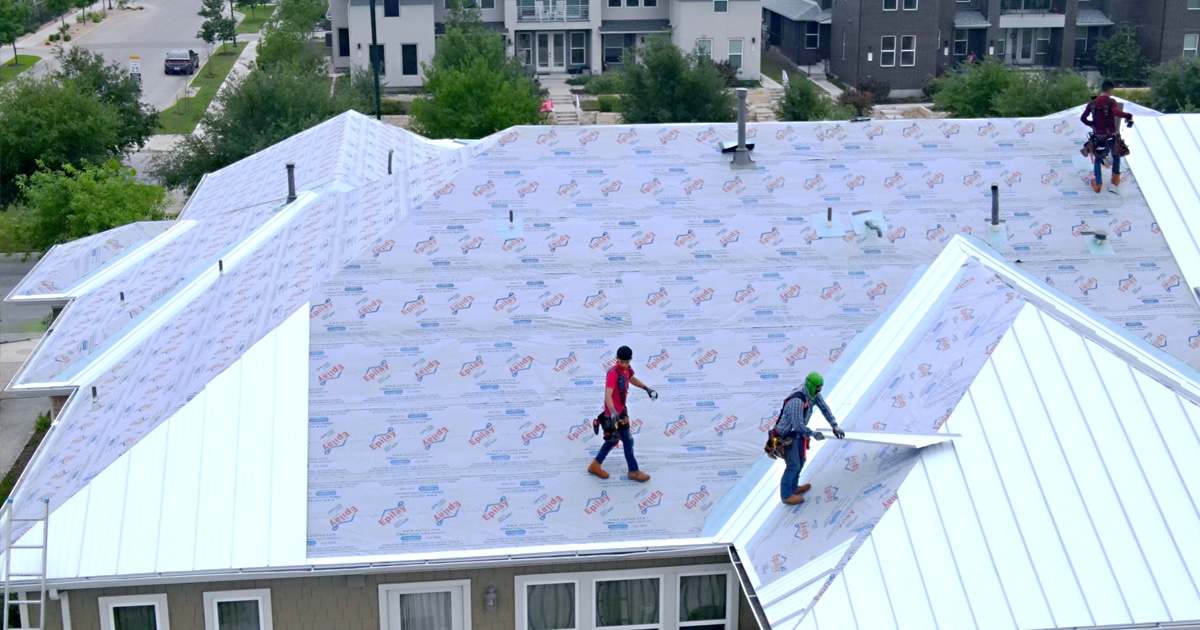
Most homeowners only think about the shingles they can see, but the real work of keeping water out starts with the roof underlayment. That thin, hidden layer sits between your decking and your roofing material, and it quietly takes the first punch every time Texas weather turns wild. Without reliable underlayment in place, even the best metal panel or architectural shingle system can fail long before its time.
Roof underlayment matters because it’s your roof’s backup plan—its safety net for wind-driven rain, surprise storms, and all the little gaps and weak points you can’t spot from the yard. When it’s installed correctly, it keeps moisture from sneaking into the wood structure below, protects your home during the tear-off process, and adds years of service life to your entire roofing system. When it’s missing or failing, problems show up fast: stained ceilings, warped decking, mold, and repair bills that grow by the day.
Understanding what underlayment actually does—and why it’s required by modern building codes—helps you get a clearer picture of how your roof works as a system, not just a surface. And when you’re choosing materials for a repair or full replacement, picking the right underlayment can make the difference between a roof that holds up for decades and one that struggles with every storm that blows through Central Texas.
Key Takeaways
- Roof underlayment acts as a critical water-resistant barrier installed between your roof deck and outer roofing materials like shingles or metal panels
- It provides essential backup protection when primary roofing materials fail, preventing water damage to your home’s structure and interior
- Three main types exist – asphalt-saturated felt, synthetic, and rubberized asphalt – each offering different levels of protection and durability
- Building codes require underlayment installation in most areas, and skipping it can void manufacturer warranties while compromising your roof’s performance
- Proper underlayment selection and installation can extend your roof’s lifespan by 10-20 years and prevent costly water damage repairs
When severe weather strikes, most homeowners worry about visible damage to their asphalt shingles or metal roofs. But hidden beneath your roof’s surface lies a crucial protective layer that could mean the difference between minor repairs and catastrophic water damage. Understanding what roof underlayment does and why it matters can save you thousands in costly repairs while protecting your most valuable investment.
Your roof is more than just the shingles you see from the street. It’s a complex roofing system designed to shed water, resist wind, and protect your home’s structural integrity. At the heart of this system lies roof underlayment – a secondary layer of protection that serves as your home’s last line of defense against moisture intrusion.
What Roof Underlayment Actually Does
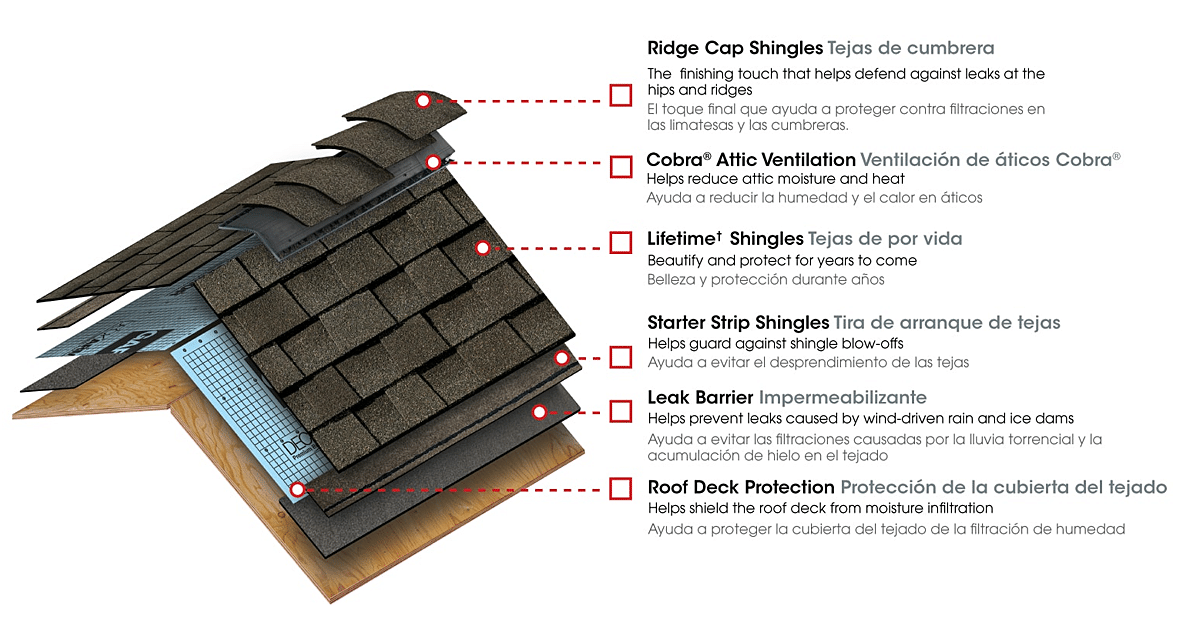
Roof underlayment is a water-resistant or waterproof barrier installed directly on top of your roof deck (typically plywood or OSB sheathing) and beneath your primary roof covering. Think of it as a continuous protective sheet that covers your entire roof deck before any visible roof materials like shingles, tiles, or metal panels are installed.
This secondary moisture barrier sits strategically between your roof’s structural components and the elements. While your outer roofing materials are designed to shed water, they’re not completely watertight. Wind driven rain, snow, ice dams, and even normal settling can allow moisture to penetrate under your primary roof covering. That’s where underlayment becomes critical.
During the installation process, underlayment also serves as temporary weather protection. There’s often a gap of days or weeks between removing old roof materials and completing the new roof installation. During this vulnerable period, underlayment protects your roof structure and interior from unexpected weather exposure.
The material essentially acts as a backup system – when your primary roofing materials are compromised by wind, impact, age, or installation gaps, underlayment prevents water from reaching your vulnerable roof deck and interior spaces.
Primary Functions of Roof Underlayment
Water Resistance and Leak Prevention
The most fundamental function of roof underlayment is keeping liquid water away from your roof deck when primary roof covering fails or is bypassed. During severe weather, wind driven rain and snow can be forced under shingles or tiles, especially at vulnerable points like valleys, hips, ridges, and roof penetrations including vents, skylights, and chimneys.
Quality underlayment provides a continuous plane that channels this water down-slope and off the roof, instead of allowing it to saturate and damage your roof sheathing. Without this protection, even minor water intrusion can lead to rot, mold growth, and long-term structural degradation.
Sealing Around Fastener Penetrations
Modern roof systems require thousands of nails and screws to secure shingles, metal panels, and other roof materials. Each fastener creates a potential entry point for moisture. Advanced underlayment types, particularly self adhered underlayment systems, can seal around these nail penetrations, creating a waterproof seal that prevents leaks at fastener locations.
This self sealing capability is especially critical in areas prone to severe weather, where high winds can drive water upward under roofing materials and through the smallest openings.
Temperature Regulation and Energy Efficiency
While underlayment isn’t primarily an insulation product, certain types contribute to your home’s thermal performance. Reflective or high-temperature-rated underlayments can reduce heat transfer into the attic space by resisting radiant and conductive heat from the roof surface. This modest effect can help reduce attic temperatures and cooling loads in hot climates.
In colder regions, underlayment forms a continuous layer that helps minimize convective air movement through the roof deck, indirectly reducing heat loss and improving energy efficiency when combined with proper attic insulation and ventilation.
Ice Dam Prevention
In cold climates, ice dams create a specific threat that makes underlayment absolutely essential. Heat escaping from your house melts snow on the roof, liquid water flows down to the cold eaves, refreezes, and creates a dam. Subsequent meltwater backs up under shingles and can travel upward until it finds entry points into your home.
Specialized self-sealing underlayments create a leak-resistant layer even when water migrates under the roof covering, providing critical protection in areas prone to freezing temperatures.
Wind Protection During Storms
During high winds events, your primary roofing materials can be partially lifted, bent, or torn off. Underlayment serves as a backup barrier that keeps weather out until repairs can be made. Some synthetic materials are specifically engineered with wind-resistance ratings, making them essential in hurricane-prone and tornado-prone regions.
Why Roof Underlayment Matters for Your Home
The consequences of inadequate or missing roof underlayment can be severe and expensive. Without proper protection, your home faces multiple serious risks that can compromise both your safety and financial security.
Structural Damage and Costly Repairs
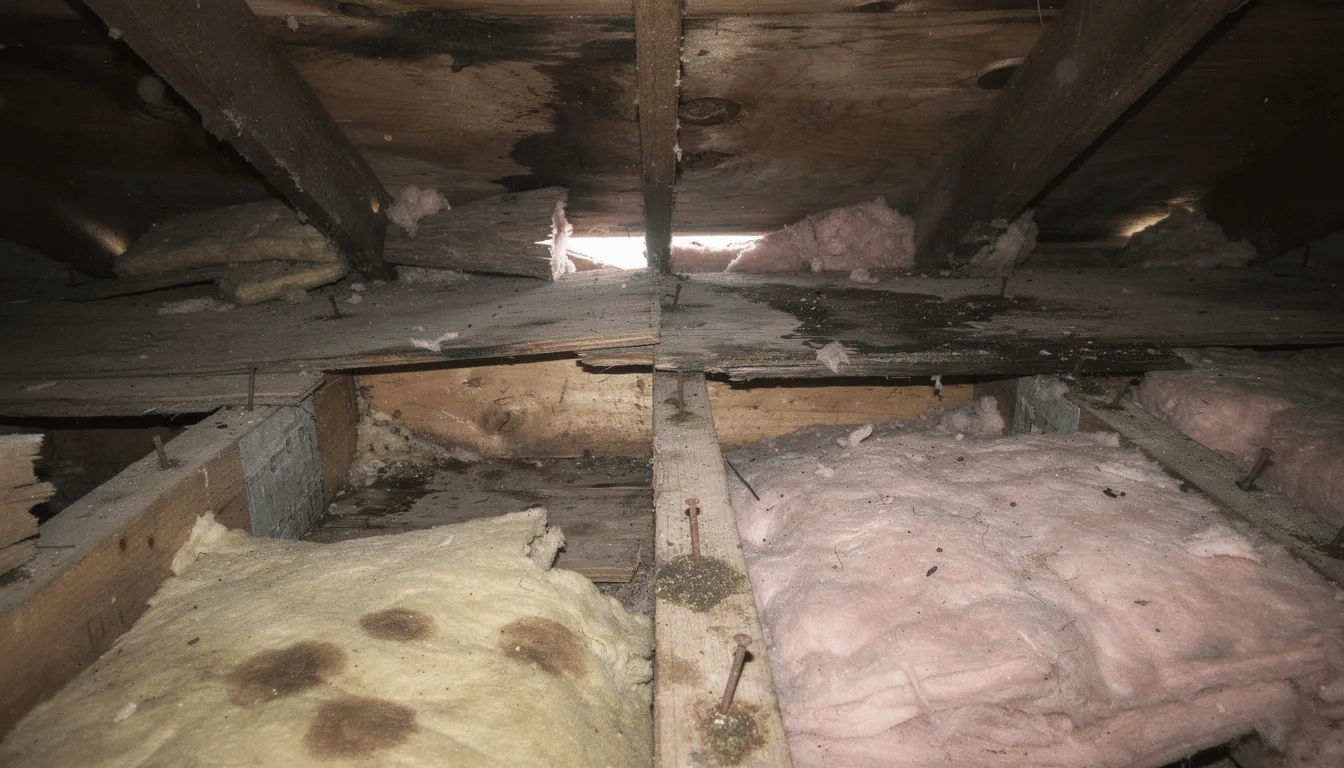
Water that bypasses primary roofing materials and penetrates your roof deck can cause extensive structural damage. Moisture saturates the wood deck and framing, promoting rot and compromising your roof structure’s load-bearing capacity. Once water reaches the interior, it can damage insulation, drywall, flooring, and personal belongings.
The cost difference is staggering: proper underlayment installation typically costs $500-2,000 for an average home, while water damage repairs can easily reach $5,000-15,000 or more. In severe cases involving structural damage, costs can exceed $50,000.
Mold and Health Concerns
Chronic moisture intrusion creates ideal conditions for mold growth within your roof structure and interior spaces. Mold problems are particularly tied to low-level moisture intrusions that go undetected until significant damage has occurred. Professional mold remediation can cost thousands of dollars, and health impacts from mold exposure can be serious for sensitive individuals.
Insurance and Resale Value Impact
Many insurance companies scrutinize roof construction details when processing storm damage claims. Missing or inadequate underlayment can complicate claims or result in coverage denials. Additionally, homes with properly installed, high-quality roofing systems including appropriate underlayment typically maintain higher resale values and may qualify for insurance discounts in high-risk weather areas.
Building Code Requirements and Warranty Protection
International Residential Code Requirements
Modern building codes virtually always require underlayment under sloped roofing systems. The International Residential Code (IRC), adopted by most U.S. jurisdictions, specifies minimum requirements for different roof types and climate zones. These typically include:
- At least one layer of underlayment for roofs with slopes of 4:12 or greater
- Two layers for very low-slope applications just above the threshold for shingles
- Specific ice barrier requirements extending from eaves to at least 24 inches inside the warm wall line in cold climates
Regional Code Variations
Local building codes often include additional requirements based on regional weather challenges:
- Florida and coastal areas: Enhanced wind-uplift fastening requirements and specific underlayment types rated for hurricane conditions
- Northern snow belt regions: Extended ice barrier zones and specialized cold-weather installation procedures
- Wildfire-prone areas: Fire-resistant underlayment requirements as part of Class A roof assemblies
- High-wind zones: Specific fastening patterns and underlayment types to resist uplift during severe weather
Manufacturer Warranty Requirements
Major roofing manufacturers including GAF, Owens Corning, CertainTeed, and others explicitly require approved underlayment installation to maintain warranty coverage. These warranties often specify:
- Minimum ASTM standards for underlayment materials
- Proper installation procedures and overlap requirements
- Compatible underlayment brands and types for their roofing systems
Failure to install manufacturer-specified underlayment can void your roof materials warranty, leaving you financially responsible for premature roof failure even if the shingles or metal panels are defective.
Types of Roof Underlayment and Their Specific Functions
Choosing the right roof underlayment depends on your climate, roof type, budget, and local building codes. Understanding the three main categories helps you make an informed decision that optimizes protection and value.
Asphalt-Saturated Felt Underlayment
Traditional asphalt saturated felt has been the standard for decades and remains a cost-effective option for many applications.
Composition and Construction Asphalt saturated felt uses either organic (cellulose) or fiberglass base mats saturated with asphalt. The most common weights are 15-pound and 30-pound felt, though modern products may not strictly weigh these amounts due to manufacturing changes. The 30-pound options (Type II) offer greater tear resistance and durability than lighter 15-pound versions (Type I).
Performance Characteristics Felt underlayment provides basic water-shedding at a relatively low cost, typically ranging from $0.50-1.00 per square foot. When properly installed and maintained, quality felt can last 15-25 years under normal conditions.
Best Applications Felt works well under traditional asphalt shingle roofs in moderate climates. It’s particularly suitable for:
- Standard residential roofing projects with limited budget constraints
- Replacement projects where existing roof structure is in good condition
- Areas with moderate weather exposure and limited extreme temperature variations
Limitations to Consider Felt has several notable weaknesses that limit its effectiveness in challenging conditions:
- Can wrinkle or buckle when wet, potentially creating visible telegraphing through shingles
- Tears relatively easily around fasteners and under foot traffic during installation
- Limited UV exposure tolerance – typically 2-4 weeks before degradation begins
- Temperature sensitivity – becomes brittle in cold weather and can deteriorate rapidly in extreme heat
In hot climates like Arizona, contractors report that felt underlayment under tile roofs often fails in 15-25 years while tiles remain serviceable for 50+ years, necessitating expensive underlayment replacement projects.
Synthetic Underlayment
Synthetic roof underlayment represents a significant technological advancement, using advanced polymer materials to deliver superior performance characteristics.
Materials and Engineering Synthetic options typically use woven or spunbond polypropylene or polyethylene construction with specialized coatings. These synthetic materials are engineered for specific properties including enhanced tear resistance, dimensional stability, and extended weather exposure capability.
Superior Durability Synthetic underlayment significantly outperforms felt in multiple areas:
- Tear resistance: Much less likely to tear during installation or under foot traffic
- Weather exposure: Can remain exposed for up to 6 months versus 2-4 weeks for felt
- Dimensional stability: Won’t wrinkle or buckle when wet, ensuring smooth finished roof appearance
- Weight: Lighter than felt, making installation easier and faster
Cost and Lifespan While more expensive upfront at $1.00-2.50 per square foot, synthetic underlayment typically provides 25-30 year service life, offering better long-term value. The enhanced durability and reduced installation labor often offset the higher material cost.
Ideal Applications Synthetic underlayment excels in demanding conditions:
- TPO roofing systems, metal roofs where temperature extremes and expansion/contraction are concerns
- Tile roofing systems where underlayment may serve as the primary water barrier for decades
- High-wind areas where superior tear resistance is critical
- Projects with extended construction timelines requiring long weather exposure capability
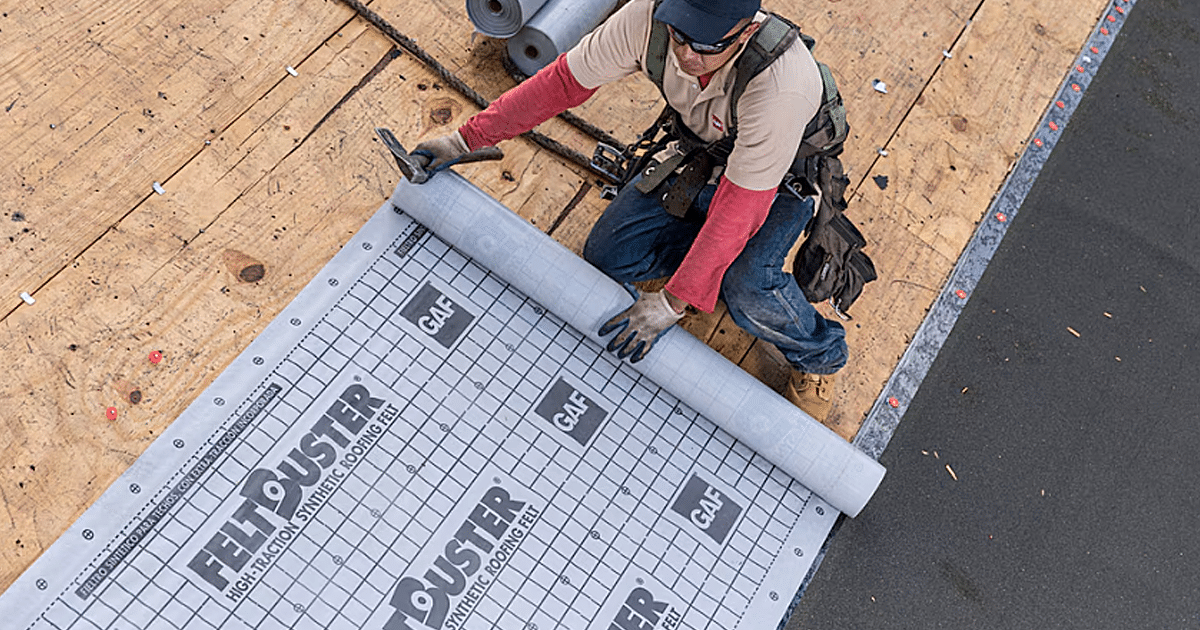
Installation Advantages Beyond performance benefits, synthetic materials offer practical installation advantages including lighter weight for easier handling, better traction for safer rooftop work, and resistance to wrinkling that can complicate shingle installation.
Rubberized Asphalt (Peel-and-Stick) Underlayment
Rubberized asphalt underlayment, commonly called “ice and water shield,” provides the highest level of water protection through self-adhering membrane technology.
Advanced Construction These self adhered underlayment systems typically consist of rubberized asphalt or polymer-modified bitumen laminated to high-strength carrier sheets. The polymer modification enhances flexibility at low temperatures while maintaining adhesion and durability across temperature ranges.
Superior Waterproofing The self-sealing nature around nail and screw penetrations provides leak protection that mechanically-fastened materials cannot match. Once installed, the membrane bonds directly to the roof deck, creating a continuous waterproof barrier that remains intact even if individual fasteners are compromised.
Strategic Applications While cost typically ranges from $2.00-4.00 per square foot, rubberized asphalt underlayment is usually applied selectively to vulnerable areas:
- Eaves and lower roof sections: Essential ice dam protection in freezing climates
- Valleys and roof intersections: Areas prone to water concentration and backup
- Around roof penetrations: Critical sealing around chimneys, vents, and skylights
- Low-slope sections: Areas where water moves slowly and ponding risks increase
Climate Considerations In hot climates, high-temperature-rated formulations are essential to prevent material flow or degradation under dark roofing materials. Quality products can withstand weather exposure up to 180 days, providing excellent protection during extended construction projects.
Installation Requirements Proper installation requires clean, dry roof deck surfaces and appropriate temperature conditions for full adhesion. While more labor-intensive to install correctly, the superior protection justifies the investment in critical roof areas.

When Roof Underlayment Becomes Most Critical
Understanding when underlayment performance becomes absolutely essential helps prioritize quality materials and proper installation techniques.
Low-Slope Roofs
Roofs with slopes under 4:12 pitch present unique challenges where water moves slowly and gravity drainage is less effective. In these conditions, water is more likely to pond or travel uphill under roofing materials during wind-driven rain events. Building codes typically require either double layers of standard underlayment or specialized low-slope products to compensate for these challenging drainage conditions.
High-Wind Coastal Areas
Coastal regions and areas prone to hurricanes or severe thunderstorms place extreme demands on roofing systems. High winds can lift and damage primary roofing materials, making backup protection essential. Local codes in Florida, coastal Texas, and other hurricane-prone areas often mandate specific underlayment types and fastening patterns engineered to resist uplift forces.
Ice Dam Prone Regions
Northern climates with significant snowfall and freeze-thaw cycles create ideal conditions for ice dam formation. These areas require specialized ice and water shield installation extending well beyond the exterior wall line. Without proper protection, ice dams can force water under shingles and into homes, causing extensive interior damage.
Extended Construction Projects
Large custom homes, commercial buildings, and renovation projects often involve extended timelines where roof deck may be exposed for weeks or months. During these periods, underlayment serves as the primary weather protection. Projects in areas with unpredictable weather patterns particularly benefit from synthetic materials rated for extended UV exposure.
Emergency Temporary Protection
After storm damage when permanent roof repairs cannot be completed immediately, quality underlayment can provide temporary weather protection for weeks or months. This emergency protection capability can prevent secondary water damage while permanent repairs are planned and executed.
Installation Considerations and Best Practices
Proper installation is crucial for underlayment to perform its protective functions effectively. Even the highest-quality materials will fail if installation procedures are inadequate.
Critical Overlap Requirements
Horizontal Laps: Install horizontal courses with minimum 6-inch overlaps, with upper courses overlapping lower courses to ensure proper water shedding. In areas subject to wind-driven rain, 8-inch overlaps provide additional protection.
Vertical Laps: End laps between rolls should overlap at least 4 inches, with joints staggered between courses to avoid continuous seam lines that could channel water.
Fastening Methods and Patterns
Different underlayment types require specific fastening approaches:
- Felt underlayment: Mechanical fastening with galvanized roofing nails or staples, typically 6 inches on center along laps and 12 inches on center in the field
- Synthetic underlayment: May use nails, staples, or cap fasteners depending on manufacturer specifications and wind exposure requirements
- Self-adhered membranes: Bond directly to clean, dry deck surfaces with mechanical fastening only at edges and laps
Special Detailing Around Penetrations
Roof penetrations including chimneys, vent pipes, and skylights require careful integration with underlayment systems. These areas typically need:
- Extended underlayment coverage around the penetration base
- Integration with metal flashing systems
- In many cases, self-adhered membrane treatment regardless of field underlayment type
Valley and Hip Installation
Water concentrates in valleys, making them particularly vulnerable to leaks. Best practices include:
- Running underlayment through valleys before installing field courses
- Using self-adhered membrane in valleys regardless of field underlayment type
- Ensuring proper integration with metal valley flashing
Signs Your Roof Underlayment May Be Failing
Recognizing early warning signs of underlayment failure can prevent minor issues from becoming major disasters.
Interior Water Evidence
Ceiling and Wall Stains: Water stains on interior ceilings or walls, especially near exterior walls, often indicate underlayment failure even when shingles appear intact from ground level.
Musty Odors: Persistent musty smells in attic spaces or upper floors can signal hidden moisture problems related to compromised underlayment.
Visible Sagging: Dark spots or sagging visible on roof deck from inside the attic indicate water saturation of wood sheathing.
Exterior Indicators
Granule Loss: Excessive granules from asphalt shingles collecting in gutters may indicate accelerated aging due to inadequate underlayment protection.
Shingle Damage Patterns: Cupping, curling, or premature aging of shingles in specific roof areas can result from temperature and moisture cycling caused by failing underlayment.
Ice Dam Formation: Repeated ice dam formation in the same roof locations suggests inadequate ice barrier protection.
When to Conduct Inspections
Post-Storm Assessment: After severe weather events including high winds, hail, or heavy snow loads Routine Maintenance: Annual or bi-annual professional roof inspections can identify developing issues before they cause damage Pre-Sale Preparation: Roof system evaluation before listing your home can identify issues that could complicate sales negotiations
Cost Considerations and Return on Investment
Understanding the financial implications of underlayment choices helps homeowners make informed decisions that balance upfront costs with long-term value.
Material Cost Breakdown
Underlayment typically represents 10-15% of total roof replacement costs, making it a relatively small investment with enormous protective value:
- Asphalt-saturated felt: $0.50-1.00 per square foot
- Synthetic underlayment: $1.00-2.50 per square foot
- Rubberized asphalt (selective use): $2.00-4.00 per square foot for critical areas
Installation Labor Considerations
While some homeowners consider DIY installation to save money, professional installation by a qualified roofing contractor is strongly recommended. Improper installation can void manufacturer warranties and compromise protection, potentially leading to costly repairs that far exceed labor cost savings.
Experienced contractors understand local building codes, proper fastening techniques, and integration with flashing systems that ensure optimal performance.
Long-Term Financial Benefits
Prevented Water Damage: The cost difference between proper underlayment installation ($1,000-3,000 for typical homes) versus water damage repairs ($5,000-25,000+) makes quality underlayment one of the best investments in home protection.
Extended Roof Life: Proper underlayment can extend overall roof system life by 10-20 years by protecting the roof deck and primary materials from moisture damage.
Insurance Considerations: Some insurance companies offer premium discounts for homes with enhanced roofing systems in high-risk areas. Additionally, proper installation helps ensure coverage for storm damage claims.
Resale Value: Homes with quality roofing systems including appropriate underlayment typically maintain higher resale values and may sell faster in competitive markets.
Regional Cost Variations
Costs vary significantly based on local labor rates, climate requirements, and material availability:
- Hurricane-prone coastal areas: Higher costs due to enhanced wind-resistance requirements
- Cold climate zones: Additional ice barrier requirements increase material costs
- Hot, arid regions: High-temperature-rated materials command premium pricing
The investment in climate-appropriate materials typically pays for itself through extended service life and reduced maintenance requirements.
FAQ
Can I install new shingles over old underlayment if it looks good from the outside?
No, reusing old underlayment is not recommended even if it appears intact. Underlayment degrades from both weather exposure and age, and existing material may not meet current building codes or manufacturer warranty requirements. Most roofing material warranties specifically require new, compatible underlayment for coverage. Additionally, old underlayment may have hidden damage, inadequate lap joints, or outdated materials that don’t provide modern protection standards.
How long can different types of underlayment be exposed to weather before roofing installation?
Exposure time varies dramatically by material type. Traditional felt underlayment should only be exposed for 2-4 weeks maximum before degrading from UV exposure and weather. Synthetic underlayment can typically handle 60-180 days of exposure depending on the specific product and manufacturer ratings. Self-adhered rubberized asphalt membranes generally fall between these ranges but can withstand longer exposure in moderate climates. Always check manufacturer specifications and never exceed recommended exposure times, as degraded underlayment can fail even before the roof is completed.
Do I need different underlayment types for different sections of my roof?
Yes, many modern roof installations use multiple underlayment types optimized for specific roof areas. For example, self-adhered ice and water shield is typically required at eaves and valleys in cold climates, while synthetic or felt may be adequate for field areas. Low-slope sections often need enhanced underlayment regardless of the material used elsewhere. Areas around roof penetrations like chimneys and skylights frequently require self-sealing membranes even when other areas use mechanical fastening systems.
What happens to my roof warranty and insurance coverage if I skip underlayment to save money?
Skipping underlayment will void most manufacturer warranties for shingles, metal roofing, and other primary roof materials. Insurance companies may also deny coverage for water damage claims if the roof wasn’t installed to local building code requirements, which virtually always mandate underlayment. The false economy of skipping a $1,000-2,000 investment can result in tens of thousands in uncovered damage and voided warranties worth significantly more than the material savings.
How can I tell what type of underlayment is currently on my roof during a replacement project?
A qualified roofing contractor can identify existing underlayment during tear-off by examining the material composition, thickness, and installation methods. Felt underlayment is typically black or dark gray with visible organic or fiberglass mat texture. Synthetic underlayment is usually lighter weight with polymer construction and may have printed guidelines or logos. Self-adhered membranes will have adhesive backing and are often more difficult to remove. However, the type of existing underlayment shouldn’t determine what you install – choose new underlayment based on current building codes, manufacturer requirements, and your climate conditions.
Contents
- What Roof Underlayment Actually Does
- Primary Functions of Roof Underlayment
- Why Roof Underlayment Matters for Your Home
- Building Code Requirements and Warranty Protection
- Types of Roof Underlayment and Their Specific Functions
- When Roof Underlayment Becomes Most Critical
- Installation Considerations and Best Practices
- Signs Your Roof Underlayment May Be Failing
- Cost Considerations and Return on Investment
- FAQ

