
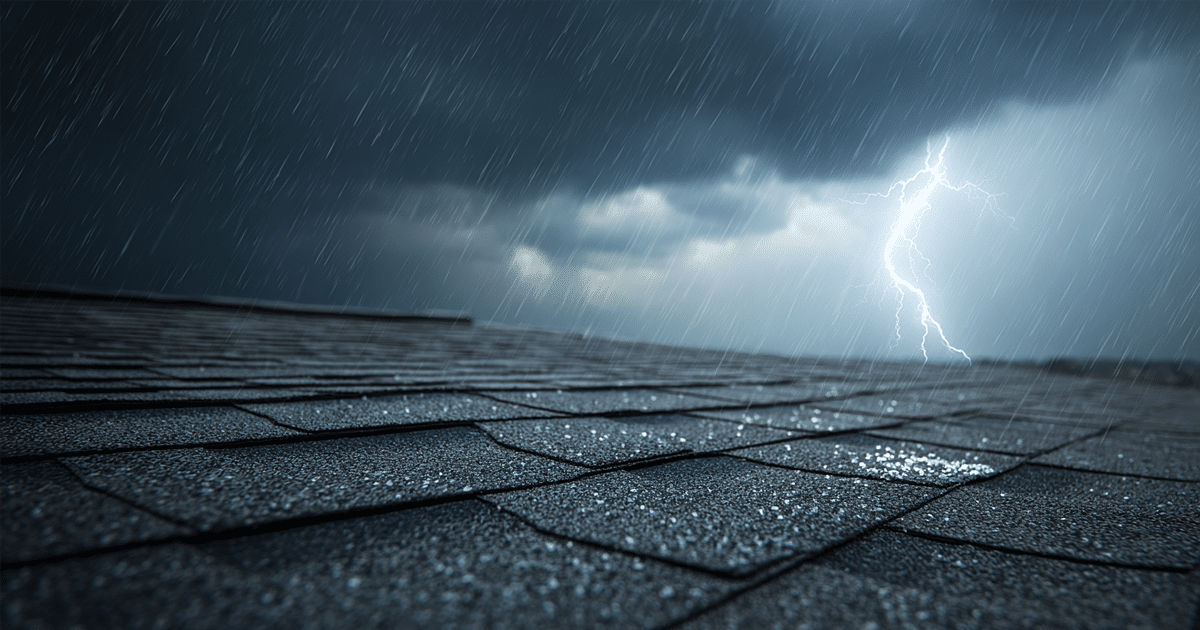
In Austin, storm season doesn’t knock politely. It barrels in with hail, sideways rain, and wind strong enough to test every seam on your roof. If you’ve ever wondered whether your home is ready, understanding the Signs Your Roof Won’t Survive Storm Season could save you from a soaked ceiling and a long insurance claim. These warning signs often show up weeks or even months before a major failure. The problem is, most homeowners don’t recognize them until water is dripping into the living room.
Austin’s primary severe weather window runs from March through May, with May usually bringing the worst hail and wind. Then summer tropical systems roll in, followed by the occasional winter freeze. Your roof doesn’t just deal with one season of stress. It takes hits all year long. Small weaknesses, like loose shingles or worn flashing, might not look urgent on a calm afternoon. But when 60 mile per hour gusts and golf ball sized hail show up, those small issues can turn into major damage fast.
Between 2020 and 2023, thousands of Austin homeowners filed insurance claims tied to storm damage. Many of those roofs looked “fine” from the ground just weeks earlier. Asphalt shingles slowly lose granules. Sealant strips weaken. Flashing shifts a little at a time. You may not see the deterioration until heavy rain finds its way underneath.
The good news is this. Roof failure is rarely a total surprise. There are clear red flags. Missing shingles. Sagging lines. Granules in the gutters. Ceiling stains that weren’t there last month. If you know what to look for, you can catch problems early, schedule an inspection before peak storm season, and avoid emergency repairs when contractors are booked solid.
Below, we’ll walk through the ten most important warning signs that your Austin roof may not hold up through hailstorms, high winds, and heavy spring rains. If you spot even one of these issues, it might be time to take a closer look before the next storm rolls across Central Texas.
Key Takeaways
- Austin’s primary severe storm season runs from March through May, featuring hail, high winds, tornadoes, and heavy rain, with May as the peak month. Additionally, tropical systems during hurricane season (June 1–November 30) and occasional severe winter storms in late winter add to the risks.
- These intense weather events expose existing roof weaknesses that may not be obvious on calm days. The following 10 critical warning signs indicate your roof may fail when Austin’s severe storms and weather extremes arrive.
- The most obvious signs of trouble include missing shingles, sagging roof lines, and water stains on interior ceilings—each requiring immediate attention before the next major storm hits.
- Roof age (15–20+ years), previous storm damage, and poor attic ventilation significantly increase the chance of roof leaks and structural damage during Austin’s hailstorms, high winds, and tropical weather. Roofs over 20 years old face a high risk of failure in major events.
- Simple visual checks from the ground combined with attic inspections after heavy rain can reveal early signs of trouble without the need to climb onto the roof surface.
- If you spot one or more of these warning signs, schedule a professional inspection before Austin’s storm season peaks—waiting until severe weather strikes limits repair options and increases costs.
Why Austin’s Storm Season Pushes Roofs Past Their Limits
Austin’s storm season is unique and challenging. The months from March through May bring frequent hailstorms, high winds, and tornado threats that can quickly damage roofs. May is the peak month for these severe weather events. Later, from June through November, tropical systems associated with hurricane season can bring heavy rain and strong winds. Occasionally, severe winter storms in late winter add additional stress.
Between 2020 and 2023, many Austin homeowners filed insurance claims for roof damage caused by these weather extremes. Often, roofs appeared fine during routine checks but failed catastrophically once storms with strong winds, hail, or heavy rain arrived. Asphalt shingles, the most common roofing material in Austin, rely on ceramic granules for UV protection and fire resistance. Repeated storm exposure erodes these granules and weakens shingles, often without visible signs until it’s too late.
High winds and flying debris exploit even small weak spots, while heavy rain finds gaps in compromised flashing or underlayment. Many Austin homeowners first notice problems only after brown or yellow stains appear on ceilings, even though exterior warning signs were visible weeks or months earlier.
The following 10 key signs are specific red flags that your Austin roof may not survive the upcoming storm season without repairs or full replacement.
1. Missing or Visibly Damaged Shingles
Missing or damaged shingles are a leading indicator that your roof may not withstand Austin’s severe storms. Insurance claims data show missing shingles are the top cause of post-storm filings, especially after hail and high wind events common in the spring months.
What to look for from the ground:
- Bare patches where shingles once covered the decking
- Shingles scattered in your yard or landscaping
- Lifted tabs along ridges and roof edges
- Frayed, cracked, or torn shingle edges
- Visible gaps in the roof surface
Strong winds and flying debris during Austin’s storms can loosen shingles along seams and rip them away, exposing the underlayment and decking beneath. Even small clusters of damaged shingles near roof edges, valleys, or around chimneys can cause significant leaks during heavy rain.
If you notice fresh damage after a recent hailstorm or wind event, don’t wait for the next system to arrive. Addressing missing or damaged shingles promptly with professional storm damage roof repair prevents minor damage from becoming a costly emergency when Austin’s next major storm hits..
2. Curling, Buckling, or Blistering Shingles
Curling shingles, buckling along their length, or blistering on the surface indicate heat, moisture, or age-related failure in your roofing materials. These conditions reduce the shingle’s ability to stay sealed against Austin’s severe weather.
| Condition | Appearance | Storm Risk |
|---|---|---|
| Curling | Edges turning upward or corners lifting | Wind easily catches lifted edges, peeling entire rows |
| Buckling | Wavy, uneven appearance across shingle rows | Creates gaps where water pools and infiltrates |
| Blistering | Raised bubbles on shingle surface | Pops under hail or heat, leaving thin vulnerable areas |
| Roofs over 15 years old fail significantly faster in Austin’s high winds and hail compared to newer roofs. Aging shingles lose flexibility, and sealant strips weaken with temperature swings. Widespread curling or buckling usually means the entire roofing system is nearing the end of its functional life and may require a full roof replacement in Austin.. |
If you see these symptoms beyond a few isolated spots, schedule a professional inspection. Worn shingles can become entry points for water intrusion during Austin’s next severe storm.
3. Excessive Granules in Gutters and Downspouts
Asphalt shingles shed protective granules as they age, but after Austin’s hailstorms or heavy rain, granule buildup in gutters often signals roof wear.
Where to check:
- Inside gutters, especially at corners and near downspouts
- On the ground beneath downspout outlets
- On patios, driveways, or landscaping below the roofline
Loss of granules exposes the asphalt base, accelerating deterioration. Without granule protection, shingles become brittle and prone to cracking under Austin’s intense sun and storm conditions.
If you notice significant granule accumulation after storms, have your roof professionally assessed before peak storm months. Regular professional roof inspections support early detection and allow timely repairs rather than emergency replacements..
4. Sagging or Uneven Rooflines
A straight, flat roofline is vital for storm resilience. Sagging or uneven roof sections in Austin indicate serious structural issues.
Common causes:
- Trapped moisture from leaks weakening decking
- Water saturation adding weight to the structure
- Compromised rafters or sheathing
Sagging areas worsen during Austin’s heavy rains and hailstorms, increasing collapse risk under wind loads. Compare current rooflines to older photos to spot gradual dips and consider how common causes of roof damage may be contributing to the problem..
Any sagging before storm season demands immediate professional inspection—this is not a DIY fix.
5. Interior Water Stains, Peeling Paint, or Musty Odors
Water stains and peeling paint inside your Austin home often signal roof leaks caused by storm damage. Brown or yellow ceiling spots, wall streaks, and musty odors indicate ongoing moisture intrusion.
Check these locations:
- Ceiling corners and around light fixtures
- Upper-story walls near roof penetrations
- Attic spaces and finished bonus rooms
Water travels unpredictably through roof structures, so stains may appear far from the leak source. After heavy rain or hail, inspect these areas for new discoloration.
Ignoring these signs can lead to costly mold remediation and structural repairs.
6. Age of the Roof and Past Storm History
Austin’s roofs age faster due to frequent hail, high winds, and tropical weather. Most asphalt shingle roofs last 20-25 years, but exposure to severe storms often shortens this lifespan; understanding different roofing systems and common roof problems can help you plan ahead..
Determine your roof age by:
- Checking home purchase documents or inspection reports
- Looking up local building permits
- Inspecting manufacturer date stamps on shingles if accessible
Roofs over 20 years old face a high risk of failure during Austin’s severe storms. Plan inspections or replacement accordingly with trusted Austin roof repair services..
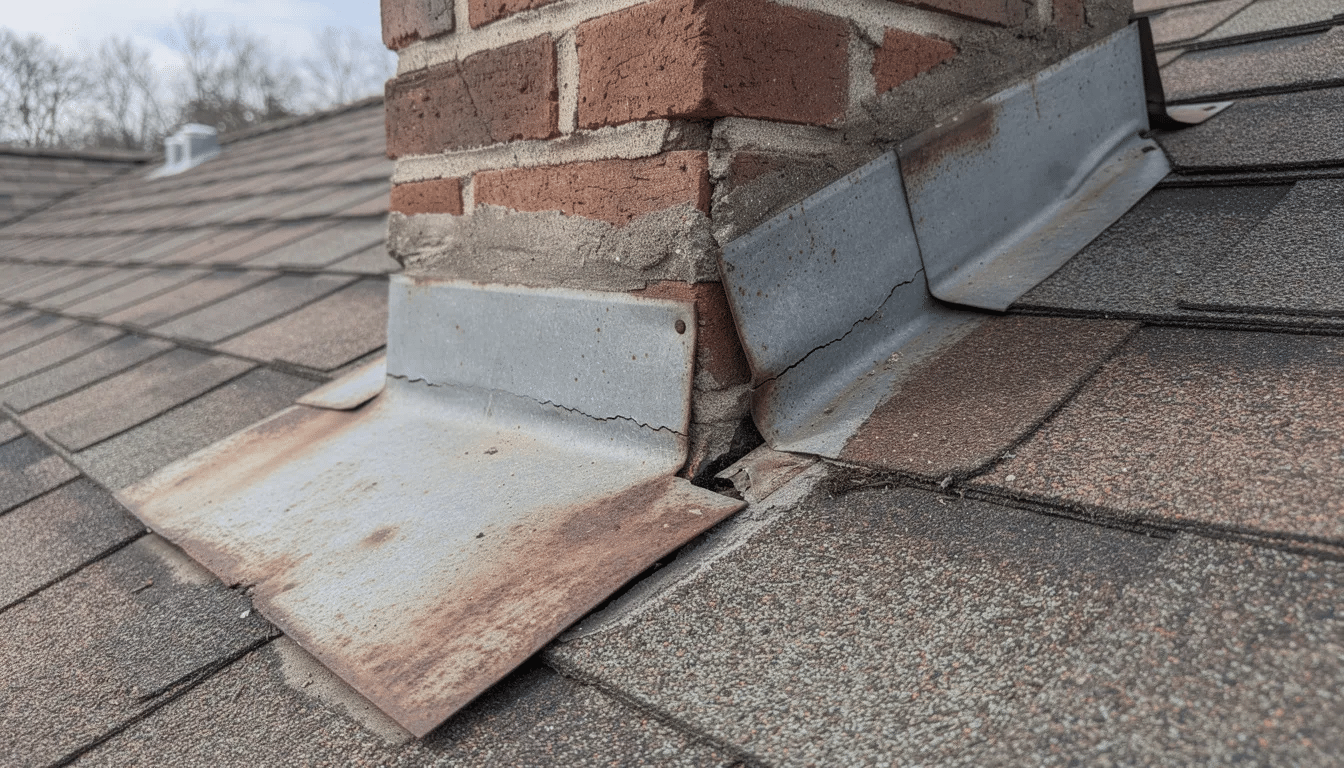
7. Damaged or Loose Flashing Around Chimneys, Vents, and Skylights
Flashing seals vulnerable roof joints. In Austin, damaged flashing causes many leaks after storms, making it important to combine sound flashing with DIY roof waterproofing steps for Central Texas homes..
Look for:
- Bent, rusted, or pulled-away flashing
- Cracked caulking or exposed nail heads
- Gaps where flashing meets shingles or masonry
Strong winds and driving rain exploit flashing gaps, causing hidden leaks. Address flashing issues promptly to prevent major water intrusion.
8. Attic Red Flags: Daylight, Damp Insulation, and Mold
Attic inspections in Austin reveal hidden storm damage before it worsens, and they also help you evaluate attic ventilation and cool-roof strategies for Texas summers..
Watch for:
| Warning Sign | What It Indicates | Urgency Level |
|---|---|---|
| Daylight through roof boards | Gaps, missing shingles, or failed underlayment | High |
| Dark stains on rafters/sheathing | Past or ongoing water intrusion | High |
| Damp or compressed insulation | Active leaks reducing insulation effectiveness | Moderate-High |
| Mold spots on wood surfaces | Prolonged moisture presence | High |
| Musty persistent odor | Hidden moisture problems | Moderate |
| Check your attic on a bright day for light shining through roof boards or gaps near vent pipes. After storms, inspect for fresh stains or damp insulation. These signs require urgent professional evaluation. |
9. Clogged Gutters, Poor Drainage, and Debris Buildup
Austin’s storms often leave debris that clogs gutters, disrupting water flow and damaging roofs.
Signs include:
- Overflowing gutters during moderate rain
- Plant growth in gutters
- Sagging or detached gutter sections
- Watermarks on fascia boards
- Pooling water near the foundation
Clogged gutters cause water to back up under shingles, leading to rot and leaks. Clear gutters and remove debris before storm season to protect your roof, and know which signs call for emergency roof repair services in Austin..
10. Rising Energy Bills and Poor Attic Ventilation
Poor attic ventilation in Austin accelerates shingle aging and moisture buildup, raising energy costs, and can leave homeowners more vulnerable to predatory roofers after severe storms when they finally seek help..
Warning signs:
- Hot attic temperatures in summer
- Ice dam formation in winter (rare but possible)
- Blocked or damaged ridge and soffit vents
- Unexpected increases in heating or cooling bills
Address ventilation issues to extend your roof’s lifespan and improve energy efficiency during Austin’s variable weather, and remember that consistent care—similar to industrial roof maintenance best practices—can dramatically reduce storm-related failures..
How to Check Your Roof Safely Before Austin’s Storm Season
Follow a simple inspection routine:
Ground-level checks:
- Walk around your home with binoculars
- Photograph visible damage or debris
- Observe rooflines from multiple angles
- Check gutters for granule buildup
- Look for shingles in the yard
Attic checks (after rain):
- Look for daylight through roof boards
- Inspect rafters for stains
- Feel insulation for dampness
- Note musty odors or mold spots
Avoid climbing on steep or wet roofs. Use professionals for close inspections or repairs, and business owners should rely on experienced commercial roofing services in Austin to handle storm-related issues safely..
Set reminders in late February or early March to perform these checks before Austin’s storm season peaks.
When to Call a Professional Before the Next Big Storm
Multiple warning signs together—such as roof age, missing shingles, and interior stains—mean urgent action is needed before Austin’s severe weather arrives.
Seek professional inspection if you notice:
- Sagging rooflines
- Active leaks during rain
- Widespread shingle damage
- Extensive attic mold or odors
- Roof age over 20 years with other signs
- Soft spots on shingles or decking
- Damaged flashing around chimneys or vents
Early inspections in February or March provide more repair options and better scheduling before Austin’s busy storm season.
Document all signs with photos and notes to support insurance claims if needed.
Proactive inspection can save 50% or more compared to emergency repairs during peak storm months.
FAQs: Roof Survival and Austin’s Storm Season
How far in advance of Austin’s storm season should I have my roof inspected?
Schedule a professional inspection 4-8 weeks before March to catch issues before severe hail, wind, and tornado events. Early inspections also prepare you for tropical storms during hurricane season.
Can a roof over 20 years old still be safe for Austin’s storms?
Some older roofs remain serviceable, but age combined with exposure to hail and high winds significantly reduces safety margins. Professional evaluation determines if repairs or replacement are needed.
Will minor repairs suffice, or is full replacement necessary before storms?
Isolated damage can often be repaired if the rest of the roof is sound. However, widespread wear, sagging, or repeated leaks usually mean replacement is more cost-effective and reliable.
Does homeowner’s insurance cover pre-storm roof work in Austin?
Policies typically cover sudden storm damage, not preventive maintenance. Documenting your roof’s condition through inspections helps support future claims after storm damage.
How often should I inspect my roof if I live in Austin?
Perform quick visual checks after every significant storm and schedule professional inspections at least annually, ideally before March. More frequent checks may be needed after hail or tropical storm exposure.
By understanding and monitoring these top 10 signs, Austin homeowners can protect their roofs and investments against the region’s challenging storm seasons. Early detection and professional maintenance are key to weathering hail, high winds, tornadoes, and tropical storms safely. Schedule your inspection today to stay ahead of Austin’s severe weather and avoid costly repairs tomorrow.
Can hidden damage cause roof failure even if there are no immediately obvious issues?
Yes. Some of the most serious roof damage is not immediately obvious from the ground. Hidden damage can sit beneath the roof surface for months before you see interior signs like water stains or brown or yellow stains on ceilings. Trapped moisture inside the roof structure can slowly weaken decking and compromise the entire roofing system. A professional inspection is often the only way to uncover damage underneath before severe weather turns it into major leaks or structural damage.
How do ridge vents and attic ventilation affect storm performance?
Proper attic ventilation, including ridge vents and soffit vents, plays a bigger role than most homeowners realize. Poor ventilation allows trapped moisture and heat buildup, which can shorten shingles age and weaken roofing materials. When high winds and heavy rain arrive during a significant storm, a poorly ventilated attic increases the risk of hidden leaks and mold growth. If your attic ventilation system is outdated or blocked, it can quietly reduce your roof’s lifespan long before storm season peaks.
Are soft spots on the roof a sign of serious structural damage?
Yes. Soft spots are one of the key signs that water intrusion has already affected the roof boards or decking. These areas may feel spongy underfoot and often indicate sagging roof sections or damage underneath the shingles. Left alone, soft spots can expand into a sagging roof or even require major repairs. If you suspect weak areas, avoid walking on that part of the roof and schedule a roof inspection right away.
Do granules in gutters really mean I need roof repairs or a full replacement?
Finding shingle granules in gutters after a major storm is common, but excessive granules in gutters is one of the early signs of worn shingles. Asphalt shingles rely on shingle granules for UV protection and fire resistance. Once those granules are gone, damaged shingles become brittle and more likely to loosen shingles during strong winds. If granule loss is widespread, a full replacement may be more cost effective than repeated roof repairs.
How can I tell the difference between minor roof problems and major leaks?
Minor roof leaks may start as small yellow stains or peeling paint near roof edges or around vent pipes. Major leaks, however, often follow a significant storm and may include interior leaks, damp insulation, or sagging roof lines. If multiple warning signs appear together, such as missing or damaged shingles combined with interior water stains, the risk of costly repairs increases quickly. A professional inspection can determine whether spot roof repairs will restore the roof’s integrity or if roof replacements should be considered before future storms hit.
Contents
- Why Austin’s Storm Season Pushes Roofs Past Their Limits
- 1. Missing or Visibly Damaged Shingles
- 2. Curling, Buckling, or Blistering Shingles
- 3. Excessive Granules in Gutters and Downspouts
- 4. Sagging or Uneven Rooflines
- 5. Interior Water Stains, Peeling Paint, or Musty Odors
- 6. Age of the Roof and Past Storm History
- 7. Damaged or Loose Flashing Around Chimneys, Vents, and Skylights
- 8. Attic Red Flags: Daylight, Damp Insulation, and Mold
- 9. Clogged Gutters, Poor Drainage, and Debris Buildup
- 10. Rising Energy Bills and Poor Attic Ventilation
- How to Check Your Roof Safely Before Austin’s Storm Season
- When to Call a Professional Before the Next Big Storm
- FAQs: Roof Survival and Austin’s Storm Season

