
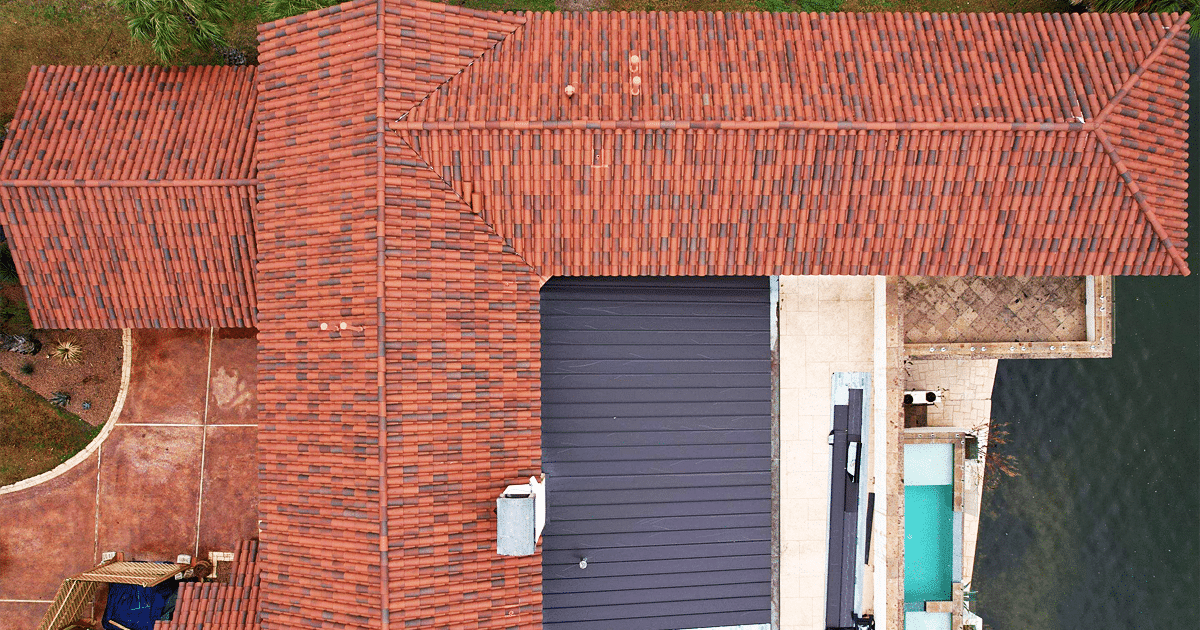
Tile Roofs in Texas aren’t just a design choice. They’re a long-term investment that can completely change how your home performs in our heat, hail, and high winds. From Austin to Dallas to San Antonio, more homeowners are asking whether tile is worth the higher upfront price, especially after watching neighbors replace shingles again and again. When you start comparing costs, lifespan, energy savings, and storm performance, the conversation shifts from “Is tile expensive?” to “Is tile smarter over time?”
In this guide, we’re breaking down the real numbers behind tile roofing in Texas, not just national averages that don’t reflect our climate. You’ll see what tile roofs actually cost in 2024 and 2025, how clay and concrete hold up against brutal summer heat and North Texas hailstorms, and what kind of long-term performance you can realistically expect. We’ll also cover structural considerations, maintenance, insurance factors, and whether tile makes financial sense for your specific situation.
If you’re weighing tile against shingles or metal, or simply trying to understand if your home is a good candidate, this article will give you clear, Texas-specific answers without the sales pitch.
Key Takeaways
- Tile roofs in Texas typically cost $15–$25 per square foot installed, with total project costs ranging from $37,500 to $77,000+ for a 2,500 square foot home depending on tile type, roof complexity, and whether structural reinforcement is needed.
- Clay and concrete tiles can last 50–100 years with proper installation, far outlasting traditional asphalt shingles that need replacement every 20–30 years.
- Core benefits include exceptional durability against intense sunlight and high winds, energy efficiency that can reduce cooling costs by 20–25%, and strong curb appeal that supports property value in Texas real estate markets.
- Main drawbacks include high upfront costs (2–3x more than shingles), the need for additional structural support due to tile weight (9–12 lbs per square foot), and potential cracking in severe hailstorms common to North Texas.
- This article walks Texas homeowners through detailed pricing, material options, climate-specific performance data, and guidance on whether tile roofing is a worthwhile investment for your situation.
Introduction: Why Tile Roofs Are Popular in Texas
Interest in tile roofs has surged across Texas cities like Dallas, Austin, San Antonio, and Houston, particularly after severe weather events like the 2023 North Texas hailstorms exposed the limitations of standard roofing materials. Homeowners who watched neighbors replace asphalt shingles for the second or third time in a decade started asking whether there was a better long-term solution.
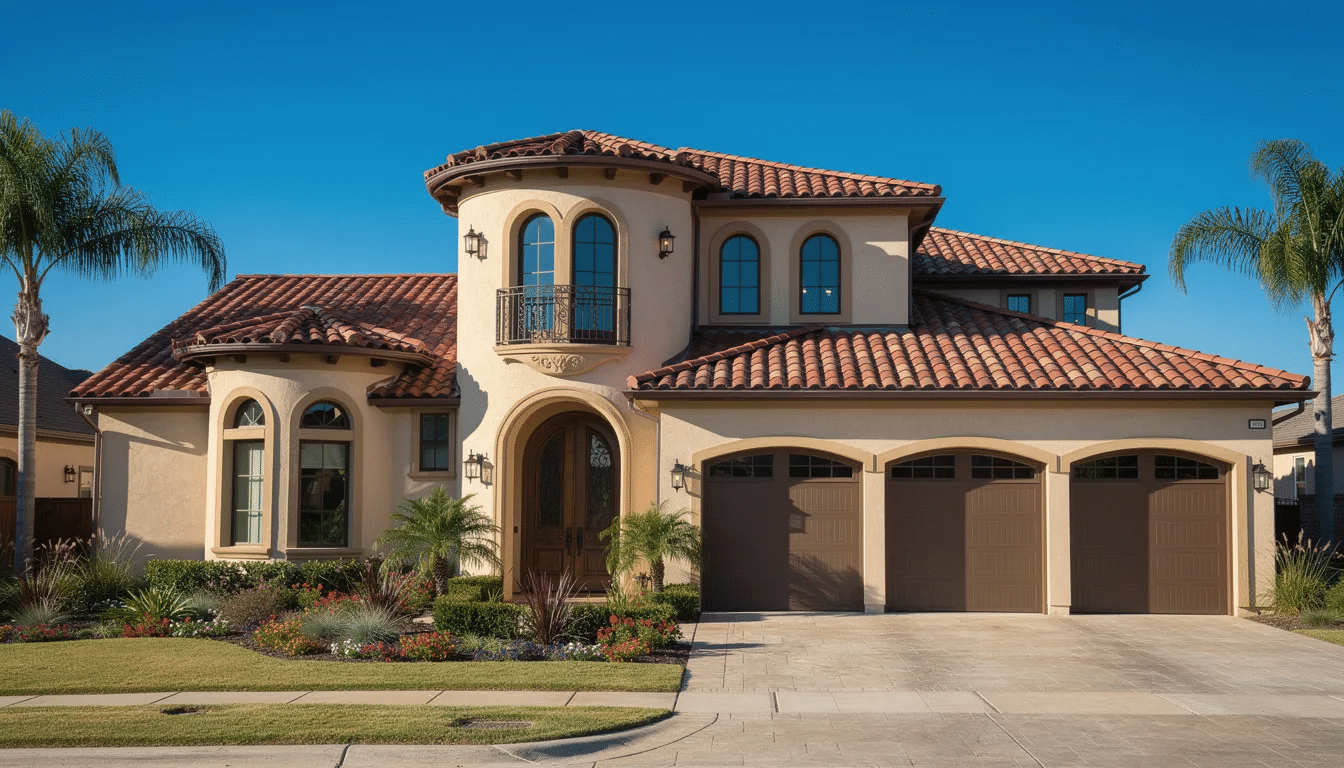
Tile roofing—including clay tiles, concrete tiles, and newer composite tiles—aligns naturally with Texas architecture. Mediterranean, Spanish Revival, and modern stucco designs dominate luxury neighborhoods from the Hill Country to the Gulf Coast, and tile roofing stands as the finishing touch that completes these aesthetic visions. Beyond looks, roofing tiles offer a proven track record against harsh weather conditions that define the Texas climate, much like well-designed commercial roofing systems in Texas that are engineered for durability and efficiency.
This article focuses specifically on Texas costs, climate-related benefits of tile, and real-world expectations for long-term performance versus asphalt shingles and metal roofing. All pricing data and performance discussion reflect current 2024–2025 Texas market conditions rather than national averages that often miss regional realities.
Average Cost of Tile Roofs in Texas (2024–2025)
The typical installed tile roof cost in Texas ranges from $15 to $25 per square foot for most residential projects, though premium materials and complex roof designs can push costs higher. Understanding this cost breakdown helps you budget realistically before contacting roofing companies.
Project Budget Examples
For common Texas roof sizes, here’s what to expect:
| Roof Size | Low-End Budget | Mid-Range Budget | High-End Budget |
|---|---|---|---|
| 1,800 SF | $27,000 | $36,000 | $45,000+ |
| 2,000 SF | $30,000 | $40,000 | $50,000+ |
| 2,500 SF | $37,500 | $52,500 | $62,500+ |
| 3,000 SF | $45,000 | $63,000 | $75,000+ |
| These ranges reflect material and labor costs but may exclude major structural reinforcement, which can add $5,500–$14,500 to the overall cost for older homes. |
Cost by Material Type
Different roofing materials carry different price points:
- Concrete tiles (flat profile): $15–$20 per square foot installed
- Concrete tiles (barrel profile): $17–$22 per square foot installed
- Clay tiles: $20–$30 per square foot installed
- Composite/synthetic tiles: $18–$25 per square foot installed
Factors like roof pitch, number of stories, hips and valleys, and tear-off of an existing roof all influence final pricing. Steeper roofs require more labor costs due to safety considerations and slower installation pace.
Standard tile roof costs generally include underlayment, flashing, fasteners, and basic disposal of old materials. However, they typically exclude structural upgrades, complex ventilation modifications, or specialty items like copper flashing.
Tile Roofing Materials and Options for Texas Homes
Your material choice drives both the initial investment and long-term performance in different Texas climates—from the dry heat of the Hill Country to the humid Gulf Coast to the hail-prone North Texas corridor.
Clay Tiles
Clay tiles represent the premium end of the market. These natural materials offer exceptional heat resistance, making them ideal for San Antonio and Austin luxury neighborhoods where temperatures regularly exceed 100°F. Expect clay tiles to last 75–100+ years with minimal maintenance, though they carry the highest price tag at $20–$30 per square foot installed. Their natural beauty and rich color depth come from kiln-firing rather than surface coatings, meaning they won’t fade like painted alternatives.
Concrete Tiles
Concrete tiles provide a more affordable alternative while delivering similar aesthetics and durability. They’re the dominant choice across suburban Dallas–Fort Worth and Houston markets, where they balance cost-effectiveness with excellent weather resistance. Concrete tiles typically last 50–75 years and cost $15–$22 per square foot depending on profile. They’re heavier than clay, which impacts structural requirements.
Composite and Synthetic Tiles
For older Texas homes with limited structural capacity, composite tiles offer a compelling middle ground. These engineered products can mimic the appearance of clay tiles or even slate tiles while weighing significantly less—often 4–6 lbs per square foot versus 9–12 lbs for traditional tile. Prices range from $18–$25 per square foot, and while they lack the multi-generational track record of clay and concrete, eco-friendly synthetic roof tiles are gaining popularity for retrofit projects.
Profile and Style Options
Tile profiles include S-style (barrel), flat, mission, and interlocking designs. Barrel tiles create greater surface area for heat dissipation and deliver that classic Mediterranean look. Flat profiles suit modern architecture, while interlocking styles cost 10–20% more due to complex installation requirements. Before selecting a profile, check your HOA guidelines—many Texas communities have specific requirements for roofing materials and colors.
Texas Labor and Installation Costs
Labor typically represents 40–60% of your total tile roof project in Texas. This isn’t like installing asphalt shingles—tile requires skilled labor, specialized techniques, and more time on the roof.
Labor Cost Ranges
Expect labor costs between $4 and $10 per square foot of roof surface across Texas markets. Urban areas like Austin and Dallas tend toward the higher end due to demand and cost of living, while smaller markets may offer modest savings.
Installation Timelines
A typical 2,000–3,000 square foot Texas home requires 5–12 working days for tile installation, depending on:
- Weather conditions (Texas heat slows work)
- Roof complexity and pitch
- Crew size and experience
- Structural prep work required
Factors That Increase Labor Costs
- Steep roof pitches requiring additional safety equipment
- Multi-story homes with difficult access
- Intricate valleys, dormers, or complex flashing around chimneys
- Custom cutting for unusual architectural features
Quality installation is non-negotiable with tile roofing. Using licensed, insured Texas roofing contractors experienced specifically with tile protects your manufacturer warranties and ensures the system performs as designed during hail and high winds. The difference between proper installation and a hack job will show up during the first major storm.
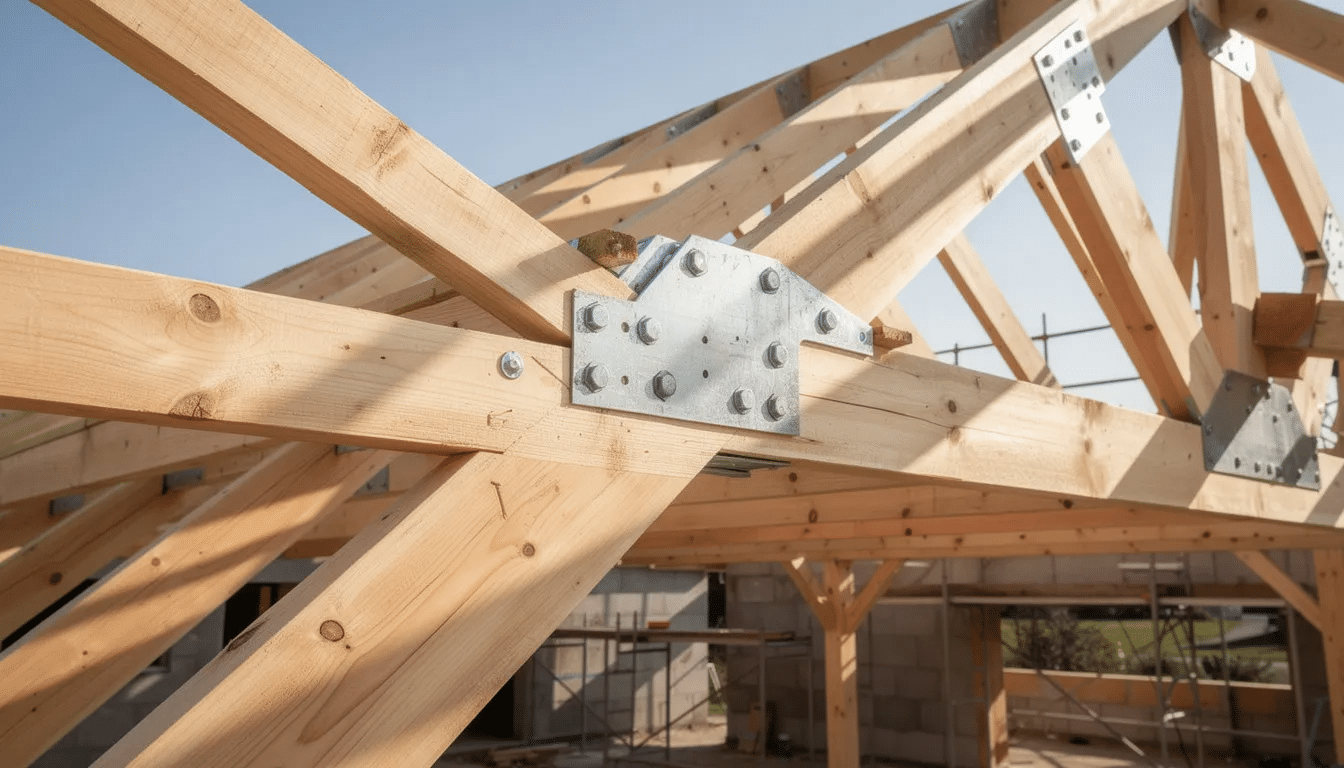
Here’s where many Texas homeowners get surprised: tile is significantly heavier than other roofing materials. A typical tile roof weighs 600–1,100 lbs per roofing square (100 square feet), compared to 200–300 lbs for asphalt shingles.
What This Means for Your Home
Many Texas homes built in the 1970s–1990s weren’t designed to carry this weight. Before installing tile, you’ll need a structural evaluation examining:
- Rafter size, spacing, and condition
- Truss design and load capacity
- Roof deck integrity and thickness
- Foundation and wall load paths
An engineer may be required to sign off on structural support capacity before a roofing contractor will proceed.
Common Additional Costs
| Upgrade Type | Typical Cost Range |
|---|---|
| Rafter/truss reinforcement | $5,500–$14,500 |
| New roof deck or sheathing | $2,000–$6,000 |
| Upgraded fasteners | $500–$1,500 |
| High-temperature underlayment | $1,000–$2,500 |
| These hidden costs can push your true total well beyond the per-square-foot estimate. A 2,500 SF home budgeted at $58,000 for tile could reach $72,500 or more after structural upgrades. |
Using a roof replacement cost calculator can help you model different scenarios, including structural work and material choices, before you request formal bids.
The good news: new construction in Texas can be engineered for tile roof weight from the beginning, avoiding retrofit reinforcement expenses entirely.
Key Benefits of Tile Roofs in Texas Climates
Tile roofing offers distinct advantages in the Texas environment that make it worth serious consideration despite the significant investment required. Pairing those advantages with good roof waterproofing and protection practices helps your system perform even better during heavy Central Texas rains.
Exceptional Lifespan
Many tile roofs in Texas last 50–75+ years with quality installation and periodic inspections. Unlike asphalt shingles that degrade under relentless Texas sun, tiles maintain their integrity decade after decade. The main limitation is usually the underlayment beneath the tiles, which typically needs replacement once around the 25–35 year mark—a fraction of a full roof replacement cost.
Energy Efficiency
This is where tile roofing truly shines in hot climates. The thermal mass of tiles absorbs daytime solar heat and releases it slowly at night, reducing heat transfer to your living space. Combined with the natural airflow created by the ventilation gap between tiles and the roof deck, tile roofs can reduce cooling costs by 20–25% compared to dark shingles.
For an average Texas home spending $2,000 annually on cooling, that translates to:
- $400–$500 annual savings
- $12,000–$15,000 over 30 years
- Additional comfort from more stable indoor temperatures
Lighter-colored tiles with reflective coatings perform even better, keeping attic temperatures significantly lower than dark roofing materials during summer months.
Weather Resistance
Properly installed tile systems resist:
- Intense UV sunlight that destroys lesser roofing materials
- Ambient temperatures exceeding 120°F
- High winds over 110 mph (Class F hurricane-rated for many profiles)
- Fire (non-combustible with Class A ratings)
- Heavy rains common to Gulf Coast Texas
Curb Appeal and Property Value
Tile roofing stands as a recognized upgrade in Texas real estate markets. Homes with tile roofs often command higher listing prices, with resale cost recovery of 75–95% for roofs under 5 years old. For environmentally conscious homeowners, the natural materials and exceptional lifespan also mean less waste heading to landfills over time.
Potential Drawbacks and Risks of Tile Roofing in Texas
Despite the strong benefits, tile isn’t the right roofing option for every Texas home.
High Upfront Costs
The initial costs for tile run 2–3x higher than asphalt shingles. A roof that might cost $15,000 in shingles could reach $45,000+ in tile. The payback period through energy savings and avoided replacements only makes financial sense for homeowners planning to keep the property 15+ years.
Hail Vulnerability
This is the elephant in the room for North Texas homeowners. While tile systems resist small to moderate hail well, the severe hailstorms common in Dallas–Fort Worth can crack individual tiles. Post-storm repairs typically run $800–$3,000 for 10–50 tiles at $8–$15 each installed, plus $150–$300 inspection fees.
Even with some cracked tiles, the system usually continues shedding water because the underlayment provides backup protection. However, damaged tiles should be replaced promptly to maintain full protection.
Weight Concerns
Not every Texas home can handle tile without expensive structural reinforcement. Older wood-framed houses in Houston’s post-war neighborhoods or San Antonio bungalows may require $5,500–$14,500 in upgrades before tile becomes viable.
Maintenance Access
Tiles can crack when walked on improperly. HVAC techs, satellite installers, and solar panel crews need training on proper access techniques. One careless technician can create repair bills and potential leak issues.
Long-Term Performance and Life-Cycle Costs in Texas
Smart investment decisions require looking beyond upfront costs to total cost of ownership over 30–50 years.
The Math on Replacement Cycles
Consider a 2,500 SF Texas home over 50 years:
- Asphalt shingles: Initial cost ~$18,000, replaced every 20 years = 2–3 replacements totaling $45,000–$72,000+ (accounting for inflation)
- Tile roof: Initial cost ~$58,000, underlayment replacement around year 30 at ~$8,000–$12,000, total ~$66,000–$70,000
The tile roof delivers comparable or better long-term value while requiring far less disruption and providing superior protection throughout its exceptional lifespan.
Common Long-Term Issues in Texas
Even well-installed tile roofs face challenges over decades:
- Underlayment drying out in extreme heat
- Flashing deterioration around penetrations
- Occasional cracked tiles from hail or tree branches
- Mortar erosion requiring repointing
Addressing these issues promptly keeps minor problems from becoming major expenses.
Warranty Considerations
Quality tile products carry manufacturer warranties up to 40–50 years on the tiles themselves. Labor warranties from your roofing contractor typically cover 5–10 years. Always read the fine print—most warranties exclude storm damage, foot traffic damage, and issues stemming from improper installation.
Maintenance, Repairs, and Inspections
Tile roofs are relatively low maintenance compared to other materials but still require periodic care to achieve their full potential lifespan.
Inspection Frequency
Plan for professional inspections:
- Annually as routine maintenance
- After major hailstorms (especially in North Texas)
- After hurricanes or severe wind events (Gulf Coast)
- Whenever you notice debris accumulation or visible damage
Early detection of cracked tiles, worn underlayment, or flashing issues through regular professional roof inspections prevents costly water intrusion damage.
Routine Maintenance Tasks
- Replace cracked or broken tiles promptly
- Clear debris from valleys where leaves and branches accumulate
- Check flashing and sealants around chimneys, vents, and skylights
- Monitor underlayment condition as the roof ages past 20 years
- Trim tree branches that could fall on the roof
Repair Costs
| Repair Type | Typical Cost |
|---|---|
| Minor tile replacement (5–10 tiles) | $300–$800 |
| Moderate hail damage repair | $800–$3,000 |
| Underlayment replacement | $8,000–$15,000 |
| Flashing repair | $200–$600 |
| Avoid DIY walking on tile—the risk of cracking tiles and creating new problems outweighs any savings. Ensure other trades accessing your roof (solar installers, HVAC techs) understand proper tile-safe practices. |
Insurance, Storm Damage, and Ways to Save on Tile Roof Costs
Texas storms create both challenges and opportunities for tile roof owners.
Insurance Coverage
After documented hail or wind damage, homeowner’s insurance may cover part or all of a tile roof repair or replacement. In fast-moving situations, Austin emergency roof repair services can help stabilize the roof while you work through the claims process. Many homeowners start with a storm damage roof repair inspection to document issues and guide the next steps. Key requirements include:
- Timely damage documentation (photos, professional inspection)
- Storm date verification
- Adjuster inspection before repairs begin
- Policy provisions that don’t exclude tile or limit coverage
Cost-Saving Strategies
- Choose concrete over premium clay: Save $5–$10 per square foot while maintaining excellent performance
- Simplify roof design on new builds: Fewer hips, valleys, and dormers mean lower labor costs
- Get multiple bids from Texas roofing contractors: 3–5 quotes reveal market pricing and identify quality installers
- Schedule during slower seasons: Late winter and early spring often offer better availability and pricing
- Consider synthetic tiles for retrofit projects: Lower structural reinforcement needs can offset higher material costs
Insurance Discounts
Some Texas insurers offer reduced premiums for impact-resistant or fire-resistant roofing systems. Class 4 impact-rated tiles may qualify for discounts up to 15–25%, depending on carrier and location. Ask your insurance agent specifically about tile roof discounts before making your material selection.
Never cut corners on professional installation or skip necessary structural work to save money—these shortcuts create long-term costs far exceeding any initial savings.
Is a Tile Roof the Right Choice for Your Texas Home?
Tile roofing represents a smart investment for specific situations, but it’s not universally the best choice.
Who Benefits Most
- Homeowners planning to stay 15+ years
- Higher-end or Mediterranean-style properties
- New construction designed for tile weight
- Properties in hot, sunny Texas regions where energy efficiency matters
- Buyers prioritizing long-term value over initial costs
Questions to Consider
- What’s your realistic budget including potential structural work?
- How long do you plan to own this property?
- Can your existing structure support tile weight, or what would upgrades cost?
- Does your neighborhood or HOA permit tile roofing?
- Are you prepared for periodic maintenance and post-storm inspections?
Regional Considerations
- North Texas (Dallas–Fort Worth): Hail risk is significant; budget for periodic repairs or consider impact-rated tiles
- Gulf Coast (Houston area): Hurricane resistance matters; tile excels but underlayment quality is critical in humid conditions
- Central Texas (Austin, San Antonio): Ideal climate for tile performance with excellent energy efficiency benefits
- West Texas: Extreme heat makes thermal mass benefits particularly valuable
Before committing, combine a professional structural assessment, detailed bids from at least three roofing companies, and realistic long-term cost comparisons or even a dedicated Austin roof replacement estimate if you’re in Central Texas. A tile roof, properly installed by the right roofing contractor, can protect your Texas home for generations while adding significant property value.
FAQ: Tile Roofs in Texas
How long does a tile roof really last in Texas weather?
The tiles themselves—whether clay or concrete—routinely last 50–75+ years in Texas conditions, with some clay tile roofs exceeding 100 years. However, the underlayment and flashing components typically need replacement once during this lifespan, usually around the 25–35 year mark depending on heat exposure and installation quality.
Overall longevity depends heavily on quality installation, proper ventilation that prevents moisture buildup, and geographic location. A tile roof in hail-prone North Texas may require more frequent spot repairs than one in the Hill Country, but the underlying system remains sound for decades with minimal upkeep.
Are tile roofs good against Texas hail?
Tile roofs resist small to moderate hail effectively—better than standard asphalt shingles in many cases. However, severe hailstorms with larger stones (common in the Dallas–Fort Worth corridor) can crack individual tiles. The good news is that even with some cracked tiles, the underlayment typically continues protecting against water intrusion.
Damaged tiles should be replaced promptly to maintain full weather resistance. Typical post-hail repairs run $800–$3,000 depending on damage extent. Some manufacturers offer impact-rated tiles designed specifically for hail-prone regions, though these carry premium pricing.
Can any Texas home switch from shingles to tile?
Not every home is a good candidate. Tile weighs 9–12 lbs per square foot versus 2–3 lbs for asphalt shingles, meaning many older or lightly framed Texas homes require structural reinforcement costing $5,500–$14,500 before conversion is possible.
A structural engineer or experienced Texas roof repair contractor should assess your home’s load capacity before you commit. Some HOAs also restrict tile roofing, and certain architectural styles simply don’t suit tile aesthetics. New construction avoids these concerns since framing can be designed for tile weight from the start.
Do tile roofs reduce energy bills in Texas enough to notice?
Yes, most Texas homeowners in hot markets like Austin or Houston see meaningful reductions in cooling loads. The combination of thermal mass, natural airflow under tiles, and reflective properties (especially with lighter colors) can reduce energy costs by 20–25% compared to dark asphalt shingles.
For a home spending $2,000 annually on cooling, that translates to $400–$500 in savings per year, accumulating to $12,000–$15,000 over 30 years. However, actual savings vary based on attic insulation, HVAC efficiency, home orientation, and design. View energy efficiency as a long-term benefit that compounds over decades rather than expecting instant payback on your initial investment.
How often should I have my Texas tile roof inspected?
Professional inspections should occur at least once per year, with additional inspections after major hailstorms (especially in North Texas) or hurricane-force wind events (Gulf Coast regions). These periodic inspections catch cracked tiles, worn underlayment, and flashing deterioration early—before they cause water intrusion and interior damage.
Annual inspection costs typically run $150–$300 and provide peace of mind that your investment remains protected. Many roofing services offer maintenance packages that include regular inspections plus priority scheduling for any needed repairs.
Are tile roofs more expensive to insure in Texas?
Not necessarily. In many cases, tile roofs can actually help with insurance eligibility because they are non-combustible and highly wind-resistant. However, in hail-prone areas like North Texas, some insurance carriers may adjust premiums based on the perceived risk of tile cracking during severe storms.
The key factor is impact rating. Class 4 impact-rated tile products may qualify for premium discounts of 10–25% with certain insurers. Before installing a tile roof, it’s smart to call your insurance provider and ask how different materials affect your specific policy.
Can you walk on a tile roof without damaging it?
Yes, but only if you know how to do it properly. Tile roofs are durable against weather, but they can crack under concentrated foot pressure if walked incorrectly. Professional roofers are trained to step in weight-bearing areas and distribute pressure safely.
Improper foot traffic from HVAC technicians, satellite installers, or solar crews is one of the most common causes of cracked tiles. If other trades need roof access, make sure they understand tile-safe practices or have your roofing contractor supervise access.
What happens if the underlayment fails before the tiles do?
This is one of the most misunderstood parts of tile roofing in Texas. The tiles themselves may last 75+ years, but the underlayment beneath them typically has a lifespan of 25–35 years depending on heat exposure and material type.
When underlayment replacement is needed, the tiles are carefully removed, new waterproofing layers are installed, and the original tiles are reset. This process costs significantly less than a full roof replacement because you’re reusing the tile material. Many homeowners budget for one underlayment replacement during the life of the home.
Do tile roofs work well in coastal Texas areas like Houston or Corpus Christi?
Yes, tile roofs perform very well in coastal environments when properly installed. Clay and concrete tiles are resistant to salt air, humidity, and heavy rainfall. Many tile systems are rated for high wind speeds exceeding 110 mph, making them suitable for hurricane-prone Gulf Coast regions.
The most important factor along the coast is proper fastening systems and high-quality underlayment. Stainless or corrosion-resistant fasteners are especially important in salty environments to prevent premature deterioration.
Will a tile roof increase my home’s resale value in Texas?
In many Texas real estate markets, tile roofing is viewed as a premium upgrade. Homes in areas like Austin’s Hill Country, San Antonio, and upscale Dallas neighborhoods often command higher listing prices when they feature well-maintained tile roofs.
While resale value depends on market conditions and overall home condition, newer tile roofs can recover 75–95% of their cost at resale in higher-end neighborhoods. Even beyond appraised value, tile roofing often attracts buyers looking for durability and long-term savings, which can shorten time on market.
Contents
- Introduction: Why Tile Roofs Are Popular in Texas
- Average Cost of Tile Roofs in Texas (2024–2025)
- Tile Roofing Materials and Options for Texas Homes
- Texas Labor and Installation Costs
- Structural Requirements and Hidden Costs
- Key Benefits of Tile Roofs in Texas Climates
- Potential Drawbacks and Risks of Tile Roofing in Texas
- Long-Term Performance and Life-Cycle Costs in Texas
- Maintenance, Repairs, and Inspections
- Insurance, Storm Damage, and Ways to Save on Tile Roof Costs
- Is a Tile Roof the Right Choice for Your Texas Home?
- FAQ: Tile Roofs in Texas

