
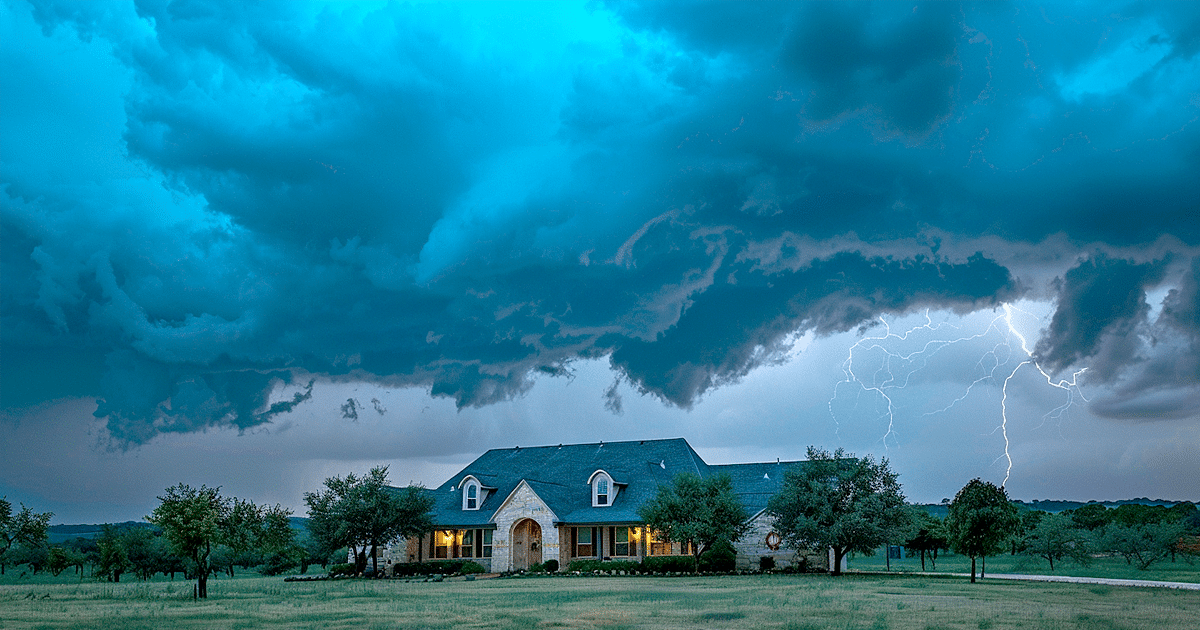
Central Texas storms don’t ease into the forecast—they show up fast, loud, and unforgiving. Storm Ready Roofing isn’t about overreacting to every cloud in the sky; it’s about making sure your roof is prepared before spring supercells, straight-line winds, or late-summer downpours test its weak spots. In places like Austin, Round Rock, Georgetown, and San Marcos, one overlooked shingle or clogged gutter can turn a single evening of severe weather into months of repairs and insurance headaches.
This guide breaks down what it actually means to have a storm-ready roof in Central Texas. Not buzzwords. Not fear tactics. Just practical steps you can take ahead of storm season so you’re not scrambling after the first hail report or wind warning hits your phone.
Key Takeaways
- Central Texas faces violent spring supercells (March–May) and late-summer storms (August–October), making early roof preparation essential before the first major system arrives.
- Wind, hail, and sudden downpours around Austin, Round Rock, Georgetown, and San Marcos can turn small roof issues into significant damage in a single evening.
- A storm ready roof means having a recent inspection completed, secured fasteners and shingles, clean gutters, trimmed nearby trees, and documented condition for insurance claims.
- The best time to prepare your roof is 2–4 weeks before the peak storm windows (late March/early April and again in August)—not after a storm warning appears on the radar.
- Professional Central Texas roofing help is essential when you see sagging areas, active interior leaks, or clear hail impact on shingles or metal panels.
Why Central Texas Roofs Need Storm-Ready Prep Now
Central Texas weather can shift from blue skies to 60+ mph gusts, large hail, and cloudbursts in a matter of hours. This pattern is especially common during the spring months of March through May and again from August through October. Homeowners who wait until they see a storm on the radar often find themselves scrambling for emergency repairs instead of riding out the weather with confidence.
The Austin–Round Rock–San Marcos corridor regularly experiences hailstorms and straight-line winds that tear at roofs already weakened by years of intense UV exposure and 100°F+ summer heat. The Texas storm season doesn’t give much warning, and roofs that “looked fine” from the street can suffer hidden storm damage that leads to costly repairs months later.
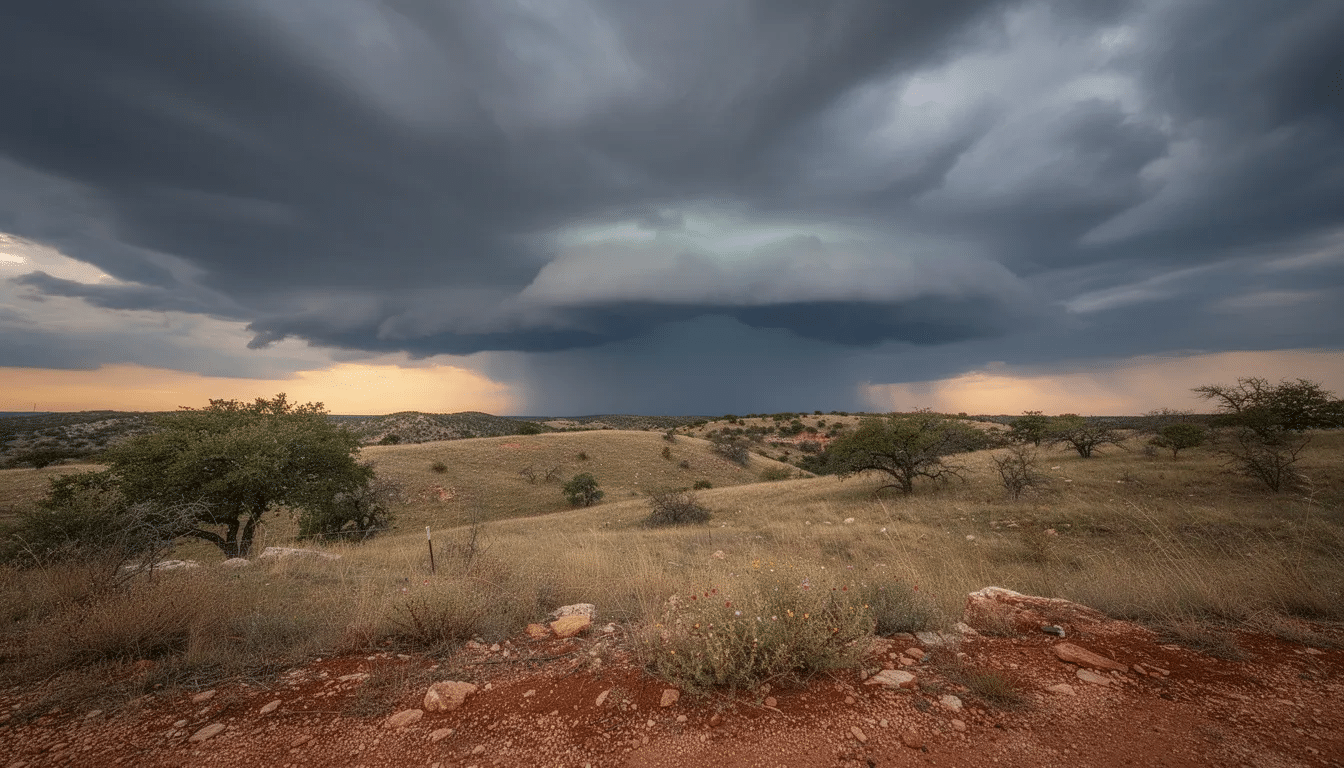
In 2023 and 2024, multiple hail events hit Williamson, Travis, and Hays counties, causing roof damage even on newer homes. Many homeowners discovered that minor issues they had ignored—loose flashing, lifted shingles, clogged gutters—became the entry points for water intrusion during these storms.
Preparing your roof before storm season hits is cheaper and safer than scrambling for emergency tarps and repairs after a cell has already caused water damage. The steps below provide a practical, Central-Texas-specific checklist that you can follow component-by-component to make sure your roof is ready for whatever severe weather the season brings.
Step 1: Do a Ground-Level Roof Check Before the Next Storm
Before you even think about climbing onto your roof, start with a careful walkaround inspection from the safety of your yard, driveway, and street. Steep or tall roofs are not safe for most homeowners, and you can spot many warning signs without ever leaving the ground.
Use binoculars or your phone’s camera zoom to check for:
- Missing or damaged shingles
- Curled, cracked, or bald spots on asphalt shingles
- Rusted metal roof panels or obvious dents from past hail
- Lifted edges that high winds can easily grab
- Sagging roof lines that indicate structural issues
Pay close attention to visible flashing around chimneys, skylights, and vents. Look for gaps, rust, or areas where sealant has dried, cracked, or peeled away. Loose flashing is a common weak spot that allows wind-driven water into your home during severe storms.
If you notice anything suspicious—dark ceiling spots, water stains in the garage, or active drips after even light rain—book a professional roof inspection before the next storm hits. Early detection prevents small issues from becoming major failures when heavy rain and strong winds arrive.
Step 2: Clean and Test Gutters and Downspouts
Central Texas downpours can dump inches of rain in under an hour during a severe storm. Clear gutters are your first line of defense against water backing up under shingles, spilling over fascia boards, and pooling around your home’s foundation.
How to Clean and Test Your Gutters
- Remove debris manually – Clear leaves, acorns, pecan shells, and granule buildup from the entire gutter run.
- Flush with a garden hose – Run water through each section to confirm it flows freely to the downspouts.
- Check downspout discharge – Verify that downspouts direct water at least 3–6 feet away from the foundation using extensions or splash blocks.
- Inspect hardware – Look for rusted seams, loose hangers, or gutters that have pulled away from the fascia.
Areas under live oaks, pecans, and cedar elms are prone to frequent clogging and debris buildup. If you find yourself cleaning gutters multiple times per season, gutter guards can reduce maintenance while still allowing proper water flow.
Proper gutter maintenance prevents water accumulation that can lead to flash flooding around your foundation and water damage to fascia, soffits, and the roof edge itself. Don’t let clogged gutters turn a manageable storm into a major insurance claim.
Step 3: Secure Shingles, Metal Panels, and Roof Penetrations
High winds and pressure changes during severe storms exploit any loose components on your roof. What starts as minor looseness can quickly become ripped-off sections, exposing your home to water intrusion and significant damage.
For safety reasons, consider having a professional roofer walk the roof instead of attempting this yourself on steep or tall structures. A detailed inspection should cover:
| Component | What to Check |
|---|---|
| Shingles | Loose shingles, popped nails, curling edges, missing shingles |
| Metal Panels | Exposed fastener heads, shifted panels, worn rubber washers |
| Flashing | Loose flashing around chimneys, vents, and skylights |
| Penetrations | Cracked rubber boots, missing sealant, loose mounts |
In Central Texas heat, sealant and rubber washers dry out and crack faster than in cooler climates. These components should be inspected and replaced where necessary around screws, vents, and all flashing points. Securing loose shingles before a storm prevents them from becoming entry points for wind and water.
All roof penetrations deserve attention: plumbing boots, furnace flues, satellite dish mounts, and skylight frames. Any gap or crack here can allow water intrusion during a heavy rain event.
For homeowners in areas hit repeatedly by hail—such as northwest Austin or parts of Williamson County—consider upgrading vulnerable components to impact-rated options when repairs are already needed. Materials designed to withstand hail and withstand high winds provide better roof protection over the long term.
Step 4: Trim Trees and Clear the “Impact Zone” Around Your Roof
Central Texas storms often bring sudden gust fronts that snap branches or topple shallow-rooted trees onto roofs. The destructive forces of overhanging branches during hurricane force winds or straight-line winds can cause catastrophic damage in seconds.
Tree Maintenance Checklist
- Identify problem branches – Look for limbs that hang over or touch the roof, especially heavy branches from live oak, pecan, or hackberry trees.
- Create a safety buffer – Trim branches so that in normal winds, nothing is directly above roof surfaces or rubbing against gutters and siding.
- Remove dead trees – Dead or dying trees near your home pose a serious risk during any storm and should be removed entirely.
- Clear debris from valleys – Reduce piles of leaves and twigs that trap moisture and promote moss or algae growth.
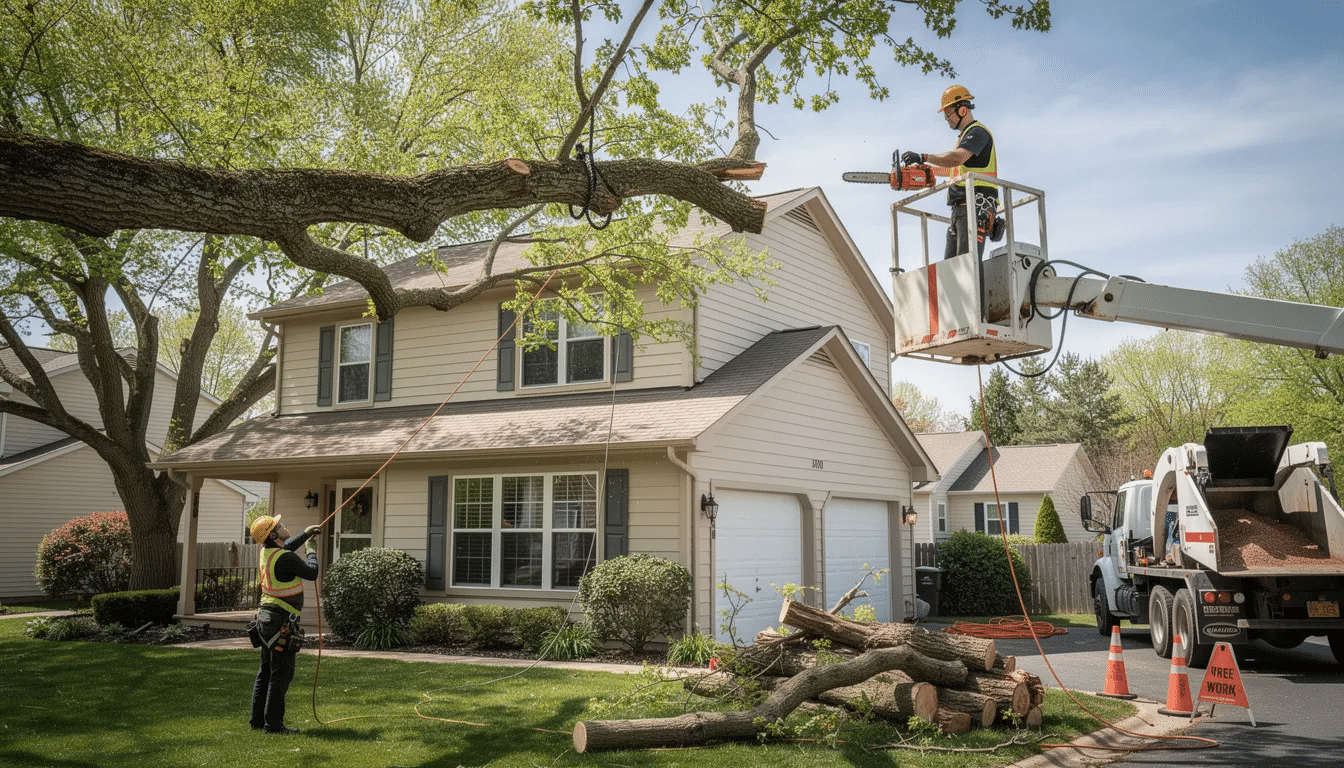
For large or high limbs near power lines or over two-story roof sections, call a certified arborist or tree service. The cost of professional tree trimming is far less than the cost of removing a fallen tree from your living room after a Texas storm.
Taking proactive measures to trim trees and remove dead trees around your property protects your roof and keeps your family safe during severe weather events.
Step 5: Check the Attic, Insulation, and Ventilation
Storm readiness is not only about the exterior. Attic conditions can either protect or weaken the roof structure under stress, and poor ventilation creates hidden problems that worsen storm damage.
Quick Attic Inspection Steps
On a dry day, grab a flashlight and check for:
- Wet or compressed insulation
- Dark stains on the underside of roof decking
- Mold or mildew growth
- Daylight visible through nail holes, gaps, or cracks
- Soft spots in decking that indicate water damage
In Central Texas, poor ventilation combined with summer heat can push attic temperatures well over 130°F. This extreme heat bakes shingles from below, shortening roof life and making materials more brittle when storms finally arrive.
Confirm that soffit vents, ridge vents, and other exhaust vents are open and not blocked by insulation, paint, or debris. Proper ventilation prevents moisture buildup that leads to warped decking and reduces the stress on roofing materials during temperature extremes.
Improving attic airflow and correcting insulation levels before storm season also helps reduce condensation, prevents structural damage, and can lower energy bills during late-summer heat waves. This often-overlooked step plays a critical role in overall roof health.
Step 6: Document Your Roof Before Storm Season Starts
Detailed, time-stamped records make post-storm insurance claims in Central Texas much smoother and more successful. When you can prove your roof was in good shape before a storm hits, you’re in a much stronger position to receive fair compensation for damage.
Documentation Checklist
| What to Photograph | Why It Matters |
|---|---|
| Each roof slope | Shows overall condition before damage |
| Vents, chimneys, skylights | Documents properly sealed penetrations |
| Wide shots from all four sides | Provides context for any future claims |
| Gutters and downspouts | Proves drainage system was clear |
| Nearby trees | Shows no hazardous branches were present |
Save your images with clear date stamps (for example, “2025-03-20-roof-south-slope.jpg”) and back them up to cloud storage or an external drive. Photos stored only on your phone can be lost if the device is damaged.
Keep a written log of inspections, repairs, and contractor visits within 6–12 months before storm season. This documentation helps distinguish new storm damage from older wear when filing insurance claims, and it demonstrates you took reasonable steps to maintain your property.
When to Call a Central Texas Roofing Professional
While homeowners can handle basic visual checks and gutter maintenance, certain warning signs demand expert help. Knowing when to call a leading roofing company saves you from turning small problems into major failures.
Clear Triggers to Schedule a Professional Inspection
- Repeated ceiling stains or water stains on interior walls
- Active dripping during rain events
- Visible hail bruises or impact marks on shingles or metal
- Missing sections of shingles or damaged shingles
- Metal panels that have visibly shifted or buckled
- Soft spots on the roof surface
- Any roof older than 12–15 years that hasn’t been inspected recently
After particularly severe local events—like a hailstorm producing 1.25–2 inch stones in Austin or 60+ mph winds reported in Round Rock—a professional roof inspection is wise even if no leaks are yet visible. A qualified professional roofer can identify hidden damage (cracked decking, compromised underlayment, loosened fasteners) that might not show up for months.
Many Central Texas roofing companies offer a free roof inspection or free inspection to assess storm damage, especially during the peak weeks following major weather events. Schedule inspections before the forecasted peak storm windows so you can avoid long wait lists and rushed emergency repairs after a major system passes through.
Don’t wait until your family’s safety is at risk. Stay prepared by getting ahead of the Texas storm season rather than reacting after the damage is done.
Get Your Roof Storm Ready Before the Next System Hits
Central Texas weather doesn’t wait for homeowners to get prepared. The combination of high winds, hail, heavy rain, and hurricane season threats means your roof faces destructive forces multiple times each year. Taking proactive measures now—before the next storm arrives—protects your investment, reduces the chance of costly repairs, and keeps your family safe.
Start with a ground-level check this weekend. Clean your gutters, trim those overhanging branches, and document your roof’s current condition. If you spot any vulnerable areas or haven’t had a professional inspection in the past year, schedule one now while contractors have availability.
Your roof is your first line of defense against everything Central Texas weather can throw at it. Make sure it’s ready.
FAQ: Storm-Ready Roofing in Central Texas
How far in advance should I prepare my roof before Central Texas storm season?
Start your roof preparation 2–4 weeks before the main spring storm pattern (late March through May) and again in late July or early August ahead of late-summer systems. This timing gives you enough margin to schedule any needed repairs, gutter maintenance, or tree trimming before contractors get swamped after the first big storm.
If severe weather is already in the 7–10 day forecast, focus on quick wins like cleaning gutters, doing a ground-level check, and documenting your roof’s condition. Leave major repairs to professionals after conditions are safe, and use a sturdy ladder only when absolutely necessary and weather permits.
What size hail is likely to damage my roof in Central Texas?
Even 1-inch hail can shorten shingle life by knocking off protective granules. Hail around 1.25–1.75 inches or larger often causes visible bruising, dents, or significant granule loss on asphalt shingles and noticeable dings on metal roof systems.
Your roof’s age, material quality, and previous wear all affect how much damage a hailstone of the same size can cause. Request a professional inspection after any storm where local reports mention hailstones around quarter-size or larger, even if damage is not obvious from the driveway.
Is it worth upgrading to impact-resistant shingles or metal roofing before storm season?
In hail-prone Central Texas neighborhoods, upgrading to impact-rated shingles or a properly installed metal roof can significantly improve resistance to hail and wind-driven debris. Some products are rated for wind speeds up to 130 mph or more when properly installed.
Some insurers offer premium discounts for qualifying impact-resistant roofing materials in Texas, which can offset part of the upgrade cost over time. Ask a local roofer to compare options—impact shingles, standing seam metal, or other durable systems—based on your roof pitch, budget, and city building requirements.
How often should I have my Central Texas roof professionally inspected?
Schedule a professional inspection at least once a year, ideally before the main spring storm season in late February or early March. Add an additional check after any major hail or wind event reported in your neighborhood, even if you don’t see obvious damage.
Roofs older than 12–15 years or those with a history of leaks benefit from more frequent inspections to catch small issues before they become storm failures. Consider combining your annual roof inspection with gutter service and attic checks to maintain a consistent maintenance rhythm and prevent water damage before it starts.
Can I inspect my roof myself, or is that too dangerous?
Limit yourself to ground-level visual checks using binoculars or a camera zoom, attic inspections from inside, and only low, walkable roofs where you are confident in your footing. Always wait for dry conditions and use proper safety precautions including non-slip footwear.
Steep slopes, two-story sections, wet surfaces, or roofs with significant moss or debris should always be left to insured professionals using safety harnesses. Prioritize your safety above all else—if in doubt, stay off the roof and schedule a professional inspection rather than risk a fall, especially just before or after storms when surfaces may be slippery or unstable.
Contents
- Why Central Texas Roofs Need Storm-Ready Prep Now
- Step 1: Do a Ground-Level Roof Check Before the Next Storm
- Step 2: Clean and Test Gutters and Downspouts
- Step 3: Secure Shingles, Metal Panels, and Roof Penetrations
- Step 4: Trim Trees and Clear the “Impact Zone” Around Your Roof
- Step 5: Check the Attic, Insulation, and Ventilation
- Step 6: Document Your Roof Before Storm Season Starts
- When to Call a Central Texas Roofing Professional
- Get Your Roof Storm Ready Before the Next System Hits
- FAQ: Storm-Ready Roofing in Central Texas

