
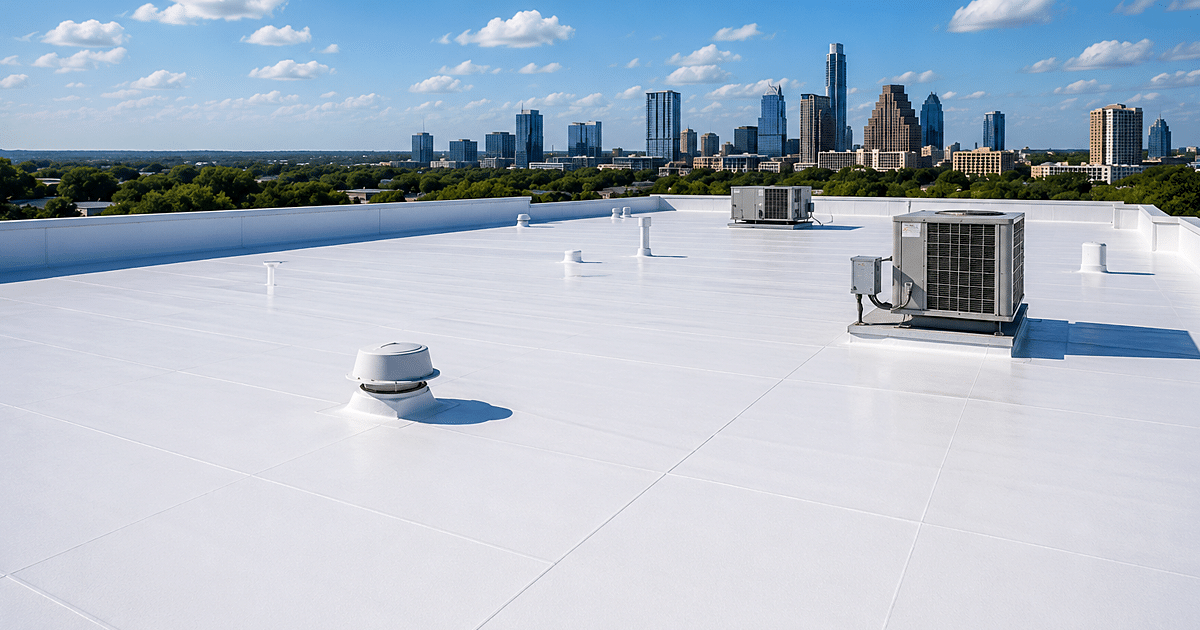
Flat roofs are everywhere across Austin and Central Texas, from office buildings and retail centers to apartment complexes, warehouses, and even modern homes. When it’s time to replace one, property owners often hear the same recommendation: TPO roofing. But knowing it’s popular and knowing whether it’s the right investment are two very different things.
The truth is, not every TPO roof is built the same. Membrane thickness, insulation choices, installation quality, drainage design, and ongoing maintenance all play a major role in how long the roof lasts and what it will ultimately cost over its lifetime. A lower-priced installation today can end up costing far more if shortcuts lead to premature repairs or an early replacement.
Whether you’re comparing bids for a new commercial roof, dealing with recurring leaks on an aging flat roof, or simply planning ahead for a future replacement, understanding how TPO systems perform in Central Texas can help you make a more informed decision. Our extreme summer heat, intense UV exposure, hailstorms, heavy rain, and occasional winter freezes all place unique demands on flat roofing systems, making local knowledge just as important as the materials themselves.
This guide breaks down what property owners should expect in 2026, including realistic TPO roofing costs in Austin, how long these systems typically last, when repairs make financial sense, and the warning signs that indicate it’s time to replace the roof instead of continuing to patch it. You’ll also learn what affects pricing, how TPO compares to other flat roofing systems, and what to look for when choosing a qualified roofing contractor for your project.
Key Takeaways
- Most tpo roofing installation projects on flat roofs in Austin, TX cost roughly $5.50–$9.00 per square foot installed in 2026, depending on tear off scope, insulation, membrane thickness, and roof access.
- Complex jobs that require a full tear-off and new insulation with a tapered insulation system can run $20+ per square foot.
- A properly maintained tpo membrane in Austin’s climate typically lasts 15–25 years, with 20+ years achievable through quality materials and regular maintenance.
- Annual or post-storm roof inspection visits catch small issues early, keeping tpo roof repair costs low and preventing structural damage.
- Full tpo roof replacement is usually the smart call when the system is 18–25 years old, shows widespread seam failure, or continues leaking despite repeated repairs.
TPO Roofs for Austin & Central Texas Flat Roofs
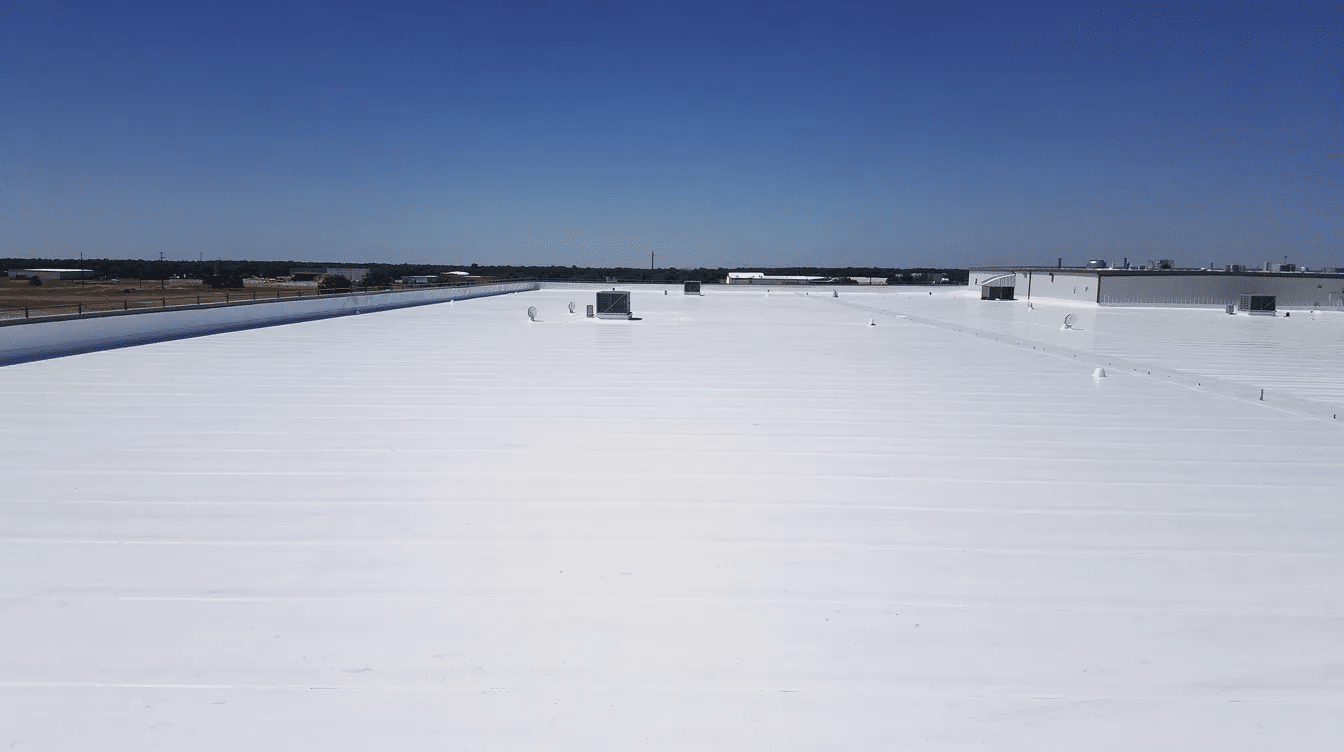
TPO roofing-short for thermoplastic polyolefin-is a single ply roofing membrane heat-welded in large sheets over flat roofs and low slope roofs. It has become the go-to roofing material for commercial buildings and flat residential roofs across Austin and central Texas because of its affordability and performance under scorching summers, intense UV, sudden hailstorms, and occasional freezing nights.
This guide covers real-world tpo roofing cost, expected lifespan, common repairs, and how to decide when it’s time for a full roof replacement instead of another patch. Everything here applies to commercial properties like warehouses, office buildings, and retail centers, as well as residential flat roof areas on modern homes, garages, and patio covers. All numbers reflect 2026 pricing in central Texas.
How Much Does TPO Roofing Cost in Austin, TX in 2026?
For typical flat roof projects in Austin, TX, expect to pay $5.50–$9.00 per square foot installed. TPO roofing costs between $5.50 and $8.00 per square foot for straightforward jobs, while complex roofs with difficult access or heavy penetration counts push toward $9.00–$12.00.
Complex jobs that require a full tear-off and new insulation with a tapered insulation system can run $20+ per square foot.
Here’s what’s typically included in that per square foot price:
- TPO membrane (60-mil or 80-mil thickness)
- Insulation (polyiso boards, often R-25 to R-30)
- Cover board (gypsum or wood fiber for puncture resistance)
- Fasteners or adhesive (mechanically attached vs. fully adhered)
- Labor (seam welding, flashing, edge metal, cleanup)
- Tear off and disposal of old roof if required
A full tear off of an existing roof-whether it’s old modified bitumen, built-up roofing, or aged EPDM-adds significant labor costs and dumpster fees. However, tear off is often required when the deck or insulation is wet or damaged. Overlay is only viable when the old roof is dry, single-layer, and structurally sound.
Austin-specific cost drivers include elevated labor costs compared to rural Texas, limited working hours during intense summer heat, roof size and height, and the number of penetrations like HVAC units, vents, and skylights.
Example scenarios:
| Project | Size | Scope | Estimated Range |
|---|---|---|---|
| Warehouse, simple layout | 5,000 sq ft | 60-mil, one-layer tear off | $5.50–$7.50/sq ft |
| Residential flat roof, central Austin | 1,200 sq ft | 60-mil, some penetrations | $8.00–$11.00/sq ft |
| Smaller roofs carry a higher per-square-foot price because mobilization and overhead are spread across fewer square feet. |
Any serious bid from austin roofing contractors should provide transparent pricing with line-item detail: membrane brand and mil thickness, insulation type and R-value, tear off scope, and warranty terms. Upfront pricing lets you compare estimates fairly.
Expected TPO Roof Lifespan in Austin’s Climate
TPO roofs can last between 15 and 20 years in Austin under standard conditions. With proper installation and consistent upkeep, tpo roofing systems can reach 20–30 years. The key factors affecting lifespan include installation quality and maintenance frequency.
What determines where your roof falls on that range:
- Membrane thickness: 45-mil membranes degrade faster; 60-mil is standard for most commercial work; 80-mil offers the best puncture resistance and UV protection.
- Proper installation: Heat welded seams must be done correctly. Proper installation is crucial for TPO roof performance-shoddy seam work or poorly detailed flashings can cut lifespan in half.
- Drainage: Ponding water can rapidly degrade tpo roofing. Tapered insulation or properly placed drains and scuppers prevent standing water.
- Environmental stressors: Environmental factors like UV exposure and heavy rain affect TPO roof lifespan. Austin’s intense sun, 100°F+ days, rapid temperature swings, and hail seasons all stress seams and membrane surfaces.
TPO roofs can last 15 to 20 years with proper maintenance, and 15 to 30 years with proper installation and premium materials. A reflective surface and proper installation enhance durability significantly.
Manufacturers commonly offer 15-, 20-, or 25-year warranties in central Texas, sometimes with no-dollar-limit (NDL) coverage on premium commercial work. Real-world service life generally aligns with warranty length when regular maintenance is performed.
Rule of thumb: If your roof is approaching 20 years and requiring frequent roof repair calls, start budgeting for a new roof rather than expecting many more trouble-free years.
Why TPO Works Well for Flat Roofs in Austin & Central Texas
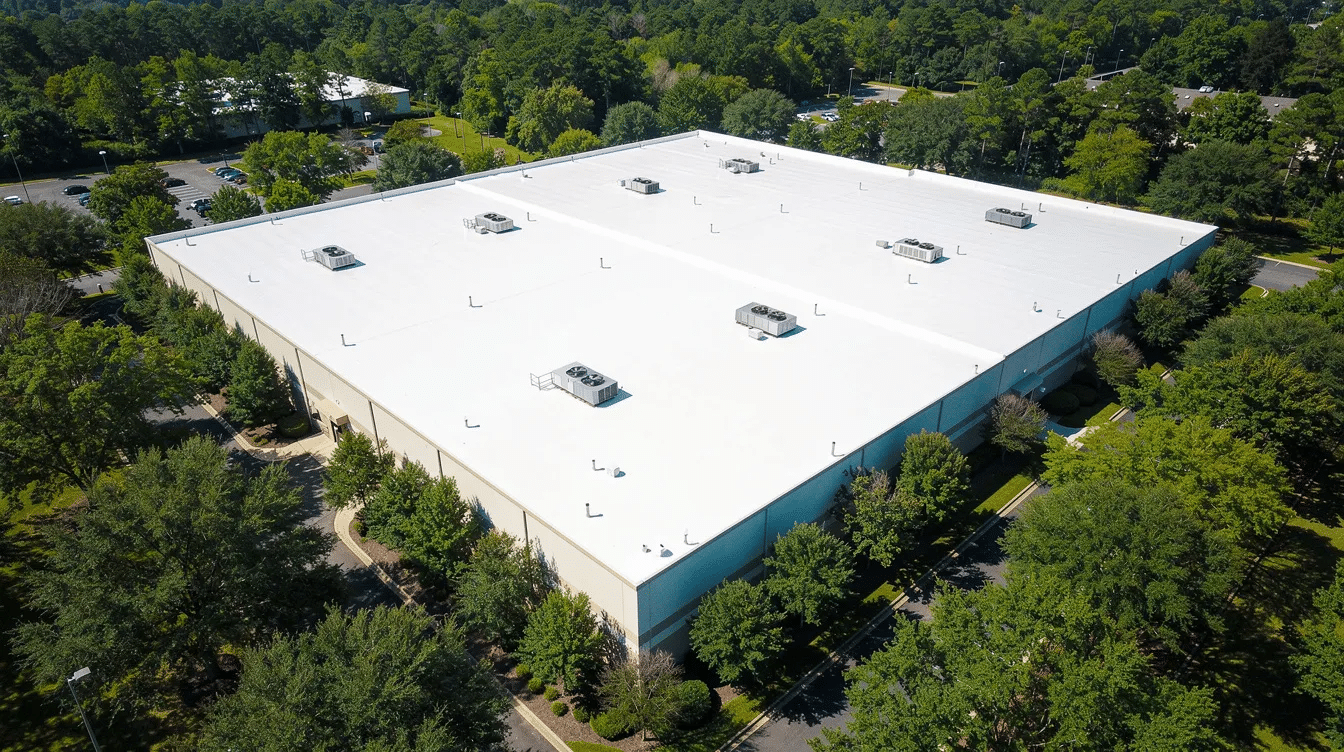
TPO roofing is the most popular commercial roofing type for good reason. It balances roofing costs, energy efficiency, and durability better than most other roofing materials in this market.
Energy efficiency: TPO roofing reflects heat, reducing cooling costs significantly. The white roof surface stays far cooler than dark asphalt shingle roofs or built-up systems during Austin’s long, hot summers. Austin homeowners and commercial property managers often see noticeable drops in energy bills after switching to an energy efficient tpo system. Austin’s building codes increasingly encourage high solar reflectance for flat roofs.
Durability: TPO roofing is engineered to resist punctures and tears. Heat welded seams create a watertight barrier stronger than the glued seams found in EPDM roofing systems. The membrane handles thermal expansion well across Austin’s temperature swings.
Compared to alternatives:
- PVC: Similar installation but higher cost; better chemical resistance for restaurants or industrial settings.
- EPDM: Lower cost, but dark color absorbs more heat; seams are taped rather than heat welded.
- Modified bitumen: Modified bitumen is heavier, multi-layer; less energy efficient unless coated.
- Metal roofs: Metal roofs carry a higher upfront cost and longer lifespan, but are less practical for flat roof applications. Asphalt shingles aren’t suitable for flat or low-slope roofs at all.
TPO integrates well with rooftop HVAC curbs, solar mounts, parapet walls, and internal drains-all common on central Texas flat roofs. For most property owners, tpo systems deliver the best cost effectiveness across the board.
Routine Roof Inspections, Maintenance, and Common TPO Repairs
Regular maintenance is essential for TPO roof longevity. Annual inspections and proactive repairs are what separate a 15-year roof from a 20+ year roof in Austin’s harsh climate.
Inspection frequency: Regular inspections of TPO roofs are recommended twice a year-ideally before summer and after fall storm season. Schedule additional inspections after major hail or wind events.
What a professional roof inspection should cover:
- Seam integrity (lifting, cracking, separation)
- Flashings at penetrations, vents, curbs, and parapets
- Membrane condition (brittleness, discoloration, punctures from foot traffic)
- Drainage (clogged drains, scuppers, areas of ponding water)
- Sealant condition around rooftop units and edges
Common tpo roof repair needs in Austin:
- Seam splits from thermal expansion and contraction
- Punctures from dropped tools, debris, or foot traffic
- Storm damage from hail or wind-blown debris
- UV-cracked sealants at rooftop equipment
- Flashing failures at curbs and parapet transitions
Repairs typically involve cleaning the membrane, heat welding new TPO patches, re-welding failed seams, or adding walk pads in high-traffic zones. TPO roofs require prompt repairs to leaks and punctures-small issues left unaddressed become expensive problems. Timely repairs maximize the lifespan of tpo roofing.
Repairs remain cost effective when damage is isolated, the roof is under about 15 years old, and no widespread moisture is detected under the membrane.
When to Repair vs. Replace Your TPO Roof in Central Texas
Deciding between targeted roof repair and full tpo roof replacement is the biggest question for owners of aging flat roofs.
Lean toward repair when:
- The roof is under 15–18 years old
- Damage is confined to one area
- Insulation and decking are dry
- No recurring leaks in multiple zones
Plan for replacement when:
- Widespread seam failures appear across multiple areas
- Blisters or wrinkles cover large sections of the roof surface
- Core cuts or infrared scans reveal saturated insulation
- Roof replacement costs less per year than escalating annual repairs
- The roof is 18–25 years old, especially after several major hail seasons
Applying a reflective coating can extend the lifespan of a TPO roof by 5 to 10 years in some cases, but this only works when the existing roof is structurally sound.
When moisture has migrated into insulation or decking, a full tear off back to the deck is normally required to protect the structure and to qualify for a new system warranty. Get at least one detailed, photo-documented inspection from a reputable roofing contractor before committing to either path.
How TPO Roofing Projects Typically Work in Austin, TX
Here’s the typical sequence of a tpo roofing project on a flat roof in Austin, TX:
- Consultation: On-site roof inspection, measurements, drainage evaluation, and discussion of current leaks or storm damage on the existing roof.
- Proposal: A clear estimate covering tear off vs. overlay, insulation type and R-value, tpo membrane thickness and color, flashing details, timeline, and warranty terms.
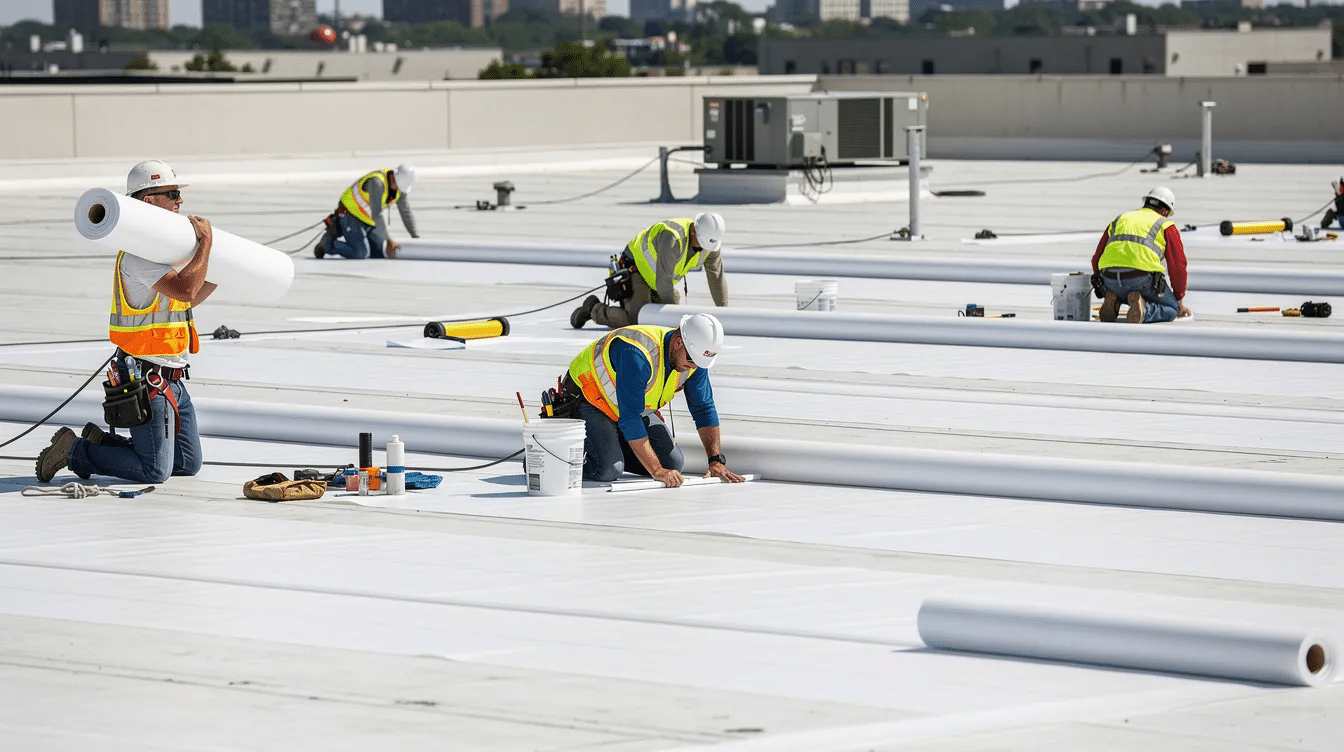
- Installation: Tear off the old roof if needed, inspect and repair decking, install tpo roofing-TPO roofing can be installed in large, seamless sheets-then heat weld all seams, flash penetrations, and install edge metal. Crews install tpo roofing using either mechanical fasteners or adhesive depending on the building and wind requirements.
- Quality checks: Post-installation walkthrough, seam and flashing testing, final roof inspection, debris cleanup, and delivery of warranty paperwork.
Typical durations:
| Roofing project type | Duration |
|---|---|
| Small residential flat roof (1,200 sq ft) | 1–2 days |
| Mid-size commercial (5,000–10,000 sq ft) | 3–7 days |
| Large commercial (20,000+ sq ft) | 1–2 weeks |
| Ask for free estimates from multiple contractors, and verify that each bid specifies the same scope so you can compare fairly. |
FAQ: TPO Roofing in Austin & Central Texas
Does TPO roofing handle hail and storm damage well in Austin?
Modern tpo roofing is fairly resilient against typical central Texas hail, especially when installed over dense cover boards. However, no roofing system is completely hail-proof. Hail size, wind speed, membrane age, and substrate density all influence whether damage is cosmetic or functional. Schedule a professional roof inspection after any significant hailstorm to document conditions for repairs or insurance claims. TPO stands up well, but older or thinner membranes are more vulnerable.
Can a new TPO roof be installed over my existing flat roof?
Building codes and manufacturer guidelines sometimes allow tpo installation over one existing layer if the current system is dry, firmly attached, and structurally sound. If moisture scanning or core cuts reveal wet insulation or decayed decking, a full tear off is required. Overlay decisions should be based on moisture testing and code compliance-not just on saving on initial roofing installation cost.
How does TPO compare to metal roofing in Austin’s climate?
TPO is designed for flat roofs and low slope roofs, while metal roofs work best on steeper slopes. Both can be energy efficient in Austin’s intense summer heat and reflect uv rays effectively. Metal systems carry higher roof replacement costs but last 40–70 years. TPO offers lower upfront roofing costs and reliable protection on flat decks. Choose based on roof slope, budget, and long-term plans.
How often should I budget for TPO roof maintenance in Central Texas?
Plan for at least one professional inspection and maintenance visit per year for commercial flat roofs. Residential flat sections can go every 1–2 years unless exposed to heavy foot traffic or storm damage. Annual maintenance costs far less than major leak repairs and helps improve energy efficiency by keeping the reflective surface clean. The membrane reflects uv rays more effectively when free of debris and biological growth, keeping energy costs lower and extending service life.
Will a TPO roof help lower my energy bills in Austin?
Yes. The white reflective surface reduces heat absorption dramatically compared to dark roofing systems during central Texas summers. Many building owners see noticeable reductions in cooling costs, especially on large, poorly shaded roofs. Actual savings depend on insulation levels, building usage, and HVAC efficiency, but TPO is consistently the energy efficient choice for flat roofs in hot climates. TPO roofing, combined with proper insulation made from ethylene propylene rubber blends, delivers measurable savings that offset roofing costs over the system’s life.

