

When homeowners start digging into roof replacement costs, the numbers can feel all over the map. You might expect one figure going into the process, then suddenly the estimates jump thousands—sometimes tens of thousands—higher than you thought. It catches people off guard, and honestly, it makes sense why: a new roof isn’t one simple expense. It’s a stack of moving parts, hidden conditions, and design choices that all pile onto that final price tag.
A lot of the frustration comes from not knowing what actually drives those numbers up. The material you pick is only part of it. Your roof’s pitch, the layout, the tear-off, the condition of the decking underneath, local labor rates, and even things like disposal fees play a real role. And once the old shingles come off, any surprises underneath—rotted decking, bad flashing, sagging rafters—can shift the project cost in a hurry.
This guide breaks down the biggest factors that influence what you’ll pay for a new roof in 2026, using clear examples and the same practical reasoning roofing crews use on-site. By the time you’re done reading, you’ll know exactly why those bids vary so much, which items matter most, and how to spot estimates that don’t quite add up.
Key Takeaways
- Roof replacement costs on typical 1,800-2,400 sq ft homes often range from $9,000 to $28,000 in 2026, with roofing materials, labor rates, and roof complexity being the primary cost drivers
- The biggest expense factors include material choice (asphalt vs metal vs premium options), roof size and pitch, local labor costs, and unexpected structural repairs discovered during tear-off
- Design complexity such as valleys, dormers, skylights, and chimneys can easily add thousands to a roof replacement project due to increased labor time and material waste
- Unavoidable “soft costs” like permits, disposal fees, and contractor overhead must be factored into honest pricing from professional roofing contractors
- Understanding these cost components helps homeowners compare roofing estimates accurately and identify suspiciously low bids that may indicate corner-cutting
What Really Makes a New Roof So Expensive?
Picture this: you’ve been putting off that roof replacement for years, and now your 23-year-old asphalt shingle roof is finally showing its age. You call a few roofing companies for estimates, expecting maybe a $12,000 bill, but the quotes come back ranging from $18,000 to $28,000. Welcome to the reality of 2026 roof replacement costs.
The truth is that roof replacement represents one of the most labor-intensive, material-heavy home improvement projects you’ll ever undertake. Every aspect—from safely removing thousands of pounds of old materials to installing a completely new roof system that meets current building codes—requires skilled labor, specialized equipment, and quality materials that all come at a premium.
Those online roof replacement cost calculators that suggest your project might cost $8,000? They’re often misleading because they ignore critical factors like roof pitch, tear-off complexity, local code requirements, and the structural repairs that commonly surface once the old roof comes off. A professional roofing contractor must account for dozens of variables that affect both material costs and labor expenses.
The sections below break down each major cost driver in practical terms, using real examples from typical suburban homes. Understanding these factors and becoming familiar with key roofing terms will help you evaluate roofing estimates with confidence and recognize why quality roof installation commands the prices it does in today’s market.
Roof Size, Pitch, and Design Complexity
Your roof’s square footage, slope, and architectural complexity form the mathematical foundation of any roof replacement project. These physical characteristics directly determine how much material you’ll need and how many labor hours the installation will require.
Roofing contractors measure roof area in “squares,” where one square equals 100 square feet of coverage. A typical 2,200 square foot ranch home might have approximately 22 squares of roof area, but you’ll actually need to purchase 24-26 squares of materials once you account for the 10-20% waste factor from cutting and fitting around edges, hips, and valleys.
Roof pitch—the steepness expressed as rise over run—dramatically affects labor costs because steeper roofs require additional safety equipment, slower work pace, and often extra crew members. A gentle 4/12 pitch roof might cost $4-5 per square foot for labor, while a steep 10/12 pitch could push labor rates to $6-8 per square foot due to the need for roof jacks, safety harnesses, and scaffolding systems that slow down the roof replacement process.
Complex roof designs with multiple dormers, valleys, skylights, and intersecting rooflines can increase both material waste and installation time significantly. Each valley requires custom-cut flashing and careful waterproofing, while dormers create additional edges that must be properly sealed. What might be a straightforward two-day installation on a simple gable roof could stretch to four or five days on a complex roofline, directly impacting your total cost.
Multi-story homes add another layer of expense because crews must set up additional safety equipment, make more ladder moves throughout the day, and handle materials more carefully when working at greater heights. The roof replacement on a two-story colonial will typically cost 15-25% more than an identical single-story ranch due to these accessibility challenges.
Roofing Materials and Full Roof System Components
Roofing materials often represent 40-60% of your total roof replacement costs, but it’s important to understand that “materials” includes much more than just the shingles you see from the street. A complete roof system incorporates multiple layers and components that work together to protect your home.
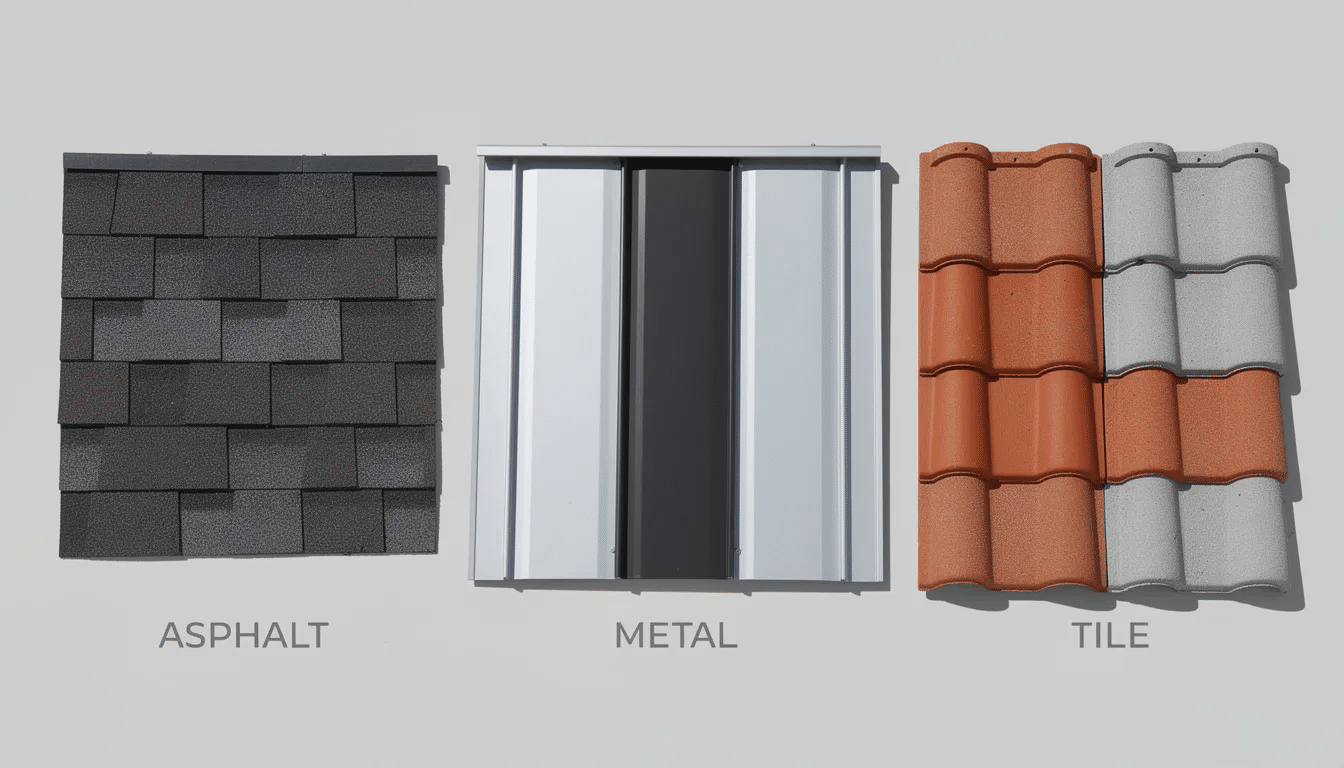
Standard 3-tab asphalt shingles represent the most budget-friendly option at roughly $4.83 to $6.29 per square foot installed, making them suitable for many homeowners seeking basic weather protection. Architectural or dimensional asphalt shingles offer improved durability and curb appeal at $6-8 per square foot, while premium options like standing seam metal roofs can range from $8-15 per square foot installed. At the high end, slate tiles or synthetic slate alternatives might cost $15-25 per square foot but can last 50-100 years compared to 20-30 years for asphalt shingles.
Higher-end roofing materials often justify their cost through extended lifespans and enhanced performance, but they typically require specialized installation crews trained in proper techniques for each material type. Metal roofs need crews experienced with thermal expansion joints and proper fastening patterns, while tile installations demand knowledge of proper underlayment systems and weight distribution considerations.
The underlayment layer beneath your shingles plays a crucial role in waterproofing, with basic felt paper costing around $0.25 per square foot versus synthetic underlayments at $0.50-1.00 per square foot. In cold climates, building codes may require ice and water shield protection along eaves and valleys, adding $0.75-1.25 per square foot in those areas but providing essential protection against ice dam damage.
Other essential roof system components include drip edge ($2-4 per linear foot), starter strips, ridge cap shingles, flashing around chimneys and vents, pipe boots, and various sealants and fasteners. Many roofing manufacturers now offer “system warranties” that require using their complete product line—from underlayment to shingles to ridge caps—which can increase material costs but provides comprehensive coverage for the entire roof replacement project.
Proper ventilation components like ridge vents and soffit vents are often required by building codes and manufacturer warranties, adding $3-8 per linear foot for ridge vents and $2-4 per square foot for intake venting, but these components are essential for preventing moisture buildup and extending your roof’s life.
Labor Rates, Crew Skill, and Project Duration
Labor costs frequently equal or exceed material expenses in roof replacement projects, particularly in metropolitan areas where skilled labor commands premium wages. Typical 2026 labor rates range from $2-7 per square foot, with steep or complex roofs falling at the higher end of this range due to increased safety requirements and slower installation pace.
Experienced roofing crews with proper licensing, insurance, and manufacturer certifications typically charge more per day than less established contractors, but they usually complete projects faster and with fewer installation errors that could void manufacturer warranties. A skilled crew might finish a straightforward 20-square asphalt roof replacement in two days, while a less experienced team could take three or four days, ultimately costing you more in total labor expenses.
Safety requirements mandated by OSHA and local building codes add significant setup and breakdown time to each workday. Crews working on steep roofs must install roof jacks, safety lines, and perimeter protection systems that can take 30-60 minutes to set up each morning and similar time to secure each evening. These safety measures are non-negotiable for legitimate roofing companies but represent overhead that’s built into their labor rates.
Weather conditions can dramatically affect project duration and labor costs. Working in extreme heat requires more frequent breaks and careful timing to avoid unsafe working conditions, while cold weather can make materials brittle and slow installation progress. Smart contractors build weather contingencies into their scheduling, but extended delays due to rain or snow can push labor hours beyond original estimates.
The roof replacement process typically takes 1-3 days for a simple single-story asphalt installation, 3-5 days for complex or multi-story homes, and up to a week or more for premium materials like slate or tile that require specialized handling. Each additional day on-site represents more labor expenses, equipment rental costs, and potential weather exposure for your home.
What lies beneath your existing roof remains largely unknown until the tear-off process begins, making this one of the most unpredictable cost factors in any roof replacement project. Many homeowners are surprised by the extent of hidden damage that becomes apparent only after old materials are removed.
Tear-off costs typically range from $1-5 per square foot depending on the type and number of existing layers. Single-layer asphalt shingles are relatively straightforward to remove, while multiple layers, heavy tile, or cedar shakes require more labor time and disposal capacity. Most building codes limit homes to two layers of roofing materials, so if your home already has an overlay, a complete tear-off becomes mandatory for your new roof.
Roof decking consists of plywood or oriented strand board (OSB) sheets that provide the structural foundation for your new roof. These wooden boards can suffer damage from years of minor leaks, ice dams, or simply normal aging in humid climates. Replacing damaged decking typically costs $60-100 per 4×8 sheet installed, and a roof replacement project might uncover anywhere from zero to dozens of sheets that need replacement.
More serious structural issues occasionally surface during tear-off, including sagging rafters, damaged trusses, or rotted fascia boards that must be addressed before installing your new roof. Fascia replacement runs $10-20 per linear foot, while truss repairs or rafter reinforcement can add $500-5,000 depending on the extent of damage and whether structural engineering consultation is required.
Reputable roofing contractors should explain in their contracts how they handle unexpected wood replacement costs—whether through a pre-negotiated per-sheet price, time-and-materials billing, or a contingency allowance built into the original estimate. This transparency helps prevent disputes when hidden damage inevitably appears during the roof replacement process.
Smart homeowners should budget an additional 10-15% beyond the base contract price for potential structural repairs, particularly on homes over 20 years old or in regions with severe weather patterns that stress roofing systems over time.
Accessibility, Height, and Site Protection
How easily crews and materials can reach your roof significantly impacts both project duration and safety considerations, especially on properties with challenging access or extensive landscaping that requires protection during the roof replacement process.
Access challenges come in many forms: narrow driveways that prevent large delivery trucks from reaching your home, backyard-only roof access that requires hand-carrying materials long distances, overhead power lines that limit crane positioning, or neighboring structures that restrict equipment placement. Each of these situations adds labor time and may require specialized equipment that increases your overall cost.
Multi-story homes and particularly tall roofs often necessitate additional equipment such as material lifts, extended ladders, or boom trucks for safely moving heavy materials to roof level. Renting a boom truck might add $800-1,500 to your project cost, but it’s often the only safe way to handle materials on very steep or high roofs that exceed normal ladder capacity.
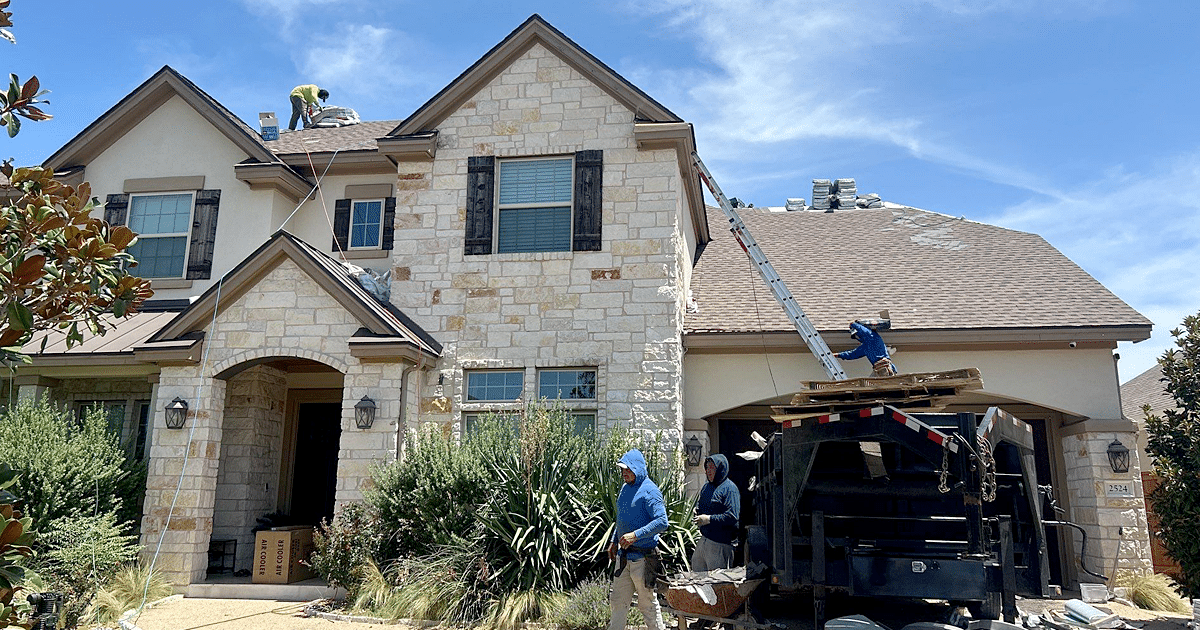
Property protection measures represent another often-overlooked cost factor that separates professional roofing contractors from fly-by-night operators. Comprehensive protection includes heavy tarps over valuable landscaping, plywood shields for windows and doors, magnetic sweeps for nail cleanup, and protective covering for air conditioning units, decks, and vehicles. These materials and the labor to install them properly can add $500-1,500 to your project but prevent thousands in potential damage claims.
A two-story home with mature landscaping, a circular driveway, and limited staging area will inherently cost more to roof than an identical house on a wide-open lot with easy access. The additional labor hours required for careful material handling, extended setup times, and thorough property protection are legitimate business expenses that honest contractors must include in their pricing.
Some low-bid contractors reduce their estimates by skipping thorough property protection or cutting corners on access equipment, but these savings often prove costly when landscape damage, broken windows, or safety incidents occur during your roof replacement project.
Permits, Codes, and Inspection Requirements
Local building departments typically require permits and inspections for roof replacement projects, particularly following significant updates to building codes over the past decade that have strengthened requirements for wind resistance, energy efficiency, and structural integrity.
Permit fees for roof replacement generally range from $75-500 depending on your municipality and roof size, with larger or more complex projects commanding higher fees. These costs are non-negotiable and must be factored into every legitimate roof replacement project, as working without proper permits can create serious liability issues and potentially invalidate your homeowner’s insurance coverage.
Certain regions with extreme weather patterns have adopted stricter building codes that directly impact material costs and installation requirements. Coastal areas prone to hurricanes often mandate enhanced underlayment systems, impact-rated materials, and specific nailing patterns that exceed standard manufacturer recommendations. Similarly, wildfire-prone areas may require Class A fire-rated materials, while northern climates typically mandate ice and water shield protection along eaves and valleys.
Code-required upgrades might include additional ventilation to meet modern air circulation standards, improved insulation around attic access points, or enhanced flashing systems around penetrations. These improvements benefit your home’s long-term performance but represent mandatory costs that weren’t part of the original roof system installed 20-25 years ago.
Mandatory inspections—typically including deck inspection before installation begins and final inspection upon completion—can add scheduling complexity and potential delays to your roof replacement project. Contractors must coordinate with building inspectors, potentially requiring return visits if initial inspections reveal issues that need correction before work can proceed.
Understanding that code compliance isn’t optional helps explain why professional roofing contractors can’t simply match the ultra-low bids that ignore permit requirements or cut corners on mandatory upgrades needed to pass modern building inspections.
Disposal, Dump Fees, and Cleanup
Removing and legally disposing of several thousand pounds of old roofing materials represents a substantial logistical challenge that carries real costs, not merely a “free” service that contractors absorb as overhead.
Dumpster rental and dump fees typically range from $250-800 per container load, depending on your location and the weight of materials being disposed of. A typical single-story home might generate 8-12 tons of old shingles, nails, and debris, while larger or multi-layer tear-offs can easily double that volume. Heavier materials like concrete tile or slate command premium disposal rates due to their impact on landfill capacity and transportation costs.
The labor involved in debris removal extends beyond simply throwing materials over the roof edge. Professional contractors organize systematic tear-off procedures that protect your property, load debris efficiently, and maintain jobsite safety throughout the process. This includes running magnetic sweeps multiple times to collect loose nails, power-washing gutters if needed, and ensuring that no debris remains in landscaping or around your home’s foundation.
Some municipalities have implemented environmental fees or recycling requirements that add costs to disposal, particularly for asphalt shingles that historically went to standard landfills. These fees might be itemized separately or built into your contractor’s disposal pricing, but they represent real costs that impact your total roof replacement budget.
Thorough cleanup is where many contractors differ significantly in their service level. Professional companies typically include multiple magnetic sweeps, complete debris removal, gutter cleaning, and jobsite restoration in their standard pricing. In contrast, bargain contractors might consider cleanup “extra” or perform minimal cleanup that leaves you dealing with scattered nails and debris for months after project completion.
Confirming cleanup details in writing protects both you and your contractor by establishing clear expectations for what “complete cleanup” includes and ensures that disposal costs are properly accounted for in your roof replacement project budget.
Contractor Overhead, Insurance, and Warranties
Legitimate roofing companies operate businesses with substantial overhead expenses that must be built into every project estimate, even though these costs rarely appear as separate line items on your proposal.
Professional contractors maintain comprehensive general liability insurance ($1-2 million coverage is standard), workers’ compensation insurance for their crews, and often additional umbrella policies that protect both their business and your property during the roof replacement process. These insurance premiums can easily cost $15,000-30,000 annually for a mid-sized roofing company, representing overhead that’s distributed across all projects.
Additional business expenses include vehicle payments and fuel for work trucks, equipment purchases and maintenance, licensing fees and continuing education requirements, office staff salaries, and the marketing costs necessary to maintain a steady workflow. Quality roofing companies also invest in ongoing crew training, safety equipment updates, and manufacturer certifications that enhance their installation quality but require financial investment.
Low-bid contractors often achieve their pricing by cutting corners on insurance coverage, paying crews as independent contractors to avoid workers’ compensation requirements, or operating with minimal business infrastructure. While this might save you money upfront, it creates substantial liability risks if injuries occur on your property or if work quality issues arise months or years later.
Better roofing companies typically offer stronger workmanship warranties—often 5-10 years compared to 1-2 years from budget contractors—and can provide manufacturer extended warranties that aren’t available through less established installers. These warranty programs require ongoing administrative costs and financial reserves to honor future claims, but they provide valuable protection for your significant investment.
The peace of mind that comes from working with fully insured, properly licensed contractors with established track records typically justifies the premium pricing compared to fly-by-night operators whose low bids often prove costly in the long term.
Regional Price Differences and Market Conditions
Roof replacement costs in 2026 vary significantly based on geographic location, local labor markets, and current supply chain conditions that affect both material availability and pricing in your specific area.
Metropolitan areas with higher costs of living—such as coastal California, the greater New York region, or major Pacific Northwest cities—consistently show higher labor rates and permit fees that drive overall roof replacement costs upward. A project that might cost $15,000 in rural Kansas could easily reach $25,000-30,000 in San Francisco or Seattle due to these regional economic factors.
Recent severe weather events can temporarily spike roofing costs in affected regions as demand surges and available crews become stretched thin across numerous projects. Hurricane seasons along the Gulf Coast, major hailstorms in Texas and Colorado, or wildfire recovery efforts in California can drive prices up 20-30% for months following these events as contractors work through extensive backlogs.
Transportation costs for heavy roofing materials become significant factors in remote or rural areas located far from major distribution centers. Hauling tile, slate, or metal roofing materials hundreds of miles to reach project sites adds fuel and trucking expenses that must be reflected in local pricing, even though the same materials might cost significantly less in urban markets with nearby supply chains.
Material price fluctuations tied to global supply chains, fuel costs, and manufacturing capacity can cause roofing estimates to change significantly over just a few months. Professional roofing contractors typically honor written estimates for 30-60 days, but longer delays between estimate and installation can result in price adjustments that reflect current market conditions.
Smart homeowners should obtain multiple local quotes to understand their regional market and ask contractors specifically how they handle material price changes between estimate and installation to avoid surprise increases on longer-term project scheduling.
Optional Upgrades That Increase the Final Price
While many roof replacement costs are driven by necessity and building codes, homeowners can choose various upgrades that enhance performance, energy efficiency, or aesthetic appeal but add to the overall project investment.
Ventilation system improvements often provide excellent long-term value by extending roof lifespan and reducing energy costs. Adding ridge vents costs $3-8 per linear foot installed, while soffit vent improvements might run $2-4 per square foot. Powered exhaust fans can cost $300-800 each but may be worthwhile in hot climates or homes with insufficient natural airflow through the attic space.
Energy-efficient roofing options like “cool roof” materials with high solar reflectance properties typically cost 10-20% more than standard options but can reduce cooling costs in hot climates. Metal roofs with reflective coatings excel in this area, while certain asphalt shingles now carry Energy Star ratings that may qualify for utility rebates or tax credits that offset the additional investment.
Aesthetic upgrades such as premium architectural shingles, designer color options, or decorative metal accents over bay windows can enhance curb appeal and potentially increase home value. These cosmetic improvements might add $1,000-5,000 to your project cost but could prove worthwhile if you plan to sell your home within a few years or simply want the enhanced appearance.
Accessory installations are often bundled with roof replacement projects for efficiency and cost savings. Skylight replacement typically costs $800-2,500 per unit installed, while adding new skylights or sun tunnels might run $1,200-3,500 each. Chimney reflashing or complete chimney rebuilds often coincide with roof replacement, with costs ranging from $500-3,000 depending on the scope of work required.
Gutter replacement frequently accompanies roof projects since scaffolding and safety equipment are already in place. New gutters and downspouts might add $8-15 per linear foot to your project but eliminate the need for separate contractor visits and setup costs that would apply to standalone gutter work.
How Much Should You Expect to Pay for a New Roof in 2026?
Bringing together all the cost factors discussed above, realistic roof replacement pricing for full tear-off and installation projects falls into several ranges based on home size and material choices.
A modest single-story home with 1,200-1,600 square feet of roof area and basic architectural asphalt shingles typically costs $12,000-20,000 for complete replacement, including tear-off, standard underlayment, proper ventilation, and professional installation by licensed contractors. This assumes average roof complexity without extensive structural repairs or accessibility challenges.
A more typical 2,000-2,400 square foot home with standard architectural asphalt shingles generally ranges from $16,000-28,000, depending on regional labor rates and roof complexity. Upgrading the same home to standing seam metal roofing would likely push costs to $25,000-40,000, while premium options like synthetic slate or tile could reach $35,000-55,000 for comprehensive installation.
These figures represent starting points that can move significantly based on local market conditions, specific building code requirements, and the extent of any structural repairs discovered during tear-off. Homes with complex rooflines, accessibility challenges, or code upgrade requirements can easily exceed these ranges, while simple ranch homes in competitive markets might fall below them.
Insist on detailed, line-item estimates that separate materials, labor, permits, disposal, and allowances for wood replacement rather than accepting vague lump-sum proposals. Quality estimates should specify material brands and grades, warranty terms, cleanup procedures, and how potential structural repairs will be handled and billed.
Treat roof replacement as a long-term investment in your home’s protection and value rather than simply a one-time expense. A quality installation using premium materials might cost significantly more upfront but can provide decades of trouble-free service and potentially reduce long-term maintenance costs compared to budget alternatives that require replacement sooner.
FAQs About Roof Replacement Costs
Is it cheaper to roof over existing shingles or do a full tear-off?
Installing new shingles over existing ones can save $1,000-3,000 in tear-off and disposal costs, but this approach often shortens the new roof’s lifespan and may be prohibited by local building codes or manufacturer warranty requirements. Most roofing experts recommend full tear-off to inspect and repair deck damage, ensure proper installation, and maximize the performance of your new roof system.
How often do roofing material prices change?
Material prices can fluctuate several times per year based on petroleum costs, manufacturing capacity, and regional demand spikes from severe weather events. Most contractors honor written estimates for 30-60 days, but longer delays between estimate and installation may require price adjustments to reflect current market conditions, particularly for metal or specialty materials with volatile pricing.
Can I save money by purchasing my own roofing materials?
Most professional contractors prefer to supply all materials to ensure quality control, proper coordination, and warranty compliance. Homeowner-purchased materials may void both manufacturer warranties and contractor workmanship guarantees, potentially creating expensive problems if defects or installation issues arise later. The modest savings rarely justify the increased risk and complexity.
Does homeowner’s insurance always cover roof replacement after storm damage?
Insurance coverage depends on your specific policy terms, the age of your existing roof, the documented cause of damage, and your insurer’s depreciation policies. Many policies depreciate roof value after 15-20 years, potentially leaving you responsible for a substantial portion of replacement costs. Document any storm damage immediately and work with your insurance agent to understand your coverage before proceeding with repairs.
How can I avoid surprise charges during my roof replacement?
Request detailed contracts that specify pricing for potential wood replacement (per sheet or linear foot), change order procedures for additional work, and itemized breakdowns of all costs including permits and disposal. Reputable contractors should explain their policies for handling unexpected structural repairs discovered during tear-off and provide written procedures for documenting and approving any additional work before proceeding.
Does roof color affect the total cost of replacement?
Roof color itself usually does not change material pricing much, but it can affect availability. Some premium or specialty colors cost more, especially in metal roofing or designer shingle lines. Lighter colors may also qualify for energy efficiency incentives in certain regions.
Why do two homes with the same square footage get very different roofing quotes?
Square footage only tells part of the story. Roof pitch, number of valleys, penetrations, access difficulty, height, decking condition, and local code requirements can all dramatically change labor time and material usage, even if the homes look similar from the street.
How much extra should I budget for unexpected repairs during tear-off?
Most professionals recommend setting aside 10–15% of the contract price for potential decking or structural repairs. Older homes, roofs with past leaks, or multiple shingle layers are more likely to uncover hidden issues once tear-off begins.
Do roofing estimates usually include ventilation upgrades, or are those extra?
Some estimates include basic ventilation, while others price it as an upgrade. Code-required ventilation is often mandatory and should be included, but improvements like ridge vents or added intake vents may appear as optional line items depending on the contractor.
Why do steep roofs cost so much more to replace?
Steeper roofs slow production, require additional safety equipment, and increase physical risk for crews. The extra labor time, safety setup, and reduced productivity are reflected directly in higher labor rates.
Is it normal for roof prices to increase between estimate and installation?
Yes, especially if installation is delayed several months. Material pricing can change due to fuel costs, manufacturing adjustments, or regional demand after storms. Reputable contractors usually lock pricing for a defined period, commonly 30–60 days.
How much does removing multiple layers of old shingles add to the cost?
Each additional layer increases labor time, disposal weight, and dump fees. Removing two or three layers instead of one can add several thousand dollars depending on roof size and material type.
Are roofing warranties built into the price, or do they cost extra?
Basic manufacturer warranties are usually included. Extended warranties often require upgraded materials and certified installers, which increases material and labor costs but provides longer coverage.
Does replacing gutters at the same time reduce overall cost?
Bundling gutter replacement with a roof project often saves money. Equipment is already in place, and labor overlap reduces setup costs compared to scheduling gutters as a separate project later.
Why do insurance-paid roofs sometimes cost more than retail replacements?
Insurance jobs must meet specific documentation, code compliance, and scope requirements. Supplementing for hidden damage, meeting updated codes, and coordinating inspections can increase the total project cost compared to a basic retail replacement.
How does roof layout affect material waste and pricing?
Simple gable roofs have minimal waste. Roofs with hips, valleys, dormers, and intersecting lines require more cutting, which increases material overage and labor time, raising the final price.
Is financing a roof replacement more expensive long-term?
Financing increases total cost due to interest, but it can make replacement manageable when upfront payment isn’t practical. Many homeowners choose financing to avoid delaying necessary work that could lead to larger repairs later.
Can choosing cheaper materials actually cost more over time?
Yes. Lower-cost materials often have shorter lifespans and higher maintenance needs. Replacing a budget roof twice can cost significantly more than installing a longer-lasting system once.
If you want, I can also tighten these for schema FAQ markup or tune the language even more toward featured snippet formatting.
Contents
- What Really Makes a New Roof So Expensive?
- Roof Size, Pitch, and Design Complexity
- Roofing Materials and Full Roof System Components
- Labor Rates, Crew Skill, and Project Duration
- Tear-Off, Decking Damage, and Hidden Structural Repairs
- Accessibility, Height, and Site Protection
- Permits, Codes, and Inspection Requirements
- Disposal, Dump Fees, and Cleanup
- Contractor Overhead, Insurance, and Warranties
- Regional Price Differences and Market Conditions
- Optional Upgrades That Increase the Final Price
- How Much Should You Expect to Pay for a New Roof in 2026?
- FAQs About Roof Replacement Costs

