
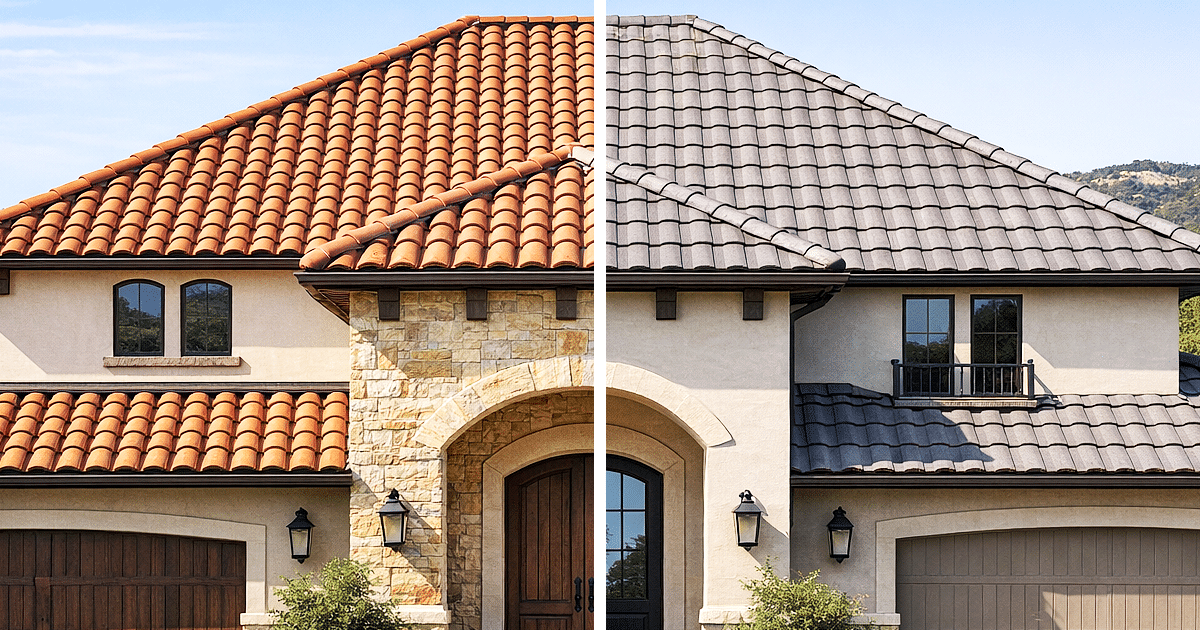
When you start comparing clay tile vs concrete tile for a home in Central Texas, it usually goes beyond just picking a style you like. Choosing between clay and concrete tiles in Central Texas affects heat resistance, durability, installation costs, and long-term maintenance. The right roofing material really comes down to your budget, your home’s design, and how well you want your roof to handle Texas heat, hail, and those sudden storms that seem to roll in out of nowhere.
Around Austin, San Antonio, and the surrounding Hill Country, tile roofing isn’t just about appearance. It plays a direct role in how your home performs through long summers, strong UV exposure, and seasonal hail events. Some homeowners lean toward clay for its lifespan and classic look, while others prefer concrete for its strength and more approachable price point.
Below is a practical comparison of clay vs concrete tiles specifically for Central Texas homes, breaking down what actually matters when you’re making that decision.
Takeaways
- Clay tile lasts longer, often 75–100+ years, with minimal maintenance over time
- Concrete tile costs less upfront and offers stronger resistance to hail damage
- Both materials handle Central Texas heat well, but clay reflects heat better
- Concrete tiles are heavier and may require more structural reinforcement
- Clay keeps its color longer, while concrete may fade without periodic maintenance
- Energy savings are strong with both, especially compared to asphalt shingles
- Installation quality matters just as much as the material you choose
- Your decision usually comes down to budget, home style, and how long you plan to stay in the home
Clay Tile vs Concrete Tile: Key Differences in Central Texas
The main difference comes down to longevity and heat performance versus impact resistance and affordability.
- Clay tiles focus on superior heat reflection, minimal maintenance and exceptional lifespan reaching 75-100+ years.
- Concrete tiles emphasize better hail impact resistance, lower upfront costs and versatile design options.
- Both clay and concrete tiles perform well in Central Texas but serve different homeowner priorities.
Clay roof tiles are kiln-fired natural clay with color throughout the body, while concrete roof tiles are molded from sand, cement and water with surface pigmentation. This fundamental difference in composition affects everything from thermal mass to weather resistance in hot climates like Austin and San Antonio.
Cost Analysis and Investment Value
Cost remains a major factor for Central Texas homeowners evaluating roofing options. The substantial difference between clay and concrete tiles extends beyond initial investment to include structural reinforcement, maintenance needs and lifetime value.
| Cost Factor | Clay Tiles | Concrete Tiles |
|---|---|---|
| Material Cost (per sq ft) | $20-50+ | $15-22 |
| Installation Cost (2,000 sq ft roof) | $40,000-100,000+ | $30,000-44,000 |
| Structural Reinforcement | $5,000-15,000 | $5,000-15,000+ |
| Expected Lifespan | 75-100+ years | 50-75 years |
| Maintenance Frequency | Low | Moderate |
Clay Tile Costs in Central Texas
Clay tile roofs represent a higher initial cost that pays dividends over decades. In the Austin and San Antonio markets, premium clay tiles from brands like Ludowici can run $25-50+ per square foot installed, depending on tile profile, glaze and roof complexity.
For a typical 3,000 square foot Central Texas home, total costs often reach $75,000-150,000+ when including structural work, premium underlayment and custom flashing. This higher upfront cost reflects the careful handling requirements during professional installation and the specialized labor involved.
The long-term value analysis tells a different story. With lifespans reaching 75-100+ years, clay tiles offer exceptional cost effectiveness when calculated per year of service. Many Central Texas clay roofs have survived a century with proper maintenance.
Structural reinforcement costs typically add $5,000-15,000 for homes originally built for lighter roofing materials like asphalt shingles.
Concrete Tile Costs in Central Texas
Concrete tiles provide a lower cost entry point into tile roofing. Material and installation for a typical 2,000 square foot roof generally runs $15,000-34,000 in Central Texas markets when using moderate complexity profiles.
The 50-75 year lifespan under Texas conditions represents strong value, though maintenance cost projections run higher than clay due to sealing requirements and more frequent tile replacement after severe storms.
Concrete roof tiles offer Austin homeowners seeking the aesthetic appeal of tile roofing a more accessible price point, particularly valuable for larger homes where the cost per square foot multiplies significantly, especially when paired with reliable Austin roof repair services that can maintain performance after severe weather.
Durability and Weather Resistance
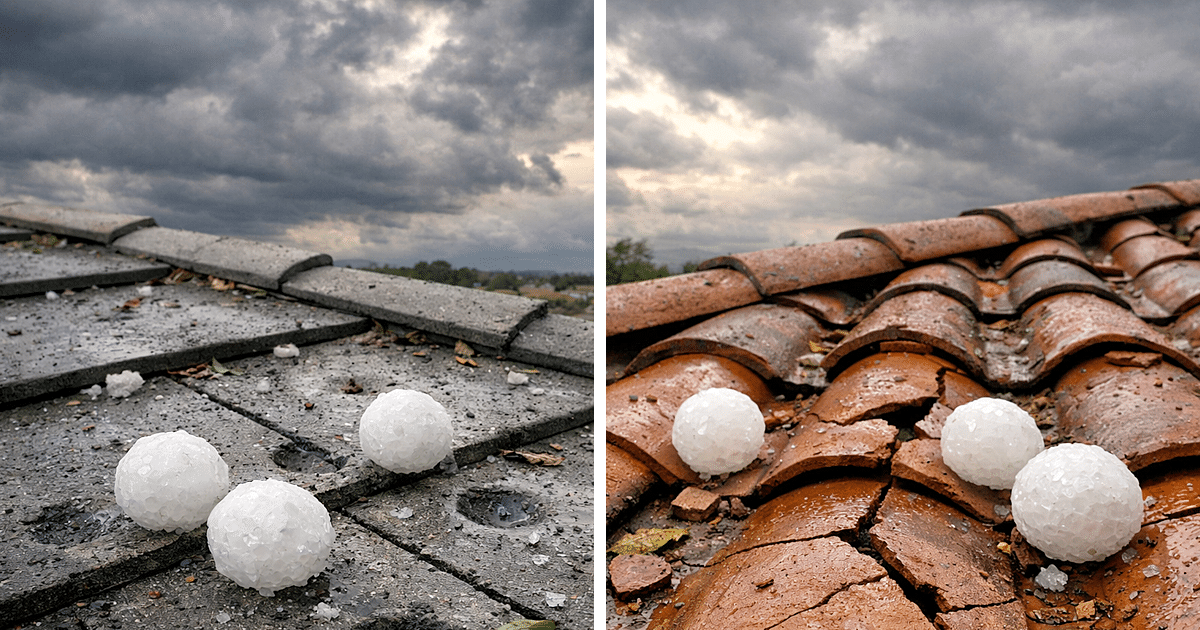
Central Texas presents unique challenges for roofing materials: intense sun exposure exceeding 100°F regularly, severe weather including golf ball-sized hail events, high winds and occasional freeze-thaw cycles during winter months.
Clay Tile Performance in Central Texas Weather
Clay tiles provide exceptional heat resistance and UV stability during 6-month summers where temperatures routinely exceed 100°F. The kiln-firing process creates inherent UV resistance that prevents degradation from intense sun exposure.
Regarding hail impact, clay tiles are more brittle than concrete. Large hailstones common in hail prone areas of Central Texas can crack or shatter individual clay tiles. However, damaged tiles can be replaced individually rather than requiring full roof replacement. Many professional roofers recommend keeping spare tiles for prompt post-storm repairs.
Wind resistance depends heavily on proper installation. When correctly secured with metal fasteners and interlocking profiles, clay tile roofs meet local building code requirements for wind uplift. Color retention over decades of harsh weather conditions remains excellent, particularly with glazed clay tiles where color extends through the body.
Concrete Tile Performance in Central Texas Weather
Concrete tiles demonstrate superior impact resistance against Texas hailstorms. The denser, less brittle composition withstands hail events better than clay, though surface coatings may still chip or crack from large hail.
Heat performance and potential fading present different considerations. Concrete roof tiles absorb more heat due to higher thermal conductivity and porosity. Surface pigments fade faster under intense Texas sun compared to through-body colored clay tiles. Cool roof coatings can improve performance but require periodic reapplication.
Freeze-thaw durability becomes relevant during Central Texas winters. Concrete’s higher water absorption (10-13% versus 6% or less for clay) makes it more vulnerable during occasional freezing conditions. Periodic sealing helps prevent moisture-related damage.
Storm resistance and wind rating performance match clay when both materials receive professional installation meeting Texas Residential Code requirements, similar to how commercial roofing systems in Texas must be engineered for drainage, reflectivity and structural performance.
Heat Performance and Energy Efficiency
Energy costs represent a critical concern for Central Texas homeowners facing 6-month summers with peak temperatures regularly exceeding 105°F. Both clay and concrete roof tiles significantly outperform asphalt shingles and other roofing materials for thermal management, especially when combined with broader roof cooling strategies for Texas summers.
Clay Tile Heat Resistance
Natural clay provides natural insulation properties through lower thermal conductivity (approximately 0.9 W/m·K) and minimal moisture content. This means less heat transfers through the roof deck to interior spaces.
Curved tile designs like barrel and Mozarabic profiles create air circulation benefits beneath the tile surface. Studies show vented clay tile installations on counter-battens reduce daytime heat flux by approximately 45% compared to direct-nailed asphalt shingle roofs, with annual cooling load reductions around 8%.
For Austin homeowners, this translates to meaningful cooling cost reduction during peak summer temperatures. The thermal mass properties help maintain more stable indoor temperatures throughout daily temperature swings.
Concrete Tile Heat Performance
Concrete tiles offer thermal mass benefits through heat absorption during daytime hours, delaying heat transfer into attic spaces until evening temperatures drop. This heat transfer delay can reduce peak cooling demands.
Cool roof coating options enhance energy efficient performance through increased reflectivity. Light-colored concrete tiles with reflective pigments perform significantly better than dark options, reducing heat island effects in urban Texas areas.
Compared to asphalt shingles and standing seam metal roofing, concrete tile roofs typically reduce cooling energy usage by 20-25% when properly installed with adequate ventilation. However, this advantage decreases over time as surface pigments fade without maintenance.
Installation Requirements and Considerations
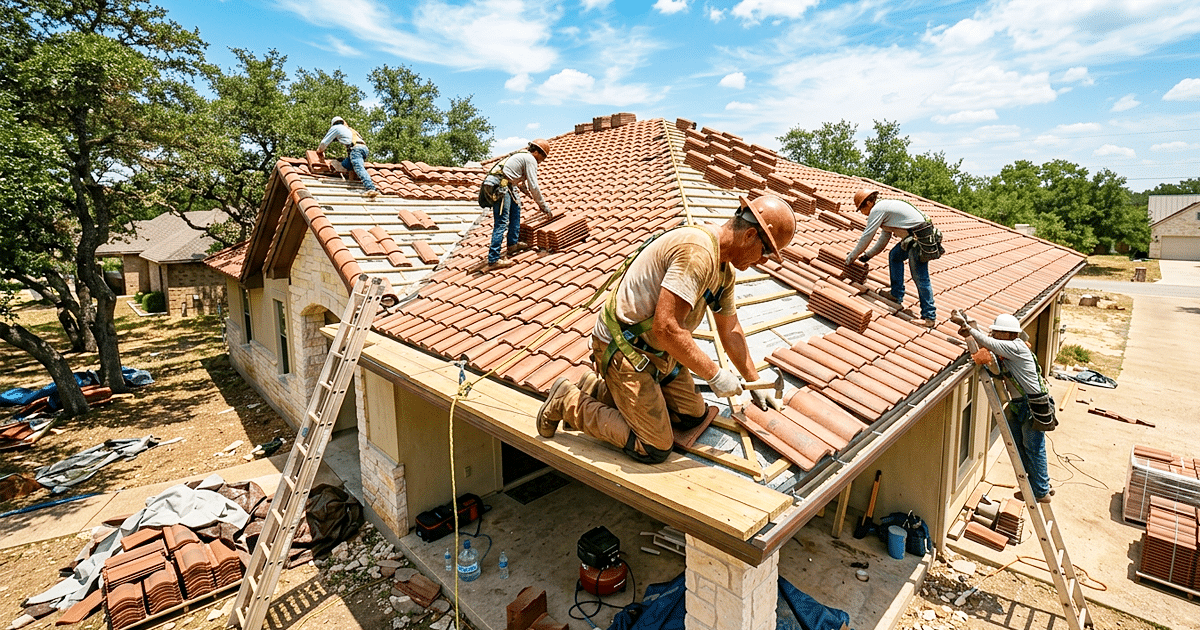
Installation quality determines long-term performance for both tile types in Texas weather conditions. Weight requirements, contractor expertise and building code compliance all factor into successful projects.
Clay Tile Installation in Central Texas
Structural evaluation becomes essential for typical Central Texas home construction, particularly older homes built for lighter roofing materials. Clay tiles weigh approximately 600-650 pounds per 100 square feet, requiring verification that rafters, trusses and roof deck can support the load.
Weight considerations drive many structural reinforcement projects costing $5,000-15,000 for homes requiring upgrades. This investment protects against costly repairs from structural failures.
Installation timeline and weather window requirements typically span 5-12 working days for 2,000-3,000 square foot homes with moderate roof complexity. High summer heat slows installation for worker safety and proper adhesive curing.
Finding qualified clay tile installers in the Austin and San Antonio region requires research. Professional roofers experienced with tile roofing are less common than asphalt shingle contractors. Premium clay brands often have lead times of weeks to months for custom profiles or glazes.
Concrete Tile Installation in Central Texas
Structural requirements prove more demanding for heavier concrete tiles weighing 820-1,100 pounds per 100 square feet. This significant difference from clay often necessitates larger structural upgrades for existing roof systems.
The installation process follows similar timelines to clay, though concrete’s greater durability during handling reduces breakage rates during installation. Local building code compliance in Central Texas municipalities requires wind uplift resistance and appropriate underlayment standards.
Contractor availability is somewhat better than for clay specialists, and installation costs run lower due to easier material handling. However, proper installation remains essential for achieving rated wind and weather resistance, making it important to work with experienced Central Texas roofing companies that understand local code and climate.
Maintenance Requirements in Central Texas Climate
Maintenance needs vary significantly between tile types under Texas conditions. Understanding ongoing care requirements helps Austin homeowners budget appropriately for long-term ownership.
Clay Tile Maintenance
Clay tiles require minimal maintenance compared to other materials. Primary tasks include debris removal, checking mortar at hips and ridges, and occasional replacement of broken tiles from wind or hail damage.
Gutter system maintenance matters significantly given Texas rainfall patterns. Heavy spring storms can overwhelm undersized gutters on tile roofs.
Individual tile replacement costs remain moderate, though color matching can prove challenging without maintaining spare tiles from original installation. Quality clay tiles retain color for decades under intense sun exposure, reducing refresh needs.
For 50+ year lifespans, underlayment typically requires replacement at 25-30 year intervals even when tiles remain sound. Factor this into long-term maintenance planning.
Concrete Tile Maintenance
Concrete tiles demand more regular attention in Central Texas. Cleaning and sealing requirements address the higher porosity that allows moisture absorption in humid Texas conditions.
Algae and moss prevention becomes necessary in shaded areas where moisture accumulates. This maintenance adds to annual care costs compared to clay tiles.
Color refresh and coating applications every few years help maintain aesthetic value and reflective properties. Without proper maintenance, concrete tiles show weathering faster than clay alternatives.
Repair and replacement procedures following storm damage remain straightforward. Replacement tiles cost less than clay, partially offsetting higher replacement frequency from hail events.
Central Texas Climate Considerations
The impact of Austin, San Antonio and Waco climate patterns on tile performance shapes material selection decisions. Understanding regional weather helps homeowners choose appropriately.
Hail season timing from March through June creates peak risk periods for roof damage. Both clay and concrete tiles sustain damage during severe storms, but concrete’s superior impact resistance provides advantages in regions prone to large hail.
Insurance benefits for tile roofing in Texas hail prone areas sometimes include premium discounts for materials meeting UL 2218 Class 4 impact ratings. Products with wind uplift certifications may also qualify for favorable rates.
Local building trends and neighborhood considerations influence choices. Spanish, Mediterranean and Mission architectural styles throughout Central Texas favor clay tiles for authentic aesthetic appeal. Some HOAs specify tile types or restrict alternatives, and in growing communities west of Austin many homeowners work with Dripping Springs roofing specialists familiar with these style and HOA requirements.
Fire resistance provides an additional benefit for both clay and concrete roof tiles, offering peace of mind as Central Texas experiences increasing wildfire risk in rural and suburban interface areas, including fast-growing communities like New Braunfels where local roofing experts routinely design systems with both fire and hail resistance in mind.
Clay vs Concrete Tile: Which Should You Choose for Central Texas?
Choose clay tiles for maximum heat resistance, exceptional longevity reaching 75-100+ years and authentic Texas architectural styles. Clay tiles offer the best long-term value despite higher initial investment for homeowners planning long-term occupancy.
Choose concrete tiles for better hail protection, lower upfront costs and versatile design options. Concrete works well for budget-conscious Austin homeowners who want tile roofing benefits without premium clay pricing.
Budget considerations for typical Central Texas homeowners often determine the final choice. If structural reinforcement costs push clay tile projects beyond comfortable ranges, concrete provides comparable weather resistance at accessible price points.
Home style and neighborhood compatibility factors matter significantly. In established neighborhoods with predominant architectural styles, matching existing roofing materials supports property values and aesthetic appeal.
Both clay and concrete tiles dramatically outperform asphalt shingles, wood shake and other roofing materials common in Central Texas for durability, energy efficiency and fire resistance. Either choice represents a significant upgrade for severe weather conditions in the region.
Frequently Asked Questions
Do clay and concrete tiles require structural reinforcement for typical Central Texas homes?
Yes, both clay and concrete tiles are significantly heavier than traditional roofing materials like asphalt shingles. Clay tiles typically weigh 600-650 pounds per 100 square feet, while concrete tiles weigh between 820-1,100 pounds per 100 square feet. Most Central Texas homes built for lighter roofing materials require a structural evaluation by a qualified engineer to determine if reinforcement of rafters, trusses, or the roof deck is necessary. Structural reinforcement can add $5,000-15,000 or more to the overall project cost.
How do clay and concrete tiles perform during hailstorms common in Central Texas?
Concrete tiles generally offer superior impact resistance due to their denser, less brittle composition, making them more resilient against golf ball-sized hail common in Central Texas. Clay tiles, while more brittle and prone to cracking or shattering from large hailstones, allow for individual tile replacement, making repairs manageable after storms. Both materials effectively shed water and maintain roof integrity when properly installed.
What is the expected lifespan of clay tile roofs compared to concrete tile roofs in Central Texas?
Clay tile roofs can last 75 to over 100 years with proper maintenance, making them a long-term investment. Concrete tile roofs typically have a lifespan of 30 to 50 years under Central Texas conditions. The longer lifespan of clay tiles often justifies their higher initial cost for homeowners planning to stay in their homes for decades.
How do clay and concrete tiles differ in heat resistance and energy efficiency?
Clay tiles provide superior heat reflection and natural insulation properties, helping reduce cooling costs by up to 20% in hot Texas summers. Their kiln-fired composition and curved design promote air circulation beneath the tiles, enhancing thermal performance. Concrete tiles offer thermal mass benefits by absorbing heat during the day and releasing it at night, and cool roof coatings can improve their reflectivity, though their surface pigments may fade over time without maintenance.
Are clay tiles more prone to cracking than concrete tiles in severe weather?
Yes, clay tiles are more brittle and susceptible to cracking or chipping from heavy impacts such as large hailstones or falling branches. Concrete tiles, being denser and less brittle, provide better impact resistance and are less likely to crack under similar conditions. Proper installation and maintenance are essential to minimize damage risks for both materials.
What are the typical installation timelines and costs for clay vs concrete tile roofs in Central Texas?
Installation of clay tile roofs for 2,000-3,000 square foot homes typically takes 5-12 working days, sometimes longer due to the careful handling required for brittle clay tiles. Concrete tile installations generally take slightly less time due to their greater durability during handling. Material and installation costs for clay tiles range from $40,000 to over $100,000 for typical homes, while concrete tiles cost between $30,000 and $44,000. Structural reinforcement costs may add $5,000 to $15,000 or more.
How often do clay and concrete tile roofs require maintenance in Central Texas climate conditions?
Clay tile roofs require minimal maintenance, mainly involving debris removal, gutter cleaning, and occasional replacement of broken tiles. Concrete tile roofs demand more regular attention, including cleaning to prevent algae and moss growth and periodic sealing to protect against moisture absorption due to their porous nature. Both types benefit from regular inspections, especially after severe storms.
Can individual broken tiles be replaced, or does hail damage require full roof replacement?
Both clay and concrete tile roofs allow for individual tile replacement, which is a major advantage after hail damage. This localized repair approach is more cost-effective than replacing entire roof sections, which is often necessary with asphalt shingles. Homeowners should keep spare tiles from the original installation for color matching and prompt repairs.
How do insurance premiums differ for homes with clay tile roofs versus concrete tile roofs?
Insurance companies may offer premium discounts for tile roofs with impact resistance certifications such as UL 2218 Class 4. Concrete tiles often receive better insurance treatment due to their superior hail resistance, while clay tiles may be more susceptible to hail-related claims. Providing documentation of professional installation and product certifications is important for maximizing insurance benefits.
What are the aesthetic differences between clay and concrete tiles and how do they affect home style compatibility?
Clay tiles offer a traditional, elegant appearance with natural terra cotta colors that enhance Mediterranean, Spanish, and historical-style homes. Their color is integral to the tile, resulting in long-lasting vibrancy. Concrete tiles provide greater versatility with a wide range of colors and profiles, including options that mimic clay, wood shake, or slate roofing, making them adaptable to various architectural styles. The choice often balances authenticity with design flexibility and budget.
Contents
- Clay Tile vs Concrete Tile: Key Differences in Central Texas
- Cost Analysis and Investment Value
- Durability and Weather Resistance
- Heat Performance and Energy Efficiency
- Installation Requirements and Considerations
- Maintenance Requirements in Central Texas Climate
- Central Texas Climate Considerations
- Clay vs Concrete Tile: Which Should You Choose for Central Texas?
- Frequently Asked Questions

