
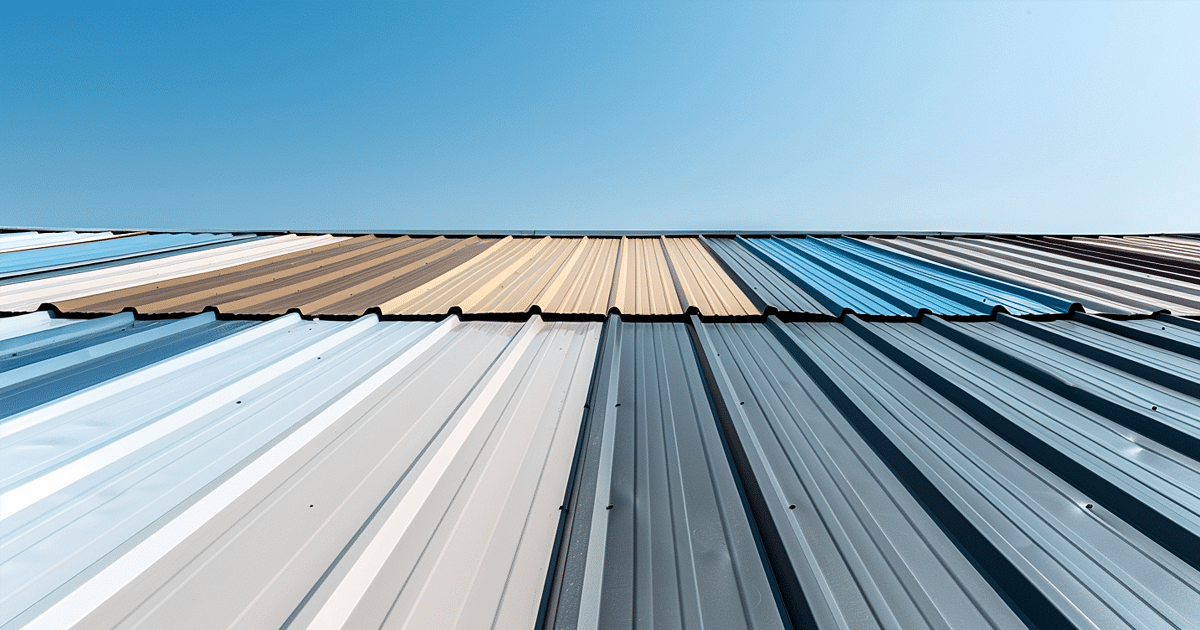
Austin summers don’t play around. When the sun is beating down day after day and your AC feels like it never gets a break, the color of your roof starts to matter more than most homeowners realize. Best Roof Colors for Energy Savings in Austin isn’t just a design question—it’s about comfort, monthly energy bills, and how hard your home has to work to stay livable during long stretches of 95-degree heat. The right roof color can reflect a surprising amount of that solar heat before it ever reaches your attic, helping your house feel cooler and your cooling system run less.
In Austin homes, where intense sun exposure and extended cooling seasons are the norm, roof color choices can quietly influence everything from attic temperatures to how hot second-floor rooms feel in the afternoon. This guide breaks down which roof colors actually perform best in Central Texas heat, how much difference they can make, and how to balance energy savings with curb appeal, HOA rules, and material options that make sense for Austin neighborhoods.
Key Takeaways
- The most energy efficient roof colors for Austin are light shades like white, light gray, beige, and light tan, especially when paired with metal roofing, flat roofs, tile roofs, or cool roof shingles with reflective granules.
- Choosing a high-reflectance roof color can cut summer cooling costs by 10-15%, lower attic temperatures by 30-50°F, and significantly improve indoor comfort during Austin’s brutal summers.
- Austin’s hot climate—with average highs exceeding 95°F from June through September and intense solar radiation—makes lighter colors and cool-rated roofing materials far more beneficial than in milder regions.
- Homeowners must balance energy performance with HOA rules, their home’s architectural style, and the specific roofing materials available when selecting the best energy-saving color.
- Pairing a light or cool-rated roof with proper attic ventilation and insulation maximizes savings and can deliver ROI within 2-5 years.
Why Roof Color Matters for Energy Savings in Austin
Austin homeowners face a cooling season that stretches from May through September, with frequent 95-105°F days and intense afternoon sun. This prolonged exposure to the texas heat makes the color of your roof one of the most significant factors affecting your home’s energy efficiency and monthly energy bills.
The physics are straightforward: dark roof colors absorb more sunlight, converting it to heat that radiates into your attic and living spaces below. Light colored roofs, on the other hand, reflect more sunlight away from your home, keeping surface temperatures dramatically cooler. This difference directly impacts how much heat your cooling system must work to remove.
Lowering roof surface temperature by 30-50°F during peak summer afternoons—a realistic outcome when switching from a dark roof to a lighter roof—can noticeably reduce air conditioner runtime and monthly cooling bills. For austin homeowners paying $2,000 or more annually in energy costs, even a 10-15% reduction represents meaningful savings.
Color is just one of several energy factors alongside attic insulation, ventilation, and material choice. However, it’s one of the easiest elements to control during a roof replacement. This guide provides Austin-specific guidance tailored to our local weather, neighborhood aesthetic preferences, and the realities of central texas summers—not generic national advice.
How Roof Color Affects Heat and Energy Use
When sunlight hits your roof, a portion of that energy reflects away while the rest converts to heat. The shingle color or coating you choose determines how much sunlight becomes thermal energy trapped in your home’s structure.
Lighter colors have higher solar reflectance—meaning they bounce more light away—and often feature higher thermal emissivity, allowing them to shed absorbed heat faster once the sun sets. In Austin’s hot climate, a higher-reflectance roof can keep attic temperatures much closer to outdoor air temps instead of 20-30°F hotter, which is common with darker shingles absorb-heavy options.
This directly reduces strain on AC systems, can extend HVAC lifespan, and makes rooms on upper floors noticeably more comfortable. When your attic isn’t functioning as a superheated oven, your entire home benefits.
For quick comparisons when shopping, look for ENERGY STAR or Cool Roof Rating Council (CRRC) labels. These certifications provide standardized reflectance and emissivity ratings that let you compare colors and products objectively, rather than guessing based on appearance alone.
Solar Reflectance and Roof Color Basics
Solar reflectance measures the fraction of sunlight a roof reflects, expressed as a decimal between 0 and 1. A roof with 0.70 reflectance bounces 70% of incoming solar energy away from your home.
If you’re concerned about protecting your home, learn more about DIY steps on waterproofing your roof before choosing your shingles. Here’s how common color families perform:
| Color Family | Typical Solar Reflectance | Heat Gain |
|---|---|---|
| White/Cool White | 0.60 – 0.90 | Very Low |
| Light Gray/Silver | 0.50 – 0.70 | Low |
| Beige/Tan/Sand | 0.40 – 0.60 | Low-Moderate |
| Medium Gray | 0.30 – 0.50 | Moderate |
| Dark Brown/Charcoal | 0.10 – 0.20 | High |
| Black | 0.05 – 0.10 | Very High |
Even within the same color family, “cool” versions of shingles or metal panels can boost reflectance significantly through special pigments designed to reflect infrared light invisible to the eye. A cool-rated medium gray might perform closer to a standard light tan.
For austin homeowners and business owners seeking professional commercial roofing services, higher reflectance should be the priority unless specific design constraints or HOA requirements demand darker shades.
Thermal Emissivity and Nighttime Cooling
Thermal emissivity describes how efficiently a roof radiates absorbed heat back into the atmosphere once the sun goes down. Materials with high emissivity cool off faster at night, which matters considerably given Austin’s warm evenings and the continuous AC demands they create.
Many light-colored metal, tile, and specialty asphalt shingles are engineered to combine strong reflectance with high emissivity—a dual benefit that maximizes energy savings around the clock. This combination prevents the slow overnight release of heat that keeps attic temperatures elevated well past sunset.
For homeowners, the practical takeaway is to look for products marketed as cool roofs or those with published emissivity values above 0.75, not just lighter-looking colors. Ask your roofing contractor for product data sheets showing both reflectance and emissivity for the specific colors you’re considering.
Best Energy-Saving Roof Colors for Austin Homes
Austin’s climate makes lighter and cool-rated shades the top performers for energy savings. The combination of intense solar radiation averaging over 5 kWh/m²/day and extended summer heat means reflective roof colors deliver measurable benefits that darker options simply cannot match.
Specific color families recommended for maximum energy efficiency in Austin include:
- White and off-white
- Light gray and silver
- Light tan and beige
- Pale sand and stone tones
- Cream and ivory
These colors can be found across all popular roofing materials used locally, including metal panels, concrete tiles, clay tile, and asphalt shingles with cool granules. Neutral light colors often strike the ideal balance between energy performance and broad curb appeal acceptance across Austin neighborhoods.
For homeowners who prefer slightly deeper tones for aesthetic reasons, cool versions of medium grays and brown tones with reflective pigments can still deliver meaningful savings compared to standard darker shingles.
Top Light and Cool Roof Color Families
Here are concrete examples of shades that work exceptionally well under Austin’s sun:
White and Off-White Options
- White, stone white, pearl, ivory, and bright white
- Highest reflectance at 60-90%
- Ideal for flat roofs, metal panels, and tile where maximum cooling is desired
- Best for homes where HOAs permit and the home’s curb appeal benefits from a crisp, clean look
Light Gray and Silver Tones
- Light gray, silver, cool silver, dove gray, and pearl gray
- Reflectance typically 50-70%
- Most popular choice among austin homeowners for balancing energy savings with dirt and algae resistance
- Works well with both modern appearance homes and traditional styles
Warm Neutrals
- Sandstone, desert sand, buff, light khaki, light tan, and beige
- Reflectance around 40-60%
- Pairs beautifully with Central Texas limestone, stucco walls, and earthy brick tones
- Excellent choice for maintaining neighborhood aesthetic while improving energy efficiency
Cool-Rated Medium Tones
- Weathered wood, driftwood, cool gray, and cool bronze
- Reflectance 25-35% (still significantly better than standard darks)
- Good option when HOA or personal preference rules out very light colors
Balancing Color with Austin Home Styles — Learn about the military roof rebate offered by Ja-Mar Roofing & Sheet Metal for qualifying Texas homeowners.
Energy-saving roof colors must complement your home’s architectural style and existing materials to maintain value and visual appeal.
Traditional Brick or Stone Homes For Austin’s abundant red brick ranches and Texas limestone facades, consider light gray, weathered light browns, or pale tans. These colors coordinate naturally with warm masonry tones without creating harsh contrast. A light gray standing-seam metal roof or sandstone-colored cool shingles can complement red brick beautifully while reducing heat absorption.
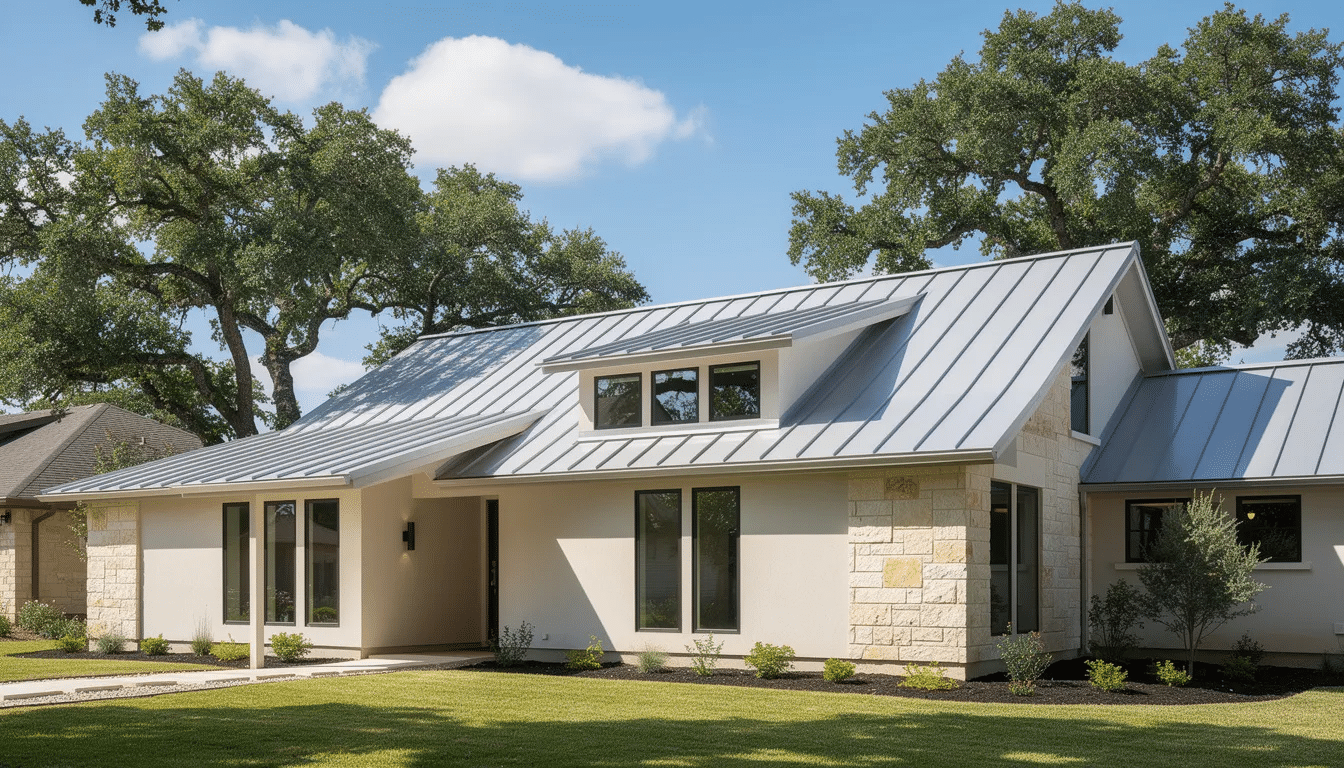
Modern or Contemporary Homes Clean lines and dark window frames pair excellently with very light gray, white metal, or cool silver tones. These lighter shades enhance the sleek appearance that defines modern Austin architecture while delivering maximum energy performance.
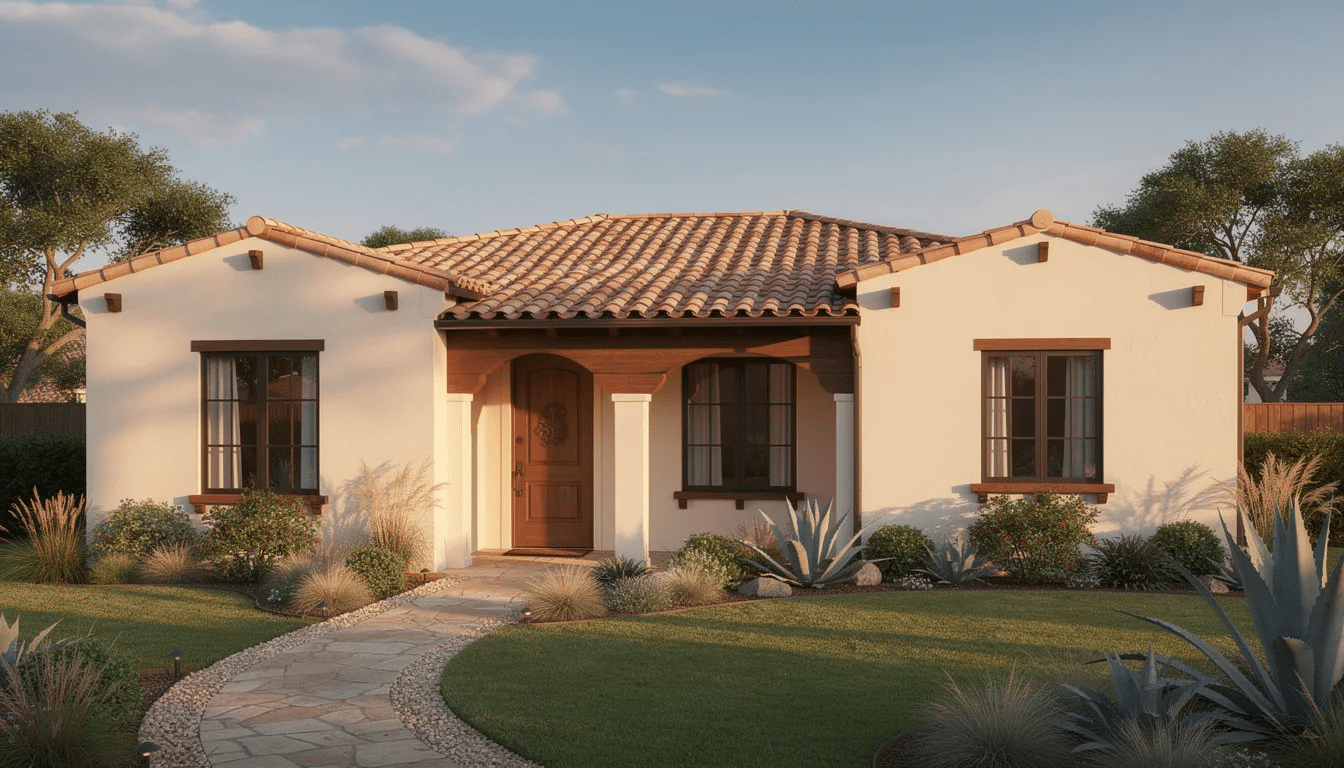
Mediterranean or Spanish-Inspired Homes Light terracotta, cream, and pale clay tile colors reflect heat effectively while honoring the architectural tradition. These warm lighter shades work with stucco exteriors and arched details without sacrificing the tile roofs’ inherent energy benefits.
Visual Balance Considerations Lighter roofs generally pair best with medium-to-dark siding colors to avoid a washed-out appearance. If your home features light stucco walls or pale stone, a soft gray or tan roof provides definition without the energy penalty of going dark.
Comparing Roof Materials and Color Choices in Austin
Material choice significantly affects how much a given color actually saves on energy. Metal, tile, and cool asphalt shingles are all common in Austin, but each responds differently to color selection and coatings.
When evaluating options, consider durability, cost, local building codes, HOA restrictions, and appearance alongside reflectance ratings. The right combination of material and color maximizes both performance and longevity.
Metal Roofing Colors for Energy Efficiency
Metal roofing has become increasingly popular in Austin, with installations rising 25% since the 2021 winter storm as homeowners prioritize resilience alongside energy performance. Metal’s durability, fire resistance, and inherently strong solar reflectance make it an excellent choice for hot climates.
Light-colored, factory-painted metal panels in white, light gray, or light tan can reduce summer roof temperatures dramatically compared to darker alternatives. Premium finishes like Kynar 500 coatings combine durability with excellent reflective properties, maintaining performance for decades.
Even medium metal colors like cool bronze or cool gray can provide good energy performance when manufactured with reflective pigments. These options give homeowners design flexibility without completely sacrificing efficiency.
Standing seam and corrugated metal roofs often qualify for cool roof ratings when installed in light, reflective shades. However, metal roofing must be paired with proper underlayment and attic ventilation to maximize energy benefits—the material alone won’t solve ventilation deficiencies.
Clay and Concrete Tile Colors in Central Texas Heat
Clay and concrete tiles remain common on stucco and Mediterranean-style homes throughout Austin, offering distinctive aesthetics alongside genuine energy advantages.
Lighter tile colors—cream, light terracotta, pale sand, and light gray—reflect substantially more sunlight than deep reds or dark browns. The difference can exceed 30% in solar reflectance, translating directly to less heat entering your attic.
Tile’s inherent design provides additional benefits beyond color. The curved shape and airspace beneath each tile create natural ventilation channels that help dissipate heat 15-25% more effectively than solid asphalt installations. Combined with lighter colors, this makes tile an excellent choice for Austin’s hot summers.
Concrete tiles edge out ceramic options in hail resistance—an important consideration given Central Texas weather patterns. Weight and installation cost are legitimate factors, but the energy-performance advantage of lighter tile shades often justifies the investment for appropriate homes.
Some manufacturers now produce cool-rated tiles using advanced pigments that boost reflectance even in soft earth tones, allowing traditional terracotta aesthetics with improved performance.
Asphalt Shingles: Cool Colors vs. Traditional Dark Tones
Asphalt shingles remain the most common residential roofing material in Austin neighborhoods, representing roughly 70% of the local market due to their lower cost ($3-5 per square foot installed) and versatility.
Traditional dark colors like black, charcoal, and deep brown absorb 80-95% of solar energy, creating surface temperatures that can exceed 180°F on summer afternoons. This superheated roof radiates into unventilated attics where HVAC ducts are often located, straining cooling systems and spiking afternoon energy costs.
Cool roof shingles with reflective granules offer a significant upgrade. Available in light gray, pale brown, soft tan, and lighter shades, these products maintain initial solar reflectance above 0.25 per ASTM standards—substantially better than standard dark options.
Practical color families to consider include:
- Cool gray and pearl gray
- Weathered wood and driftwood (light-medium browns)
- Sandstone and desert sand
- Light khaki and buff
When selecting asphalt shingles, specifically ask for products carrying cool roof or ENERGY STAR designations. Appearance alone can be deceiving—a shingle that looks light may not have the reflective granules that actually deliver energy savings. Request documentation showing published reflectance values for specific colors.
Austin-Specific Considerations: Climate, Shade, and HOA Rules
Roof color choices in Austin must account for local realities beyond simple climate data. Intense sun, seasonal drought conditions, mature oak and cedar trees, and neighborhood standards all influence the optimal selection.
Microclimate factors affect performance. Homes with heavy tree shade experience less direct solar exposure, reducing (though not eliminating) the benefit gap between light and dark colors. Lot orientation matters significantly—west-facing roofs receive punishing afternoon sun and gain the most from light, cool-rated colors.
Some Austin HOAs and historic districts limit acceptable color ranges. Areas like Hyde Park may favor traditional dark grays and brown tones that fit historic character, even when lighter options would be more efficient. Conversely, some modern developments embrace lighter roof colors as part of sustainability requirements.
Before finalizing your reflective roof color selection, confirm HOA guidelines and any city requirements. The best energy-saving choice is one that actually gets approved.
When Darker Roof Colors Still Make Sense
Not every austin home will benefit equally from the lightest possible roof, and circumstances sometimes favor moderately darker options.
Heavy Tree Shade Homes in older central Austin neighborhoods with mature live oaks may see less energy penalty from medium-tone roofs. When your roof receives limited direct sun, the reflectance differential matters less. However, this changes if trees are removed or trimmed, so consider future conditions.
Architectural and HOA Requirements For homes where dark roof colors are required or strongly preferred for visual continuity, look for cool versions with reflective granules or pigments. A cool-rated charcoal shingle can reflect 35% of solar energy compared to just 15% for standard dark options—a meaningful improvement even if not optimal.
Offsetting Strategies Pairing a medium-tone roof with upgraded attic insulation (R-30 minimum recommended), ridge and soffit vents, and radiant barriers can offset much of the extra heat gain. Field tests show that well-insulated attics reduce the performance gap between light and dark colors significantly.
However, homeowners should honestly weigh lifetime comfort and energy costs against short-term aesthetic preferences. A dark roof in Austin will always work harder against your cooling system than a lighter alternative.
Long-Term Performance, Maintenance, and Color Longevity
Keeping a roof reflective over its lifespan matters as much as choosing the right color initially. Several factors can degrade performance in Austin’s environment.
Dirt, algae, and debris accumulation dulls light colors and reduces reflectance, particularly during Austin’s notorious pollen seasons and following heavy storms. What started as an energy efficient roof can lose significant performance if neglected.
UV exposure in Central Texas can fade some pigments over time. Higher-quality cool roof products maintain their reflectance better—GAF and Owens Corning’s cool-rated shingles, for example, are designed to retain greater than 0.20 reflectance after 10 years versus 0.10 for non-cool alternatives.
Scheduling periodic roof inspections and cleanings helps preserve both appearance and energy-saving performance. Consider annual or biannual professional assessments as part of your home maintenance routine.
Maintaining gutters, trimming overhanging limbs that deposit debris, and checking attic ventilation annually should all be part of an overall strategy to improve energy efficiency and protect your investment.
Cleaning and Protecting Reflective Roof Surfaces
Light roofs in Austin’s dusty, pollen-heavy environment require gentle, regular cleaning to maintain their reflective properties and extend their effective lifespan.
Recommended Cleaning Practices:
- Use low-pressure washing or soft-bristle brushing
- Apply mild, roof-safe cleaners specifically designed for your material
- Focus on algae, mildew, and accumulated dirt removal
- Clean during cooler morning hours to prevent thermal shock
What to Avoid:
- High-pressure washing that strips reflective granules from asphalt shingles
- Harsh chemicals that damage protective coatings on metal
- Abrasive tools that scratch factory finishes
- Walking directly on tile, which can crack individual pieces
Some light-colored materials include algae-resistant features, which prove beneficial during Austin’s humid periods. These treatments can reduce cleaning frequency while maintaining appearance.
Build seasonal maintenance reminders into your calendar—inspections each spring (post-pollen season) and fall (pre-winter) help catch issues before they affect performance or cause damage.
Choosing the Right Energy-Saving Roof Color for Your Austin Home
Selecting the best roof color for energy savings involves balancing multiple factors unique to your situation. For ongoing protection and to maximize your roof’s lifespan, consider the importance of roof maintenance. Here’s a practical decision-making path:
Step 1: Evaluate Constraints
- Review HOA guidelines and any local building codes restrictions
- Assess your home’s architectural style and what colors complement existing materials
- Determine your budget for materials and installation
Step 2: Analyze Sun Exposure
- Identify which roof sections receive the most afternoon sun
- Note any significant tree shade that may reduce solar exposure
- Consider how much sunlight reaches your roof during peak summer hours
Step 3: Choose Your Material
- Select from metal roofing, tile roofs, or asphalt shingles based on budget, durability needs, and appearance preferences
- Confirm what cool-rated options are available in each material category
Step 4: Select Cool-Rated Colors
- Narrow to light or neutral cool roof colors whenever possible
- Request product data sheets showing solar reflectance values
- Compare how different shades look with your existing brick, stone, or siding
Practical Tips:
- Request physical color samples and view them against your home in direct sunlight
- Use manufacturer visualization tools to preview how lighter colors look installed
- Ask about warranty coverage for reflectance performance, not just material defects
Prioritizing cool-rated light or neutral colors whenever possible delivers the most significant energy savings for Austin’s climate. Combined with proper ventilation and insulation, the right reflective roof color can save energy, reduce cooling bills by 10-15% or more, and make your home noticeably more comfortable during our long, hot summers.
For the best results, consult a knowledgeable local roofing contractor who can provide specific cool color options, documented reflectance data, and installation details tailored to Austin homes and austin’s weather patterns.
Frequently Asked Questions
What roof color saves the most on cooling bills in Austin?
Very light colors such as white, off-white, and light gray on cool-rated metal, tile, or asphalt shingles typically deliver the largest summer cooling bill reductions in Austin. Studies show white reflective roofs can reduce annual cooling energy by 7-15%, with summer AC costs dropping 10-15%. Homes with heavy afternoon sun exposure on west-facing roofs see the greatest benefits from these high-reflectance options.
Will a light-colored roof make my Austin home too bright or glaring?
While bright white metal can appear reflective in full sun, many off-whites, light grays, and pale tans provide strong energy performance with a softer, more subdued look. Light gray has become the most popular energy-saving choice among Austin homeowners precisely because it balances good reflectance with less visible dirt and algae staining. Most HOAs find these neutral light tones acceptable, even when they restrict very bright white options.
Can I improve my roof’s energy efficiency without fully replacing it?
In some cases, applying a qualified reflective coating, improving attic insulation to R-30 or higher, adding radiant barriers (which provide 20-30% additional savings), and doing thorough cleaning can noticeably reduce heat gain. However, the biggest gains come when replacing a heat-absorbing dark roof with a light, cool-rated system. Coatings and insulation improvements make the most sense when your existing roof has significant remaining lifespan.
How do I know if a shingle or metal color is really a “cool roof” option? If you have concerns about your roof’s condition or notice any warning signs, it’s a good idea to look out for common red flags that indicate you may need a roof inspection to ensure your roof is functioning at its best.
Check product labels and technical specification sheets for published solar reflectance and thermal emissivity values. Look for Cool Roof Rating Council (CRRC) certification, ENERGY STAR designations, or manufacturer claims of “cool” or “reflective” technology. Ask contractors to provide documentation for specific colors they recommend. A cool-rated product should have initial solar reflectance above 0.25 and maintain at least 0.15 after three years of aging per ASTM standards.
Do energy-efficient roof colors qualify for rebates or incentives in Austin?
Austin Energy has historically offered rebates up to $1,500 for ENERGY STAR cool roofs, though program availability and amounts change periodically. The federal Inflation Reduction Act currently provides 30% tax credits for qualifying solar-reflective roofing installations through 2025. Check with Austin Energy, the City of Austin sustainability office, and your tax professional for current incentive information before starting your project—these programs can significantly offset the cost of choosing energy efficient roofing materials.
Contents
- Why Roof Color Matters for Energy Savings in Austin
- How Roof Color Affects Heat and Energy Use
- Best Energy-Saving Roof Colors for Austin Homes
- Comparing Roof Materials and Color Choices in Austin
- Austin-Specific Considerations: Climate, Shade, and HOA Rules
- Long-Term Performance, Maintenance, and Color Longevity
- Choosing the Right Energy-Saving Roof Color for Your Austin Home
- Frequently Asked Questions

