
If you’ve owned a home here for any length of time, you’ve probably felt it. The blazing August sun. The sideways spring hail. That sudden thunderstorm that rolls through South Austin or Round Rock and dumps inches of rain in an hour. The cost of neglecting roof maintenance in Austin, Texas isn’t theoretical. It’s real, and it shows up fast in repair bills, insurance disputes, and rising energy costs.
A roof in Central Texas doesn’t get the luxury of coasting. It absorbs weeks of 100 degree heat, takes direct UV exposure most of the year, then gets hammered by hail and high winds every spring. When small issues like lifted shingles, cracked flashing, or clogged gutters are ignored, they rarely stay small. What could have been a simple $300 maintenance visit often turns into structural repairs, mold remediation, and drywall replacement that climb into the five figures.
This article walks through what actually happens when roof maintenance gets pushed aside in Austin. You’ll see how minor problems quietly multiply, how energy bills creep up, why insurance companies push back on neglected claims, and how local climate conditions accelerate damage far faster than most homeowners expect. If you own property anywhere in Central Texas, this isn’t just about maintenance. It’s about protecting your investment before the weather makes the decision for you.
Key Takeaways
- In Austin’s 100°F+ summers and spring hail seasons, ignored roof issues quickly escalate from a few hundred dollars to multi-thousand-dollar structural emergencies
- A $250–$600 routine maintenance visit in Austin often prevents $5,000–$20,000 in structural repairs, mold remediation, and interior reconstruction
- Neglected roofs raise Austin Energy bills by $20–$60 per month due to lost energy efficiency and can shorten a 25-year shingle roof’s lifespan to just 12–15 years
- Texas insurers frequently deny or reduce insurance claims when adjusters determine damage stems from long-term neglect rather than a single covered weather event
- Schedule an Austin-specific roof inspection before spring hail season or peak summer heat to catch issues early and protect your investment
Why Austin Homeowners Can’t Ignore Roof Maintenance
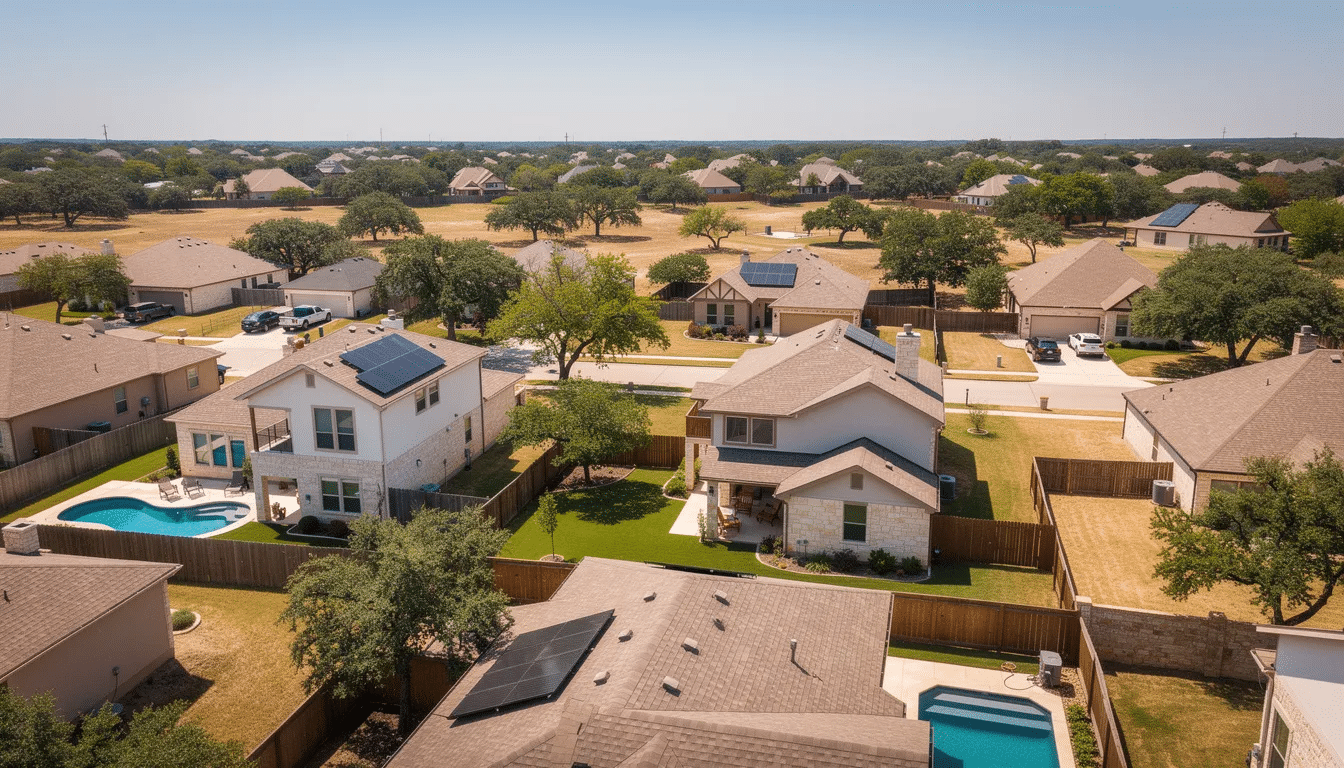
Austin’s unique climate creates a perfect storm for accelerated roof damage. The combination of extreme heat, intense UV exposure, spring hail, and powerful thunderstorms makes roof neglect especially costly for texas homeowners in Central Texas.
Many homeowners in neighborhoods like South Austin, Round Rock, Cedar Park, and East Austin roofing service areas delay roof checks until they notice visible interior problems. Unfortunately, by the time water stains appear on ceilings or musty smells develop in the attic, damage has typically spread through decking, attic insulation, and sometimes into wall cavities.
Minor roof issues can escalate within a single storm season due to heavy rain and high winds common during Austin’s spring and fall months. What starts as minor damage quickly compounds when the next storm arrives.
Local building codes and modern buyers’ expectations make a neglected roof a major liability when selling in Austin’s competitive market. Home inspectors routinely flag maintenance issues, and savvy buyers know that roof problems signal potential hidden costs throughout the property.
Small Austin Roof Problems That Turn Into Big Expenses
The true cost of neglecting roof maintenance in Austin, Texas becomes painfully clear when you trace how small leaks evolve into expensive repairs. What appears minor from the ground often masks progressive damage that multiplies with each passing month.
Consider this real-world scenario: A homeowner spots a few missing shingles after an April hailstorm in Pflugerville. The repair would cost around $300. They postpone it. By October, that slow leak has saturated the decking, soaked the insulation, and created ceiling stains—totaling $3,500 in repairs.
Common escalation patterns include:
- Flashing gaps around chimneys and vent pipes (prevalent on 1990s Austin homes) that let water track behind siding and into wall studs
- Missing shingles that allow water infiltration, leading to wood rot in decking and rafters
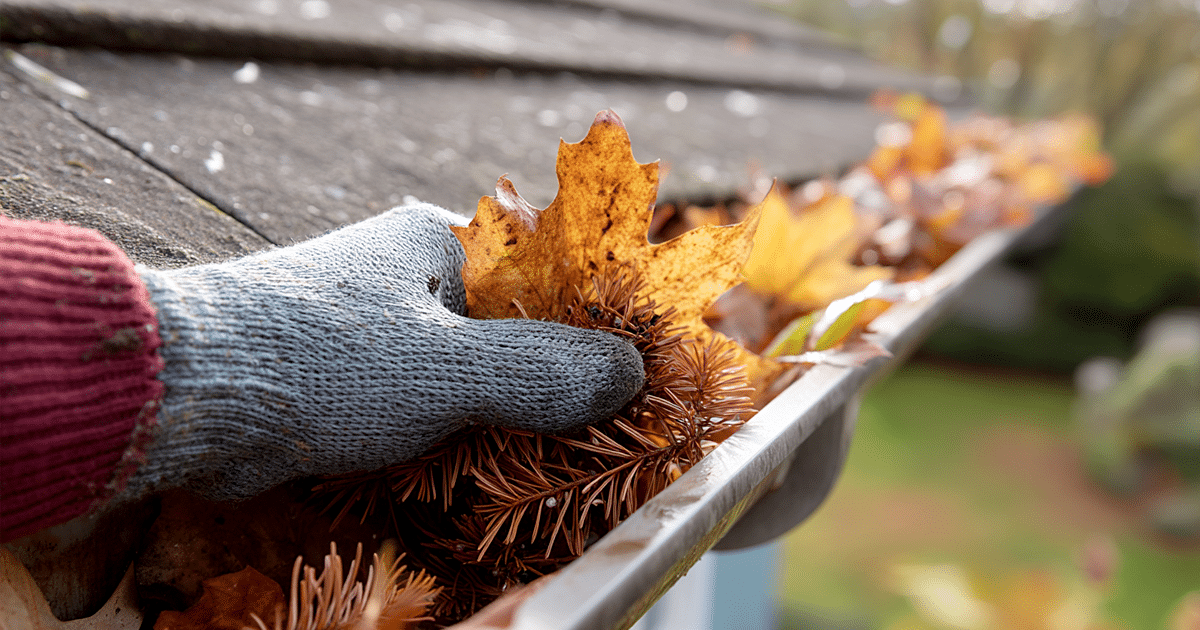
- Clogged gutters during heavy October–November rains backing water under shingles, rotting fascia and soffits
The cost differences are dramatic:
| Problem Stage | Typical Austin Cost Range |
|---|---|
| Basic leak repair | $250–$800 |
| Flashing repair | $150–$350 |
| Full section replacement with decking, insulation, drywall | $5,000–$12,000 |
| Added fascia and soffit repair | $1,000–$3,000 |
| Delaying roof repairs transforms manageable expenses into full renovation projects. What could have been minor repairs becomes costly repairs that strain budgets and disrupt lives. |
How Austin’s Climate Supercharges Roof Wear
Austin roofs fail faster when maintenance is skipped because of the city’s specific weather patterns. The combination of extreme temperatures and major weather events creates conditions that exploit every weakness in your roofing material.
Summer Heat Assault
Multiple weeks over 100°F and intense UV radiation break down asphalt shingles, sealants, and rubber vent boots. South- and west-facing slopes take the worst punishment, with surface temperatures reaching 150°F or higher. Worn shingles become brittle, cracked shingles develop, and protective granules erode—all accelerating when proactive maintenance is neglected.
Storm Season Damage
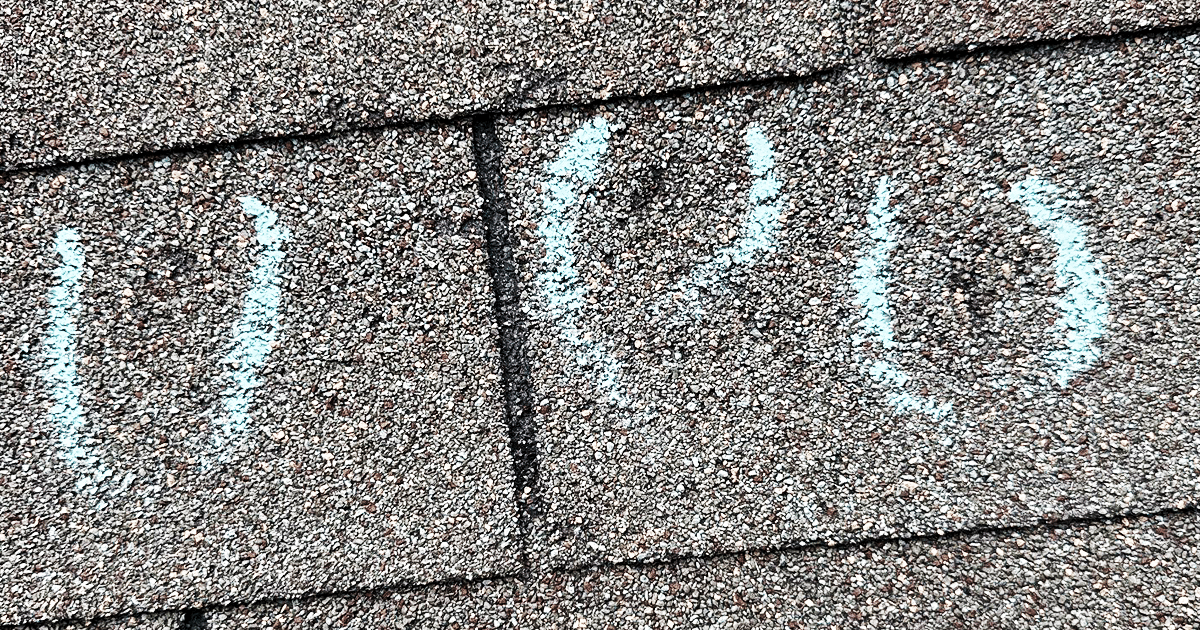
March through June brings hailstorms and straight-line winds that commonly loosen shingles and dent or fracture granules. Even when storm damage isn’t immediately obvious from the ground, compromised shingles leave your roof vulnerable to the next storm.
Winter Weather Surprises
Sudden cold snaps and freezing rain—like the February 2021 winter storm—exploit existing weaknesses. Hairline cracks open into active roof leaks when ice forms and expands in vulnerable areas.
Roofs over 15–20 years old in Austin are far more vulnerable to this climate assault. Many homeowners who skipped inspections after major hail events in 2019, 2022, or 2024 now have compromised roofs that will require major repairs or full roof replacement.
Energy Costs and Shortened Roof Lifespan in Austin
A neglected roof doesn’t just leak—it hemorrhages energy and money. The connection between roof condition and your Austin Energy bills is often overlooked until homeowners see the cumulative impact on their wallets.
When shingles lift, underlayment deteriorates, or attic ventilation fails, superheated attic air (often 130–150°F in August) strains your HVAC system relentlessly. Your air conditioner runs longer cycles trying to maintain comfortable temperatures, driving up energy bills month after month.
The real numbers:
- Austin homeowners with compromised roof systems can see $20–$60/month higher summer electricity bills
- Damaged insulation and poor attic ventilation can increase monthly electricity bills by $50–$150 during peak summer months
- Damaged roofs can increase HVAC energy usage by 15–30% during extreme heat, impacting utility bills
- Annual energy loss from poor roof condition often totals $200–$500
- Many homeowners misattribute these costs to an aging HVAC system rather than roof deterioration
A well maintained architectural shingle roof in Austin can last 22–28 years. Compare that to a neglected one exposed to repeated hail and UV damage—it may fail around 12–15 years, cutting your roof’s lifespan nearly in half.
Yearly maintenance and attic inspections help maintain proper attic ventilation, intact insulation, and tight roof coverings. Incorporating energy-efficient roofing strategies for staying cool in Texas summers alongside routine care maximizes both lifespan and energy efficiency, helping you save money over the roof’s service life.
Impact on Austin Home Values and Home Sales
A tired or damaged roof directly affects your home value in Austin’s active real estate market. In a competitive market where buyers have options, roof condition often makes or breaks deals.
Austin buyers—especially in areas like Mueller, North Loop, and Circle C—frequently request roof certifications or recent inspection reports before closing. They understand that roof issues signal potential hidden costs and use this leverage during negotiations.
What triggers price reductions:
- Visible curling or cracked shingles
- Patched areas suggesting recurring problems
- Evidence of past leaks (water stains, replaced drywall)
- Roof age beyond 15–20 years without documented maintenance
A damaged roof can reduce a home’s market value by 5% to 15%.
Home inspectors routinely flag old or neglected roofs, triggering renegotiations or lost deals in escrow. Visible roof problems create decreased property appeal that’s difficult to overcome with other home improvements. Securing a professional roof inspection report or certification in Austin can help document roof condition for buyers and lenders.
The good news: a documented history of periodic maintenance and timely repairs can offset the age of a roof. Regular inspections and repair records reassure buyers, supporting a stronger asking price and smoother closing process. Curb appeal starts at the roofline.
Insurance Problems When Roofs Are Neglected in Texas
Texas insurers draw a sharp line between sudden storm damage and long-term neglect. Understanding this distinction is critical for Austin homeowners who assume insurance will cover any roof problem that develops.
Carriers frequently deny or limit claims when adjusters determine that leaks or shingle failure resulted from years of wear and lack of maintenance rather than a single covered event. Storm damage is typically covered; gradual deterioration is not.
Common denial scenarios:
- Water stains and mold growth from a slow leak first noticed in 2022 but not reported until 2024
- Cracked or missing shingles attributed to age rather than a documented hail event
- Interior damage with no evidence of recent emergency repairs or mitigation efforts
Texas insurers require “reasonable steps” to mitigate damage. Delays in reporting or addressing obvious problems can reduce or void claims entirely.
Protect yourself by:
- Documenting annual inspections with dated reports
- Photographing your roof before and after major storms
- Keeping receipts for all repairs and maintenance
- Getting your roof inspected after any significant hail or wind event
For older roofs—often 15–20+ years in Texas—many policies only pay actual cash value rather than replacement cost. This makes early preventative maintenance and timely claims even more critical to avoid large out-of-pocket costs.
Beyond financial costs, neglected roof leaks create structural issues and health hazards specific to Central Texas homes. These hidden costs often exceed the visible damage.
Structural deterioration patterns:
- Recurring leaks along valleys or around skylights rot roof decking and rafters, particularly in older bungalows in central Austin and 1970s–1980s homes in North Austin
- Prolonged moisture migrates down walls and into subfloors, potentially affecting foundations already stressed by Austin’s expansive clay soils
- Insulation damage from water saturation reduces R-value and compounds energy efficiency problems
Indoor air quality dangers:
Warm, humid attic spaces encourage mold growth that can spread to insulation, drywall, and HVAC ductwork. Once established, mold remediation plus reconstruction frequently costs $3,000–$15,000 or more.
Common health complaints linked to mold exposure:
- Persistent coughing and respiratory irritation
- Chronic sinus issues and congestion
- Recurring headaches
- Aggravated allergies and asthma symptoms
Tenant complaints about musty smells or visible mold can quickly escalate into legal liabilities for landlords and property managers. In Austin’s rental market, a major leak can trigger vacancies, rent reductions, and costly legal disputes. For landlords and property managers, partnering with an Austin commercial roofing service helps prevent disruptions and protect multi-tenant buildings.
Practical Maintenance Schedule for Austin Roofs
Staying proactive with a seasonal maintenance schedule prevents the cascade of problems that drive up repair costs. Here’s a cost effective roadmap tailored to Austin’s climate patterns, including steps similar to a DIY roof waterproofing guide for Central Texas homes.
Professional Inspections
- Schedule at least one professional roof inspection in Austin per year, ideally in late winter or early spring before hail season
- Get an additional inspection after any sudden storm with hail or high winds
- Older roofs (15+ years) may justify twice-yearly professional inspections, and commercial buildings often need regular assessments from an Austin commercial roofing contractor to stay ahead of problems.
Quarterly DIY Visual Checks
From the ground, look for:
- Missing shingles or gaps in coverage
- Sagging areas or visible waviness
- Granules accumulating in gutters (sign of shingle wear)
- Damaged or separated gutters and downspouts
- Debris accumulation in valleys
Seasonal Gutter Maintenance
- Clean gutters in late fall after oak and pecan leaf drop
- Clean again in early spring before heavy thunderstorms begin
- Check that downspouts direct water away from foundation
Tree Management
- Trim back oak and cedar branches that overhang the roof
- Remove limbs within 6–10 feet of roof surfaces
- Clear fallen branches promptly after storms
Regular inspections and routine maintenance extend your roof’s lifespan significantly. Annual inspections help catch issues early, before they require emergency repairs.
When It’s Time to Repair vs. Replace Your Austin Roof
Prompt decisions between repair and replacement save money over the long term in Austin’s demanding climate. Understanding when each option makes sense helps you allocate resources wisely.
When repair is typically sufficient:
- Isolated damage after a single storm event
- A few missing shingles in one area
- Localized flashing issues on a relatively young roof (under 15 years)
- Single vent boot replacement or resealing flashing around penetrations
Red flags indicating full replacement is more cost effective:
- Widespread granule loss across multiple roof slopes
- Curling or brittle shingles throughout (not just isolated areas)
- Frequent leaks requiring repeated repairs
- Roof age exceeding 20–25 years in Austin conditions
- Structural damage to decking requiring extensive replacement
Austin cost ranges (2024–2025):
| Service Type | Typical Cost Range |
|---|---|
| Minor roof repairs | $150–$500 |
| Moderate repairs (flashing, vent boots) | $650–$1,200 |
| Major repairs (storm damage, structural) | $1,200–$2,500+ |
| Emergency repairs (urgent fixes after storms) | $1,500+ |
| Full roof replacement (average home) | $8,000–$14,000 |
| Homeowners in Austin should expect to pay between $300 and $2,500 for most roof repairs, depending on the severity of the issue and roofing materials. Learning more about common roofing systems and roof repair FAQs can also help you understand how material type affects cost and longevity. Getting multiple estimates from reputable Austin roofing contractors helps avoid inflated pricing and ensures competitive rates. |
Request detailed written estimates comparing repair vs. full replacement, including the expected remaining life of your existing roof under Austin conditions. Sometimes investing in a professional roof replacement in Austin proves more economical than repeated repairs on an aging system.
FAQ
How often should I have my roof inspected in Austin, Texas?
Most Austin homeowners should schedule a professional inspection at least once a year, ideally before spring storms arrive in March. After any major hail or wind event, get an additional inspection even if you don’t see obvious damage from the ground.
Older roofs (15+ years) or homes with prior leak history benefit from twice-yearly inspections and more frequent DIY visual checks. This schedule helps catch minor issues before they escalate, supports insurance claims by documenting roof condition, and extends your roof’s lifespan.
What are the first signs my Austin roof is starting to fail?
Early warning signs include granules accumulating in gutters, curling or cracked shingles, dark streaks on the roof surface, rusted or lifted flashing, and consistent hot spots in your home despite normal HVAC operation.
Interior indicators include water stains on ceilings, peeling paint near the ceiling line, and doors or windows sticking after heavy rain (suggesting moisture affecting framing). When you notice any of these signs, call a professional roof inspector promptly rather than waiting for an active leak to develop.
Does every hailstorm in Austin mean I need a new roof?
Not every hail event requires full replacement. Impact varies significantly based on hail size, storm duration, wind direction, and your roof’s current age and condition.
Even hail smaller than golf-ball size can bruise shingles, loosen granules, and reduce overall lifespan—so an inspection after significant hail is always wise. A qualified roofer can distinguish between cosmetic and functional damage, advising whether repair or replacement makes sense for your situation.
Is roof maintenance really cheaper than just waiting and using insurance?
This “wait for a storm” strategy carries significant risk. Texas insurers may deny or limit claims when damage is tied to long-term neglect rather than a single covered event. Adjusters are trained to spot the difference.
Spending a few hundred dollars per year on maintenance typically prevents multi-thousand-dollar structural, mold, and interior repairs that insurance won’t cover. Additionally, good maintenance records and documented inspections often help maximize legitimate storm-related claims when covered damage does occur.
Can I safely inspect my roof myself in Austin?
Stay off the roof for safety—Austin summer heat makes shingles soft and slippery, while older shingles become brittle and crack underfoot. Falls account for numerous homeowner injuries annually.
Safe DIY actions include inspecting from the ground with binoculars, checking the attic for moisture or daylight coming through, and monitoring ceilings and walls for stains or bubbling paint. For on-roof inspections, detailed assessments, and any repairs, hire a licensed, insured Austin roof repair professional who carries proper insurance coverage.
What should I do if I find a leak during a rainstorm?
If you discover a leak during a rainstorm, try to contain the water using buckets or towels to minimize interior damage. Document the leak with photos or videos. Contact a professional roofer as soon as possible to assess and repair the damage. Avoid delaying repairs to prevent further water damage and mold growth.
How can regular roof maintenance improve my insurance claim chances?
Regular roof maintenance creates a documented history of care that insurance adjusters consider during claims. Showing receipts, inspection reports, and repair records proves you took reasonable steps to prevent damage, reducing the risk of claim denial or reduced payouts.
Can clogged gutters really affect my roof’s health?
Yes. Clogged gutters cause water to back up under shingles and seep into fascia boards, leading to wood rot and structural damage. Regular gutter cleaning is essential to maintain proper water drainage and prevent costly repairs.
How long does a typical roof repair take in Austin?
Minor repairs like shingle replacement or flashing resealing usually take a few hours to a day. More extensive repairs involving decking or insulation replacement can take several days depending on the scope and weather conditions. Emergency repairs may be expedited but could incur higher costs.
Are there any tax benefits or incentives for roof repairs or replacements in Texas?
Currently, Texas does not offer widespread tax incentives specifically for roof repairs or replacements. However, some energy-efficient roofing upgrades may qualify for federal tax credits. Consult with a tax professional to explore potential benefits related to your roofing project.
Contents
- Why Austin Homeowners Can’t Ignore Roof Maintenance
- Small Austin Roof Problems That Turn Into Big Expenses
- How Austin’s Climate Supercharges Roof Wear
- Energy Costs and Shortened Roof Lifespan in Austin
- Impact on Austin Home Values and Home Sales
- Insurance Problems When Roofs Are Neglected in Texas
- Hidden Structural and Health Risks in Austin Homes
- Practical Maintenance Schedule for Austin Roofs
- When It’s Time to Repair vs. Replace Your Austin Roof
- FAQ

