
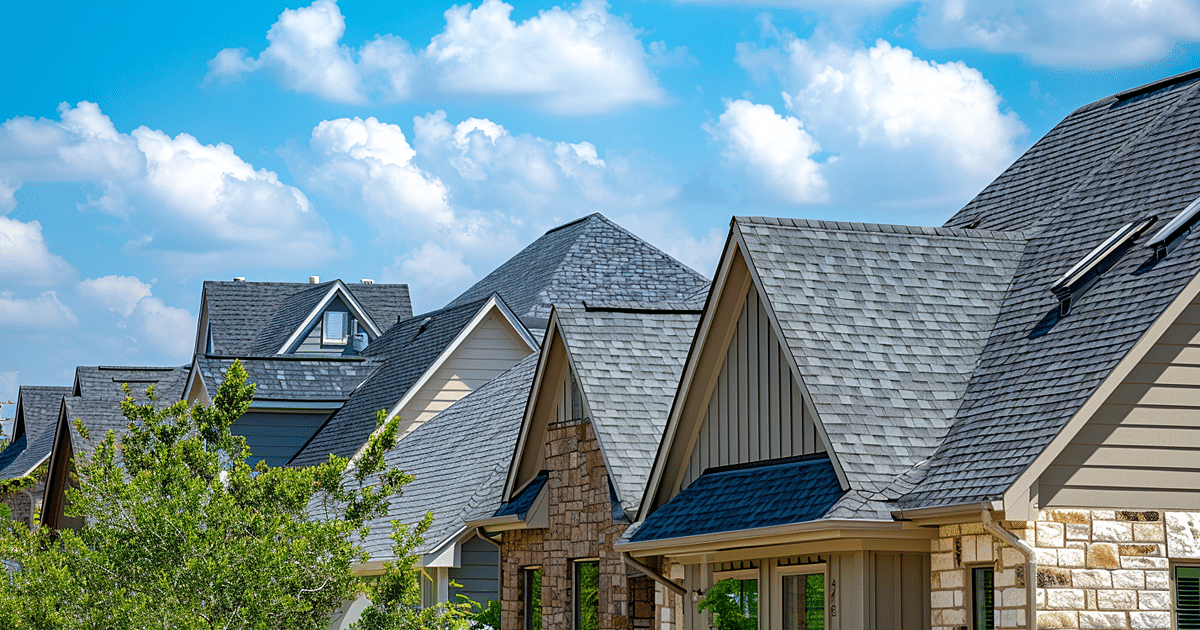
If you’ve lived in Central Texas for any length of time, you already know the drill: our roofs take a pounding. Spring hailstorms tear off granules, long heat waves warp older shingles, and sudden wind bursts peel back weak points you didn’t even know existed. Because of that, roof replacement costs in Austin have become a major conversation heading into 2026—and for good reason.
Prices look different than they did just a few years ago. Material suppliers continue adjusting costs, labor rates keep rising as Austin grows, and updated local building codes require stronger, more efficient roof systems. Add in the rising popularity of architectural shingles and metal roofing, and the total roof replacement cost today can be far from what you paid the last time you reroofed.
That’s why this breakdown exists. Whether your old roof is barely hanging on or you’re planning ahead for a major home improvement project, you deserve clear numbers and an honest look at what actually drives them. In Austin, your roof size, roof pitch, home layout, and the city’s weather patterns all shape the final price more than most homeowners expect.
If you’re dealing with storm damage, high energy bills, or just want something more durable and energy efficient, this guide explains what roof replacement in Austin really looks like in 2026—so you can budget confidently, avoid surprises, and choose the right material for your home.
Key Takeaways
- Austin homeowners typically spend $9,500–$30,000 for a full roof replacement in 2026, with labor making up about half of the total cost.
- Material prices rose 7–10% this year, with metal roofing seeing the steepest increases, especially standing seam systems.
- Roof complexity drives pricing, meaning steep pitches, skylights, chimneys, or multi-level layouts add significant labor and flashing costs.
- Austin’s market runs 15–20% higher than statewide averages due to demand, labor shortages, and stricter 2026 building codes.
- Timing matters—off-season months (January–March and October–November) typically offer the best availability and lower pricing for homeowners.
2026 Roof Replacement Cost Overview for Austin, Texas
When it comes to roof replacement costs, Austin sits in its own category. Prices here consistently run above many other parts of the state, mainly because demand never really slows down and the construction boom continues to stretch both labor and material availability.
For a typical 2,000 square foot home in Austin, most homeowners can expect $9,500–$30,000 for a full roof replacement in 2026. That range reflects the big variables—roof size, chosen materials, and how complex your roof layout is—but Austin brings a few extra cost drivers to the table. Steeper homes in West Austin, multi-level layouts, and roofs with unusual architectural features almost always require more time, more safety measures, and more materials.
Labor is now one of the biggest pieces of the puzzle. In 2026, labor costs make up roughly half of the total roof replacement cost, and Austin’s tight labor market only amplifies that. Skilled installers are in short supply, and many roofing companies are competing for the same crews. When demand stays high and the labor pool stays small, homeowner pricing rises—often showing up immediately on any roof replacement estimate.
Material pricing hasn’t settled down either. Standard asphalt shingles typically start around $4.25 per square foot installed, while premium systems—like standing seam metal roofing—can reach $14.00 per square foot once you factor in tear-off, upgraded underlayments, and the precision metalwork these roofs require. Homeowners looking for durable roofing materials that hold up to Austin’s heat and hail often lean toward metal, but the upfront investment is noticeably higher.
Permits aren’t a huge percentage of the budget, but they do matter. With Austin tightening local building codes—especially around wind ratings and ventilation—most roofing permits fall between $200–$600 depending on neighborhood and project scope.
One trend every homeowner notices: things cost more this year. Material suppliers raised prices again, pushing Austin’s average roof replacement cost 7–10% higher than 2025. That increase applies to both shingle and metal systems, with some specialty materials seeing even larger jumps. Austin’s weather patterns and nonstop construction activity continue to place the city above national cost averages.
Understanding these factors up front makes comparing bids much easier and helps you choose the right roofing material without running into unexpected costs.
Material-Specific Cost Breakdown for 2026

Material choice is where Austin homeowners see the biggest difference in roof replacement costs. Our heat, hail, and wind put real stress on every roofing system, so the type of material you choose affects durability, long-term performance, and your final price. Here’s how the most common options are shaping up in 2026.
Asphalt Shingles
- Basic 3-Tab Shingles: 3-tab shingles run $4.25–$6.50 per square foot installed, putting most 2,000 sq. ft. homes in the $8,500–$13,000 range. They’re budget-friendly, but Austin roofers rarely recommend them anymore because their wind resistance doesn’t hold up to our storm patterns.
- Architectural Shingles: Architectural shingles are the most common choice in Austin. They offer better durability, curb appeal, and storm performance. Installed pricing usually falls between $5.75–$8.25 per square foot, or $11,500–$16,500 total. With normal upkeep, the roof’s lifespan typically lasts 15–30 years.
- Premium Designer Shingles: Designer shingles cost $7.50–$10.00 per square foot installed, with total projects landing around $15,000–$20,000. These thicker, impact-rated systems handle hail better and offer improved energy efficiency—making them popular in areas where curb appeal and long-term performance matter.
Metal Roofing
Metal roofing continues to rise in popularity thanks to its longevity, wind resistance, and ability to handle Austin’s heat.
- Steel Standing Seam: Steel standing seam systems run $8.00–$12.00 per square foot installed, or $16,000–$24,000 for an average home. They’re known for excellent hail and wind resistance, especially in exposed hillsides and open-lot neighborhoods.
- Aluminum Standing Seam: Aluminum standing seam systems cost $9.50–$14.00 per square foot, landing most projects between $19,000–$28,000. Aluminum is lighter and highly corrosion-resistant, making it a smart choice near Lake Travis and other high-moisture areas.
- Metal Shingles: Metal shingles average $7.50–$11.50 per square foot, with total costs of $15,000–$23,000. They mimic traditional shingles but with better energy efficiency and a significantly longer roof’s lifespan—often 40–70 years.
Tile & Premium Roofing Materials
Premium materials offer unmatched appearance and longevity, but weight and installation complexity influence cost.
- Concrete Tile: Concrete tile runs $6.50–$10.00 per square foot, totaling $13,000–$20,000. These tiles perform extremely well in Texas heat. Some homes need structural reinforcement, which can add to the overall cost.
- Clay Tile: Clay tiles cost $8.00–$15.00 per square foot installed, or $16,000–$30,000 for most Austin homes. They’re beautiful but can crack during large hail events, so exposure matters.
- Synthetic Materials: High-performance synthetics like CeDUR fall in the $7.00–$12.00 per square foot range, bringing most projects to $14,000–$24,000. They offer the look of cedar or slate without the weight—and many advertise lifespans of 50–100 years.
| Material Type | Installed Cost per Sq. Ft. | Typical Total Cost (2,000 sq. ft.) | Lifespan | Best For |
|---|---|---|---|---|
| 3-Tab Asphalt Shingles | $4.25–$6.50 | $8,500–$13,000 | 12–20 years | Lowest upfront cost; basic installations |
| Architectural Shingles | $5.75–$8.25 | $11,500–$16,500 | 15–30 years | Most Austin homes; better wind & hail performance |
| Premium Designer Shingles (Impact Rated) | $7.50–$10.00 | $15,000–$20,000 | 20–30+ years | Hail-prone areas; curb appeal-focused neighborhoods |
| Steel Standing Seam Metal | $8.00–$12.00 | $16,000–$24,000 | 40–70 years | Maximum durability; high-wind areas; long-term value |
| Aluminum Standing Seam Metal | $9.50–$14.00 | $19,000–$28,000 | 40–70 years | Homes near Lake Travis or high moisture zones |
| Metal Shingles | $7.50–$11.50 | $15,000–$23,000 | 40–70 years | Wanting metal durability with traditional shingle look |
| Concrete Tile | $6.50–$10.00 | $13,000–$20,000 | 30–50 years | Heat-heavy areas; high-end homes needing longevity |
| Clay Tile | $8.00–$15.00 | $16,000–$30,000 | 40–80 years | Premium aesthetics; Mediterranean or Spanish-style homes |
| Synthetic Roofing (CeDUR, Brava, DaVinci) | $7.00–$12.00 | $14,000–$24,000 | 50–100 years | Lightweight alternatives to cedar, slate, or tile |
Regional Cost Variations in 2026: How Austin Compares
Even if your project is in Austin, it helps to understand why bids here look different from other parts of Texas. Your roof replacement estimate is shaped not just by materials and design but by the local labor market and weather patterns that affect demand.
Austin consistently sits 15–20% above the statewide average in 2026. Rapid population growth, ongoing construction, and limited skilled labor drive pricing higher year-round. Many homeowners also choose upgraded underlayments, solar-ready layouts, or more energy efficient materials, which raises the overall investment but improves long-term performance in Austin’s heat.
Compared to nearby regions:
- San Antonio often comes in slightly lower thanks to easier scheduling and fewer seasonal backlogs.
- Hill Country and rural areas may offer lower labor costs but often have fewer contractors, meaning longer wait times or added travel fees—especially for premium systems like metal roofing or tile.
- Coastal regions tend to run higher due to hurricane-rated materials and stricter building codes, adding anywhere from $1,500–$3,500 to a typical project.
Seeing where Austin sits in the broader picture helps explain why local bids trend higher—and why those numbers likely won’t drop anytime soon.
Key Factors Driving 2026 Roof Replacement Costs in Austin, Texas
Austin’s roofing prices continue climbing in 2026, driven by three major forces: labor shortages, material inflation, and the unique roof designs common across the city.
Labor Market Conditions
Skilled roofing labor is harder to secure than ever. Installers now earn $45–$75 per hour, and lingering storm backlogs from 2024–2025 still affect scheduling. During peak months (April–September), homeowners often face 4–8 week waits, especially for steep roofs or homes with complex roof design features. Insurance-related work adds even more time for documentation and inspections, pushing labor costs upward.
Material Price Inflation
Material prices rise again in 2026:
- Asphalt shingles increased 8–10%.
- Metal roofing rose 12–15%, with standing seam seeing the biggest jump.
- Underlayments, fasteners, and ventilation components climbed 6–8%.
Delivery fees also increased, adding $200–$500 to most Austin projects, with higher charges for homes outside the metro.
Roof Complexity and Home Features
Your roof’s layout plays a major role in your total roof replacement cost:
- Steep slopes (8/12+) add 20–30% to labor due to safety requirements.
- Skylights, chimneys, valleys, dormers, and solar systems add $500–$2,000 each because of custom flashing work.
- Tear-off is required on most Austin homes and now costs $1.50–$3.25 per square foot.
- Decking repairs discovered during tear-off can add $1,200–$4,500, especially in older neighborhoods or homes with long-term leaks.
These combined factors explain why Austin’s roof replacement costs remain higher than most homeowners expect going into 2026.
Cost-Saving Strategies for Your 2026 Roof Replacement in Austin
Even with rising pricing in 2026, Austin homeowners still have several ways to keep roof replacement costs under control—without cutting corners or sacrificing material quality.
Choose the Right Time of Year
Timing matters. Austin’s off-peak months—January through March and October through November—tend to offer the best pricing. Crews have more availability, weather is milder, and many contractors reduce labor costs by 10–15% to stay busy.
Bundle Exterior Projects
If your home needs gutters, siding work, or exterior painting, bundling them with your roofing project can lower labor mobilization costs. Many local roofing companies offer package pricing when multiple services are handled at once.
Watch for Material Promotions
Manufacturers typically run promotions in February and August, offering rebates, extended warranties, or discounts on premium energy efficient materials. These deals can offset some of 2026’s price increases—especially for homeowners considering metal roofing or designer shingles.
Get Multiple Written Estimates
Collecting 4–5 detailed quotes helps you compare labor, tear-off costs, and material pricing. Be cautious of unusually low bids; they often signal cheaper materials, lack of insurance, or rushed workmanship.
Use Modern Financing Options
Many contractors now offer 0% promotional financing for 12–24 months. Homeowners with larger projects may find better long-term rates using home equity loans. Financing can make durable upgrades—like better underlayments or improved ventilation—more accessible.
Extend the Life of Your Current Roof
Good maintenance is still the cheapest strategy. Annual inspections, quick repairs to lifted shingles or flashing, and proper attic ventilation can slow deterioration and delay the need for replacement—valuable in a year when replacement costs in Texas continue climbing.
Repair vs. Replacement Decision Making in 2026

Deciding whether to repair or fully replace your roof isn’t always straightforward, especially with 2026 pricing. The right choice depends on damage severity, roof age, long-term costs, and how your roof performs during Austin’s heat and storm seasons.
When Repairs Make Sense
Small, isolated issues—like a few missing shingles or a localized leak—typically fall in the $500–$3,500 range. If your roof is relatively young and the damage is limited, repairs are often the most cost-effective solution.
When Replacement Is the Better Investment
A common rule of thumb: if repairs exceed 30% of your full replacement cost, replacement becomes the smarter long-term choice.
For example:
If repairs cost $4,000 and a full replacement is $14,000, replacement delivers better value and avoids repeat repair cycles.
Roof age is another key factor. Roofs nearing 18–20 years—especially those with multiple prior repairs—often no longer justify patchwork fixes. Older shingles, brittle materials, and hidden damage can make ongoing repairs unreliable.
Insurance adjusters increasingly recommend replacement when storm damage affects large sections of the roof. Modern roofing materials and updated installation practices generally perform better than older systems, making replacement more worthwhile in severe-damage situations.
Energy Efficiency Benefits
A new roof can lower energy costs significantly. Modern shingles, improved ventilation, reflective materials, and upgraded underlayments help reduce attic heat, leading to better indoor comfort and lower cooling bills during Austin’s long summers. Over 10–15 years, those energy savings help offset part of the replacement investment.
Texas Building Codes and Austin Permit Requirements for 2026
Updated 2026 building codes directly influence roof replacement costs in Austin, especially as wind, hail, and ventilation standards continue to rise.
Wind & Impact Requirements
Austin now requires roofing systems rated for 110 mph or higher, pushing many homes toward architectural shingles, impact-rated shingles, or standing-seam metal. With Austin’s hail history, Class 3 and Class 4 impact-rated materials are increasingly becoming the standard, offering better durability and fewer emergency repairs—even if they cost more upfront.
Fire Ratings in Wildfire Zones
Homes in wildfire-risk areas around Dripping Springs, Bee Cave, and Spicewood must use Class A fire-rated roofing materials. Most shingle and metal systems qualify, though some tile and synthetic products may need additional underlayment to stay compliant.
Permits & Inspections
Most Austin roofing permits fall between $200–$600, with processing times of 3–7 business days. Inspections typically include decking (if repairs are needed), underlayment, and a final roof inspection—adding accountability and ensuring compliance with updated codes.
Ventilation Upgrades
One of the largest 2026 code changes involves enhanced attic ventilation. Meeting these new requirements usually adds $500–$1,500 to a project, but it improves energy efficiency, reduces attic heat, and helps extend your roof’s lifespan—important benefits in Austin’s climate.
Selecting the Right Roofing Contractor in 2026
Choosing the right contractor can make or break your roof replacement. Licensing, insurance, workmanship, and communication matter just as much as the materials you pick—especially with Austin’s updated building codes and higher 2026 labor rates.
Start with credentials. Any contractor you consider should hold proper Texas licensing and stay current with code changes. Ja-Mar Roofing & Sheet Metal has maintained those standards for decades, making them one of the most trusted names in Austin.
Verify insurance. Homeowners should request liability and workers’ compensation documents directly from the insurer. Ja-Mar Roofing & Sheet Metal provides these without hesitation, so you know your home and the crew are fully protected.
Check recent reviews and references. The most accurate picture of a roofer’s quality comes from projects completed in the last year. Ja-Mar Roofing & Sheet Metal’s customers consistently highlight communication, cleanliness, and reliable workmanship—key factors when you’re investing in a full roof replacement.
Look for manufacturer certifications. Certified contractors receive specialized training and can offer upgraded warranties. Ja-Mar Roofing & Sheet Metal holds top-tier certifications that only a small percentage of roofing companies ever achieve.
Insist on a detailed written contract. It should outline materials, timeline, ventilation requirements, and warranty coverage. Ja-Mar Roofing & Sheet Metal’s proposals are clear and thorough, helping homeowners understand exactly what they’re getting before work begins.
This combination of experience, transparency, and proper credentials is why so many Austin homeowners choosing a roof replacement in 2026 end up selecting Ja-Mar Roofing & Sheet Metal.
Insurance and Financing Considerations for 2026
Storm damage claims in Austin typically qualify for full replacement when more than 25% of the roof is affected, but insurers have tightened their requirements. Homeowners now need clear photo documentation and a professional inspection report before most carriers will approve a claim. With Austin’s frequent hail and wind events, this documentation has become critical.
Code upgrade coverage is increasingly valuable in 2026. Austin’s enhanced wind, impact, and ventilation standards often require materials or installation methods that weren’t part of a home’s original construction. Without upgrade coverage, homeowners may have to pay the difference out of pocket.
Accurate documentation remains essential. Many local Austin roofing companies offer free inspections to help homeowners verify storm damage, gather photos, and confirm whether the roof meets insurance criteria. This step can speed up approvals and reduce the risk of underpayment.
Financing options have also expanded. Austin contractors commonly offer 0% promotional financing for 12–24 months or extended fixed-rate plans up to 10 years, making premium materials—like impact-rated shingles or metal systems—more accessible for homeowners managing rising replacement costs.
For larger projects, home equity loans often provide the lowest long-term interest rates, especially for homeowners with established equity. These loans usually offer better terms than contractor financing when replacing an entire roof.
Manufacturers continue to offer early-season incentives as well. Some Austin homeowners can qualify for rebates up to $500, extended warranties, or discounted pricing on select materials, helping offset increasing 2026 material costs.
Frequently Asked Questions
How long does a roof replacement take in Austin?
Most Austin roof replacements take 1–3 days, depending on roof size, material choice, and complexity. A typical 2,000 sq. ft. home with architectural shingles usually takes about two days. Steeper roofs, skylights, or multiple valleys may extend installation to 4–5 days. Austin’s storm season (May–September) can introduce weather delays, and city permits usually add 3–7 business days before work can begin.
What’s the best time of year to replace a roof in Austin?
The most cost-effective months are October through March. Cooler weather, fewer storms, and lower demand help reduce labor costs and speed up scheduling. January and February often offer the best pricing. Homeowners should avoid May–September when heat, humidity, and severe weather push demand and pricing upward.
Do Austin homes require special roofing materials?
Yes. Austin’s heat, hail, and wind exposure call for stronger materials and installation methods. Homeowners commonly choose:
- Class 3 or Class 4 impact-rated shingles
- Installations rated for 110+ mph winds
- Reflective or “cool roof” materials to lower attic temperatures
- High-performance underlayments for better moisture protection
These upgrades improve durability, energy efficiency, and long-term performance in Austin’s climate.
How do I know if my Austin roof needs repairs or a full replacement?
A full replacement is often recommended when:
- Damage is widespread or affects multiple sections
- Leaks or attic moisture continue despite repairs
- Repairs exceed 30% of replacement cost
- The roof is 18–20+ years old or showing advanced wear
A professional inspection gives the clearest picture of remaining lifespan and whether repairs will hold up under Austin’s weather conditions.
Will a new roof increase my home’s value in Austin?
Yes. In Austin’s competitive housing market, a new roof typically delivers a strong return, often 60–70% or higher with premium materials. Buyers value energy-efficient systems, impact-rated shingles, and transferable warranties, all of which make your home more appealing and reduce future maintenance concerns.
Why does hail damage raise roof replacement costs so much in Austin?
Hail doesn’t just damage shingles on the surface. It often bruises the mat underneath, weakens fasteners, and shortens the roof’s remaining lifespan. Even when damage looks minor, insurance and code requirements may force full replacement to ensure long-term performance.
Are impact-rated shingles worth the extra cost in Austin?
For many homeowners, yes. Class 3 and Class 4 impact-rated shingles cost more upfront, but they resist hail better, last longer, and may qualify for insurance premium discounts. In hail-prone areas of Central Texas, they often reduce long-term repair costs.
Why do West Austin homes tend to have higher roof replacement prices?
Homes in West Austin frequently have steeper pitches, multi-level layouts, and complex rooflines. These features increase labor time, safety requirements, and flashing work, all of which raise total project costs compared to flatter, simpler roofs.
How much do steep roof pitches increase costs in Austin?
Steep roofs often add 20–30% to labor costs. Crews must use harnesses, roof jacks, and slower installation methods to work safely, which directly affects pricing.
Does Austin’s heat affect roof lifespan and replacement timing?
Yes. Prolonged heat accelerates shingle aging, causes thermal expansion, and stresses underlayments. Roofs in Austin often reach replacement age sooner than the manufacturer’s stated lifespan, especially without proper attic ventilation.
Why is ventilation such a big deal in Austin roof replacements?
Poor ventilation traps heat in the attic, baking shingles from underneath and driving up energy bills. Austin’s 2026 code updates require improved airflow, which adds cost but helps roofs last longer and improves indoor comfort.
Do metal roofs really save money in Austin over time?
While metal roofs cost more upfront, they often last two to three times longer than asphalt shingles. They reflect heat better, reduce cooling costs, and typically need fewer repairs after hail or wind events.
How much does solar readiness add to a roof replacement?
Designing a roof to be solar-ready typically adds $500–$1,500, depending on material choice and layout. This includes reinforced attachment points and flashing considerations that prevent future leaks when panels are installed.
Why do some Austin roof quotes include higher tear-off costs?
Many Austin homes have multiple layers of old roofing or heavier materials. Removing extra layers increases labor time, disposal weight, and dump fees, which drives tear-off pricing higher.
Are older Austin homes more expensive to reroof?
Often, yes. Older homes frequently have decking damage, outdated ventilation, or structural issues uncovered during tear-off. These repairs add to the total cost but are necessary for code compliance and long-term roof performance.
Does choosing a lighter-colored roof really help with energy bills?
Lighter or reflective roofing materials reduce heat absorption, which lowers attic temperatures and eases HVAC strain. In Austin’s climate, this can noticeably reduce summer cooling costs.
Why do Austin roofing prices change so quickly year to year?
Rapid population growth, frequent storms, labor shortages, and rising material costs all contribute. Austin’s roofing market reacts faster than many other cities, making 7–10% annual increases common heading into 2026.
Contents
- 2026 Roof Replacement Cost Overview for Austin, Texas
- Material-Specific Cost Breakdown for 2026
- Regional Cost Variations in 2026: How Austin Compares
- Key Factors Driving 2026 Roof Replacement Costs in Austin, Texas
- Cost-Saving Strategies for Your 2026 Roof Replacement in Austin
- Repair vs. Replacement Decision Making in 2026
- Texas Building Codes and Austin Permit Requirements for 2026
- Selecting the Right Roofing Contractor in 2026
- Insurance and Financing Considerations for 2026
- Frequently Asked Questions

