
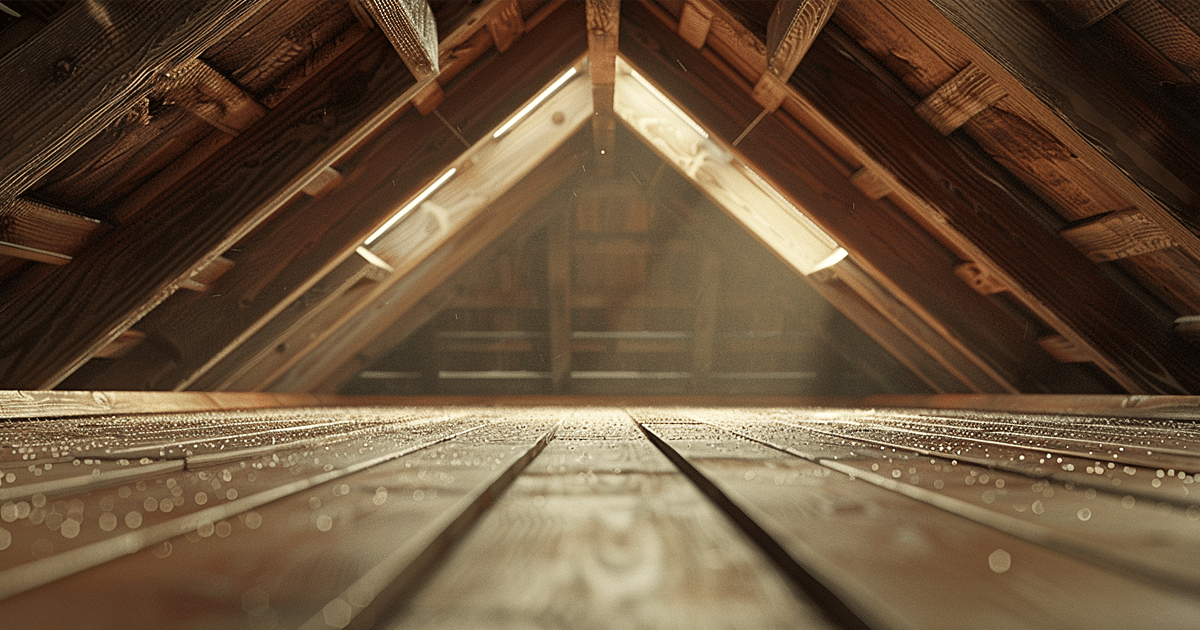
Most homeowners don’t realize how attic condensation impacts roof health until the damage is already underway. In Central Texas, moisture problems often start quietly, building up inside the attic long before a ceiling stain or leak gives anything away. Warm, humid air from everyday life—showers, cooking, even running the dishwasher—rises into the attic and condenses on cooler roof surfaces. That moisture doesn’t drip right away. It soaks, spreads, and slowly works against the roof system from the inside out.
This issue shows up a lot in places like Austin, Round Rock, San Marcos, and nearby communities, where long hot summers, mild winters, and sudden temperature swings are part of the norm. You can go weeks without rain and still end up with wet roof decking, rusted nails, or insulation that’s quietly losing its effectiveness. Because condensation doesn’t follow the same patterns as a traditional roof leak, it’s often misdiagnosed—or missed entirely.
Understanding what’s happening in your attic is one of the most overlooked parts of protecting a roof in Central Texas. This guide breaks down why attic condensation happens here, how it damages roofs over time, what warning signs to watch for, and what actually fixes the problem instead of just covering it up.
Key Takeaways
- Central Texas attics frequently trap moisture from everyday activities like showering and cooking, leading to condensation that silently damages roofs from the inside out.
- Condensation problems are especially common in Austin, San Marcos, Round Rock, and surrounding areas due to hot summers, mild winters, and dramatic humidity swings throughout the year.
- Left unchecked, attic condensation can cause wood rot in roof decking, shorten shingle life by several years, and drive up energy bills as wet insulation loses its effectiveness. If you want to waterproof and protect your roof, following proper steps can help minimize these risks.
- Early warning signs include musty smells upstairs, rusted nails visible in the attic, damp or matted insulation, and wintertime “sweating” on the underside of roof decking.
- Balanced attic ventilation, proper insulation levels, and sealing interior air leaks are the most effective long-term fixes—often confirmed through a professional roof or attic inspection.
How Central Texas Climate Drives Attic Condensation
Central Texas weather creates a unique combination of conditions that make attic moisture problems more common than many homeowners realize. Cities like Austin, Georgetown, and New Braunfels experience intense summer heat, relatively mild but unpredictable winters, and humidity levels that swing dramatically with passing weather fronts. These conditions set the stage for condensation to form repeatedly in attic spaces, even in homes that appear perfectly sealed from the outside.
During the hot, humid months from May through September, daytime highs regularly reach 95–105°F. Warm air from the living space rises into the attic throughout the day, carrying moisture from cooking, bathing, and daily activities. When the sun sets and outdoor temperatures drop, roof components cool faster than the humid air trapped inside. The result is moisture condenses on the cooler surfaces of roof decking and metal fasteners.
The “winter” months bring their own challenges. December through February often see temperature swings of 30–40°F in a single day. A cold front can push overnight lows into the 30s just hours after an afternoon in the 60s. When warm moist air from a heated home meets a cold attic, water droplets form on roof sheathing—even though no rain has fallen for weeks.
This is a key distinction many homeowners miss: attic leaks and roof leaks are not the same thing. Your attic can be wet from condensation even after a month without storms. The moisture comes from inside the home, not from failed shingles or flashing.
Consider a 1990s-era home in Round Rock with a dark shingle roof and soffit vents that have been painted over or blocked by insulation. During a January cold snap, the homeowner notices water stains on an upstairs ceiling. There’s no storm damage, no missing shingles—just warm interior air meeting a roof deck that dropped below 40°F overnight.
What Is Attic Condensation (and How It Differs from a Roof Leak)?
Attic condensation is water that forms when warm, moisture laden air from the living space contacts cooler surfaces in the attic. Think of it like a cold water bottle on a hot Texas afternoon—the bottle itself isn’t leaking, but water beads up on the outside as humid air cools against the cold surface.
In Central Texas homes, condensation commonly appears on these surfaces:
- Underside of OSB or plywood roof decking – the most frequent location
- Roofing nails – metal fasteners cool quickly and “sweat” first
- Metal HVAC ductwork – especially when cold air runs through them during humid conditions
- Bathroom vent lines – if they terminate in or near the attic
The differences between condensation and a roof leak become clearer when you know what to look for:
| Characteristic | Condensation | Roof Leak |
|---|---|---|
| Timing | Overnight or during cold snaps | During or after rain events |
| Pattern | Widespread “sweating” across surfaces | Concentrated drip paths or stains |
| Roof condition | No missing shingles or storm damage | Often shows visible damage above |
| Location | Often at roof peak or over bathrooms | Typically at valleys, penetrations, or flashing |
Both problems can occur together, which is why a professional inspection is valuable for confirming exactly what’s happening in your attic. A roofing contractor experienced with Central Texas homes can distinguish between water entering from above versus moisture forming from below.

How Attic Condensation Damages Your Roof in Central Texas
Even relatively new roofs—including those installed after the 2016 hailstorms that prompted widespread re-roofing across the Austin metro—can develop serious problems from persistent condensation. The damage happens gradually, often invisible from ground level until costly repairs become unavoidable.
Roof Decking Deterioration
Most Central Texas homes, especially tract homes built between 1995 and 2020, use OSB (oriented strand board) or plywood for roof decking. These materials are strong when dry but vulnerable to moisture cycling. When condensation repeatedly wets and dries the decking:
- OSB can swell, delaminate, and become soft or spongy
- Plywood may warp and lose its ability to hold fasteners
- The structural integrity of the entire roof system weakens over time
In severe cases, damp wood leads to complete deck replacement during what would otherwise be a straightforward roof replacement.
Accelerated Shingle Aging
Trapped moisture attacks asphalt shingles from below, causing damage that roofing materials weren’t designed to resist. Common 20–30 year rated shingles may experience:
- Premature granule loss
- Curling and cupping at edges
- Blistering and cracking
This shingle damage often appears years before the expected roof’s lifespan ends, leaving homeowners confused about why a “10-year-old roof” is already failing.
Structural and Safety Concerns
Prolonged moisture exposure creates more serious problems:
- Rotted rafters and trusses – weakened framing members that support the entire roof structure
- Popped nails – fasteners work loose from softened decking, creating paths for water intrusion
- Sagging roof lines – visible from outside as the deck loses rigidity
- Ceiling cracks – stress transferred to ceiling drywall in rooms below
Insulation and Energy Impact
Wet insulation—whether fiberglass batts or blown-in cellulose—loses significant R-value. In a Central Texas summer, this means: Homeowners should also beware of predatory roofers after severe storms to protect themselves during repairs.
- Your air conditioning system runs longer to maintain comfort
- Energy bills climb steadily higher
- The HVAC system works harder and may wear out faster
One Austin-area contractor notes that cellulose insulation has a strong tendency to soak up water and hold it, becoming saturated and ineffective while adding dangerous weight to ceiling structures such as insulation.
Secondary Damage
- Rusted metal roof fasteners lose holding strength
- HVAC components in the attic corrode
- Mold growth spreads in dark, poorly ventilated corners
Early Warning Signs of Attic Condensation Problems
Condensation issues typically start subtly, giving observant homeowners a chance to catch problems before roof damage becomes severe or ceiling leaks develop. Knowing what to look for—and when—can save thousands in costly repairs.
Visible Signs in the Attic
For facility managers concerned about roof condition, reviewing these industrial roof maintenance tips can help identify issues before they become costly problems.
During your next attic inspection, look for:
- Dark stains on decking – “coffee-colored” rings or widespread discoloration on the underside of roof sheathing
- Rust streaks on nails – roofing nails that show orange or brown corrosion
- Damp or matted insulation – areas where insulation appears compressed, clumped, or darker than surrounding material
- Mold and mildew growth – black or green patches on rafters, sheathing, or near vent penetrations
Indoor Signs
Some warning signs appear inside the living space:
- Musty odors upstairs, especially in rooms directly below the attic
- Unexplained ceiling spots that appear after cold nights (not rain events)
- Peeling paint or bubbling texture on ceilings near bathrooms or the attic access
Seasonal Clues
If you’re noticing seasonal changes or signs of damage on your roof, consider getting a free roof inspection estimate to ensure your home’s safety and integrity.
Central Texas condensation problems often become most visible during specific conditions:
- Cold January mornings after overnight lows drop into the 30s
- Spring temperature swings when rainy fronts push through
- Any time outdoor temperatures change rapidly while indoor conditions stay stable
Tip: Safely check your attic during both a cold morning and a warm afternoon. Use a flashlight to examine the underside of the roof deck and photograph any suspicious areas. These photos help you track changes over time and provide valuable documentation if you need to show a contractor.
Common Sources of Moisture Feeding Attic Condensation
Condensation in Central Texas attics usually results from interior moisture escaping into the attic space—not from outdoor humidity alone. Understanding where this moisture originates helps target the most effective fixes.
Exhaust Fans Venting Into the Attic – If you suspect this issue has caused damage to your roof, it’s important to seek trusted Austin roof repair services to assess and resolve any potential problems quickly.
Bathroom exhaust fans are frequent culprits, especially in older Central Texas homes built before stricter codes took effect in the early 2000s. Instead of venting to the exterior, many terminate:
- Directly into the attic space
- Short of a proper roof cap
- Into flexible duct that has disconnected over time
Each hot shower sends a plume of humid air straight into the attic.
Kitchen and Laundry Moisture
Other appliances contribute to attic moisture problems:
- Kitchen range hoods that vent upward but don’t reach the exterior
- Clothes dryers with disconnected or damaged vent runs
- Whole-house fans that dump warm, moist air into the attic (which can lead to roofing problems)
In a typical 1980s Austin home layout, the laundry room sits in an interior hallway with a dryer vent that snakes through the attic before exiting through a roof cap. If that flexible duct separates at a joint—common after decades of use—every dryer load adds moisture directly to the attic.
Air Leaks from the Living Space
Warm air naturally rises, and any gap between conditioned space and the attic becomes a pathway for moist air:
- Unsealed attic hatches – often lacking weatherstripping
- Recessed light fixtures – older can lights allow significant air movement
- Plumbing penetrations – gaps around pipes and vents
- Unsealed top plates – framing gaps at wall tops that connect to attic space
HVAC Equipment and Ductwork
Metal ductwork and HVAC equipment in the attic create cold surfaces when the air conditioning runs. In humid conditions, these surfaces “sweat” just like that cold water bottle, adding water to the attic environment even without any exterior leak.
Everyday Activities
Normal household activities increase indoor moisture levels:
- Showers and baths
- Cooking (especially boiling water)
- Indoor plants
- Drying laundry inside during rainy periods
When too much humidity builds up indoors and poor airflow prevents it from escaping properly, it finds its way into the attic.
The Role of Ventilation and Insulation in Central Texas Attics
A properly designed attic ventilation system moves fresh air through the attic while keeping moisture and heat buildup under control. In the Central Texas climate zone, this balance directly affects roof health, energy efficiency, and the prevention of condensation damage.
How Balanced Ventilation Works
Proper attic ventilation requires both intake and exhaust working together:
- Intake vents (typically soffit vents at the eaves) allow cool, dry outdoor air to enter low in the attic
- Exhaust vents (ridge vents, gable vents, or powered vents at or near the roof peak) allow hot air and moisture to escape
- Proper airflow creates continuous air movement that carries humidity out before it can condense
When ventilation helps protect the attic this way, moisture rarely accumulates long enough to cause damage.
Common Vent Setups in Central Texas Homes and Causes of Roof Damage
Local housing stock varies significantly:
| Home Era | Typical Ventilation Setup |
|---|---|
| 1960s–1990s | Gable vents or box vents, often with limited soffit intake |
| 2000s | Mix of ridge vents and box vents, improved soffit coverage |
| Post-2010 | Continuous soffit vents paired with ridge vents on most subdivisions |
When Ventilation Goes Wrong
Poor ventilation creates trapped heat and moisture that damage roofing materials from the inside. Common problems include:
- Blocked vents – soffit vents covered by blown-in insulation or painted shut
- Undersized intake – not enough soffit area relative to ridge exhaust
- Imbalanced systems – excessive exhaust without adequate intake pulls conditioned air from the house
- Dead zones – areas of the attic with no air movement where mold thrives
A poorly ventilated attic can reach extreme heat levels in summer (150°F or higher) and hold humidity that would otherwise escape through a balanced ventilation system.
Insulation’s Role in Moisture Control
Adequate insulation creates a thermal boundary between the living space and attic. For Central Texas, most professionals recommend around R-38 insulation coverage. When insulation is thin, uneven, or improperly installed:
- Heat transfer increases between living space and attic
- Temperature differences become more extreme
- Condensation risk rises as warm interior air reaches cold surfaces
However, insulation must be installed correctly. Batts stuffed tightly into eaves can block soffit vents, turning a ventilation system into a moisture trap. Baffles at the eaves keep insulation from blocking proper airflow while maintaining insulation coverage.
Radiant Barriers
Many Central Texas roofs include radiant barrier decking or foil to reduce heat transfer from the hot roof surface. While these products effectively reduce attic temperatures and help with energy costs, they do not replace proper ventilation and moisture control. A radiant barrier in a poorly ventilated attic still allows condensation to form.
Preventing and Fixing Attic Condensation in Central Texas Homes
Preventing condensation problems is almost always less expensive than repairing the resulting rot, mold, and premature roof failure. A systematic approach addresses the root causes rather than just treating symptoms.
Seal Air Leaks Between Living Space and Attic
Reducing the amount of moist air that reaches the attic is the first priority:
- Caulk and foam-seal penetrations around plumbing vents, electrical wires, and HVAC lines
- Add weatherstripping to attic access doors and pull-down stair frames
- Install air-sealing covers over recessed lights (use IC-rated covers that can contact insulation)
- Seal top plates where interior walls meet the attic floor
Correct Exhaust Venting
Ensure all exhaust fans and dryers vent directly outdoors:
- Reroute bathroom fans through the roof with proper roof caps
- Replace flexible duct with rigid or semi-rigid duct where possible
- Insulate vent runs to prevent condensation inside the duct
- Verify tight connections at all joints
Improve Attic Ventilation
Address ventilation issues systematically:
- Clear blocked soffit vents (remove paint, debris, or insulation coverage)
- Add intake vents if current soffit area is insufficient
- Upgrade to continuous ridge vents for more even exhaust
- Consider additional box vents or turbine vents where ridge venting isn’t practical
- Avoid adding powered vents unless air sealing is complete (otherwise they can pull conditioned air into the attic)
Upgrade Insulation
Bring insulation to recommended levels for Central Texas:
- Add blown-in fiberglass or cellulose to reach approximately R-38
- Install baffles at eaves to maintain clear airflow paths from soffit vents
- Remove and replace any moldy, wet insulation, or saturated material
- Ensure even insulation coverage without gaps or thin spots
When Standard Solutions Aren’t Enough
Some attics present complex challenges:
- Low-slope roofs with minimal ventilation space
- Complex framing that creates hard-to-ventilate pockets
- Historically problematic attic assemblies
In these cases, a roofing or insulation professional may recommend sealed spray-foam assemblies that bring the roof deck inside the thermal envelope. These solutions require careful design for the Central Texas code climate zone and aren’t appropriate for every situation.
When to Call a Central Texas Roofing or Attic Specialist
While some air sealing tasks and visual inspections are DIY-friendly, persistent condensation and visible damage warrant professional expertise. Knowing when to call for help protects your home and can prevent small problems from becoming major expenses.
Situations That Require Professional Help—For example, if you want to use your roof to cool your home, consulting an expert can help you choose the right materials and solutions.
Contact a roofing contractor or attic specialist when you observe:
- Sagging or soft roof decking visible from inside the attic
- Repeated ceiling staining that returns after repairs
- Visible mold on rafters, sheathing, or insulation
- Rusted fasteners over large areas of the attic
- Musty odors that persist despite cleaning attempts
- Any structural concerns about roof damage or stability
Timing Your Inspections
Central Texas homeowners benefit from scheduling routine roof inspections at strategic times:
- Early spring – before storm season brings hail and high winds
- Early fall – before peak heating and cooling use stresses the system
- After major weather events – especially following temperature extremes or severe storms
What a Professional Inspection Includes
A reputable local roofing or restoration company will typically evaluate:
- Attic humidity levels and moisture readings
- Ventilation balance (intake versus exhaust capacity)
- Exhaust vent terminations and connections
- Insulation depth, condition, and coverage
- Structural concerns including decking condition and fastener integrity
- Evidence of past or active water intrusion
Getting the Most from Your Inspection
When working with professionals:
- Ask for photos or video documentation from the attic
- Request specific findings related to condensation, not just roof surface condition
- Compare quotes that address ventilation and insulation—not just shingle replacement
- Verify that proposed solutions match the underlying problems identified
Addressing condensation proactively can extend your roof’s lifespan by many years. It may also help preserve manufacturer warranties, which often require proper attic ventilation as a condition of coverage. For Austin homeowners and those throughout Central Texas, this preventive approach protects your home while avoiding the expense and disruption of a full roof replacement before it’s truly needed.
FAQ: Attic Condensation and Roof Health in Central Texas
Can attic condensation really cause roof leaks in a home that’s less than 10 years old?
Yes, even roofs installed around 2016–2020 can develop leaks if condensation repeatedly soaks decking and fasteners. Over several years of moisture cycling, OSB panels can warp, nails can pop loose from softened wood, and shingles can lose their secure attachment from below. This is especially common in fast-built subdivisions around Austin, Kyle, and Cedar Park where ventilation design sometimes received less attention than it should have. The roof surface may look fine from the ground while the underlying deck structure deteriorates.
Is a dehumidifier in the attic a good solution for Central Texas homes?
Dehumidifiers are sometimes used as a temporary aid while addressing root causes, but they’re not a substitute for fixing the real problems. A dehumidifier running in a hot attic adds heat to an already extreme environment, requires electrical supply, needs safe drainage, and does nothing to address poor ventilation, misrouted exhaust fans, or air leaks from the living space. Fix the underlying issues first, then evaluate whether supplemental dehumidification is still needed.
How often should I check my attic for condensation issues?
Inspect your attic visually at least twice per year. The best times are during a cold snap (usually December through February in Central Texas) and during peak summer heat. Also check after major weather events, especially rapid temperature swings or extended humid periods. Look for damp spots on decking, rust on nail heads, musty odors, and any discoloration or staining that wasn’t present before. Photographing the same areas over time helps you spot gradual changes.
Will more attic vents always solve my condensation problem?
Not necessarily. Simply adding more exhaust vents without adequate soffit intake can actually make airflow worse. Exhaust vents without balanced intake may pull conditioned indoor air through ceiling leaks instead of drawing in outdoor air. The result can be more humid air entering the attic, not less. A balanced system with adequate intake, proper exhaust, and a sealed ceiling plane works together. This is why professional design is often recommended for persistent condensation problems.
Are there building code requirements in Central Texas related to attic ventilation and moisture control?
Most Central Texas municipalities follow versions of the International Residential Code (IRC), which specifies minimum net free vent area for attics based on attic square footage. The code also requires bathroom exhaust fans and dryer vents to terminate outdoors rather than into the attic. Specific requirements can vary by city or county, and local codes are updated periodically. A local roofing contractor or building inspector can reference the current code applicable to your area and confirm whether your attic meets minimum standards.
Contents
- How Central Texas Climate Drives Attic Condensation
- What Is Attic Condensation (and How It Differs from a Roof Leak)?
- How Attic Condensation Damages Your Roof in Central Texas
- Early Warning Signs of Attic Condensation Problems
- Common Sources of Moisture Feeding Attic Condensation
- The Role of Ventilation and Insulation in Central Texas Attics
- Preventing and Fixing Attic Condensation in Central Texas Homes
- When to Call a Central Texas Roofing or Attic Specialist
- FAQ: Attic Condensation and Roof Health in Central Texas

