
Most homeowners think about shingles when they think about roof protection. Maybe flashing. Maybe ventilation. The Role of Gutters in roof longevity is usually overlooked, even though your gutter system plays a direct part in protecting roofing materials, managing water runoff, and preserving the overall health of your home.
That’s where problems start.
The role of gutters in roof longevity is more significant than most people realize. A properly designed gutter system protects your roofing system from chronic water exposure, reduces the risk of structural damage, and helps extend roof lifespan.
This article explains how gutters protect your roof, how clogged gutters contribute to roof damage, what regular gutter maintenance actually involves, and how all of it ties directly to the longevity of your roof. The goal is simple. Help you avoid costly repairs and protect your home with practical, real-world guidance.
Key Takeaways
- The Role of Gutters in roof longevity centers on controlling water runoff.
- Clogged gutters contribute to roof damage, structural damage, and mold growth.
- Properly functioning gutters ensure proper drainage and protect roof decking.
- Regular gutter maintenance helps extend roof lifespan and reduce costly repairs.
- Downspouts must extend water away from your roof and your home’s foundation.
- Annual professional inspection helps maintain optimal roof health.
Why Proper Gutters Matter for the Roof’s Lifespan
A proper gutter system collects rainwater at the roof edge and directs it safely away from your roof and your home’s foundation. That controlled movement of water protects roofing materials from repeated saturation.
Roofing materials are built to shed water, not hold it. When gutters are clogged or improperly installed, water can pool along the roof edge. Over time, that moisture works beneath shingles, saturates underlayment, and weakens roof decking.
Proper drainage reduces stress on your roofing system. It protects fascia boards and soffits, prevents excess moisture from entering attic spaces, and helps preserve the structural integrity of the roof structure.
When homeowners overlook gutters, they often shorten roof life without realizing it.
How Gutters Protect Roofs From Water Damage
Channeling Rainwater Away
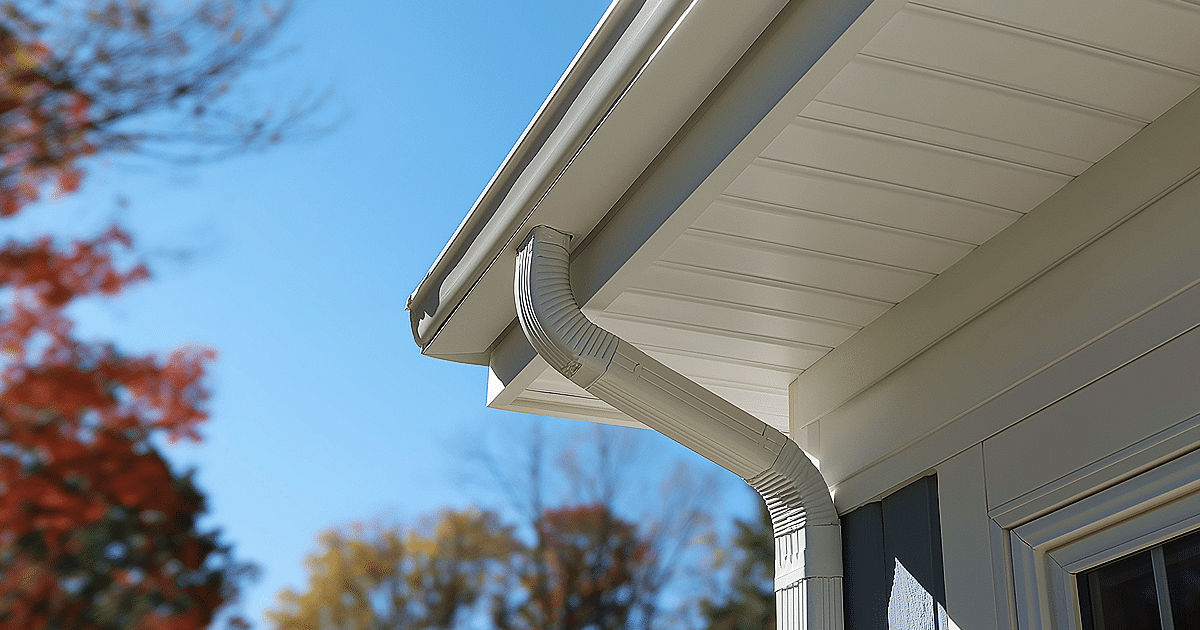
Roof gutters sit along the roof edge to collect runoff and guide it into downspouts. Those downspouts extend water several feet away from your roof and your home’s foundation.
Without a proper gutter system, rainwater falls directly off the roofline. Over time, repeated runoff saturates fascia, increases soil erosion near the foundation, and exposes vulnerable areas to excess moisture.
Gutters protect your roof by ensuring proper drainage during heavy rain.
Preventing Underlayment and Roof Decking Saturation
When clogged gutters cause overflowing gutters, water can back up beneath shingles. Once water moves past the surface layer of roofing materials, it reaches underlayment and roof decking.
Roof decking is especially vulnerable to prolonged moisture. Soft spots, sagging sections, and structural damage often begin at the roof edge where standing water accumulates.
Clogged gutters contribute directly to these issues. It often starts small, but it rarely stays small.
Reducing the Risk of Ice Dams
In colder climates, melting snow can refreeze at the roof edge and form ice dams. Thick ice ridges trap water behind them and force it under shingles.
Preventing ice dams requires proper attic insulation and a functional gutter system that allows melting snow to drain. Even in Central Texas, brief winter storms can create ice buildup that stresses roof gutters and flashing.
Preventing ice dams protects the roof’s integrity and extends roof lifespan.
Protecting Fascia and Soffits
Overflowing gutters often lead to peeling paint, mildew growth, and mold growth along fascia boards. Moisture intrusion near soffit vents can introduce damp air into attic spaces, creating additional roof maintenance concerns.
Well maintained gutters help protect these areas and support overall roof health.
Common Problems: Overflowing Gutters and Roof Damage
What Causes Gutters to Overflow
Overflowing gutters usually result from debris buildup. Leaves, branches, roofing materials granules, and nesting debris block water flow.
Other causes include:
- Improper slope
- Sagging sections
- Poor gutter installation
- Undersized gutters
- Downspouts that do not extend properly
When gutters overflow, water moves toward the roof instead of away from it.
How Clogged Gutters Lead to Roof Damage
Clogged gutters create standing water. That standing water adds weight and strains fasteners. Over time, sagging sections develop and gutters pull away from fascia boards.
Clogged gutters contribute to:
- Soft roof decking
- Water stains near ceiling edges
- Mold and mildew in attic insulation
- Structural damage near the roof edge
- Significant damage requiring costly repairs
Poorly maintained gutters are one of the most common causes of preventable roof damage.
Signs of Gutter-Related Roof Issues
Watch for water stains along upper walls, peeling paint near rooflines, visible sagging sections, mildew growth near soffits, and downspouts that fail to direct water away properly.
If you notice these warning signs, schedule a professional inspection before structural damage spreads.
Regular Gutter Maintenance to Extend Roof Lifespan
Gutter maintenance is one of the most cost-effective forms of roof maintenance.
Recommended Cleaning Frequency
In Central Texas, cleaning gutters twice per year is typical. Homes surrounded by mature trees may require additional regular cleaning to reduce debris buildup.
In colder climates, cleaning before winter helps reduce the risk of ice dams and overflowing gutters.
Step-by-Step Gutter Maintenance Checklist
- Remove visible debris
- Flush the system with water to test flow
- Confirm downspouts extend at least 3 to 5 feet away
- Check seams for leaks
- Inspect brackets and fasteners
- Verify proper slope
Regular gutter maintenance ensures proper drainage and helps preserve the longevity of your roof.
Evaluating Gutter Guards
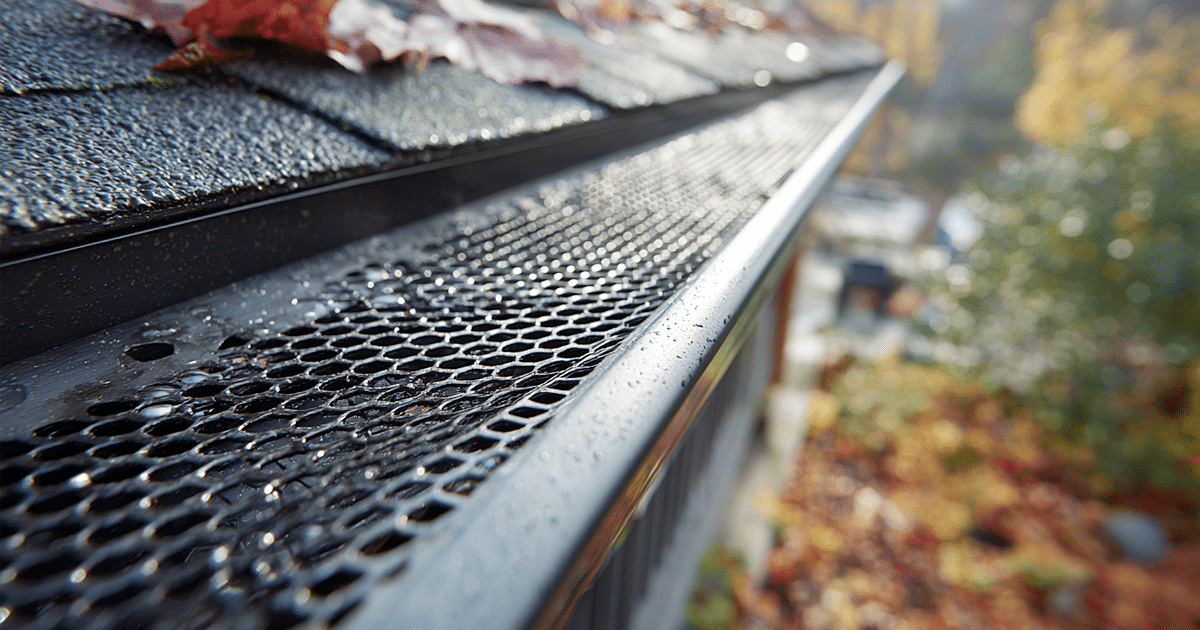
Gutter guards can reduce debris buildup and limit clogged gutters. They are not maintenance-free, but they reduce how often you need to clean gutters.
Homes with heavy tree coverage benefit the most from gutter guards.
Checklist for Well Maintained Gutters
- Proper slope toward downspouts
- Downspouts extend away from your roof and foundation
- No standing water after rain
- Secure fasteners
- No sagging sections
- Sealed seams
- Minimal debris buildup
Well maintained gutters protect your roof and contribute to optimal roof health.
Winter Considerations: Preventing Ice Dams
In colder climates, preventing ice dams requires more than clearing snow. Proper attic insulation, functional soffit vents, and clean gutters work together to reduce ice buildup.
If thick ice ridges form along the roof edge, professional ice-dam removal is recommended. Breaking ice manually can cause additional roof damage.
Preventing ice dams protects roof life and prevents significant damage.
Repair, Replacement, and When to Call a Professional
When Gutter Replacement Is Necessary
Consider gutter replacement if you see:
- Persistent sagging sections
- Cracked aluminum gutters
- Rust-through damage
- Frequent overflowing gutters
- Fasteners pulling out repeatedly
Seamless gutters and professional gutter installation often improve performance by reducing joint leaks.
Repair Versus Replacement
Minor seam leaks or loose fasteners typically require repair. Widespread structural weakness or improper original gutter installation may justify a full replacement.
Annual professional roof inspection helps determine the right approach.
Choosing a Professional Gutter Service
When selecting a professional roofing contractor:
- Verify licensing
- Confirm insurance coverage
- Ask for references
- Request written estimates
- Review warranties
A professional gutter contractor should understand how gutters and roof systems work together.
At Ja-Mar Roofing & Sheet Metal, rain gutter installation and evaluation are handled alongside roof systems because they function together.
Broader Impacts: Protecting the Home’s Foundation and Landscaping
Proper drainage protects your home’s foundation by reducing soil erosion and preventing moisture accumulation near structural supports.
Poor water drainage can contribute to basement flooding in colder climates and foundation movement in Texas clay soils, especially when common causes of roof damage like neglect and severe weather go unaddressed.
Gutters contribute to protecting landscaping by directing water in a controlled manner instead of allowing washouts.
Measuring Impact: How Gutters Affect Roof Lifespan
A well maintained asphalt roof in Texas may last 22 to 28 years. Poorly maintained gutters can shorten roof lifespan by 5 to 10 years due to chronic water exposure.
If roof replacement costs range from $15,000 to $25,000, extending roof life even five years represents meaningful savings.
Regular maintenance and annual roof inspections help maximize the longevity of your roof and protect your home.
Frequently Asked Questions
How does the Role of Gutters affect roof longevity?
The Role of Gutters in roof longevity comes down to water control. A properly functioning gutter system collects rainwater at the roof edge and ensures proper drainage away from your roofing system. When water is managed correctly, it prevents moisture from backing up under shingles, protects roof decking from saturation, and reduces long-term water damage. Over time, consistent water management helps extend roof lifespan and protect the structural integrity of the roof structure.
Can clogged gutters really cause roof damage?
Yes, clogged gutters contribute directly to roof damage. When debris buildup blocks water flow, standing water forms inside the gutter system. That water can overflow or push back beneath shingles. Once moisture reaches underlayment and roof decking, it can lead to structural damage, mold and mildew growth, and costly repairs. What starts as a simple maintenance issue can eventually impact the entire roofing system.
How do clogged gutters contribute to structural damage?
Clogged gutters create excess weight from standing water and trapped debris. This added strain causes sagging sections and pulls fasteners loose. As gutters overflow, water repeatedly saturates fascia boards and the roof edge. Over time, this weakens structural integrity and can even affect the home’s structural integrity if moisture spreads toward framing or attic spaces.
How often should gutters be cleaned?
Most homes benefit from regular gutter maintenance at least twice per year, typically in late spring and fall. Homes surrounded by mature trees may require more frequent cleaning to reduce debris buildup and prevent clogged gutters. In colder climates, cleaning before winter is especially important to help prevent ice dams and ice buildup caused by melting snow.
What happens if gutters are poorly maintained?
Poorly maintained gutters increase the risk of overflowing gutters, roof damage, soil erosion near the home’s foundation, and even basement flooding in some regions. Water that is not properly directed away from your roof can compromise roof health, shorten roof life, and lead to significant damage that could have been avoided with routine maintenance.
Are gutter guards worth installing?
Gutter guards can be a smart addition, especially in areas with heavy tree coverage. They help reduce debris buildup, minimize clogged gutters, and support proper drainage. While they do not eliminate the need for regular cleaning entirely, they can significantly reduce maintenance frequency and improve the performance of your proper gutter system.
When should I consider gutter replacement instead of repair?
Gutter replacement may be necessary if you notice persistent sagging sections, rust-through damage in aluminum gutters, frequent overflowing gutters, or fasteners repeatedly pulling loose. Minor leaks at seams usually require simple repair, but widespread structural weakness often signals that the gutter system can no longer ensure proper drainage.
Do seamless gutters perform better than sectional gutters?
Seamless gutters often perform better because they have fewer joints where leaks can develop. Fewer seams mean fewer failure points. A professionally installed seamless gutter system can improve long-term roof protection and reduce maintenance needs.
Do gutters protect the home’s foundation?
Yes. A proper gutter system directs water away from your home’s foundation, reducing soil erosion and preventing moisture accumulation around structural supports. Without proper drainage, water can collect near the slab or pier-and-beam supports, leading to shifting, cracking, or long-term foundation issues.
Can gutter problems shorten roof lifespan?
Absolutely. Chronic moisture exposure at the roof edge is one of the fastest ways to shorten roof lifespan. When gutters overflow or fail to ensure proper drainage, repeated water exposure weakens roofing materials, damages roof decking, and increases the likelihood of costly repairs. Maintaining gutters clean and functional helps preserve the longevity of your roof.
If you are unsure about the condition of your gutter system or roof, scheduling a professional inspection is the safest next step. Ja-Mar Roofing & Sheet Metal can evaluate your gutters and roofing system together and provide straightforward recommendations to protect your home long term, whether you have a traditional shingle roof or a durable metal roofing system installed.
Contents
- Why Proper Gutters Matter for the Roof’s Lifespan
- How Gutters Protect Roofs From Water Damage
- Common Problems: Overflowing Gutters and Roof Damage
- Regular Gutter Maintenance to Extend Roof Lifespan
- Checklist for Well Maintained Gutters
- Winter Considerations: Preventing Ice Dams
- Repair, Replacement, and When to Call a Professional
- Choosing a Professional Gutter Service
- Broader Impacts: Protecting the Home’s Foundation and Landscaping
- Measuring Impact: How Gutters Affect Roof Lifespan
- Frequently Asked Questions

