
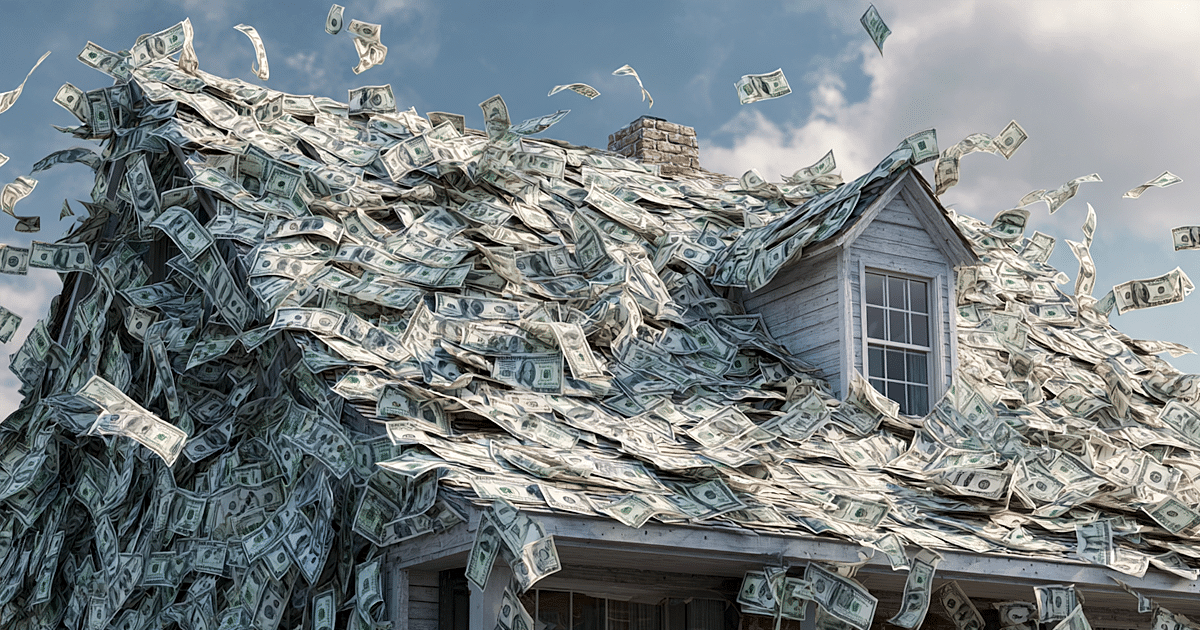
Understanding the Hidden Costs of Roof Replacement Projects in Austin, Texas can make the difference between a smooth roofing project and a budget that suddenly jumps thousands of dollars mid-construction. Many homeowners receive what appears to be a straightforward estimate, only to discover that certain repairs, code upgrades, or structural issues weren’t visible until the old roof was removed.
That doesn’t mean contractors are hiding information. In many cases, the true condition of the roof deck, ventilation system, and underlying structure simply can’t be seen until the tear-off begins. Central Texas homes also face unique factors such as intense heat, hailstorms, and evolving local building codes that can introduce additional costs during a roof replacement.
Before replacing a roof in Austin or surrounding communities like Round Rock, Pflugerville, or Cedar Park, it helps to understand where these unexpected expenses usually come from. Knowing what to watch for allows homeowners to build a more realistic budget and avoid the frustration of surprise change orders once work begins.
Key Takeaways
- Most Austin roof replacement quotes ($8,000–$25,000 for a 2,000 sq. ft. home) exclude common extras like code upgrades, deck repairs, and disposal fees that emerge only after tear-off begins.
- Austin’s specific conditions—Travis County codes, extreme heat, and frequent hail and wind events—regularly trigger hidden costs that national averages don’t account for.
- Budget a 15–20% contingency beyond your initial quote to cover structural repairs, ventilation upgrades, and surprise permit or inspection changes.
- Protect yourself with detailed written estimates, photo-documented deck inspections, insurance pre-approvals, and a roofing contractor familiar with Austin city and county requirements.
- Schedule a thorough free roof inspection before signing any contract to surface as many hidden costs as possible in advance, ideally from an experienced Austin roof replacement specialist who understands local codes and climate challenges.
You get the call from your roofing contractor: “We found some issues once we pulled up the old shingles.” That $12,000 quote you budgeted for? It’s now climbing toward $16,000. If you’re an Austin homeowner, this scenario is more common than you might expect.
The average roof replacement cost in the Austin area ranges from $8,000 to $25,000 for typical single-family homes between 1,700 and 2,500 square feet. These numbers seem straightforward until you realize they often exclude critical line items. The real total cost depends heavily on what contractors discover after removing your existing roof—and in Central Texas, that discovery phase rarely goes without surprises.
Hidden costs typically appear only after tear-off reveals the true condition underneath. Maybe it’s rotten decking in a Crestview bungalow, code-required ventilation upgrades in Circle C, or extra fees to remove a 20-year-old satellite dish that was supposed to “just come right off.” Austin’s local climate, housing stock, and building codes create a perfect storm for unexpected expenses.
This guide focuses specifically on the often-overlooked costs involved in roof replacement projects across Austin and surrounding areas like Round Rock, Pflugerville, and Cedar Park. The goal is simple: help you build a realistic budget, ask the right questions, and avoid mid-project sticker shock that can strain both your wallet and your relationship with your contractor.
Every roof replacement estimate has two layers: the obvious, visible work priced upfront, and the “if we find X once we open it up” work that may or may not be mentioned in fine print.
Standard costs typically include:
- Shingles, metal panels, or other primary roofing material
- Synthetic underlayment
- Drip edge and basic flashing
- Labor for installation
- Tear-off of one existing layer of shingles
- Basic disposal
Hidden costs often include:
- Deck repairs or full decking replacement
- Removal of extra shingle layers beyond the first
- Code-mandated upgrades (ventilation, underlayment, fasteners)
- Pest or mold remediation
- Accessory removal (solar panels, satellite dishes, old swamp coolers)
- Structural reinforcement
Austin homes built before the mid-1990s—especially in neighborhoods like Hyde Park, Allandale, and older South Austin—are significantly more likely to reveal surprises under the roof surface. These properties often feature plank decking, minimal ventilation, and decades of exposure to Central Texas weather.
| Cost Category | Standard (Usually Quoted) | Hidden (Often Excluded) |
|---|---|---|
| Materials | Asphalt shingles, underlayment | Extra decking sheets, upgraded fasteners |
| Labor | Basic installation, one-layer tear-off | Additional layers, structural repairs |
| Disposal | Standard dumpster, single trip | Heavy debris, multiple trips |
| Code Compliance | Basic permit | Ventilation upgrades, inspection fees |
| Accessories | None | Solar removal, antenna patching |
Austin Building Codes, Permits, and Inspections: Costs You Don’t See in the Shingle Price
Austin, Travis County, and surrounding jurisdictions base their roofing requirements on the International Residential Code (IRC), often with local amendments that go beyond the national baseline. These local building codes aren’t optional—they’re enforced during inspections, and non-compliance means your project doesn’t pass.
Most homeowners underestimate permit and inspection fees. Depending on your jurisdiction and roof size, expect to add $200–$500 to your project. The City of Austin requires permits for all roof replacements, and failing an inspection means re-inspection fees plus project delays.
Attic ventilation requirements present one of the most common code-related surprises. Central Texas codes typically require a balanced ratio of intake (soffit vents) to exhaust (ridge vents)—often 1/150 of the attic’s net free area. Many pre-1990s homes were built with marginal ventilation that no longer meets current standards. Upgrading under-ventilated attics can add $300–$1,200 or more in material costs and labor costs.
Beyond ventilation, you may encounter:
- Ice-and-water shield requirements for valleys, low-slope areas, and penetrations
- Upgraded fasteners for higher wind ratings (up to 130 mph in hail-prone zones)
- Thicker decking to meet span requirements
- Additional soffit or ridge vents added as separate line items
Homes re-roofed after major hail events—like the 2023–2025 storms affecting North Austin, Leander, and Georgetown—often face stricter enforcement of current codes than whatever standards existed when the home was originally built. A replacement that would have been straightforward a decade ago may now require multiple code-compliance upgrades.
Structural Surprises Under Austin Roofs: Decking, Rot, and Pests
The most significant hidden costs typically reveal themselves only after the first layer of damaged shingles comes off and the deck is fully exposed. This is where roofing projects can go from “on budget” to “call the bank” in a matter of hours.
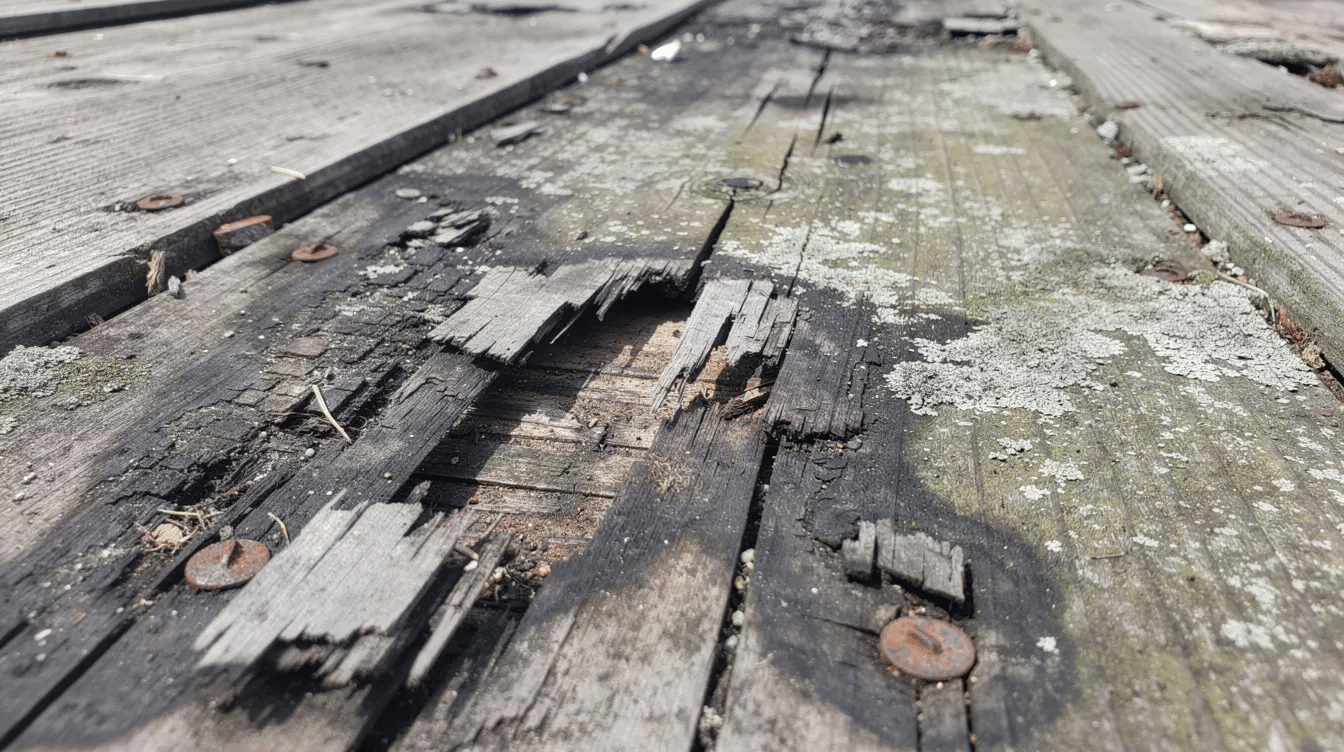
Austin’s combination of extreme heat, occasional heavy rain, and frequently marginal ventilation creates ideal conditions for dry rot, soft decking, and sagging rafters—none of which are visible from ground level. Your roof might look fine from the street while the structural layer underneath is quietly failing.
Older homes in Central Austin and East Austin often retain original plank decking instead of modern plywood or OSB. Replacing planks with contemporary sheathing during a re-roof can add thousands of dollars to material costs alone.
Typical 2024–2026 pricing for roof decking replacement:
- Material (plywood or OSB): $20–$40 per 4×8 sheet
- Labor: $50–$80 per sheet installed
- Total per sheet: $70–$120
- Average project: 5–15 sheets = $500–$1,500+ in additional costs
Pest damage adds another layer of potential expense. Termites and carpenter ants thrive in Central Texas’s moist attic environments, and their damage often remains hidden until shingles are removed. Treatment plus structural repairs can range from a few hundred to several thousand dollars depending on extent.
Reputable roofing companies will photo-document rotten decking, split rafters, or termite channels so you can see exactly why additional repair costs are necessary before approving the work.
Rot, Water Damage, and Mold in the Austin Climate
Small leaks from hail-bruised shingles or failing flashing along chimneys and skylights can slowly rot decking in the hot, humid attic environment typical of Austin summers. With attic temperatures regularly exceeding 140°F in July and August, moisture damage accelerates rapidly.
Common signs discovered during tear-off:
- Dark stains on decking
- Delamination of OSB panels
- Crumbly edges around roof penetrations
- Musty odor when the attic is opened
Mold remediation costs vary significantly based on affected square footage and attic accessibility. Minor issues might require only $500 in treatment, while larger repairs can reach $3,000 or more. Mold remediation often requires specialized contractors, containment procedures, HEPA vacuums, and protective equipment—all of which delay your project and increase labor charges.
The health implications are serious. Ignoring mold in attic spaces can degrade indoor air quality throughout your home, particularly affecting family members with allergies or asthma.
Hidden Framing Issues: Rafters, Trusses, and Load Concerns
Your material choice for a new roof affects more than just aesthetic appeal. Switching from light asphalt shingles (15–20 pounds per square foot) to heavier tile roofing (7–10 psf per square) or certain metal roofing systems may trigger framing evaluations to ensure your structure can safely carry the new load, so it pays to understand how to choose the right roofing material for your Austin home.
Many 1970s–1980s tract homes in North Austin and Round Rock were engineered specifically for lightweight roofing. Additional bracing or sistered rafters become a hidden structural cost when homeowners upgrade to more durable materials with a longer expected lifespan.
Potential framing costs:
- Localized repairs (sistering individual rafters): Several hundred dollars
- Major reinforcement or engineered fixes: Low thousands
- Structural engineer evaluation: $500–$2,000+
If you’re considering switching to heavier common roofing materials like concrete tile or certain metal panels, ask your contractor whether the estimate accounts for potential reinforcement and whether they involve a structural engineer in determining labor costs and material requirements for your roof design.
Removal, Disposal, and “Extra Layers” on Older Austin Roofs
Austin roofs frequently hide multiple layers of shingles, especially on older homes where a previous owner opted for an overlay instead of a full tear-off. What looked like a simple replacement process becomes significantly more complex when two or three layers emerge.
Each additional layer increases:
- Tear-off labor time
- Dumpster size requirements
- Dump fees at Travis or Williamson County facilities
- Truck trips to local landfills
Realistic pricing shows that each extra layer typically adds $0.50–$1.00 per square foot to your overall cost. On a 2,000 square feet roof, that’s an extra $1,000–$2,000 just for removal and disposal costs.
Heavy debris from tile or thick wood shingles tear-offs requires more substantial dumpsters than standard asphalt shingles. These disposal fees are sometimes itemized separately on estimates, and homeowners should confirm whether the quote includes all tear-off and dump fees upfront.
Accessory Removal: Solar Panels, Old Antennas, and Other Obstacles
Austin’s high solar adoption rate means many roofs now have PV arrays that must be professionally detached before roofing work begins and reinstalled afterward. This is rarely included in a basic roofing bid.
Solar panel removal and reinstallation costs:
- Small systems: $1,000–$1,500
- Larger or complex systems: $2,000–$3,000+
- Typically handled by a separate solar contractor
Less obvious accessories add up too:
- Old TV antennas: $200–$400 to remove and patch
- Abandoned satellite dishes: $200–$500 including flashing repair
- HVAC line covers: $150–$300
- Obsolete swamp coolers: $500–$1,000+
Coordinate scheduling among your roofer, solar company, and possibly HVAC contractor well in advance to avoid delays and extra mobilization charges that inflate your overall replacement cost.
Flashing, Gutters, Skylights, and Other Details That Inflate Austin Roof Costs
The small metal and trim details around roof edges, walls, and penetrations are often priced minimally in online “average cost” guides. In real roofing projects, they add up rapidly.
Types of flashing that may need replacement:
- Step flashing (where roof meets walls)
- Counter flashing (over step flashing)
- Chimney flashing
- Valley flashing
- Vent pipe boots
Austin’s sudden downpours during storm season make properly installed valley and chimney flashing critical. Reusing corroded old roofing material for flashing might save money initially but creates future leak risks and higher repair costs down the line.
Gutter considerations:
- New seamless aluminum gutters: $8–$15 per linear foot
- Upgrading undersized 4-inch to 5- or 6-inch systems
- Re-hanging existing gutters after fascia repairs
Skylights and roof windows—common in modern Austin builds—often need replacement during a re-roof. New skylight installation, including proper flashing kits, can add $300–$2,000 per unit depending on brand, size, and roof complexity.
Ask for separate line items on your estimate for flashing, gutter work, and skylight replacement costs to understand the true impact of these details on your new roof cost.
Ventilation and Energy-Efficiency Upgrades in Austin’s Heat
Many older Austin homes were built with minimal attic ventilation, leading to attic temperatures exceeding 140°F in summer. This shortens roof life, degrades roofing material faster, and drives up utility bills.
Common ventilation upgrades and costs:
- Ridge vents: $300–$600 installed
- Additional soffit vents: $50–$100 each
- Baffles: $2–$5 per rafter bay
- Powered attic fans: $500–$1,200
Upgrading to “cool roof” shingles or reflective metal roofing often represents a higher upfront cost but may significantly lower Austin Energy bills and reduce cooling loads. When combined with better ventilation and attic insulation, these improvements support energy efficiency while extending your roof’s lifespan.
The cost-benefit calculation matters: paying an extra 10–20% for premium materials and proper ventilation can reduce long-term replacement costs and monthly energy expenses.
Insurance, Deductibles, and Out-of-Pocket Surprises for Austin Homeowners
Many roof replacement projects in Austin are triggered by hail or wind claims. However, homeowners often misunderstand what their insurance company will and won’t pay for—leading to significant unexpected expenses at the worst possible time, especially when storm-related roof repair services in Austin are needed urgently.
Key insurance policy distinctions:
| Policy Type | What It Means | Your Share |
|---|---|---|
| Actual Cash Value (ACV) | Depreciated value based on roof age | Higher out-of-pocket |
| Replacement Cost Value (RCV) | Full replacement costs | Lower out-of-pocket |
| Insurance typically does not cover: |
- Code upgrades (extra ventilation, upgraded underlayment)
- Decking repairs from wear rather than storm damage
- Accessory removal and reinstallation
- Pre-existing conditions or deferred maintenance
Unless your policy includes specific ordinance or law coverage, you’re responsible for any code-required upgrades during the replacement project.
Texas deductibles present another challenge. Wind/hail deductibles are often 1%–2% of dwelling coverage. On a $400,000 home, that means $4,000–$8,000 must be paid out of pocket before insurance kicks in. In some cases, the deductible rivals the entire project cost.
Clarify in advance whether homeowners insurance will cover tear-off, disposal, code-required upgrades, and decking repairs—or only the basic roof surface replacement.
Avoid contractors offering to “eat the deductible.” This practice is illegal in Texas and typically signals subpar materials or workmanship that will cost more to fix later and may void your insurance premiums coverage.
Timing, Storm Seasons, and Price Spikes Around Austin
After major hailstorms or wind events, Austin roofing demand spikes dramatically. The local climate creates regular storm events, and the aftermath affects both pricing and availability.
Post-storm effects:
- Labor rates increase 20–30%
- Material costs rise due to regional shortages
- Project timelines extend from weeks to months
- Door-to-door storm chasers flood neighborhoods
Scheduling a non-emergency roof replacement during shoulder seasons (late fall or early spring) can yield better pricing and more scheduling flexibility from established roofing services providers, while a major leak or storm impact may call for specialized emergency roofing services in Austin.
Rushed decisions after storms—particularly signing with unfamiliar contractors the day after a hail event—often lead to hidden costs, change orders, or poor workmanship. Roofing experts consistently recommend taking time to gather multiple local estimates and verify credentials, even during busy post-storm periods.
Surprises can’t always be avoided, but their financial impact can be significantly reduced with proper planning and clear agreements before roofing work begins.
Set aside a contingency fund of 15–20% beyond your quoted roof replacement price. This buffer should cover hidden structural repairs, code upgrades, pest remediation, or mold issues discovered mid-project. For older homes, multiple-layer roofs, or properties with known hail damage history, consider budgeting higher costs.
Request highly detailed written estimates that include:
- Number of expected tear-off layers
- Per-sheet price for decking replacement ($70–$120 per sheet)
- Line items for ventilation upgrades
- Hourly or per-unit rates for unforeseen structural repairs
- Written change-order protocols that pause work pending approval
Compare at least three Austin-area roofing bids, focusing not just on price but on how thoroughly each roofing contractor accounts for potential additional costs. Resources that explain how to identify reputable roofing companies can help you avoid storm-chaser scams and unrealistically low bids. The lowest bid often becomes the most expensive project when hidden line items emerge.
Financing options used locally:
- Home equity loans
- HELOCs
- Contractor financing through reputable providers
- Specialized home improvement loans
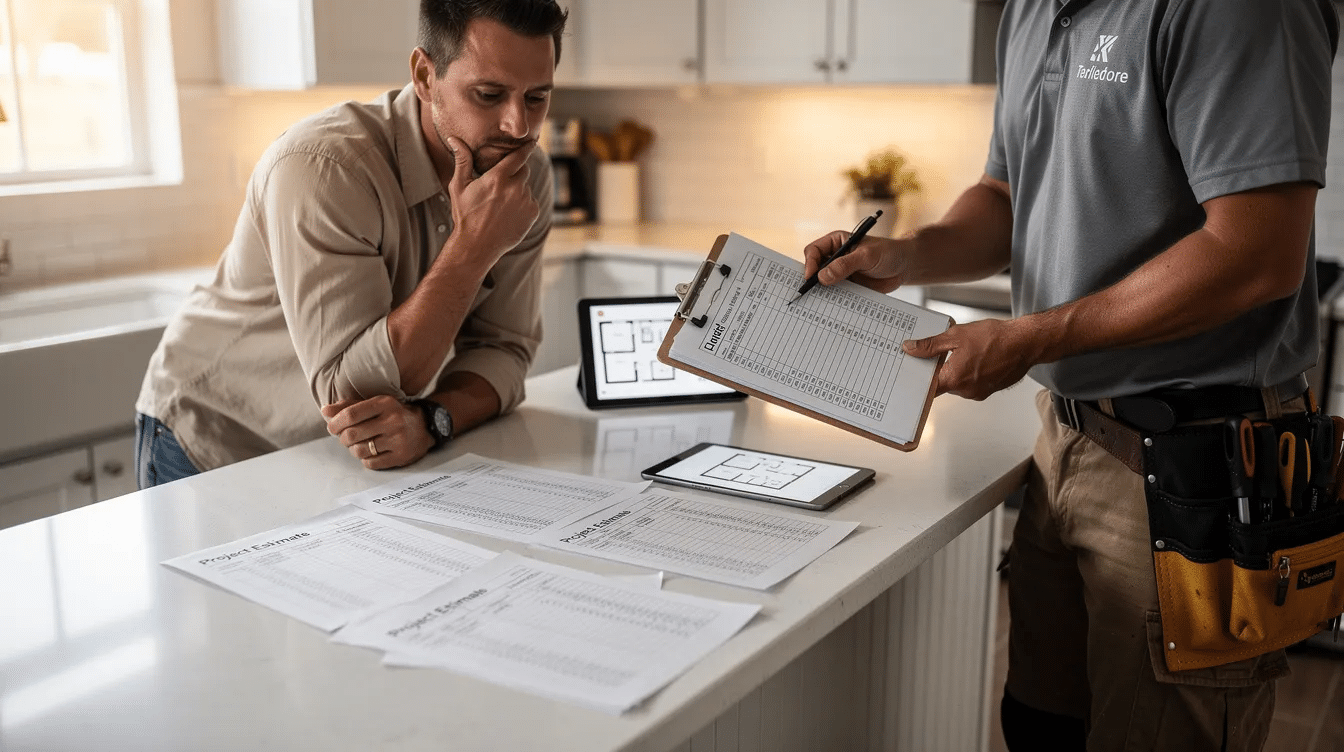
Questions to ask before signing a contract:
- What’s your per-sheet rate for decking replacement?
- How do you handle discovered structural concerns?
- What ventilation assumptions are built into this estimate?
- If we switch to heavier materials, will an engineer be involved in determining labor costs and structural needs?
- What’s your written procedure for change orders and mid-project surprises?
Choosing the Right Austin Roofing Contractor
An experienced, locally established contractor is more likely to anticipate and clearly explain hidden cost risks specific to Austin’s housing stock and local climate. Their familiarity with the typical single family home in various neighborhoods helps them provide more accurate initial estimates.
Key vetting points:
- Texas contractor registration
- Liability and workers’ compensation insurance
- Local references from similar projects
- Photo galleries showing multiple angles of completed work
- Familiarity with Austin and Travis/Williamson County permitting requirements
Ask for before-and-after photos of projects where decking or structural repairs were discovered mid-job. This reveals how the contractor handles surprises and communicates change orders to homeowners.
Insist on written change-order procedures that specify:
- When work pauses for approval
- Who authorizes additional costs
- How new charges are documented with photos
- How additional billing is structured
Reputable roofing companies understand that transparency about potential hidden costs builds trust and leads to better outcomes for everyone involved, as reflected in the experiences shared by homeowners who’ve worked with trusted Austin roofing contractors.
How much extra should I realistically budget for hidden roof costs in Austin?
Plan for an additional 15–20% on top of your initial roof replacement quote to cover common surprises like decking replacement, ventilation upgrades, and minor structural repairs. Older homes, those with multiple prior roof layers, or any property with a history of leaks or roof damage from hail events may warrant an even larger contingency—potentially 25% or more for homes built before the 1980s.
Can hidden roof damage be found before tear-off, or will I always be surprised?
A thorough attic inspection using moisture meters, thermal imaging, and visual examination can reveal many issues before shingles are removed. Problems like soft decking, moisture intrusion, poor ventilation, and even some pest damage often show up in inspection reports when roofing experts know where to look. However, some problems genuinely only appear during tear-off. Good pre-inspection significantly reduces the scope of unexpected costs but doesn’t eliminate them entirely.
Are Austin code upgrades for roofing mandatory, or can I skip them to save money?
Once a roof replacement permit is pulled, the work must comply with current applicable local regulations for that jurisdiction. This includes ventilation requirements, underlayment specifications, and fastening methods. Skipping code upgrades isn’t legal and creates inspection failures, insurance complications, and safety risks. Environmental regulations and building codes exist to protect your investment—cutting corners here rarely helps homeowners save money in the long run.
Will my homeowners insurance cover structural repairs discovered during roof replacement?
Insurance typically covers structural repairs only if they’re clearly caused by a covered peril like storm damage. Larger repairs resulting from long-term wear, neglect, or deferred maintenance generally aren’t covered. Talk with your insurance agent before work begins and maintain documentation (photos, contractor notes) if new storm-related damage is discovered mid-project. Your policy’s ordinance or law coverage, if included, may help with some code-required upgrades.
Is it cheaper in the long run to repair only visible roof issues instead of doing a full replacement?
Spot repairs can be cost-effective for newer roofs with isolated damage—minor repair costs might run $300–$1,500 for localized issues. However, repeated patching on older Austin roofs often leads to higher lifetime costs and ongoing leak risks. If your old roof is near the end of its expected lifespan and showing multiple problem areas, a well-planned full replacement (with hidden costs budgeted appropriately) typically represents the better investment for curb appeal, durability, and long-term protection. Premium asphalt shingles, metal roofing, or other durable materials with strong warranties offer better value than endless repairs on a failing system.
How do labor costs affect the overall roof replacement cost in Austin?
Labor costs vary depending on the roofing contractor’s pricing, the size and complexity of your roof, and the season. In Austin, labor typically ranges from $1.50 to $3.00 per square foot. More complex roofs with multiple angles or steep slopes require more labor, increasing the overall replacement costs.
Can the market value of my home affect the cost of roof replacement?
No, the market value of your home does not influence roof replacement costs. Pricing is based on material costs, labor, and project complexity, regardless of your property’s appraisal or sale price.
What role do permits and inspections play in the total roof replacement cost?
Permits and inspections required by local building codes add to the total cost. In Austin, permit fees typically range from $200 to $500, and failing inspections may lead to re-inspection fees and project delays, increasing labor costs.
How does weather in Austin impact roof replacement projects?
While weather conditions can affect the timeline of roofing projects, they usually do not change the overall cost. Roofing companies plan around Austin’s hot summers and storm seasons to ensure safety and quality, but unexpected weather delays can increase labor time and expenses.
What should I look for when choosing a roofing contractor in Austin?
Choose a licensed and insured roofing contractor with strong local references and experience with Austin’s building codes and climate challenges. Obtain multiple detailed written estimates, ask about warranties, and ensure clear communication about handling hidden costs and change orders to avoid surprises during your roof replacement project.
Contents
- Why Roof Replacement in Austin Has So Many “Hidden” Costs
- Standard vs. Hidden Roof Replacement Costs in Austin
- Austin Building Codes, Permits, and Inspections: Costs You Don’t See in the Shingle Price
- Structural Surprises Under Austin Roofs: Decking, Rot, and Pests
- Removal, Disposal, and “Extra Layers” on Older Austin Roofs
- Flashing, Gutters, Skylights, and Other Details That Inflate Austin Roof Costs
- Insurance, Deductibles, and Out-of-Pocket Surprises for Austin Homeowners
- Budgeting Strategies to Stay Ahead of Hidden Roof Costs
- FAQ: Hidden Roof Replacement Costs in Austin, Texas

