
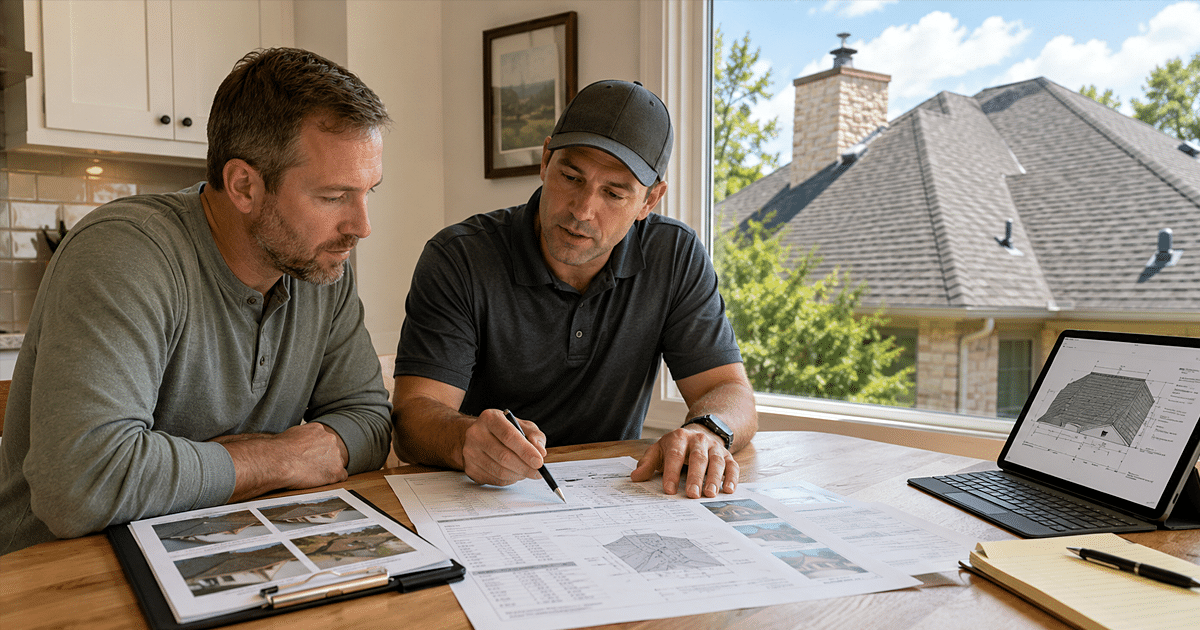
If you’re staring at a roof estimate and wondering whether it covers everything it should, you’re asking the right question. An Austin roof repair estimate should do more than give you a single number. It should tell you exactly what’s being done, what materials are going in, how much labor costs, and what happens if surprises show up mid-project. This guide breaks down every element that belongs in a legitimate austin roof estimate so you can evaluate bids with confidence-whether you’re patching a few shingles or considering a full roof replacement.
Key Takeaways
- A legitimate roof repair estimate includes scope of work, material costs, labor costs, permits, warranties, and payment terms-all separated into clear line items. Detailed roof estimates prevent hidden costs and ensure compliance with local regulations.
- In 2026, typical Austin repair estimates separate labor costs (40–50% of total cost) from roofing material costs per sq ft, and list any tear off or decking repairs individually. Clear descriptions of materials and workmanship help avoid misunderstandings.
- Your austin roof estimate should list roof size in squares and square foot measurements, roof age, and roof inspection findings that justify the repair scope. Itemized costs help homeowners compare contractors fairly.
- Estimates for standing seam metal roofing or larger storm damage repairs in areas like Round Rock will look substantially different from a simple asphalt shingles patch job in central Austin or Cedar Park.
- Every estimate should include warranty coverage details, permit responsibility, and a realistic timeline accounting for central Texas weather patterns.
How an Austin Roof Repair Estimate Answers Your Main Question (Cost & Scope Up Front)
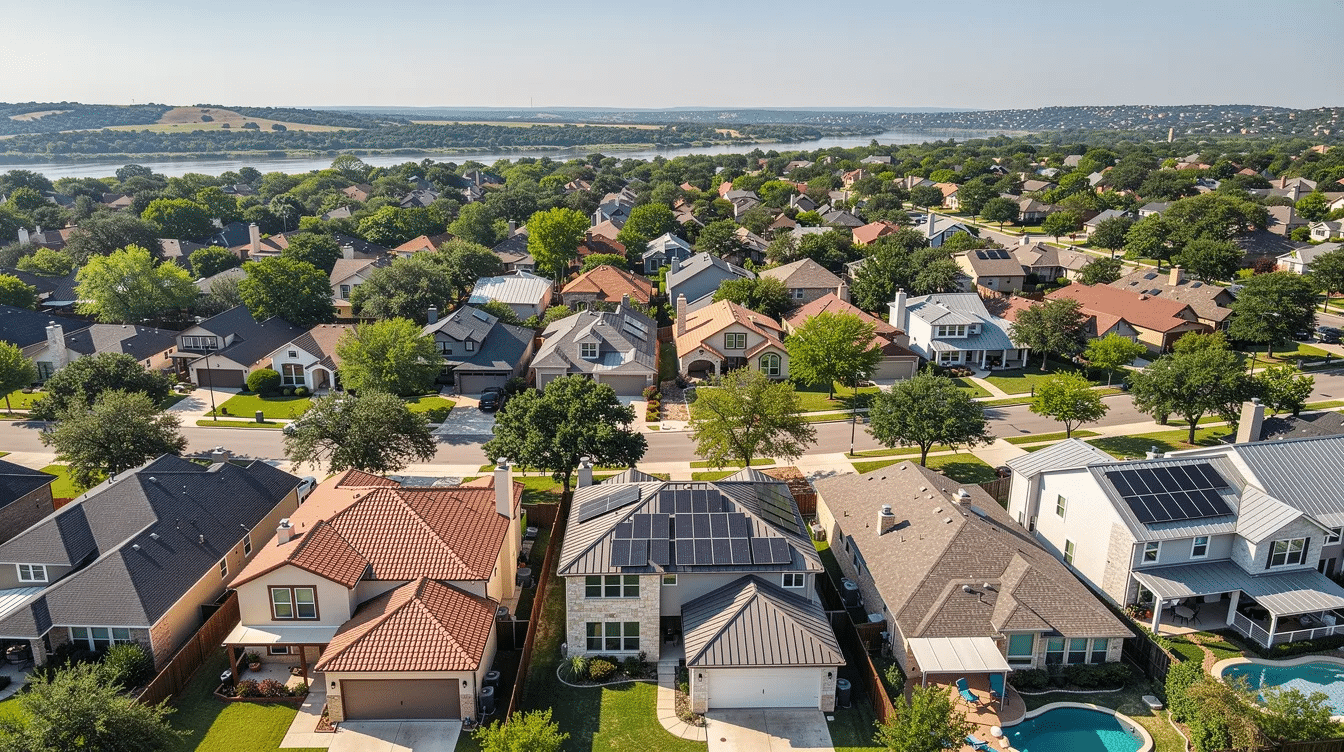
This section answers the core question directly: what should be included in an Austin roof repair estimate? Before diving into the granular details in later sections, here’s what any homeowners planning a roofing project should see on the first page of a quality estimate.
A complete estimate should include:
- On-site roof inspection notes documenting the current condition and damage
- Clear description of the roof repair area or partial replacement zone, measured in squares and sq ft
- Line-by-line pricing for materials, labor, tear off, and disposal
- Roof replacement cost comparison if your roof age exceeds 15–20 years and repair may not be cost-effective
- Projected timeline including start window and expected duration
- Warranty terms for both materials and workmanship
- Payment schedule with deposit, progress, and final payment tied to completion
For a typical 2,000–2,200 sq ft Austin home, the estimate should clearly show whether you’re looking at a localized repair of a few squares or a broader section replacement. Hail damage often necessitates full roof replacement in Austin, so contractors should present both options when the damage warrants it. For full asphalt shingle replacement on that size home, expect the roof replacement cost to fall between $10,000 and $14,700 with tear off, permit, and decking allowance included. A legitimate roof repair estimate includes scope of work and material costs broken out so you can see where every dollar goes.
Documented Roof Inspection Findings That Must Appear in the Estimate
A credible roof estimate starts with a thorough roof inspection, and the written estimate should reflect specific findings-not vague language like “roof needs work.” Austin-specific roof repairs often address weather-related issues like hail and strong winds, so the inspection needs to capture those details precisely.
The estimate should document:
- Date of inspection (e.g., “July 19, 2026”), who performed it, and whether the property is in Austin, Round Rock, or a nearby area
- Leak locations with measurements and directional references (north slope, south slope)
- Missing, cracked, or lifted shingles with counts and affected area
- Flashing condition around chimneys, vents, walls, and valleys
- Hail or wind damage indicators, including bruising on asphalt shingles or dents on metal systems
- Ponding on flat roofs or low-slope sections
- Condition of vents and penetrations, including pipe boots and exhaust vents
Photos, measurements, and notes about roof pitch and access should be referenced directly in the estimate (“see attached photos, elevations, and diagram of north slope”). Contractors should document conditions and damages for potential insurance claims, since this documentation becomes critical if you file a storm damage claim later.
The estimate must also state roof age (or best estimate) and the number of existing roofing layers, because these factors directly affect tear off scope and total cost.
Roof Size, Squares, and Measured Area in Your Austin Roof Estimate
Austin roofing companies price projects by the “square”-a roofing measure equal to 100 sq ft of roof surface. Your estimate must show how the roofing contractor arrived at the total number of squares.
A typical 2,000 square foot home in Austin may have 22–28 squares of actual roof surface, depending on roof pitch, overhangs, dormers, and roof complexity. Steeper roofs and complex layouts add surface area beyond the home’s footprint.
The estimate should list:
- Total sq ft of roof surface (measured, not just the home’s floor plan)
- Total squares for the entire roof
- Number of squares being repaired versus total roof area
- Concrete example: “Repair of 6 squares on the south-facing slope above the living room at $X per square”
An estimate should include roof squares and shingle class so you can compare it meaningfully against other bids. Roof size is the biggest cost driver in Austin, which is why accurate measurement matters more than anything else in determining your new roof cost.
For standing seam metal roofing and other premium systems, the estimate should still show square footage along with panel lengths so homeowners can compare quotes across different roofing material types. Estimates for homes in Round Rock, Cedar Park, or central Austin should all use the same sq ft and squares terminology.
Detailed Scope of Work: Exactly What Will Be Repaired or Replaced
The scope of work is the “to-do list” for your roof repair. It should be written in clear, homeowner-friendly language so you know exactly what’s happening on your home. Insist on a detailed written contract outlining all project aspects before any work begins.
The estimate should specify each task:
- Tear off: How many layers are being removed, and from which sections
- Removal of damaged materials: Whether it’s existing roofing shingles or standing seam metal panels
- Underlayment replacement: Type (synthetic vs felt) and coverage area
- Flashing work: Replacement or resealing around chimneys, walls, and penetrations
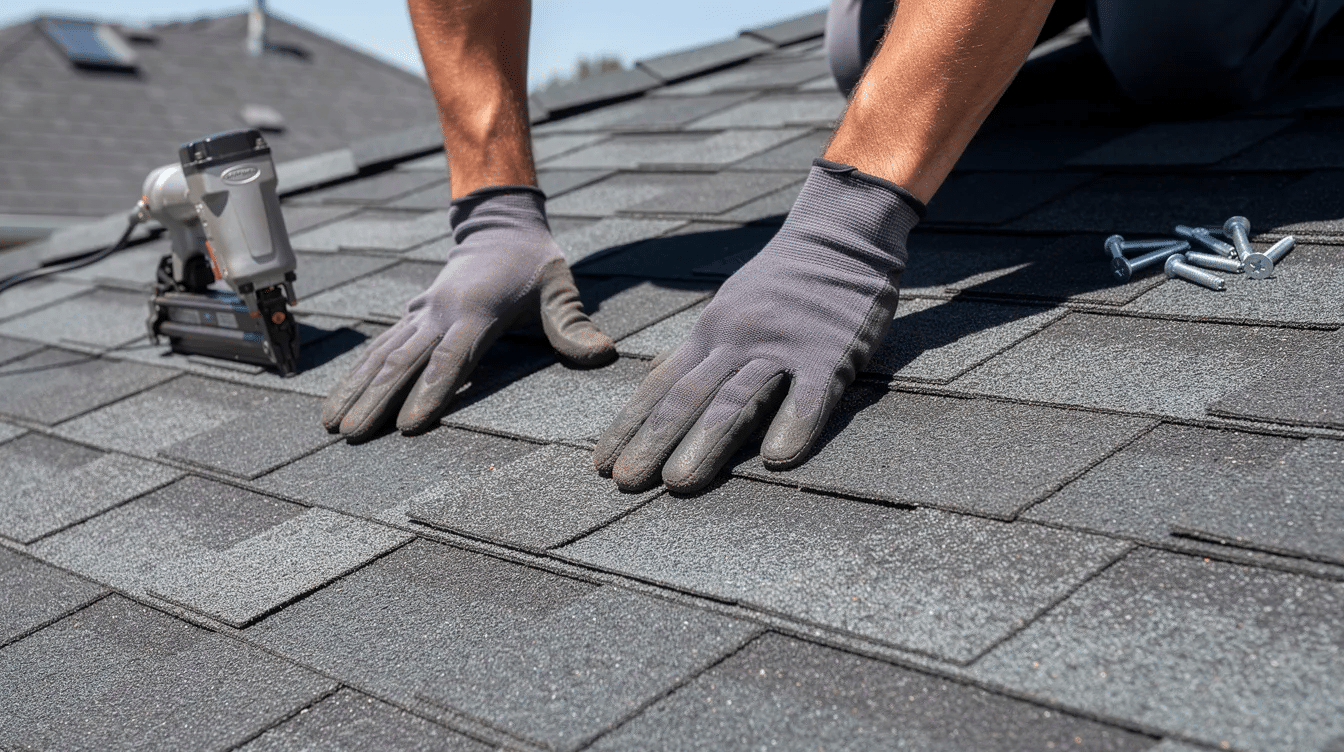
- New roof installation steps: Nailing pattern, starter strips, and attachment method
An estimate should detail underlayment, flashing, and ventilation as separate items. Proper attic ventilation is essential due to the Texas heat, and any ventilation upgrades should appear as their own line.
The estimate must distinguish between a minor roof repair (replacing a few traditional shingles and resealing pipe boots) and a partial roof replacement (full tear off and re-roof of one slope). Tasks like reinstalling gutters, drip edge, or adding ventilation components should be listed separately-not hidden inside a lump sum.
Code-compliant work for Austin TX should be referenced, including required underlayment type and nailing patterns for asphalt shingles or standing seam metal. A magnetic nail sweep is important for debris cleanup after roofing work and should be mentioned in the cleanup section of the scope.
Use directional language (north, south, front, rear slopes) so you clearly know where work will happen on your entire roof.
Materials Line Items: Shingles, Metal, Underlayment, and Accessories
A quality austin roof estimate itemizes every major roofing material so you can evaluate quality materials and compare bids properly. Material prices in Austin have increased 7–10% from 2025, making line-item transparency even more important this year.
The estimate should cover:
- Primary roofing material: Architectural shingles ($4–$6 per square foot installed), impact resistant shingles, designer shingles, standing seam metal ($9–$15 per square foot), concrete tile, clay tile, stone coated steel, or wood shake
- Shingle class and lifespan: 3-tab asphalt shingles have a lifespan of 15–20 years, Class 4 impact shingles last 30–40 years, and metal roofs can last 40–70 years
- Underlayment type: Felt versus synthetic, plus ice and water shield if used in valleys or around penetrations
- Manufacturer and product line: e.g., “Owens Corning Duration architectural shingles” or “24-gauge standing seam metal with Kynar finish”
Additional line items should include ridge cap, starter strips, drip edge, flashing metals, sealants, and ventilation components (ridge vent, box vents, or solar vents).
Hail resistance ratings for shingles are necessary for roofs in Austin. Class 4 impact-resistant shingles reduce insurance premiums by 15–30%, which can offset the higher upfront cost over time and lower your out of pocket cost for future claims.
Material pricing may appear per square or as total material cost for the repair area. For standing seam metal roofing repairs, the estimate should specify panel gauge, color, fastening method, and whether panels are custom-fabricated locally. Metal durability and wind resistance make metal roofing increasingly popular in Austin projects, though the cost in Austin runs roughly double that of standard asphalt.
Labor Costs, Tear Off, and Decking Repairs in Your 2026 Austin Estimate
In 2026, labor costs in Austin represent 40 to 50 percent of total roof replacement costs, driven by the local labor market demand and skilled workforce availability. Your estimate should clearly separate labor costs from material costs.
Key labor items to look for:
- Labor rate: Listed either per square or as a total labor line item, typically $2.00–$4.50 per sq ft for major work
- Tear off costs: Tear-off costs range from $1.00 to $3.00 per square foot, depending on number of layers and material type. For a 20-square tear off, that’s $2,000–$6,000 just for removal.
- Decking repairs: Replacement of damaged plywood or OSB listed per 4×8 sheet, typically $3.00–$6.00 per sheet plus labor
- Hidden damage allowance: A detailed estimate includes information regarding potential additional costs for hidden damage discovered once existing roofing is removed
Additional labor charges should be spelled out:
- Steep roof pitch upcharges for steeper roofs
- Two-story access or difficult-to-reach sections requiring extra safety setup
- Structural reinforcement if rafters or decking need more than simple sheet replacement
Round Rock and nearby suburbs may have similar but occasionally slightly lower labor costs than central Austin. Some estimates note this for context, though accurate pricing depends on the specific roofing project and job conditions.
Permits, Codes, and Austin–Area Requirements That Belong in the Estimate
Even for roof repair-not just full roof replacement-some Austin projects require permits and must meet local building codes. Austin requires city permits for most structural roofing work, including any job that replaces more than 128 sq ft of roof decking.
The estimate should identify:
- Whether a city permit is required, who will pull it, and the expected cost. Permits for roof replacements in Austin cost between $200 and $600 for larger projects.
- Code compliance confirmation: Nailing patterns, underlayment specifications, ventilation requirements, and wind/uplift standards. Austin requires roofing systems rated for 110 mph or higher, and high-wind protection specifications are important due to strong wind exposure in the region.
- Disposal fees: Dumpster charges and haul-off of old shingles, metal, and debris listed as separate lines-not buried in “miscellaneous.”
- HOA approval: Whether any homeowner association approval is needed for visible changes, especially for standing seam metal roofing or color changes in communities around Round Rock and Cedar Park.
Many roof repair estimates clarify the responsibility for obtaining permits, specifying whether the roofing contractor or homeowner handles the paperwork. Any contractor who suggests skipping permits is a red flag-walk away.
Timeline, Scheduling, and Weather Considerations in Central Texas
A useful Austin roof repair estimate doesn’t just list cost-it outlines how long the work takes and when it can start. The Central Texas climate impacts roofing materials and installation techniques, and scheduling needs to account for that reality.
The estimate should include:
- Projected start date window (e.g., “within 7–10 business days of approval”)
- Expected duration of the repair and daily work hours
- Weather contingency language explaining how spring hail season, summer heat, and fall storms could affect completion. Austin is located in a hail-prone region, and central Texas averages 5–8 significant hail events per year.
- Occupied home logistics: How noise, parking, and access will be managed, especially in tight Austin neighborhoods or Round Rock cul-de-sacs
- Emergency pricing: Whether same-day leak response is available and how that pricing differs from scheduled repairs
The estimate should also address cleanup timing, a final walkthrough schedule, and when the final roof inspection (if required by the city or insurance) will happen. During Austin’s long summers, scheduling around extreme heat is critical for both worker safety and roof installation quality. Proper installation in high heat also affects long-term cooling costs and energy bills.
Warranties, Guarantees, and What They Should Look Like in Writing
Every austin roof repair estimate should include written warranty coverage details-not verbal promises made on a handshake. The estimate should clearly differentiate between manufacturers’ warranties and workmanship warranties, because they cover different things and have different terms.
What to look for:
- Manufacturer material warranties: Coverage length and exclusions for shingles, metal panels, underlayment. Look for manufacturer certifications, which unlock better warranty terms.
- Contractor workmanship warranties: Typically 2–5 years on repairs, longer on a quality roof replacement. Must specify what’s covered (leaks, installation defects) and what’s excluded.
- Metal-specific warranties: For standing seam metal roofing, the estimate should reference paint finish warranties (often 20–40 years) and any specific hail or wind performance coverage.
- Claim instructions: Clear steps for filing warranty claims, including contact information and required documentation.
Vague phrases like “lifetime roof warranty” without written terms aren’t sufficient. The estimate should include or attach full warranty documents. Austin homeowners should verify that warranty coverage remains valid even if the roofing company changes ownership or closes, which is where manufacturer-backed warranties provide extra protection for your new roof.
Payment Schedule, Insurance Details, and How Estimates Interact with Claims
Many Austin roof repair projects involve insurance due to storm damage, so the roof replacement estimate has to work for both you and your carrier. Understanding how estimates interact with insurance claims prevents costly surprises.
The estimate should show:
- Payment terms: Deposit amount, progress payments (if any), and final payment tied to job completion or final inspection. Reputable contractors typically request no more than 10–15% upfront payment.
- Pricing basis: Whether rates reflect cash retail pricing or are matched to an insurance scope (e.g., Xactimate) for a hail or wind claim
- Homeowner vs. insurance responsibility: Clear identification of your deductible, any upgrade costs (like switching from asphalt shingles to standing seam metal), and non-covered code items
- Deductible compliance: The estimate must not offer to “waive” or “eat” the deductible, which is illegal in Texas. Reputable Austin TX contractors include this disclaimer explicitly.
- Monthly payment options: Some roofing companies offer financing, which should be detailed separately from insurance proceeds
Homeowners should keep both the contractor estimate and the insurance adjuster’s scope side by side when deciding between repairs and full roof replacement. This comparison helps you understand your true out of pocket cost and whether upgrades that improve curb appeal or reduce energy bills are worth the difference. A free roof estimate from a reputable austin roofing company will typically align with or clearly explain deviations from the insurance scope.
How to Compare Multiple Austin Roof Repair Estimates Side by Side
Getting two or three estimates is standard practice, but comparing them only works if you know what to look for. Use all the elements above-scope, sq ft, materials, labor, warranties-to evaluate each roof estimate austin contractors provide.
Start with these checks:
- Same repair area: Confirm each estimate covers the same number of squares, same slopes, and same tear off assumptions
- Material quality: Compare brand, shingle class, underlayment type, and flashing details across all bids
- Labor costs: Ensure labor is broken out and comparable, not bundled into a lump sum
- Permit handling: Who pulls permits, and is the fee included?
- Cleanup and disposal: Included or extra?
- Warranty length: Both manufacturer and workmanship terms
If one estimate for a 2,200 sq ft Austin roof comes in much lower than others, check for missing items like tear off, decking repairs, or ventilation upgrades. A suspiciously low new roof cost often means corners are being cut.
Beyond price, compare contractor reputation, years in business in Austin or Round Rock, and responsiveness. Choose local contractors to avoid unreliable storm chasers who disappear after collecting payment. Verify contractor licenses and insurance before hiring, and check recent reviews for quality and reliability. No obligation estimates from established roofing companies give you the chance to ask precise, informed questions using this checklist-so use it every time you sit down with any local roofing contractor for a free estimate.

FAQ: Austin Roof Repair Estimates
These frequently asked questions cover practical concerns that Austin homeowners run into when reviewing estimates-topics not fully addressed in the main sections above.
How long is an Austin roof repair estimate typically valid?
In 2026, many Austin roofing contractors hold roof estimate pricing for 30 days due to fluctuating material prices and labor availability. For larger austin projects or a total roof replacement cost exceeding $10,000, some companies specify shorter validity windows of 14–21 days. This expiration date should be printed on the estimate itself. Confirm validity before scheduling, and request an updated estimate with accurate estimate pricing if you wait past the expiration.
Can I get a roof repair estimate in Austin without an on-site visit?
While ballpark ranges can be given by phone using sq ft and roof age, an accurate Austin roof repair estimate requires an on-site roof inspection. Satellite measurements help with roof size, but they cannot reveal soft decking, flashing failures, or active leaks inside the attic. Treat phone-only quotes as rough estimates and insist on a written, on-site-based estimate before signing any contract.
What if my estimate suggests roof replacement but I only want a repair?
When roofs in Austin are 15–25 years old or severely storm-damaged, contractors may recommend replacement because repairs won’t be cost-effective long term. Ask for a separate line-item roof repair option alongside the replacement scope, with an honest explanation of expected remaining life and risk of additional leaks. Insurance may only pay for replacement if damage meets certain thresholds, so the estimate should clarify how the scope aligns with any claim. San Antonio and Austin homeowners in similar climate zones face this decision frequently after major hail seasons.
Are small leak repairs in 2026 still provided with written estimates?
Reputable Austin and Round Rock roofers provide written estimates for even small repairs, though minimum service charges may apply. For minor fixes under a few hundred dollars, estimates might be shorter but should still list labor, materials, and warranty terms. Never skip the paperwork-a written estimate protects both sides and documents what was promised for your roofing project.
Should I expect different estimates for asphalt shingles vs standing seam metal repairs?
Yes. Standing seam metal roofing repairs typically cost more per sq ft because materials and skilled labor carry a higher price. Standing seam metal roofing costs $9–$15 per square foot installed, compared to architectural shingles at $4–$6 per square foot installed. The estimate should separate metal panel work from any shingle or flat roofs repairs, including different labor rates and warranty terms. If you’re considering an upgrade from tile roofs or traditional shingles to standing seam metal, ask for both the repair pricing and the full replacement cost so you can make a long-term comparison of total cost versus metal durability and lifespan.

